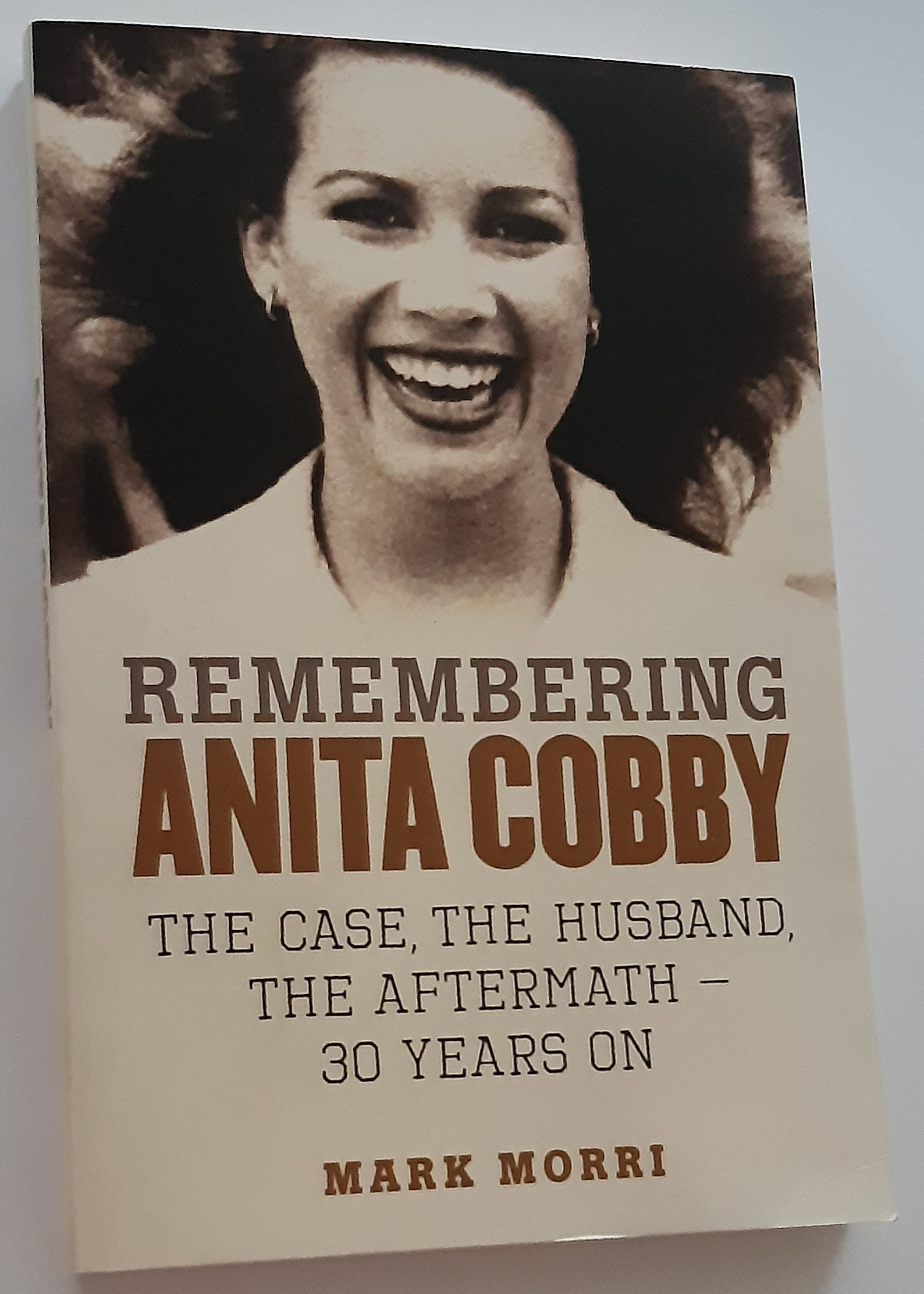
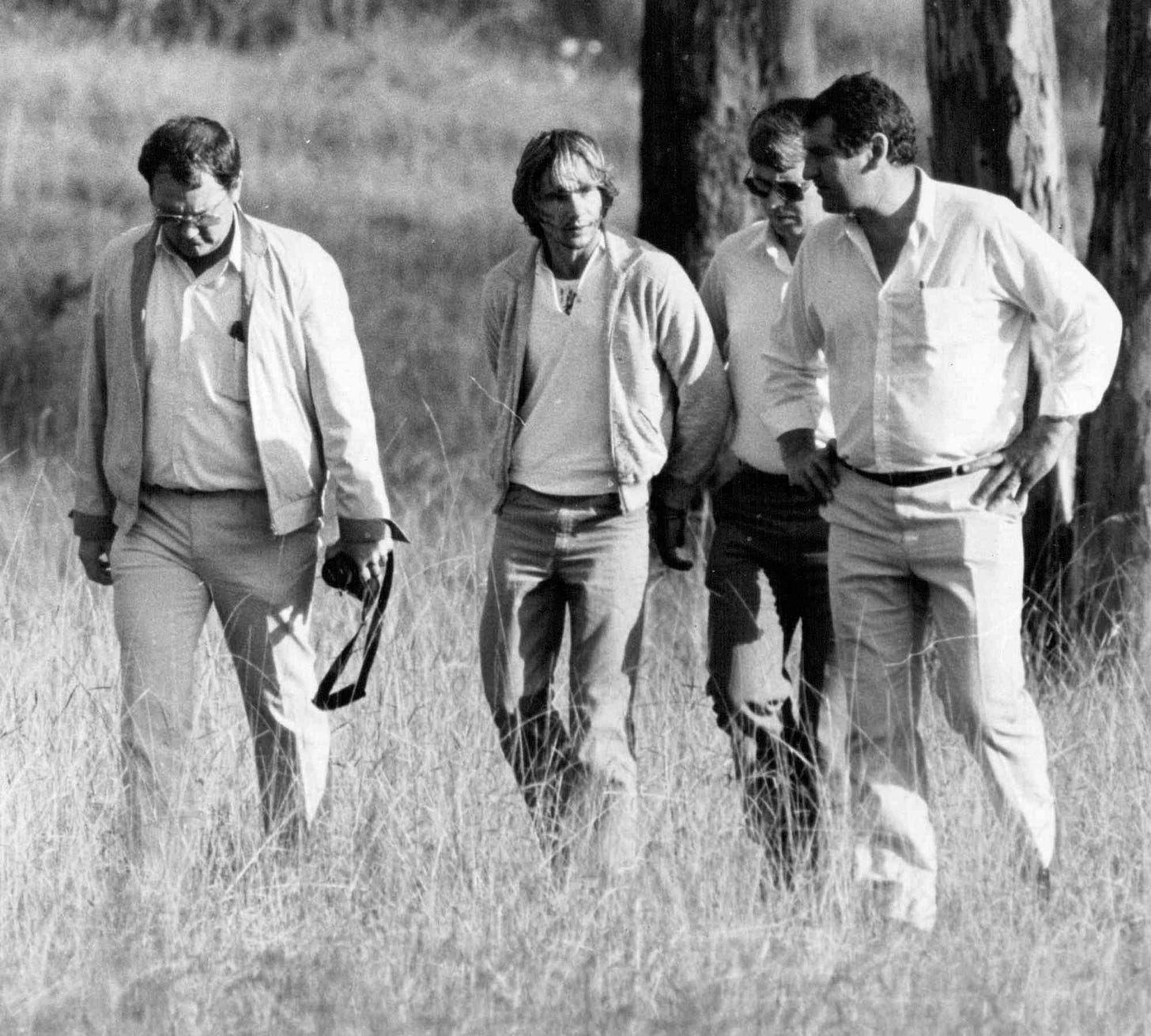
The murder of Anita Cobby in 1986 remains one of the most harrowing and significant criminal cases in Australian legal history. John Travers was one of five men convicted for the abduction, sexual assault, and murder of the 26-year-old nurse. The case triggered a profound shift in public discourse regarding sentencing, judicial reform, and victims' rights in New South Wales.
Context and Historical Overview of the Crime
On the evening of February 2, 1986, Anita Cobby, a registered nurse, was walking home from the Blacktown railway station in Sydney’s western suburbs after finishing a shift. She was abducted by five men—John Travers, his brother Michael Travers, Leslie Murphy, Michael Murdoch, and Gary Murphy—who had been driving around the area in a stolen vehicle.
The perpetrators took Cobby to a secluded paddock in Prospect, where she was subjected to extreme violence and murdered. Her body was discovered three days later by a local resident. The brutality of the crime sent shockwaves through the Australian public, leading to widespread outrage and an unprecedented demand for justice. The investigation that followed was one of the most intensive in the history of the New South Wales Police Force, eventually leading to the identification and arrest of all five men involved.
The Role of John Travers in the Prosecution
John Travers was identified as a central figure in the orchestration of the abduction and the subsequent violent acts. During the trial, evidence revealed that the group had spent the day consuming alcohol and drugs before deciding to find a woman to kidnap. Travers’s involvement and his leadership role within the group were emphasized by the prosecution to highlight the premeditated nature of their movements that night.
The trial, held in the Supreme Court of New South Wales, concluded in 1987. All five men were found guilty of charges including murder, sexual assault, and abduction. Justice John Slattery, who presided over the trial, sentenced the men to life imprisonment, describing the crime as one of the most heinous in the state's history. The judge made it clear that the nature of the offenses warranted the maximum possible penalty under the law, ensuring that the perpetrators would remain behind bars for the duration of their natural lives.
Legal Precedents and Sentencing Reforms
The public reaction to the Anita Cobby case was a catalyst for significant legislative change in New South Wales. At the time, the concept of "life imprisonment" was often subject to administrative review, leading to concerns that offenders could be released after serving a fraction of their sentences. The outcry following the Cobby murder forced the government to re-evaluate the sentencing guidelines for violent crimes.
In the years following the trial, the New South Wales government introduced reforms that tightened parole eligibility for those convicted of serious crimes. These changes aimed to ensure that "life imprisonment" in the most severe cases meant exactly that. The case set a precedent for how the judiciary deals with "worst-case" offenders, influencing how future crimes of a similar nature are prosecuted and sentenced. The political pressure generated by the community’s demand for justice for Anita Cobby effectively ended the leniency that many felt had characterized the previous era of the justice system.
Comparison of Legal Outcomes and Public Impact
The case of Anita Cobby is frequently compared to other landmark Australian criminal cases due to the permanent mark it left on the national consciousness. The following table provides an overview of the key elements that distinguished this case within the legal framework of the 1980s.
| Feature | Details and Impact |
|---|---|
| Offense Type | Abduction, Sexual Assault, Murder |
| Primary Sentencing | Life Imprisonment (Non-parole periods denied) |
| Legal Legacy | Tightening of parole laws for violent offenders |
| Social Impact | Nationwide debate on safety, policing, and justice |
| Defendant Status | All five perpetrators sentenced to life |
The lasting impact of the sentencing was the realization by the public that the courts could and would deliver absolute sentences when the severity of the crime demanded it. This provided a degree of closure to the victim's family and the broader community, though the trauma associated with the event persisted for decades.
Current Perspectives on the Case in 2026
In 2026, the murder of Anita Cobby continues to be studied by legal historians and criminologists as a defining moment in Australian jurisprudence. The case is often cited when discussing the development of "truth in sentencing" legislation. While the perpetrators remain incarcerated, the case serves as a perennial reminder of the intersection between criminal law, public emotion, and legislative reform.
The ongoing focus on the case is also driven by the memory of Anita Cobby herself, whose family established the Anita Cobby Memorial Foundation. The foundation’s work in supporting victims of crime and advocating for safety initiatives ensures that her legacy is tied to positive community action rather than solely to the crime committed against her. The judicial handling of John Travers and his accomplices remains the primary benchmark against which subsequent violent crimes have been measured in the New South Wales Supreme Court.
Frequently Asked Questions
What was the final legal outcome for John Travers?
John Travers was convicted of murder, sexual assault, and abduction. He was sentenced to life imprisonment by the Supreme Court of New South Wales in 1987 and remains incarcerated as of 2026.
Why was the Anita Cobby case considered a turning point for the Australian justice system?
The sheer brutality of the crime and the perceived leniency of the justice system at the time sparked massive public protest. This forced the government to implement stricter sentencing reforms, specifically targeting parole eligibility for violent offenders.
How did the sentencing of the perpetrators change public perception?
The imposition of life sentences for all five men reassured the public that the judiciary was willing to impose the most severe penalties available. It moved the discourse toward a victim-centered approach, highlighting the long-term impact of violent crime on the community.
Is it possible for the offenders in this case to be released?
In New South Wales, the sentencing of the five men involved in the murder of Anita Cobby was structured to ensure they would serve their natural lives in prison. The legislative environment created in the late 1980s makes parole for such offenders practically impossible.
What is the Anita Cobby Memorial Foundation?
The foundation was created by Anita Cobby's family to provide support to victims of crime and promote community safety programs. It serves as a constructive, charitable legacy intended to prevent similar tragedies and support those affected by violent crime.
Next Actions for Research and Understanding
For those interested in the historical and legal nuances of this case, further research should focus on the specific transcripts of the 1987 trial and the subsequent legislative debates in the New South Wales Parliament. Official records from the Supreme Court of New South Wales provide the most accurate account of the legal proceedings, while the records of the New South Wales Department of Communities and Justice offer insight into the current status of correctional policies. Readers are encouraged to consult authoritative legal archives rather than sensationalized media accounts to understand the technical evolution of sentencing laws resulting from this case.