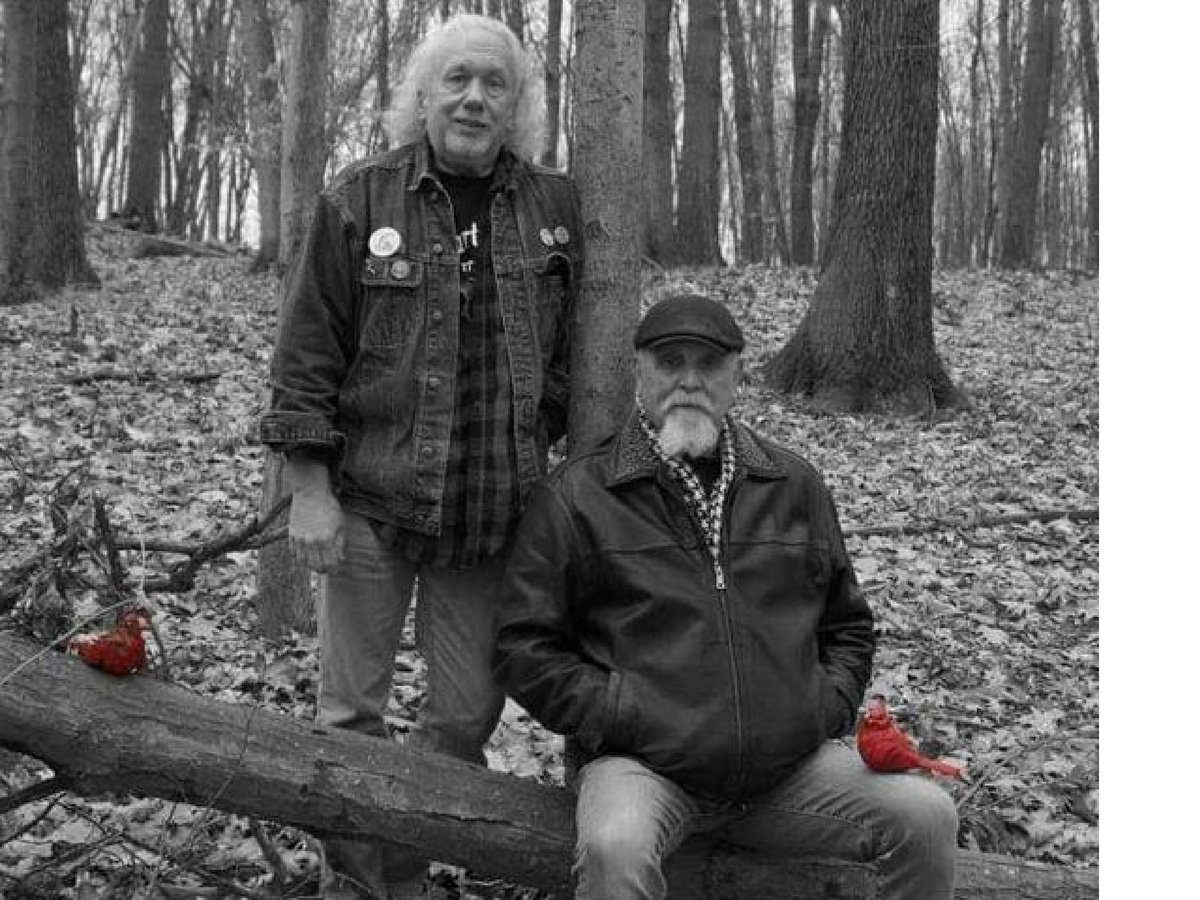
John Schnabel was a prominent American gold miner and entrepreneur, best known to global audiences as the patriarch of the Porcupine Creek mining operation featured on the television series Gold Rush. Beyond his media presence, he was a respected figure in the Alaskan mining community, recognized for his decades-long dedication to resource extraction, sustainable land management, and mentorship within the industry.
Early Life and Career Beginnings
Long before his transition into reality television, John Schnabel built a career defined by resilience and industrial versatility. Born in 1920, he spent his formative years navigating the challenges of a rapidly developing Alaska. His entry into the mining sector was not merely an investment opportunity but a lifestyle commitment in the rugged terrain of the Porcupine Creek region, located near Haines, Alaska.
Schnabel’s approach to mining was rooted in the post-WWII era of industrial growth, where he managed various commercial enterprises, including a sawmill, before focusing his efforts on gold extraction. His tenure in the Haines region provided him with a deep understanding of geological conditions, local regulations, and the mechanical requirements for successful placer mining. This foundational experience proved essential when, later in life, he became the primary decision-maker for the Schnabel family’s mining claims.
The Porcupine Creek Mining Operation
The Porcupine Creek claim, situated in the Porcupine Mining District of Alaska, served as the epicenter of John Schnabel’s mining activities. The site is geographically significant due to its history of high-yield gold deposits deposited by glacial activity. Under Schnabel's oversight, the operation transitioned from a family-run enterprise to a large-scale commercial project requiring complex earth-moving equipment and sophisticated washing plants.
Mining in this region involves several distinct operational phases that Schnabel meticulously managed:
- Stripping: Removing the overburden—the layer of soil and vegetation covering the gold-bearing gravel—to reach the "pay dirt."
- Sluicing: Utilizing a series of riffles and water flow to separate heavy gold particles from lighter waste rock and sand.
- Reclamation: Restoring the mined land to a stable, environmentally responsible state, a requirement that Schnabel emphasized throughout his career as a commitment to stewardship.
Transition to Media: The Gold Rush Era
In 2010, the Discovery Channel premiered Gold Rush (originally titled Gold Rush: Alaska), which documented the efforts of mining crews attempting to extract gold during the economic volatility of the early 21st century. John Schnabel provided the central authority for the show’s primary plotlines, offering guidance to his grandson, Parker Schnabel, who would eventually take over the operation.
His role on the show functioned as a bridge between the old guard of Alaskan prospectors and a new generation of mining professionals. Schnabel was frequently consulted on matters of equipment troubleshooting, financial risk assessment, and the technical realities of operating a remote camp. His pragmatic, no-nonsense advice became a staple of the series, distinguishing his segment of the show as a focus on generational business continuity rather than mere spectacle.
Technical Stewardship and Environmental Responsibility
One of the most critical aspects of John Schnabel’s professional legacy was his strict adherence to environmental regulations. Alaska’s mining sector operates under stringent oversight from state agencies like the Alaska Department of Natural Resources and federal entities like the Environmental Protection Agency (EPA).
The following table summarizes the key operational priorities Schnabel enforced during his active years, which remain standard for modern Alaskan placer mining:
| Operational Priority | Technical Requirement | Impact of Negligence |
|---|---|---|
| Water Usage | Closed-loop settling ponds | Contamination of local watersheds |
| Land Reclamation | Grading and re-vegetation | Permanent loss of habitat and fines |
| Equipment Safety | Lock-out/tag-out procedures | Occupational hazards and shutdowns |
| Claim Compliance | Annual assessment filings | Loss of legal mining rights |
By ensuring that the Porcupine Creek site adhered to these standards, Schnabel demonstrated that commercial gold mining and environmental preservation could coexist. His emphasis on reclamation—ensuring that the land was left in a condition that allowed for natural recovery—influenced the methods used by the younger generation of miners who followed in his footsteps.
The Mentorship of Parker Schnabel
John Schnabel’s most lasting contribution to the mining industry is arguably the professional development of his grandson, Parker Schnabel. Recognizing that the future of the family's assets depended on rigorous operational knowledge, John provided a comprehensive "apprenticeship" that spanned several seasons of Gold Rush.
This mentorship involved more than just technical training; it included the transmission of professional values. John stressed the importance of fiscal discipline, the necessity of maintaining machinery, and the ability to pivot strategies when a mining claim proved less productive than expected. By allowing his grandson to make operational decisions—and occasionally fail—John ensured that the next generation of leadership was equipped with the practical judgment required to manage high-stakes mining ventures in 2026 and beyond.
Legacy and Continued Relevance
John Schnabel passed away in 2016 at the age of 96. Even in 2026, his influence remains visible in the way mining operations are documented and conducted in the Alaskan interior. He is remembered as an icon of the industry who maintained his work ethic and intellectual engagement well into his nineties.
For current industry observers, the "Schnabel model" of mining serves as a case study in effective multi-generational business management. The transition from a local operator to a public figure allowed him to demystify the gold mining process for a global audience, highlighting the immense physical labor, financial capital, and logistical planning required to succeed in the field.
Frequently Asked Questions
What was the specific location of John Schnabel's mining operation?
John Schnabel operated out of the Porcupine Creek mining district near Haines, Alaska. This area is historically significant for its placer gold deposits, which are recovered through extensive washing of alluvial gravels.
How did John Schnabel impact the modern gold mining industry?
His primary impact was the professionalization of small-scale mining. By documenting the complexities of running a mine, including regulatory compliance, equipment maintenance, and personnel management, he raised the standard for what is expected of contemporary mining operators in remote regions.
Was John Schnabel a professional geologist?
John Schnabel was not a degreed geologist; he was an experienced prospector and businessman. His expertise was gained through decades of "on-the-ground" experience, learning the specific depositional patterns of the Haines region and applying that empirical knowledge to his mining strategies.
What is the current status of the Porcupine Creek mine?
As of 2026, the mining operations associated with the Schnabel family continue to evolve, with Parker Schnabel managing large-scale exploration and extraction projects. The specific claims have been subject to various operational updates, ownership transitions, and environmental assessments, reflecting the ongoing nature of commercial mineral extraction.
Did John Schnabel support environmental regulations?
Yes, John Schnabel was a strong advocate for responsible mining. He understood that the long-term viability of the industry depended on complying with state and federal environmental laws, particularly regarding water quality and the mandatory restoration of land after mining activity ceased.
How can one verify the legal status of an Alaskan mining claim?
Verifying a claim requires checking the Alaska Department of Natural Resources (DNR) Mapper or the Bureau of Land Management (BLM) LR2000 system. These databases provide information on current leaseholders, assessment filings, and historical claim activity for specific regions in Alaska.
Ensuring Continued Operational Success
For those looking to replicate the success of operations like those seen at Porcupine Creek, the focus must remain on the trifecta of geology, equipment, and compliance. Before undertaking any mining project, prospective operators should conduct a thorough geological survey to determine the "pay streak" viability. Following this, ensure that all permits regarding water discharge and land use are secured in accordance with 2026 regulatory guidelines. Finally, prioritize the maintenance of heavy machinery; in remote Alaskan conditions, the failure of a single critical piece of equipment can stop production for weeks, leading to significant financial losses.