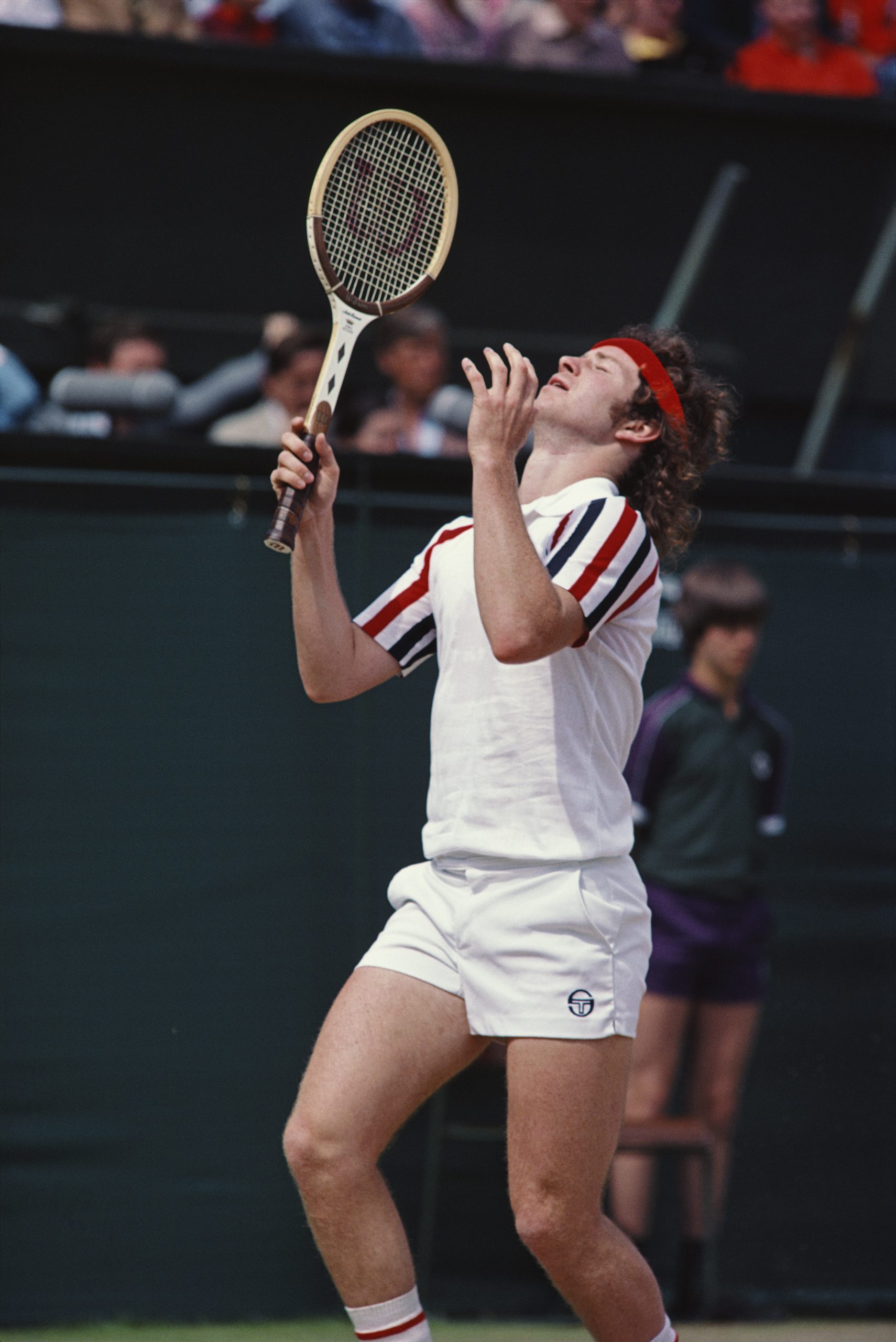
The McEnroe brothers—John, Patrick, and Mark—represent a unique intersection of professional athletics, broadcasting, and private enterprise. While John McEnroe remains the most globally recognized figure due to his historic tennis career, his brothers have carved out distinct paths in sports media and business. Collectively, the family has leveraged their athletic pedigree to build diverse professional portfolios that extend well beyond the baseline of a tennis court.
The Professional Trajectory of John McEnroe
John McEnroe’s primary wealth was generated through an illustrious tennis career that spanned from 1978 to 1992. Accumulating seven Grand Slam singles titles and nine Grand Slam men’s doubles titles, McEnroe transformed his aggressive playing style into a lucrative brand. Following his retirement from the professional circuit, he pivoted successfully into the media landscape.
As of 2026, John McEnroe is a staple of tennis broadcasting. His work with ESPN, Eurosport, and the BBC serves as a continuous revenue stream, complemented by his art gallery, the John McEnroe Gallery in New York, which he founded to foster his long-standing interest in contemporary art. His net worth, estimated across various financial reports to be in the range of $100 million, is a composite of career prize money, long-term broadcasting contracts, exhibition circuit appearances, and shrewd investments in the fine art market.
Patrick McEnroe: The Media Strategist and Coach
Patrick McEnroe, the youngest of the three, followed a similar developmental path to John but with a different emphasis on coaching and administration. A former professional player who reached a career-high singles ranking of world number 28, Patrick is perhaps best known for his long tenure as the captain of the United States Davis Cup team and his extensive work as an analyst for ESPN.
Unlike John, whose career focus transitioned into high-end art and celebrity endorsement, Patrick focused his professional energy on the infrastructure of tennis. His contributions to the sport involve high-level administrative roles, including serving as the General Manager of USTA Elite Player Development. His financial portfolio is primarily driven by multi-year broadcasting agreements and professional coaching initiatives, providing him with a stable and high-earning career path distinct from his brother's commercial ventures.
Mark McEnroe: The Private Sector Professional
Mark McEnroe, the eldest brother, has maintained a professional life largely removed from the intense glare of the public sports spotlight. While he is frequently identified as part of the McEnroe inner circle, his career has been rooted in the private sector. Mark’s focus has historically remained on private business interests, avoiding the media-centric career path chosen by his younger siblings. His involvement in the "family business" is characterized by the management of private holdings and family assets rather than public-facing professional services.
Comparative Analysis of Career Paths and Revenue Streams
The following table provides a summary of the divergent professional paths taken by the brothers, highlighting how each has optimized their specific skill sets for financial sustainability.
| Name | Primary Career Focus | Key Income Sources | Public Profile |
|---|---|---|---|
| John McEnroe | Tennis Icon / Art Gallery | Broadcasting, Endorsements, Art | Very High |
| Patrick McEnroe | Coaching / Media Analysis | Sports Broadcasting, USTA Roles | High |
| Mark McEnroe | Private Business / Investment | Private Equity, Asset Management | Low |
Insights into the McEnroe Family Business
The term "family business" when applied to the McEnroes often refers to a decentralized structure. Rather than operating a singular family-owned corporation, the brothers have managed their intellectual property and capital independently. John McEnroe’s commercial success is anchored in his personal brand; his ability to command significant fees for public appearances and commentary remains a cornerstone of his earnings.
When analyzing the family’s collective financial health, it is essential to distinguish between earned income and legacy assets. The McEnroe brand has become an enterprise unto itself, allowing for secondary revenue sources such as book deals, documentary appearances, and charity-driven events. These ventures demonstrate a high level of market awareness, ensuring that the influence earned in the 1980s and 1990s continues to pay dividends in the current fiscal climate of 2026.
Strategic Diversification and Risk Management
The financial durability of the McEnroe brothers can be attributed to deliberate diversification. John’s transition into the art world, for instance, represents a classic strategy of asset class migration. By moving a portion of his tennis-derived wealth into art—an asset class that historically maintains value—he has hedged against the volatility of the entertainment and sports broadcast industry.
Patrick McEnroe’s approach, meanwhile, mirrors a commitment to professional longevity. By embedding himself within the regulatory and instructional framework of the United States Tennis Association (USTA), he secured a role that is less susceptible to the shifting tides of media popularity. This foundational security allows him to participate in high-reward media projects without the pressure of needing them as his sole source of survival.
Addressing Common Questions Regarding the McEnroe Family
Did the McEnroe brothers share a single business entity?
No. Each brother operates his own professional interests independently. There is no evidence of a centralized "McEnroe Brothers Inc." that manages their collective assets. Their business dealings are personal and distinct, reflecting their individual career trajectories.
How does John McEnroe’s art gallery influence his net worth?
John McEnroe’s art gallery is a significant business venture that serves as both a passion project and a financial diversification strategy. By engaging in the acquisition, curation, and sale of contemporary art, he positions himself within a high-net-worth market that operates outside the typical parameters of sports-related income.
What is the primary source of Patrick McEnroe’s wealth?
Patrick McEnroe’s primary wealth is derived from his long-standing career as a sports broadcaster and analyst, supplemented by his historical roles in tennis coaching and USTA administration. His professional stability is high due to his deep integration into the sport's broadcasting ecosystem.
Is Mark McEnroe involved in the sports industry?
Mark McEnroe maintains a focus on private business and investment. Unlike John and Patrick, he has not made a career out of professional tennis or sports media, choosing instead to remain active in the private sector away from public scrutiny.
Do the brothers collaborate on commercial projects?
While the brothers occasionally appear together for charity events or public tributes, they do not generally maintain formal commercial partnerships. Their appearances are typically personal in nature rather than part of a joint business enterprise.
How has the current 2026 landscape affected their earnings?
In 2026, the demand for high-caliber sports analysis remains robust, keeping the market value of John and Patrick’s broadcasting work stable. Their professional longevity is a result of their early transition from active play to expert commentary, ensuring they remain relevant in an era dominated by digital streaming and live sports integration.
Recommendations for Navigating Career Diversification
For individuals looking to mirror the professional success of high-profile families like the McEnroes, the core takeaway is the importance of pivoting before the primary career reaches its end. Whether through acquiring professional credentials in administration or moving assets into stable, long-term vehicles like fine art or private equity, the key is the avoidance of over-reliance on a single revenue stream. Evaluate your current skills and determine which elements can be transformed into institutional knowledge or transferable services. If you possess a high-visibility profile, consider how that leverage can be moved into secondary, less volatile sectors, ensuring long-term fiscal health.