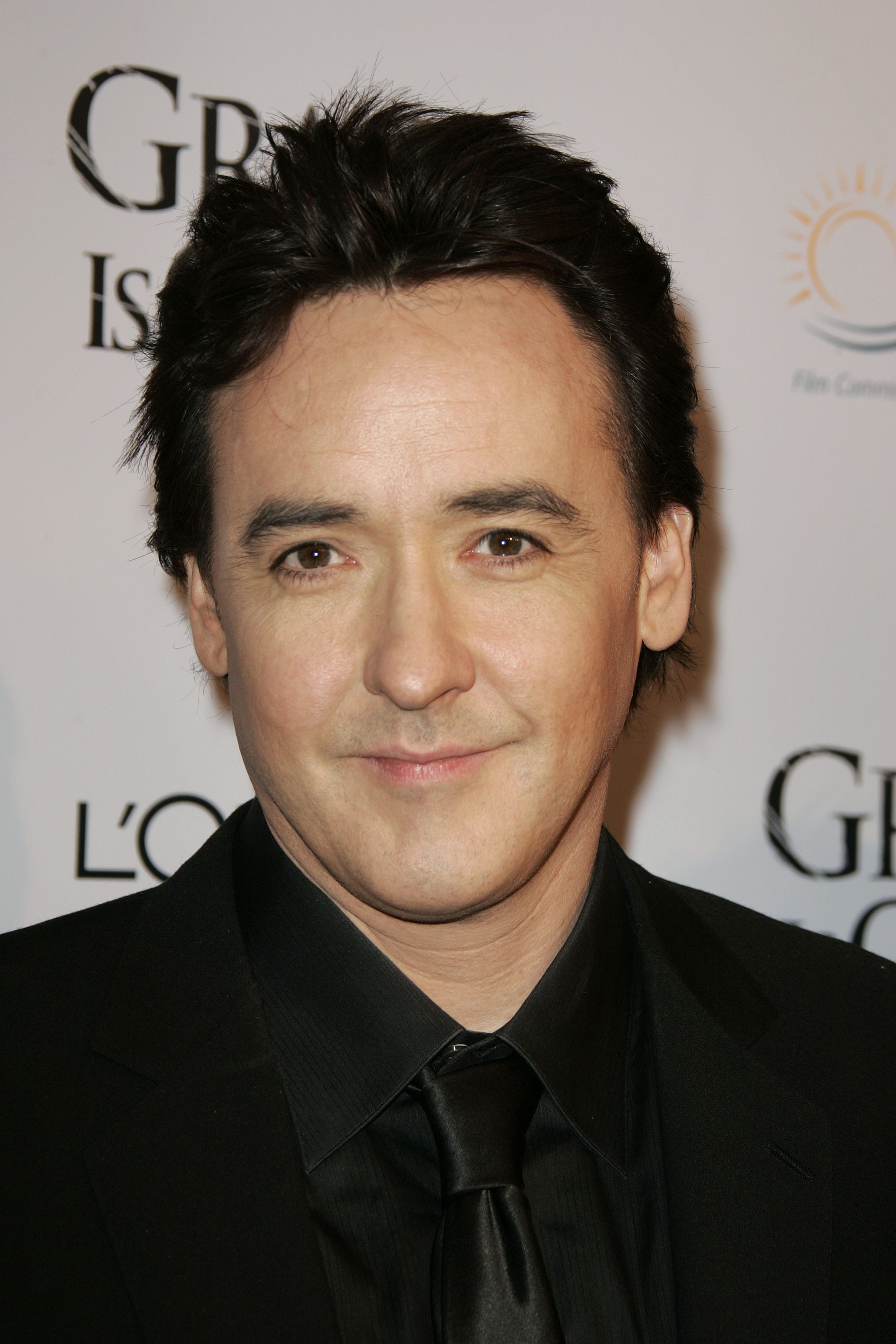
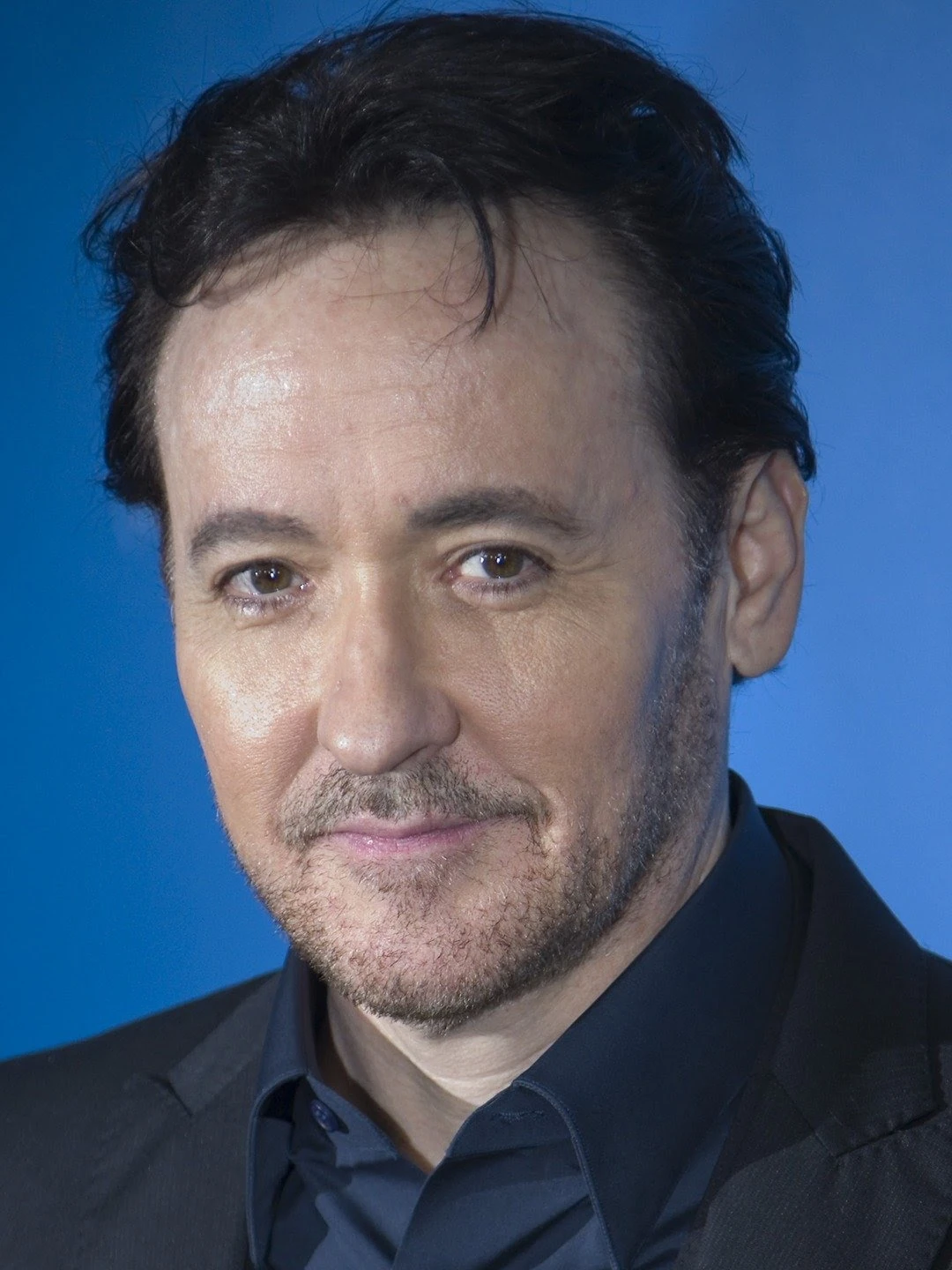
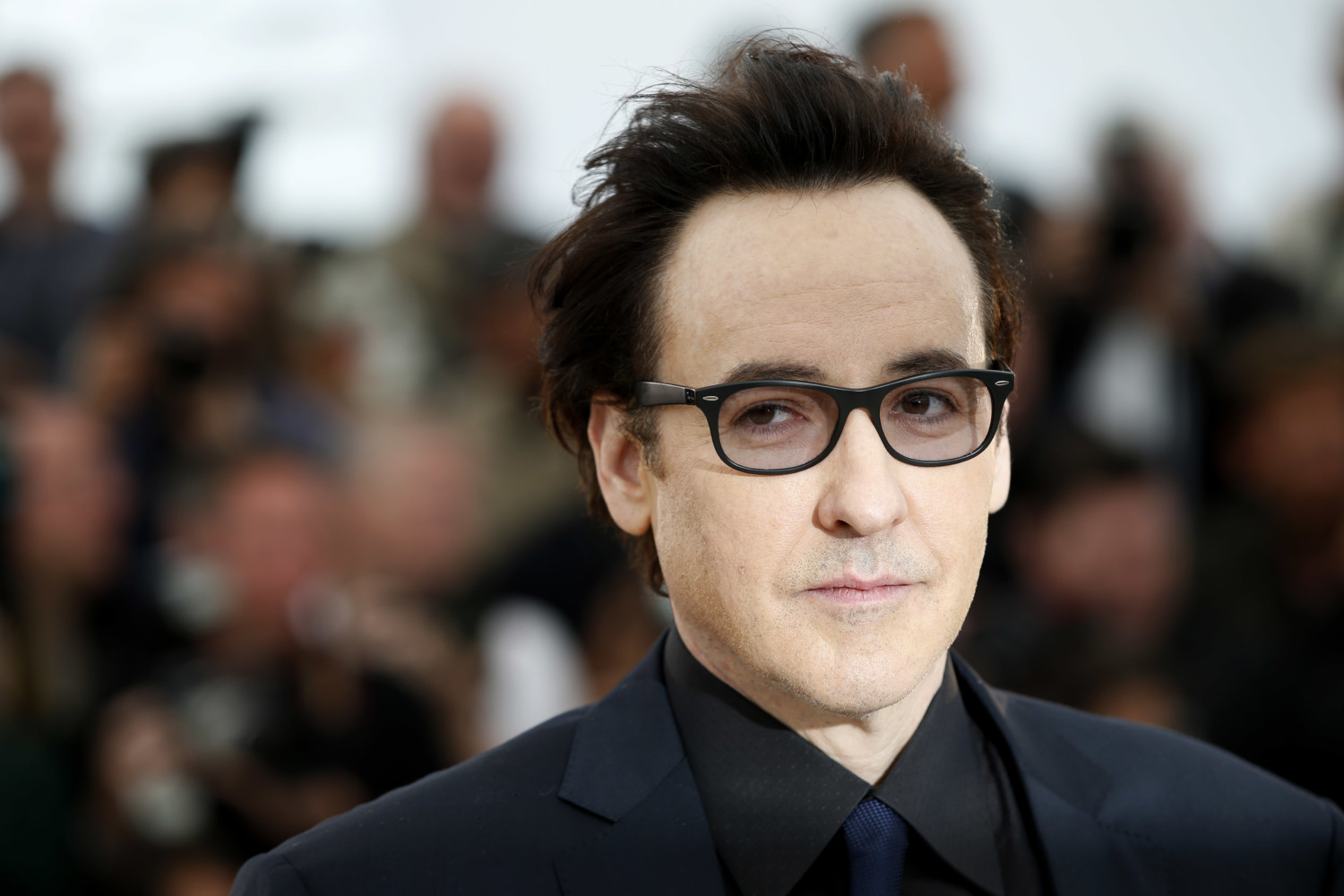
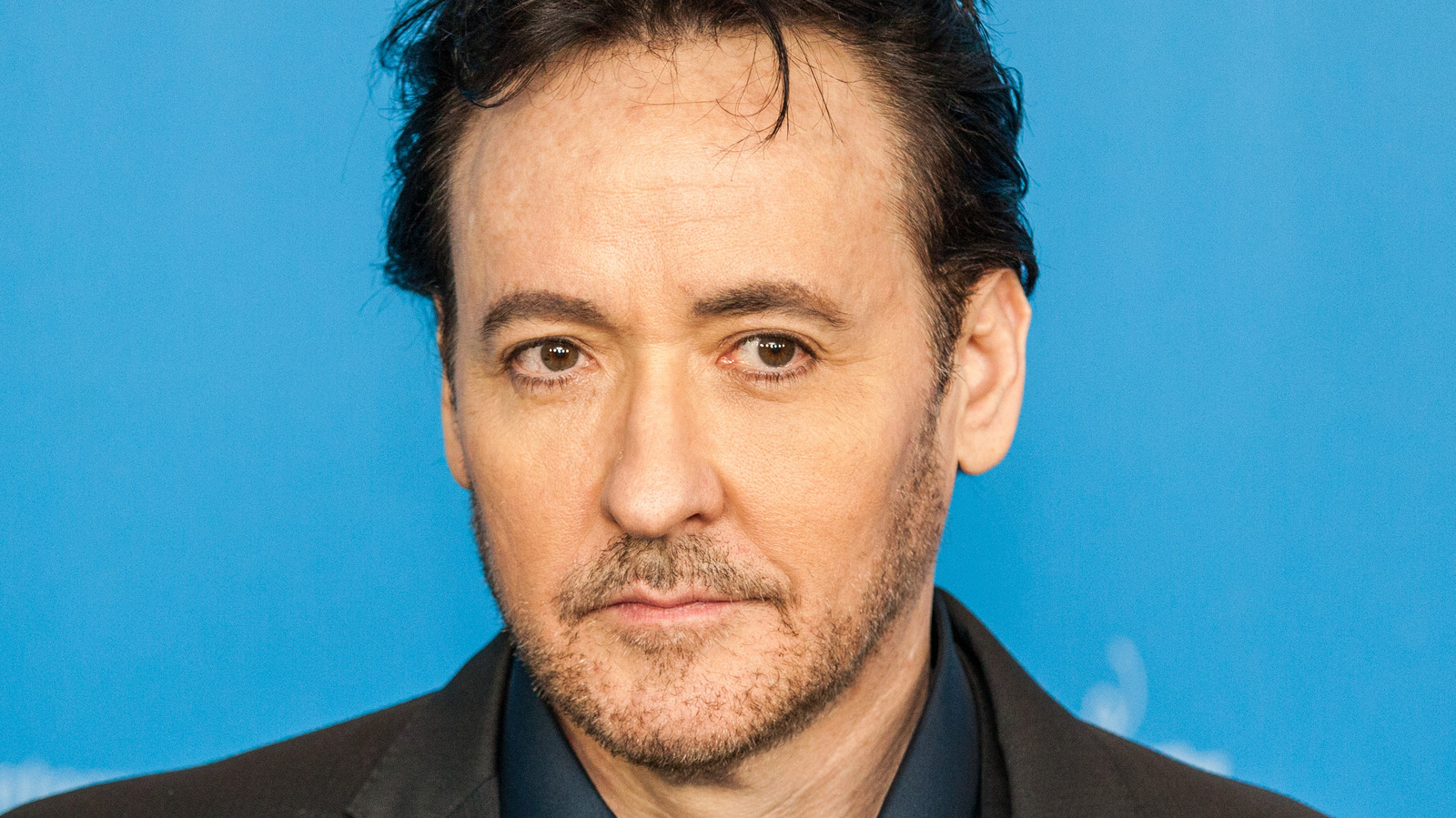
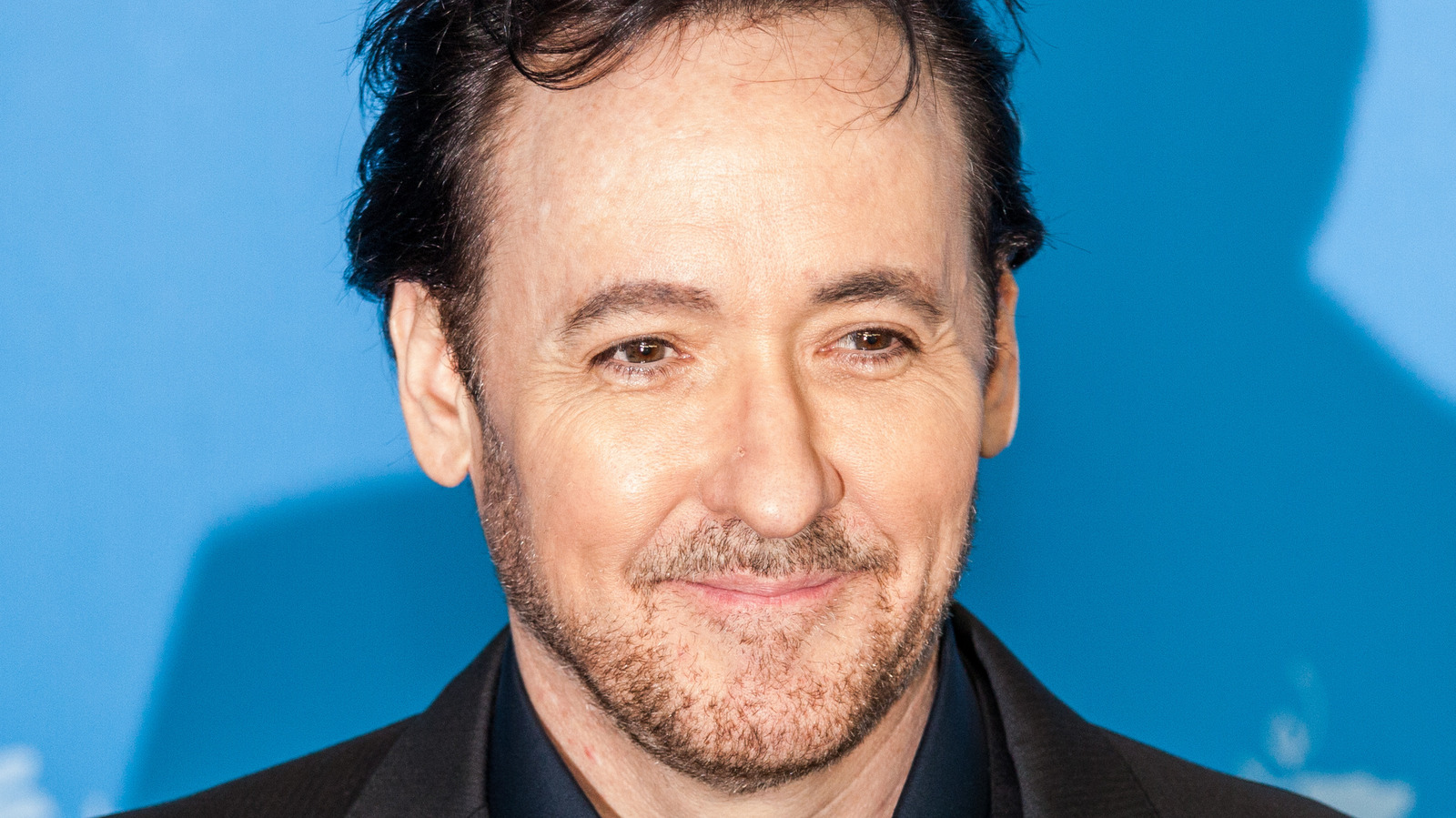
John Cusack is a quintessential American actor, producer, and screenwriter who established his career in the 1980s and evolved into a fixture of independent cinema, romantic comedies, and political thrillers. Known for his intellectual approach to roles and his frequent collaborations with independent directors, he has maintained a distinct presence in the film industry for over four decades, navigating seamlessly between blockbuster features and character-driven dramas.
Early Career and the Rise to Teen Idol Status
Born in Evanston, Illinois, in 1966, John Cusack was immersed in the arts from an early age; his father, Dick Cusack, was an actor and filmmaker, and his mother, Ann, was a teacher and activist. Following his early training with the Piven Theatre Workshop in Chicago, which emphasized improvisation and ensemble work, he moved into feature film acting in his late teens.
His breakthrough arrived in the mid-1980s with iconic roles in coming-of-age films such as Sixteen Candles (1984), The Sure Thing (1985), and Better Off Dead (1985). Unlike many of his contemporaries who were typecast strictly as teen heartthrobs, Cusack distinguished himself through a dry, cynical wit and a vulnerability that added complexity to his characters. By the time he starred in Say Anything... (1989), directed by Cameron Crowe, he had solidified his image as the sensitive, thinking-man’s romantic lead. His portrayal of Lloyd Dobler—an earnest, boombox-wielding underdog—remains one of the most recognizable performances in American cinema history.
Transitioning to Independent and Mature Roles
As the 1990s progressed, Cusack actively sought to distance himself from the "teen idol" label, curating a filmography that favored psychological depth and auteur-driven projects. This period saw him working with prestigious directors such as Woody Allen, Stephen Frears, and Spike Jonze. His versatility allowed him to play a wide spectrum of characters, from the sharp-witted contract killer in Grosse Pointe Blank (1997)—a film he also co-wrote and produced—to the puppeteer obsessed with the subconscious in Being John Malkovich (1999).
Cusack’s ability to anchor films that were conceptually challenging contributed to his reputation as a "prestige" actor. His performance in The Grifters (1990) displayed a darker, more manipulative edge, while his work in High Fidelity (2000), based on the Nick Hornby novel, perfectly synthesized his brand of self-deprecating humor and musical passion. These roles helped him establish New犯罪 Vision, his production company, which allowed him to maintain greater creative control over his projects and cultivate long-standing professional relationships with writers and fellow actors.
A Comparison of Defining Performance Categories
Throughout his career, Cusack has balanced different archetypes, often alternating between high-stakes thrillers and introspective character studies. The following table illustrates the thematic breadth of his key works.
| Film Title | Release Year | Primary Genre | Character Archetype |
|---|---|---|---|
| The Sure Thing | 1985 | Romantic Comedy | The cynical intellectual |
| The Grifters | 1990 | Neo-noir | The morally conflicted grifter |
| Grosse Pointe Blank | 1997 | Dark Comedy/Action | The introspective professional killer |
| Being John Malkovich | 1999 | Surrealist Drama | The unfulfilled artist |
| High Fidelity | 2000 | Romantic Comedy | The music-obsessed neurotic |
| Identity | 2003 | Psychological Thriller | The grounded protagonist |
| 1408 | 2007 | Supernatural Horror | The skeptical writer |
Behind the Camera: Writing and Producing
Beyond his visible work on screen, Cusack has been a significant force behind the scenes. His production efforts are often characterized by a focus on "difficult" scripts that mainstream studios might otherwise reject. By co-writing Grosse Pointe Blank and High Fidelity, he demonstrated a profound understanding of character voice, contributing dialogue that feels natural, rhythmic, and grounded in the specific neuroses of his characters.
His production philosophy often mirrors his personal interests, which range from literature and music to socio-political commentary. Unlike actors who use production credits merely to secure a higher paycheck, Cusack’s involvement in his projects often dictates the tonal direction of the film. He has consistently championed scripts that allow for long, dialogue-heavy sequences, favoring performance over spectacle—a hallmark of the Chicago-style theatrical training he received in his youth.
Sustaining Relevance in the 21st Century
Entering the 2010s and beyond, Cusack adapted to the changing landscape of the film industry, including the rise of streaming platforms and the shifting nature of the theatrical experience. While his filmography in recent years has included a mix of direct-to-video thrillers and supporting roles in major studio projects, he has remained a dedicated advocate for actors' rights and has frequently utilized his public platform to engage in political discourse.
His engagement with social issues is not separate from his career; it informs his selection of roles and his public persona. Whether through his active commentary on foreign policy or his support for independent art, Cusack has maintained an identity that transcends the screen. While his output has become more selective, his influence on the "indie-to-mainstream" crossover actor remains significant, providing a blueprint for performers who wish to retain their artistic integrity while maintaining a high profile in an evolving media market.
Technical Craft: The "Cusack Style"
Observers of Cusack's work often point to his distinct physicality and delivery as his most recognizable tools. He frequently employs a rapid-fire, slightly mumbled delivery style that suggests a character who is constantly thinking two steps ahead of his conversational partner. This technique serves to make his performances feel spontaneous and lived-in.
When directing or producing, he emphasizes the importance of the "ensemble," often populating his films with recurring collaborators. This reduces the friction of the production process and fosters a shorthand that allows for greater improvisational freedom on set. His approach to characterization involves stripping away the typical "heroic" vanity; he is rarely afraid to play characters who are unlikable, obsessive, or fundamentally broken.
Frequently Asked Questions About John Cusack
Did John Cusack attend a formal acting school?
Cusack did not attend a traditional four-year drama university. Instead, he trained extensively at the Piven Theatre Workshop in Evanston, Illinois, founded by Byrne and Joyce Piven. This training was rooted in the teachings of Viola Spolin and emphasized ensemble-based improvisation and sensory work, which became the cornerstone of his acting method.
How did John Cusack transition from teen comedies to serious drama?
The transition was intentional and driven by a shift in script selection. After his early commercial successes, he gravitated toward gritty scripts and worked with directors who valued naturalism. By signing on to projects like The Grifters and Eight Men Out, he purposefully dismantled his image as a "teen heartthrob" to be taken seriously by established auteurs.
What is the nature of his production company, New Crime Productions?
New Crime Productions was founded by Cusack to develop and produce projects that aligned with his artistic sensibilities. The company served as the vehicle for several of his most critically acclaimed films, including Grosse Pointe Blank and Cradle Will Rock, allowing him to exert influence over script development and casting.
Does John Cusack still work in mainstream Hollywood?
Yes, he continues to work across various scales of film production. In the current media landscape, he appears in a mix of limited-release independent films and larger-scale genre pieces. His involvement is often dictated by the strength of the screenplay and the opportunity for creative collaboration rather than the size of the film’s budget.
How can one best view his evolution as a performer?
To see the full arc of his career, a viewer should watch a sequence of his films chronologically, such as The Sure Thing (teen lead), The Grifters (transition to dark drama), High Fidelity (the mid-career archetype), and his later work in political thrillers. This path highlights his shift from reactive performances to ones defined by deep, internal character work.
Recommended Path for Aspiring Performers
For those interested in studying the craft of an actor who maintains creative control, the recommended step is to analyze the scripts of Grosse Pointe Blank alongside the final cut of the film. Observe how the dialogue was tailored specifically to suit the performer's strengths and how the production choices support the narrative’s tone. Studying the transition from ensemble-based theatrical training to individual screen performance provides a valuable lesson in how to build a career that is both sustainable and artistically fulfilling.