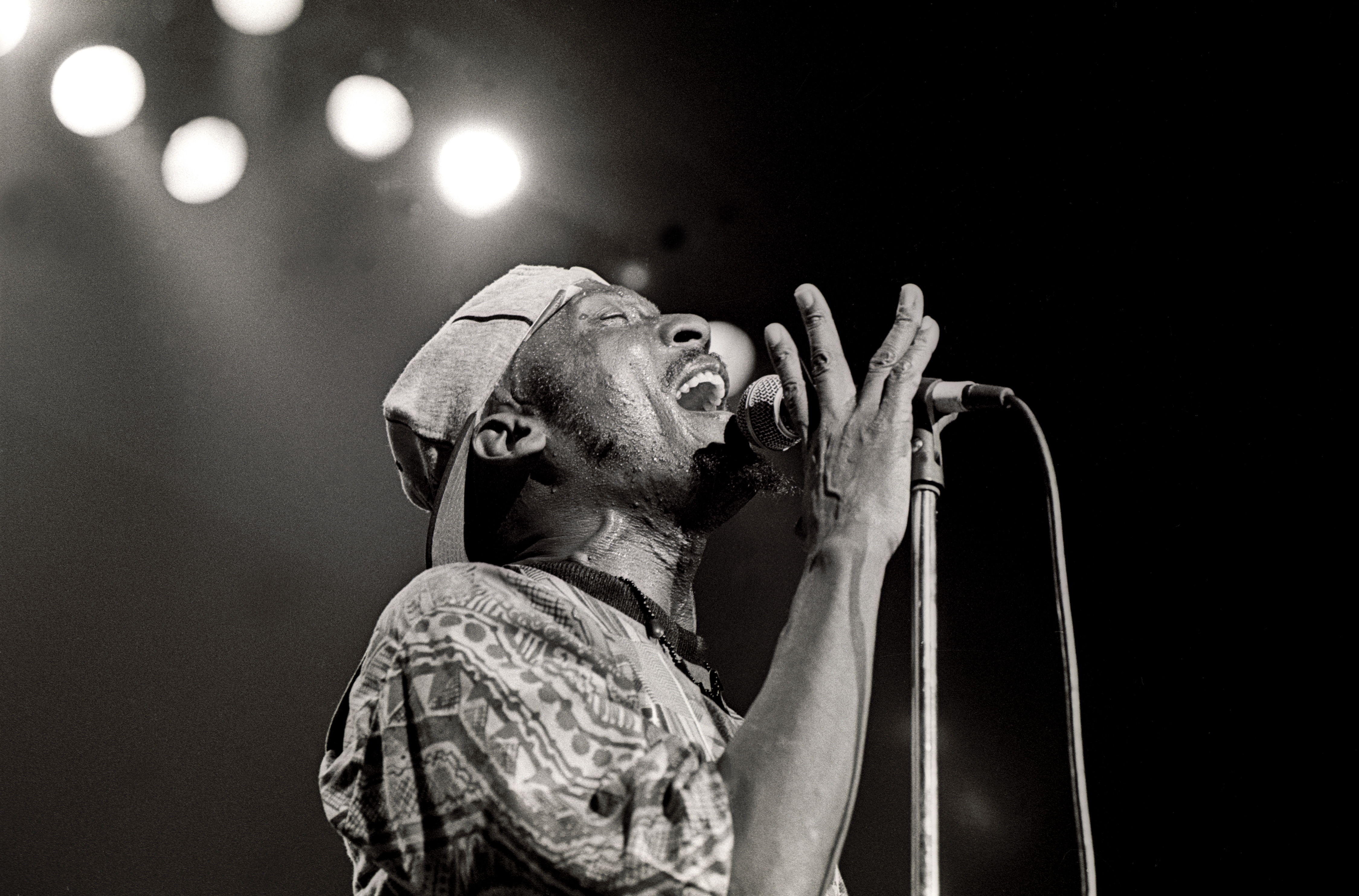
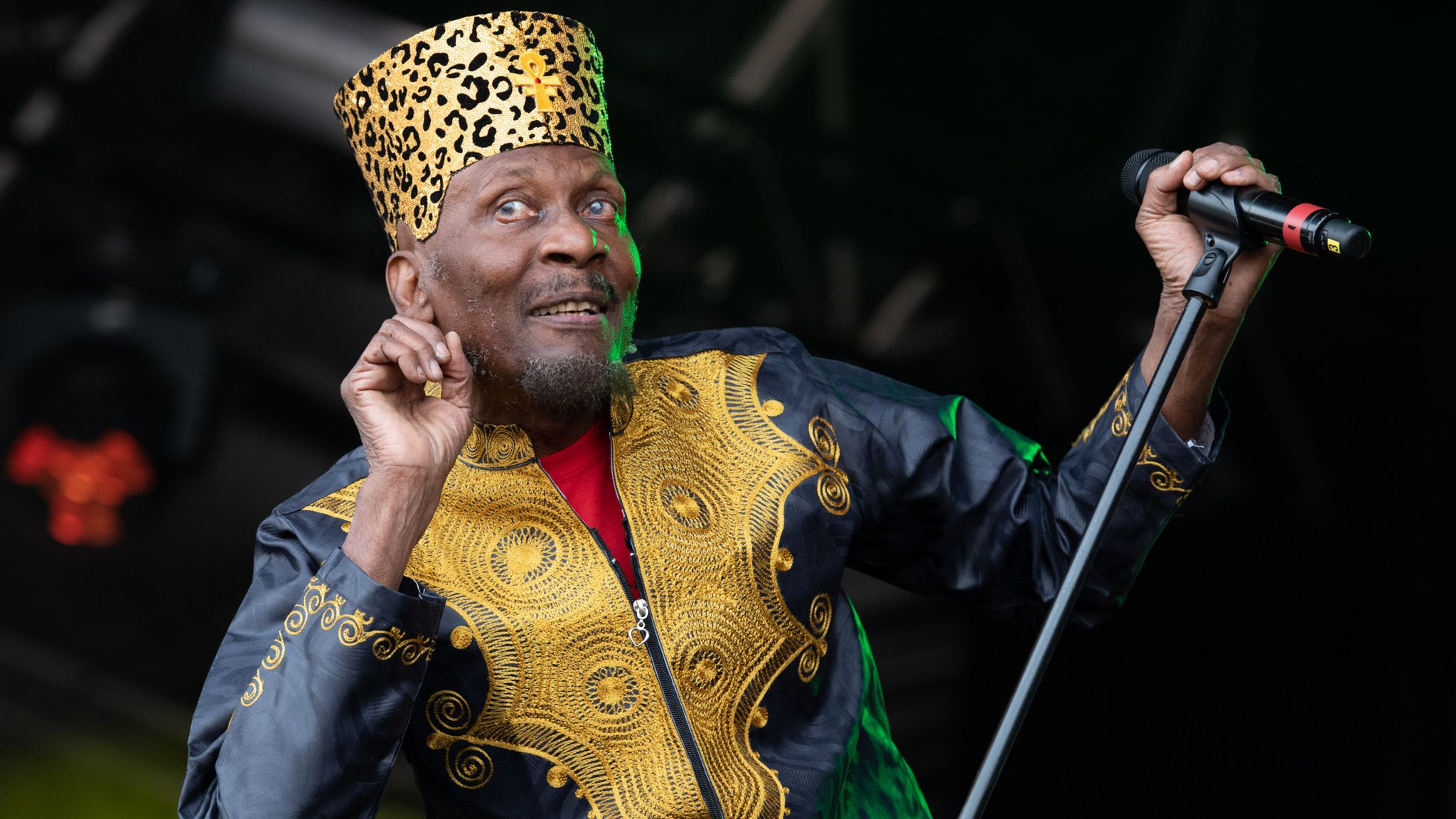
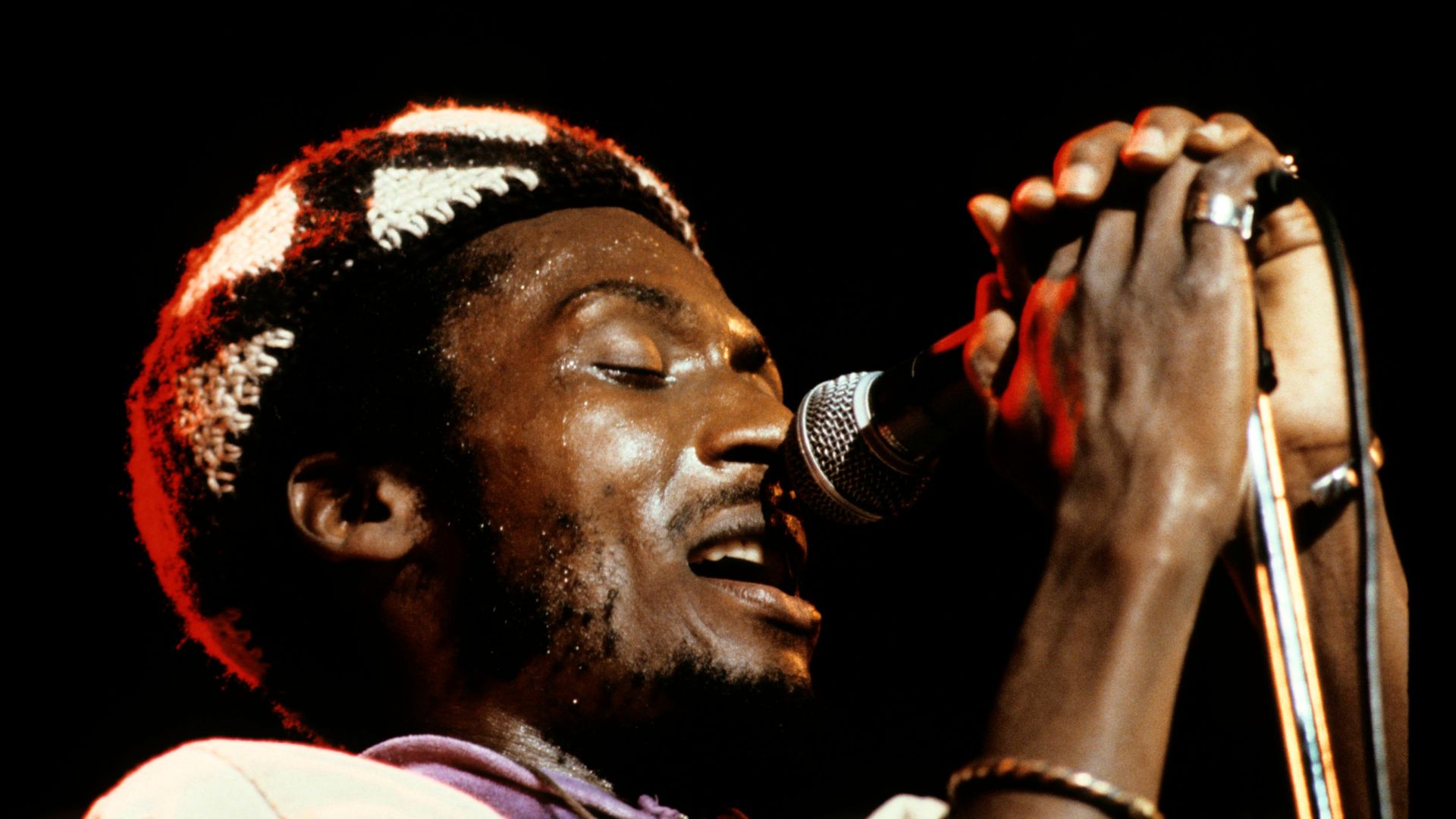
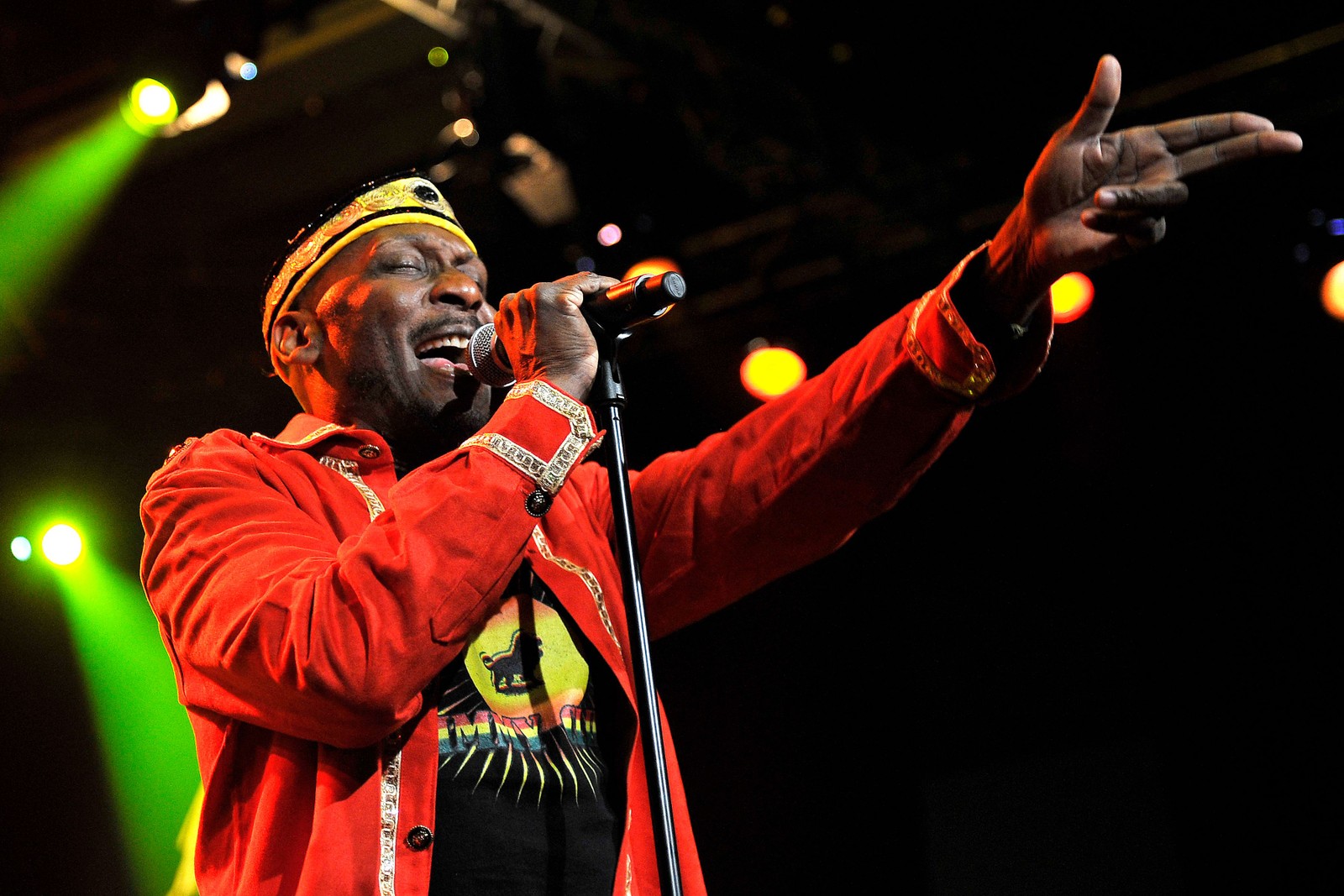
Jimmy Cliff remains a pivotal figure in the evolution of Jamaican music, credited as one of the few living artists who bridges the gap between the ska era of the early 1960s and the global explosion of reggae. His career is defined by an enduring commitment to socially conscious songwriting, an iconic film performance in The Harder They Come, and a unique melodic sensibility that distinguishes him from contemporaries. As of 2026, he is recognized not merely as a performer but as a seminal architect of the roots reggae sound that shaped popular music culture worldwide.
Early Life and the Transition to Kingston
Born James Chambers in Somerton, St. James, Jamaica, in 1944, the future star moved to Kingston as a teenager to pursue his musical aspirations. The transition from the rural parish to the urban center of Kingston provided the necessary environment for his rapid artistic development. Unlike many of his peers who entered the music business through local sound systems, Chambers sought formal industry entry. He famously approached record store owners and producers, eventually recording his first local success, "Daisy Got Me Crazy," while still in his mid-teens.
During this period, the Jamaican music scene was characterized by the high-tempo rhythms of ska. Working under the tutelage of producer Leslie Kong, he adopted the stage name Jimmy Cliff. His early work reflected the optimism of Jamaica’s newfound independence in 1962, though it quickly pivoted toward the soulful, introspective lyrical content that would become his hallmark. This early period was crucial for establishing the professional connections that allowed him to transition into the international market, specifically through his relocation to the United Kingdom in the mid-1960s.
The International Breakthrough and The Harder They Come
The trajectory of Cliff’s career shifted dramatically with the 1972 release of the film The Harder They Come. Directed by Perry Henzell, the film featured Cliff in the lead role of Ivanhoe Martin, a young man who travels to Kingston with dreams of becoming a singer but turns to crime after exploitation by the industry. The film served as a critical vehicle for bringing reggae to an international audience, effectively serving as the genre’s first major global export.
The soundtrack to the film, dominated by Cliff’s performances, is widely regarded as one of the most significant collections in music history. Tracks such as "You Can Get It If You Really Want" and the title song, "The Harder They Come," became anthems of defiance and perseverance. By portraying a character that mirrored the struggles of many Jamaican youth, Cliff provided a voice for the marginalized, moving reggae beyond the dance-hall rhythms and into the realm of poignant social commentary. This period cemented his status as a cultural icon, demonstrating that Jamaican cinema and music could achieve critical and commercial success on a global scale.
Musical Style and Technical Evolution
Jimmy Cliff’s music is characterized by its adaptability. While his foundational work is rooted in rocksteady and ska, his subsequent compositions incorporated elements of soul, R&B, and pop, which facilitated his crossover success. From a technical perspective, his vocal delivery is marked by a distinctive, yearning tone that prioritizes melodic clarity over the percussive, syncopated vocal styles often associated with later dancehall artists.
His songwriting process frequently employs simple, direct lyrical structures that carry complex thematic weight. By avoiding overly cryptic metaphors, he ensured his messages regarding social justice, spirituality, and personal resilience reached a diverse global audience. This accessibility remains a defining feature of his discography. His ability to fuse the rhythmic complexity of reggae drums and bass with the structured arrangement of pop music allowed him to maintain relevance across several decades of industry shifts.
Key Contributions to the Reggae Genre
Cliff’s contributions extend beyond his recordings; he was instrumental in the institutionalization of reggae as a formal genre. During the late 1960s, while living in London, he worked with artists like Cat Stevens and collaborated with producers who were experimenting with slower, more deliberate tempos. This helped refine the transition from the frantic pace of ska to the more deliberate, bass-heavy reggae sound.
The following table summarizes the key developmental phases of his career:
| Period | Primary Focus | Major Milestone |
|---|---|---|
| 1962–1965 | Ska and Bluebeat | Early hits with producer Leslie Kong |
| 1966–1971 | Crossover Soul/Pop | Recording sessions in London and Brazil |
| 1972–1975 | Roots Reggae/Film | The Harder They Come impact |
| 1980s–Present | Global Touring/Legacy | Induction into Rock and Roll Hall of Fame |
Challenges and Industry Resilience
Throughout his career, Jimmy Cliff has navigated the inherent instability of the music industry, particularly for artists from the Caribbean in the 1970s and 1980s. He faced significant challenges related to royalty distribution, creative control, and the tendency of Western record labels to pigeonhole Jamaican artists into specific, limited market segments.
Cliff’s persistence is evidenced by his long-standing independence. He frequently negotiated directly with labels rather than adhering to standard recording contracts, a practice that was unconventional for the era. His experience highlights the systemic hurdles faced by artists who lack strong institutional backing, providing a blueprint for modern independent artists who seek to retain rights to their master recordings. His legal and professional navigation of these issues is as much a part of his legacy as his studio output.
Recognition and Cultural Legacy
In 2010, Jimmy Cliff was inducted into the Rock and Roll Hall of Fame, an acknowledgment of his contribution to popular music that transcends regional boundaries. This honor recognized his role in breaking down racial and geographical barriers in the music industry. His influence is audible in the works of artists ranging from Bob Marley—who was a contemporary—to modern pop and alternative musicians who utilize the reggae "one-drop" rhythm.
His legacy is also preserved through the continued relevance of his early lyrics. Songs like "Many Rivers to Cross" have been covered by numerous artists in genres ranging from jazz to gospel, proving the timeless nature of his compositions. For researchers and music historians, Cliff serves as a primary case study for how global music movements are synthesized and exported, providing a direct link to the foundational years of Jamaica’s modern musical identity.
Frequently Asked Questions
What is the significance of the song "Many Rivers to Cross"?
"Many Rivers to Cross" is considered one of the most profound soul-reggae ballads ever written. It captures the universal experience of struggle, exile, and hope. Its composition marked a shift in Cliff's writing toward a deeper, more vulnerable exploration of personal hardship, which resonated deeply with audiences experiencing the social upheavals of the late 1960s.
Did Jimmy Cliff influence the development of Bob Marley?
While they are often mentioned in the same breath, Cliff was established as an international star before Marley reached global fame. Their careers were parallel, but Cliff’s early work in the UK helped pave the way for the international appetite for Jamaican music that Marley would eventually capitalize on in the mid-1970s.
Is The Harder They Come considered an accurate portrayal of 1970s Jamaica?
The film is recognized as a stylized, fictionalized narrative that captures the sociopolitical environment of 1970s Kingston. While it is not a documentary, it is widely praised by historians for its authentic use of Jamaican Patois, its depiction of the local recording industry's exploitative nature, and its accurate reflection of the urban-rural divide that defined the era.
How does Jimmy Cliff’s sound differ from traditional roots reggae?
Cliff’s sound is notably more eclectic than that of artists like Burning Spear or Culture. He was comfortable incorporating synthesizers, horn sections typical of soul music, and acoustic guitar arrangements. While he is firmly a reggae artist, his production choices were often driven by a desire for international pop appeal, setting him apart from the more insular, traditionalist wings of the genre.
What is the status of Jimmy Cliff’s music in 2026?
As of 2026, Cliff’s discography remains available across all major streaming platforms. His catalog is frequently studied in the context of the globalization of Caribbean music. Collectors continue to seek original vinyl pressings of his early 1970s work, as these recordings remain high-fidelity standards for reggae production.
Recommendations for Further Engagement
To fully appreciate the scope of Jimmy Cliff’s influence, those new to his work should prioritize listening to the The Harder They Come original soundtrack in its entirety rather than individual tracks. This provides the necessary context for how the songs were intended to function as a narrative arc. For those interested in the historical technicalities of the genre, archival interviews from the early 1970s provide valuable insight into the recording techniques used at the Harry J Studios in Kingston. Researchers should also consult the Rock and Roll Hall of Fame archives for official documentation regarding his induction criteria and historical impact.