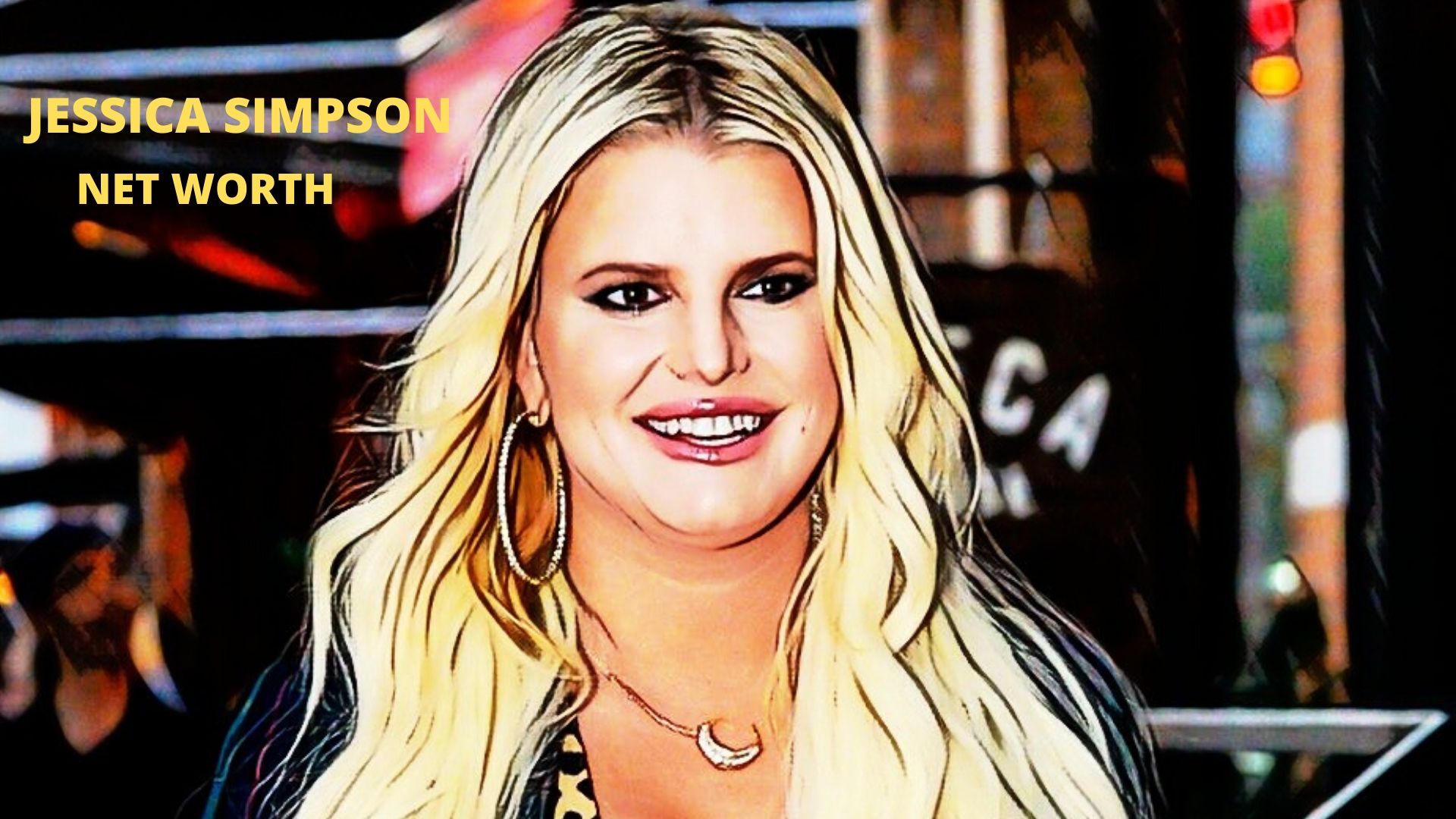
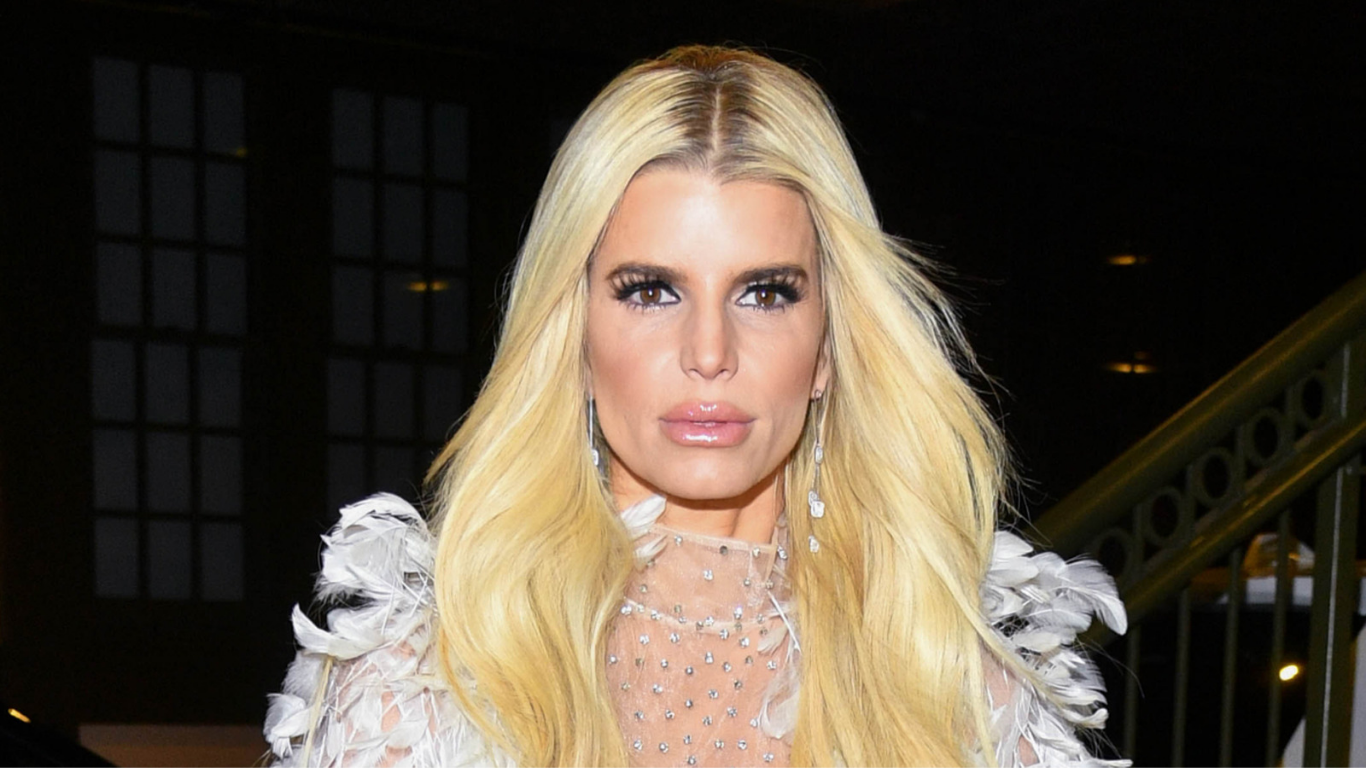
Jessica Simpson’s financial stature in 2026 is defined less by her origins as a pop recording artist and more by the enduring success of the Jessica Simpson Collection. Since regaining full control of her brand in 2021, Simpson has solidified her status as a powerhouse entrepreneur, with her fashion and lifestyle empire serving as the primary driver of her estimated net worth, which is widely valued at approximately $200 million.
The Evolution of the Jessica Simpson Brand
The trajectory of Jessica Simpson’s wealth is a case study in brand evolution and strategic intellectual property management. When the Jessica Simpson Collection launched in 2005, it began as a modest footwear collaboration. Over the following two decades, it expanded into a multi-category lifestyle juggernaut, encompassing apparel, denim, handbags, home decor, and fragrance.
The brand's success stems from its accessibility and target market alignment. By positioning her products as aspirational yet affordable, Simpson effectively captured a broad demographic that allowed the brand to reach annual gross merchandise value (GMV) highs that famously exceeded $1 billion in its peak years before the 2021 acquisition. While retail market fluctuations impact annual revenue, the brand remains a staple in department stores and digital marketplaces, maintaining a consistent stream of royalty and licensing income for the founder.
The Strategic Pivot: Regaining Ownership
A defining moment in Simpson’s financial history occurred in October 2021 when her company, With You, Inc., bought back 100% of the Jessica Simpson Collection from Sequential Brands Group. This transaction was pivotal for her net worth. Prior to the buyback, the brand had navigated the turbulent waters of corporate ownership, including Sequential Brands Group filing for Chapter 11 bankruptcy protection.
By acquiring full ownership, Simpson transitioned from a celebrity face of a licensed product line to a business owner with direct control over operations, design, and profit margins. This shift removed the middleman, allowing her to retain a significantly higher percentage of the revenue generated by the brand’s extensive licensing agreements. In the years since 2021, this control has enabled her to pivot toward more sustainable retail models and deeper creative involvement, which has protected the long-term equity of the label.
Revenue Streams and Business Model Structure
Understanding how Jessica Simpson generates wealth requires an analysis of her multi-tiered business structure. Her earnings are not derived from a single paycheck but from a complex ecosystem of revenue streams:
- Licensing Agreements: The core of the Jessica Simpson Collection is a licensing model. The company does not necessarily manufacture every item; instead, it licenses the brand name to various partners who specialize in categories like eyewear, home textiles, and footwear. Simpson receives a royalty percentage on every unit sold.
- Direct-to-Consumer (DTC) Initiatives: Since regaining ownership, the brand has invested heavily in its digital presence. By selling directly to consumers, the company captures the full retail price rather than splitting margins with third-party retailers, which increases the overall profitability of the enterprise.
- Historical Media and Entertainment Earnings: While music and reality television are no longer her primary sources of income, Simpson’s career in entertainment provided the initial capital and public profile necessary to launch her retail brand. Residuals from her music catalog and her memoir, Open Book, continue to contribute to her diversified income.
Comparative Overview of Income Sources
The following table outlines the primary channels through which Jessica Simpson maintains and grows her financial position.
| Revenue Channel | Nature of Income | Impact on Net Worth |
|---|---|---|
| The Jessica Simpson Collection | Licensing/Royalties | High (Primary driver) |
| DTC E-commerce | Profit Margins | Moderate (Growth focus) |
| Publishing (Memoir) | Advance/Royalties | Low (Steady/Legacy) |
| Entertainment/Brand Legacy | Residuals/Licensing | Low to Moderate |
Market Positioning and Challenges
Operating in the fashion industry for over 20 years presents significant challenges, ranging from shifting consumer tastes to economic downturns that impact luxury and mid-market spending. Simpson’s brand has survived by maintaining a "relatable" image. Unlike high-fashion labels that rely on exclusivity, the Jessica Simpson brand relies on volume and ubiquity.
However, the retail landscape in 2026 is increasingly competitive. The rise of social media-driven fashion brands and the saturation of the influencer-led clothing market require the Jessica Simpson Collection to innovate constantly. The brand has successfully navigated this by diversifying its product range; when footwear sales fluctuate, home decor or activewear segments often balance the bottom line. This diversification is a key component of the brand’s stability and, by extension, the security of Simpson's personal net worth.
Financial Management and Asset Allocation
While the retail empire is the most visible component of her wealth, Simpson’s financial health is also supported by prudent asset management. High-net-worth individuals of her caliber typically employ family offices or specialized wealth management teams to diversify their portfolios outside of their primary business.
This includes real estate holdings—an area where Simpson has historically been active, buying and selling luxury properties in California—and diversified investment portfolios. These holdings act as a hedge against the volatility of the retail industry. For Simpson, the combination of a high-equity business ownership and traditional asset diversification creates a resilient financial foundation that sustains her through market cycles.
Addressing Common Inquiries
How did the bankruptcy of Sequential Brands affect Jessica Simpson’s finances?
The bankruptcy of the company that previously owned her brand was actually a catalyst for her growth. It provided her the legal and financial opportunity to reacquire her own name and brand rights for an undisclosed sum, moving her from a minority stakeholder/licensee to a sole owner.
Does Jessica Simpson still earn money from her music career?
Yes, though it is no longer her primary income source. She retains rights and earns ongoing royalties from her recorded music, which remains a steady, albeit smaller, passive income stream compared to her retail ventures.
Is the Jessica Simpson Collection still profitable in 2026?
Yes. By controlling the supply chain and licensing agreements directly, Simpson has optimized her profit margins. The brand’s ability to remain relevant in the retail space for over two decades indicates a strong, established consumer base that supports recurring profitability.
What is the biggest risk to Jessica Simpson’s net worth?
The primary risk is the reliance on the retail sector, which is subject to economic shifts and changing consumer preferences. Additionally, as a personal brand, the valuation is intrinsically tied to her public persona and the continued appeal of her image.
How does her book impact her financial profile?
Her 2020 memoir, Open Book, was a financial success that bolstered her personal brand equity and opened new avenues for income, including speaking engagements and potential future media projects. While a one-time surge, it contributed to her overall liquidity and brand value.
Next Steps for Stakeholders and Observers
For those interested in the financial mechanics of celebrity entrepreneurs, the Jessica Simpson model offers a clear roadmap: the power of ownership. The transition from an influencer of a brand to the proprietor of a corporation is the most significant step a public figure can take to ensure long-term wealth preservation.
Prospective entrepreneurs should note that the strength of the Jessica Simpson Collection lies in its licensing structure. By focusing on the brand name as an intellectual property asset rather than managing day-to-day manufacturing, Simpson has scaled her business far beyond what a traditional, vertically integrated fashion label could achieve. Observers of this sector should monitor her future digital expansion and potential collaborations, as these will likely be the next indicators of how her brand adapts to the 2027 retail environment.