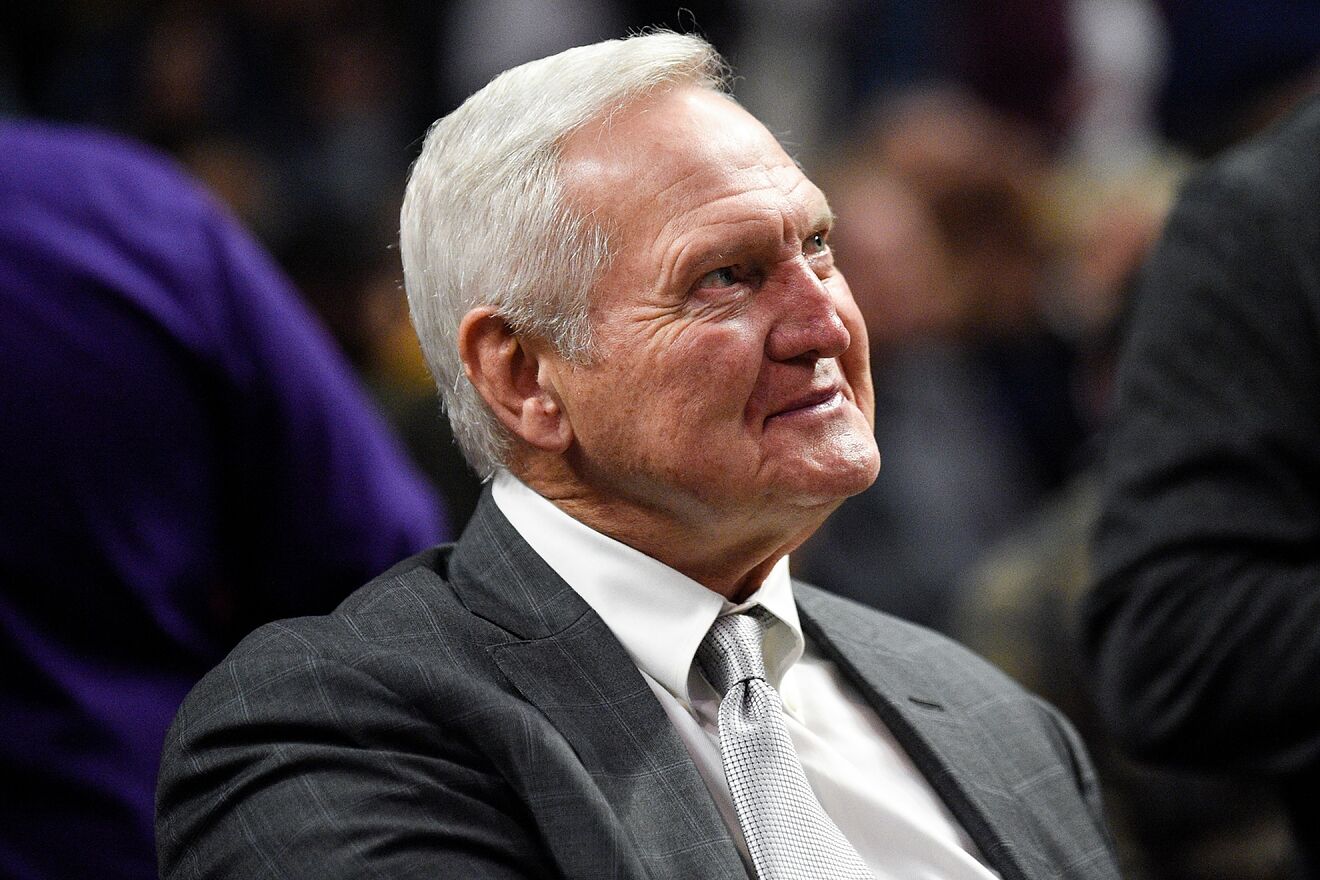
Jerry Stovall is a prominent figure in American college football, recognized primarily for his tenure as an All-American player at Louisiana State University (LSU) and his subsequent long-term career as a coach and administrator. While his professional earnings are rooted in mid-to-late 20th-century athletics, his financial profile is characterized by the structured compensation typical of collegiate coaching and administrative roles rather than the modern-day astronomical contracts seen in professional sports today.
The Foundation of a Collegiate Athletics Career
The financial trajectory of Jerry Stovall began with his emergence as an elite athlete in the early 1960s. Playing as a halfback and defensive back for LSU under legendary coach Paul Dietzel, Stovall was a key component of the 1961 team and achieved significant individual accolades, including being named a consensus All-American in 1962. His early career culminated in being selected second overall in the 1963 NFL Draft by the St. Louis Cardinals.
In the 1960s, NFL salaries were modest compared to contemporary standards. Stovall played nine seasons in the NFL, a respectable length for the era, during which he was a three-time Pro Bowl selection. These professional years provided the initial capital and foundational earnings that established his early financial standing. Unlike modern athletes who benefit from massive television revenue shares and endorsements, Stovall’s professional era was defined by fixed contracts and limited secondary revenue streams.
Transition to Coaching and Administrative Earnings
Following his retirement from professional football in 1971, Stovall pivoted toward coaching, a field where compensation structures differ significantly from player contracts. He joined the coaching staff at LSU, eventually rising to become the head coach from 1980 to 1982.
Coaching compensation in the 1980s for public universities followed strict institutional salary schedules. While head coaching salaries were higher than those of assistants, they did not carry the performance bonuses or massive multi-million dollar buyout clauses prevalent in the mid-2020s. Stovall’s financial profile during this period reflects the standard income of a high-level academic employee in the public sector. His tenure included a notable appearance in the Orange Bowl, which brought prestige to his career but operated under the amateur-focused financial ecosystem of the NCAA at the time.
Assessing Financial Assets and Economic Status
Evaluating the net worth of figures like Stovall requires an understanding of the historical value of dollar figures from the 1960s, 70s, and 80s. When analyzing his financial profile, the primary assets typically include:
- Pension and Retirement Benefits: As a veteran of the NFL and a long-time employee of public university systems, Stovall would have benefited from defined-benefit retirement plans. These are significant, albeit illiquid, assets that provide long-term financial stability.
- Real Estate Holdings: Long-term residents of the Baton Rouge area, where Stovall maintained deep professional and personal roots, often hold their wealth in real estate. Real estate has historically served as a primary hedge against inflation for career athletes who transitioned into stable coaching roles.
- Investments and Private Assets: Financial growth outside of primary salary during the late 20th century typically occurred through conventional investment vehicles such as stocks, bonds, and traditional savings.
It is important to note that public records regarding the net worth of non-celebrity athletes—even those of high stature—are often estimated based on career duration and standard pay scales rather than verified through disclosure. There is no public record of a high-net-worth portfolio, as Stovall did not venture into the highly publicized commercial or entrepreneurial sectors often associated with modern billionaire-status coaches.
Comparative Financial Context: Then vs. Now
To understand the financial profile of Jerry Stovall, it is useful to contrast the earning environments of his era with the current 2026 athletic landscape.
| Era | Primary Income Source | Compensation Structure | Financial Volatility |
|---|---|---|---|
| 1960s–1970s | NFL Playing Contracts | Fixed Salary / Low Bonus | High (Short career spans) |
| 1980s | Collegiate Head Coaching | Academic Salary Scales | Moderate (Tenure-based) |
| 2026 | Modern Sports Management | Multi-year Deals / Incentives | Extremely High (Performance-linked) |
The comparison illustrates that while Stovall was among the elite of his era, the "wealth" generated in the 20th century for coaches and players was fundamentally different in scale. Stovall’s financial security is a product of long-term consistency in the university system rather than a single massive windfall.
Professional Longevity and Financial Sustainability
The stability of Stovall’s finances is largely attributed to his transition from an athlete to an institutional role. In the world of college athletics, those who secure administrative or coaching positions within established university systems often achieve a higher level of long-term economic reliability than those who rely solely on their playing days.
His involvement in university development and athletics administration in the decades following his head coaching tenure allowed for a diversified income stream. University administrators during the late 1990s and early 2000s were typically compensated through salary and benefit packages that included significant health and retirement components, which are vital for maintaining a net worth over a retirement span of several decades.
Frequently Asked Questions
What was the primary source of Jerry Stovall’s wealth?
Jerry Stovall’s wealth is primarily derived from his nine-season career as an NFL player, followed by his multi-decade tenure as a college coach and athletic administrator. His financial profile is representative of high-level, long-term employment within the university and professional sports sectors rather than speculative investments.
How does Jerry Stovall’s compensation compare to modern coaches?
In 2026, collegiate head coaches often command multi-million dollar annual salaries and extensive buyout packages. Stovall’s compensation in the 1980s was based on institutional salary scales for academic staff, which were significantly lower in absolute terms and lacked the performance-based incentives common today.
Does Jerry Stovall have significant commercial assets?
There is no public evidence or record of Jerry Stovall maintaining significant commercial, entertainment, or venture capital assets. His financial profile is primarily tied to traditional assets such as real estate and retirement funds associated with long-term professional service.
Is Jerry Stovall’s net worth publicly disclosed?
As a private citizen and a public university retiree, Jerry Stovall is not required to disclose his personal financial statements or exact net worth. Any figures cited in external media are speculative and should not be treated as official financial records.
What retirement provisions typically apply to individuals with Stovall’s profile?
Individuals who have held long-term roles in both the NFL and public university athletics typically rely on a combination of NFL pension plans—which are structured based on the number of credited seasons—and state-funded university retirement systems. These plans provide a stable, ongoing revenue stream that supports post-career financial health.
Managing Expectations for Historical Financial Records
When researching the financial profiles of sports figures from the 1960s and 80s, it is essential to distinguish between celebrity wealth and professional remuneration. Stovall’s career was marked by prestige and achievement on the field, but it predates the era of massive commercial endorsement deals that define the modern financial profile of sports icons. Consequently, readers should view his financial status as a result of traditional, long-term career planning rather than the high-velocity capital growth seen in the professional sports market of 2026.
For those interested in verifying specific pension details or administrative compensation records, primary sources are limited to the respective retirement boards of the NFL and the university systems where he was employed. Due to privacy laws, these records are generally confidential and not accessible to the general public.