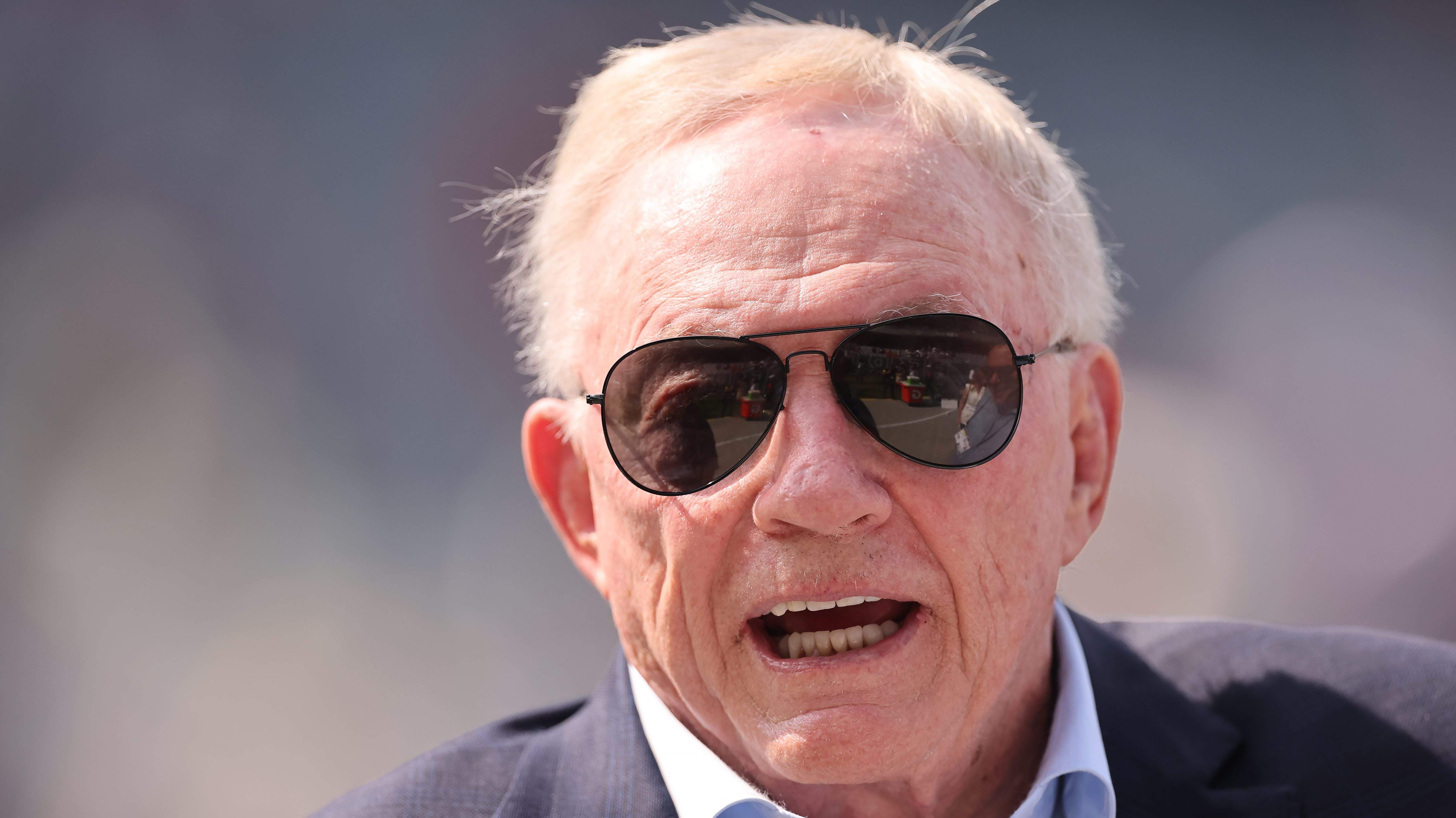
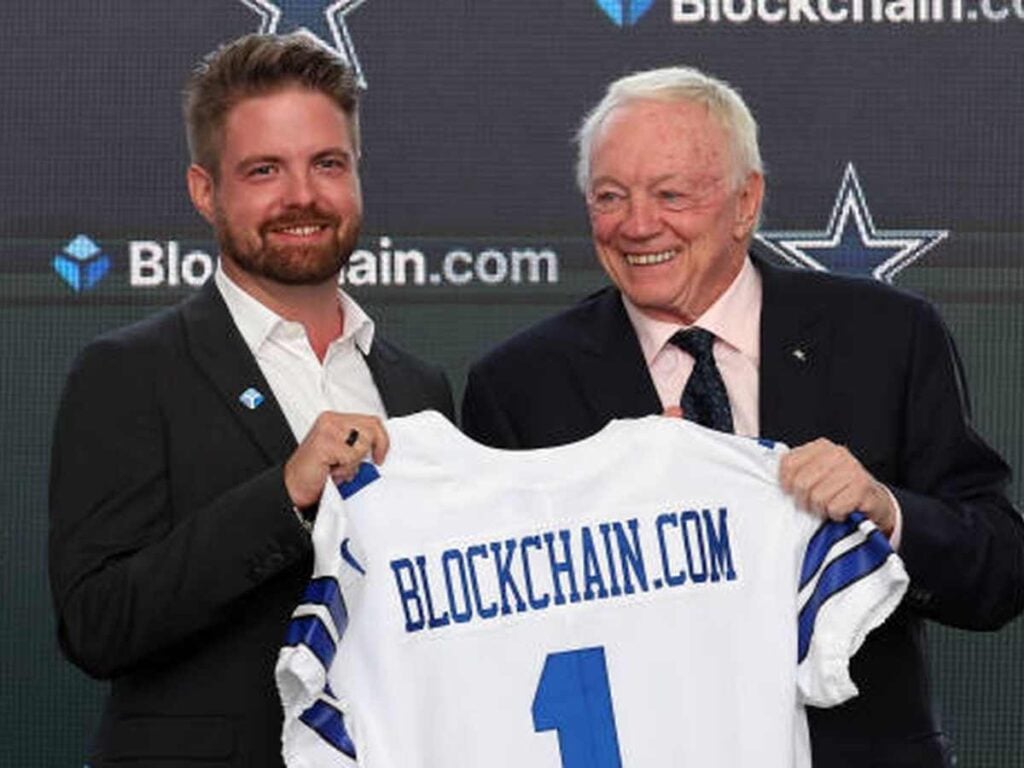
Jerry Jones stands as one of the most recognizable and polarizing figures in American professional sports, serving as the owner, president, and general manager of the Dallas Cowboys since 1989. His tenure has been defined by his transformation of the franchise into a multibillion-dollar commercial powerhouse, characterized by aggressive marketing, modern stadium development, and a hands-on approach to personnel and business operations that has fundamentally altered the landscape of the National Football League.
Early Life and Foundational Business Ventures
Born in 1942, Jerral Wayne Jones grew up in Arkansas, where his early exposure to business came through his parents’ grocery store and insurance company. These formative years provided a practical education in entrepreneurship and fiscal management. Jones attended the University of Arkansas, where he played on the 1964 national championship football team as an offensive lineman. This athletic background instilled in him a competitive intensity that would later characterize his management style in the corporate world.
After graduating, Jones did not immediately enter professional sports. Instead, he pursued a career in the oil and gas industry. He founded Jones Oil and Land Lease in the mid-1970s. Through strategic drilling investments and high-risk, high-reward ventures, he accumulated the capital necessary to eventually enter the professional sports market. His success in the oil patch provided not only the financial liquidity for his future acquisition of the Cowboys but also the experience in resource allocation and risk management that he would later apply to NFL operations.
The Acquisition of the Dallas Cowboys
In February 1989, Jones completed the purchase of the Dallas Cowboys from H.R. "Bum" Bright for approximately $140 million. At the time, the franchise was reportedly losing $1 million per month. The deal was considered audacious by league standards; Jones assumed the debt of the organization and immediately began restructuring its leadership.
His first major decision—firing legendary coach Tom Landry—remains one of the most scrutinized moments in NFL history. This move signaled a definitive break from the past and solidified Jones’s role as the primary decision-maker. Over the following decades, Jones’s operational structure evolved into a unique, highly centralized model. By serving as both owner and general manager, he bypassed the traditional separation of corporate oversight and personnel management, a structure that persists in the 2026 NFL ecosystem despite frequent external debate regarding its long-term efficacy.
Commercial Expansion and Brand Development
Under Jones’s leadership, the Cowboys became a global brand, often referred to as "America's Team." His business strategy focused on maximizing revenue through diversified income streams beyond mere television contracts.
Strategic Revenue Drivers
- Stadium Sponsorships and Events: The construction of AT&T Stadium (opened in 2009) redefined the economics of sports venues. By leveraging the stadium for non-football events, including concerts, collegiate sports, and international soccer matches, Jones created a multi-use revenue engine.
- Integrated Sponsorships: Jones pioneered the "Dallas Cowboys" partnership model, moving beyond generic stadium naming rights to create a luxury ecosystem of corporate sponsors integrated into the team's practice facilities and retail operations.
- Media and Merchandising: Jones was a primary architect of the league’s modern media strategy, pushing for centralized revenue sharing while simultaneously maintaining exclusive local branding rights that allowed the Cowboys to lead the league in merchandise sales consistently.
Financial Standing and Net Worth Profile
As of 2026, Jerry Jones’s net worth is primarily derived from his majority stake in the Dallas Cowboys, which continues to rank as the most valuable sports franchise in the world. While his oil and gas holdings and diversified private equity investments provide steady cash flow, the valuation of the Cowboys—driven by escalating franchise values in the NFL—remains the core component of his total wealth.
The following table provides a breakdown of the primary factors contributing to his financial profile:
| Financial Element | Role in Wealth Accumulation |
|---|---|
| Dallas Cowboys Equity | Primary asset; accounts for the majority of net worth valuation. |
| AT&T Stadium Assets | Real estate and operating revenue from stadium events. |
| Oil and Gas Holdings | Legacy investments providing consistent liquid capital. |
| Commercial Real Estate | Strategic developments surrounding team facilities. |
| Sports Media/Endorsements | Ongoing revenue from licensed Cowboys branding. |
Operational Challenges and Criticisms
Despite the financial success of the franchise, Jones’s tenure has faced significant operational criticism. Since the team’s last Super Bowl victory in the 1995 season, the Cowboys have experienced periods of statistical success followed by playoff-level stagnation. Critics often point to the lack of a traditional front-office structure—where a professional general manager exists independent of the owner—as a primary inhibitor to sustaining deep postseason runs.
Furthermore, Jones’s high-profile presence creates a unique pressure environment for players and coaches. His tendency to speak directly to the media regarding personnel decisions often creates a narrative that overshadows the coaching staff. This dynamic remains a point of contention among analysts, yet Jones maintains that his direct involvement is essential to the organization's unique culture and financial performance.
Legacy and Future Outlook
Entering the 2026 season, Jones shows no signs of relinquishing his dual role as owner and general manager. The franchise has become a multigenerational business, with his children holding executive roles within the organization, indicating a long-term plan for family-led stewardship. His legacy is firmly established as the man who modernized the NFL’s commercial approach, even as the debate over his impact on the team's competitive consistency continues to dominate sports discourse.
Frequently Asked Questions
Does Jerry Jones own any other professional sports teams?
No, Jerry Jones does not own other professional sports teams. His ownership interests are exclusively focused on the Dallas Cowboys and the associated properties, such as the stadium and The Star, the team's headquarters and practice facility in Frisco, Texas.
How has Jerry Jones's net worth changed relative to the NFL?
Jones’s net worth has largely tracked with the explosive growth of NFL franchise valuations. Because he bought the team at a distressed price and oversaw its development into the world’s most valuable sports franchise, his personal wealth has grown in parallel with the league's massive expansion in television and streaming media rights.
Why is Jerry Jones both the owner and the general manager?
Jones believes that the unified authority of owner and general manager allows for more efficient decision-making, particularly concerning large-scale contracts and long-term organizational goals. He argues that this structure prevents the disconnect that can occur between ownership’s financial interests and a general manager’s personnel decisions.
What is the significance of the "Jerry Jones model" for the NFL?
The "Jerry Jones model" refers to the aggressive pursuit of off-field revenue and the centralization of all business and personnel decisions under one person. While few other NFL owners have replicated this exact dual-role structure due to its complexity, many have adopted his aggressive approach to stadium development and brand monetization.
Is Jerry Jones involved in daily business operations in 2026?
Yes, Jones maintains active, daily involvement in both the business operations of the Cowboys and the team's personnel decisions. He participates in scouting meetings, contract negotiations, and the strategic planning of the organization’s commercial real estate ventures.
What is the next phase for the Dallas Cowboys organization?
The organization is currently focused on maximizing the utility of its existing real estate assets and expanding its global brand reach. This includes continuing to host major international events at AT&T Stadium and further developing the "Star" district to integrate the team into the daily commercial life of the North Texas region.
Recommendations for Further Study
To understand the full scope of Jones’s influence, researchers should review the NFL’s official financial disclosures regarding shared and local revenue pools. Additionally, examining the history of league-wide television contracts from 1990 to 2026 provides the necessary context for how Jones’s specific business strategies capitalized on the league’s overall growth.