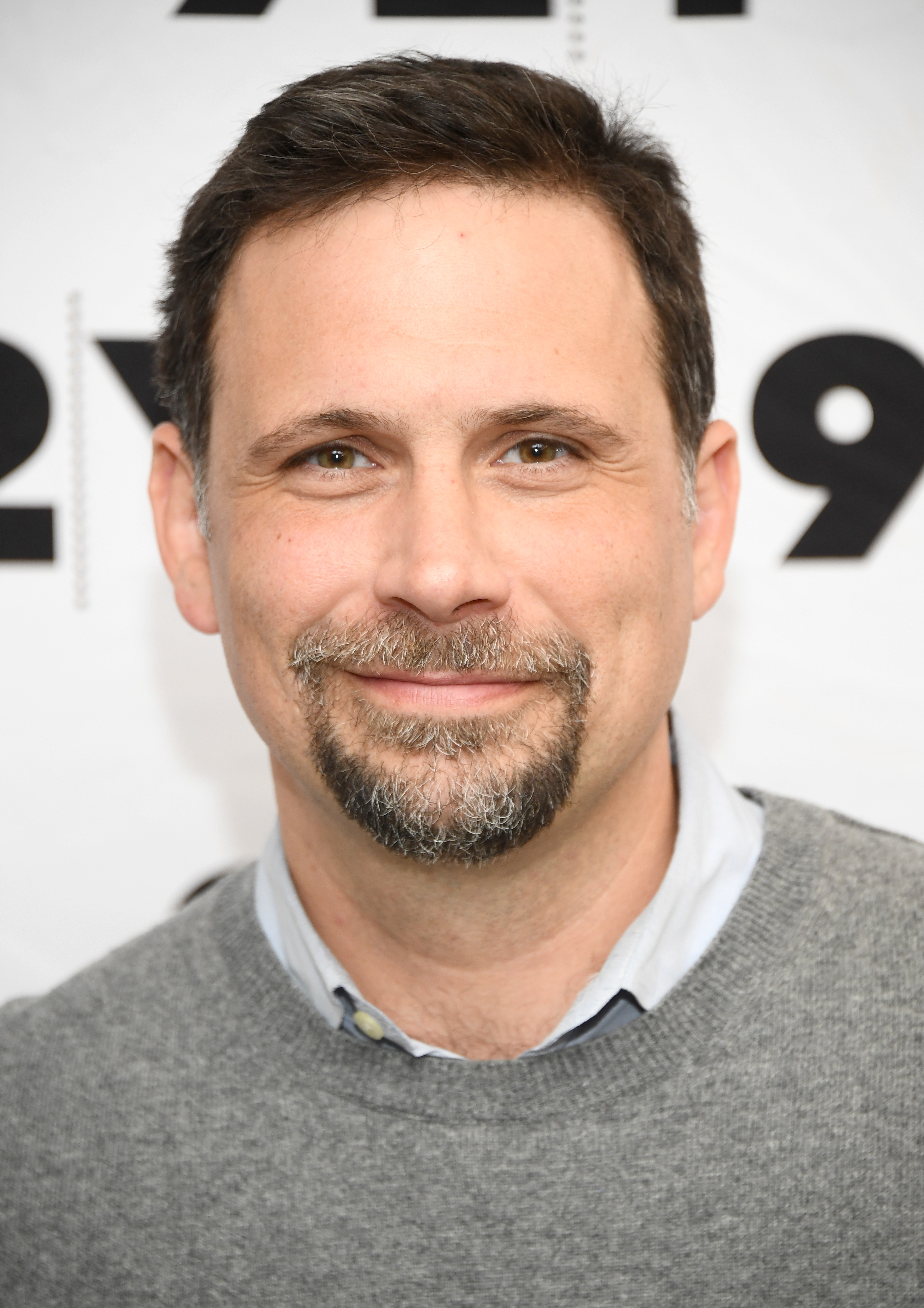
Jeremy Batoff is a recognized professional known for his work in the real estate, hospitality, and investment sectors, particularly within the Baltimore metropolitan area. While specific private net worth figures for individuals in his professional tier are not publicly disclosed in audited financial statements, his wealth is generally categorized as the product of diversified regional real estate development, strategic hospitality partnerships, and long-term asset management within the mid-Atlantic private equity landscape.
The Foundations of a Professional Career
Jeremy Batoff’s career is primarily defined by his ability to bridge the gap between commercial real estate development and the operational requirements of high-end hospitality venues. Unlike traditional investors who focus solely on passive equity, Batoff has often maintained an active, hands-on role in the projects he helps cultivate. His professional trajectory suggests a focus on the adaptive reuse of urban spaces—a common strategy for developers operating in historic cities like Baltimore.
Early in his career, Batoff positioned himself within the intersection of urban redevelopment and community-focused infrastructure. This involved navigating the complex regulatory environments of local zoning boards and historical architectural commissions. By concentrating on high-density areas or neighborhoods undergoing significant transition, he demonstrated a capacity to identify "value-add" opportunities—properties that required renovation or re-imagination to reach their full market potential. This experience established the necessary credentials for his later, larger-scale institutional partnerships.
Core Investment Strategies and Asset Classes
For investors and industry observers, understanding how wealth is generated in this sector requires a look at the specific asset classes Batoff has targeted. His portfolio is not limited to a single sector but reflects a balanced approach to risk management.
Real Estate Development
Real estate remains the primary driver of capital appreciation in his career. His investments often involve the acquisition of undervalued commercial properties with the intent of converting them into mixed-use facilities. The goal here is usually twofold: generating immediate cash flow through commercial leasing and achieving long-term capital gains through property appreciation.
Hospitality and Experience-Based Assets
Hospitality investments are significantly more volatile than core commercial real estate, yet they offer higher potential returns. Batoff’s involvement in the hospitality industry relies on the concept of "placemaking"—creating environments that attract steady foot traffic, which in turn elevates the value of the underlying real estate. By integrating food and beverage operations or experiential retail into his developments, he ensures that the properties remain relevant in an increasingly digital-first economy.
Private Equity and Joint Ventures
Rather than deploying capital in isolation, Batoff frequently utilizes joint venture structures. This approach allows for the pooling of resources with other institutional or private investors, which serves to mitigate the risk associated with any individual development project. These partnerships often rely on a clear division of labor where Batoff may handle site selection and development oversight, while partners provide the liquidity or operational expertise required for project execution.
Evaluating Market Influence and Financial Standing
Estimating the "net worth" of private investors like Jeremy Batoff involves analyzing their involvement in specific ventures rather than accessing personal balance sheets. In the context of 2026, his financial standing is best viewed through the health of his active projects and the valuation of the firms he represents.
The following table categorizes the typical components of a professional profile similar to Batoff’s, illustrating how value is extracted from different business models.
| Component | Nature of Investment | Primary Revenue Stream | Risk Profile |
|---|---|---|---|
| Commercial Real Estate | Long-term asset holding | Rental income and appreciation | Moderate |
| Hospitality Ops | Active management/Equity | Operating margins and service revenue | High |
| Urban Redevelopment | Speculative construction | Development fees and capital gains | Very High |
| Joint Venture Equity | Passive/Active participation | Dividend distributions and exits | Variable |
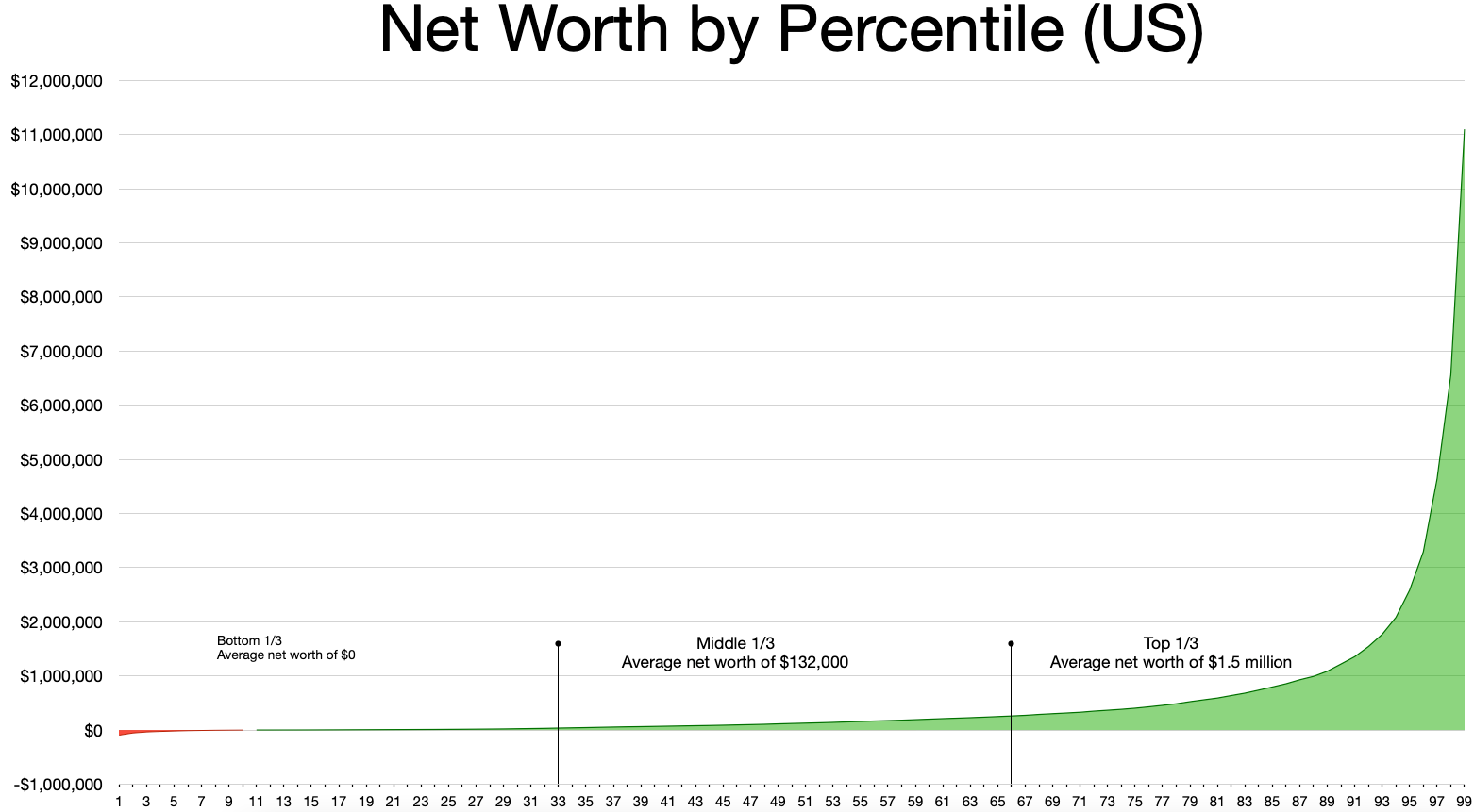
This structure highlights that net worth in this niche is not liquid cash but rather "paper wealth" tied up in illiquid assets. A change in interest rates or shifts in the local commercial real estate market can cause significant fluctuations in the valuation of these holdings.
Addressing Market Volatility and Risk Management
Success in the Baltimore real estate market, or any major regional hub, necessitates a sophisticated understanding of macro-economic conditions. As of 2026, developers are grappling with high construction costs and shifts in office space utilization. Jeremy Batoff’s career demonstrates a pivot toward resilience, prioritizing assets that are less sensitive to office-sector declines, such as residential or entertainment-anchored retail.
Investors in this space manage risk through several mechanisms:
- Debt Stacking: Utilizing different layers of financing (senior debt, mezzanine financing, and equity) to optimize the cost of capital.
- Geographic Diversification: While heavily rooted in Baltimore, expanding or diversifying into surrounding regional markets to avoid concentration risk.
- Lease Structure: Utilizing triple-net leases (NNN) where possible to shift the burden of property taxes, insurance, and maintenance to the tenant, thereby stabilizing income.
Frequently Asked Questions
What is the primary source of Jeremy Batoff’s wealth?
His wealth is primarily derived from commercial real estate development and the strategic operation of hospitality and entertainment assets. These ventures rely on property appreciation, development fees, and active management of business operations within those properties.
Is Jeremy Batoff’s wealth publicly documented?
No. Because his investments are held through private companies, limited liability corporations (LLCs), and private equity partnerships, there are no public SEC filings or audited reports that provide an accurate, itemized net worth statement.
How does he manage risk in his real estate projects?
He typically employs joint venture structures and focuses on "value-add" properties. By partnering with other investors and carefully choosing projects with high potential for revitalization, he limits his personal exposure while maintaining an equity stake in the upside.
What has been the impact of the 2026 economic environment on his portfolio?
Like many developers, his portfolio is subject to the broader pressures of the 2026 economy, specifically regarding interest rates and construction material costs. He manages this by favoring projects with shorter development lifecycles or those that serve essential, non-discretionary sectors.
How does his background in hospitality influence his real estate strategy?
His hospitality experience ensures that his real estate developments are designed with user experience in mind. Rather than focusing solely on square footage, he integrates amenities and functional design that maximize the long-term desirability of the property for tenants and visitors alike.
Strategic Outlook and Future Directions
For those following the career of Jeremy Batoff, the most significant indicator of future performance will be his ability to adapt to the changing urban landscape. As cities continue to emphasize walkable, mixed-use environments, his focus on hospitality-infused real estate places him in a potentially advantageous position. The key to sustaining and growing wealth in this sector throughout 2026 and beyond will be the precise execution of development timelines and the careful selection of high-yield partners.
Professional development in this field is rarely about quick wins; it is about the patient accumulation of assets that serve the community while providing long-term equity growth. Investors or partners looking to understand his trajectory should watch for new development announcements and shifts in his portfolio toward emerging neighborhood demographics, as these usually signal his next major capital deployment.