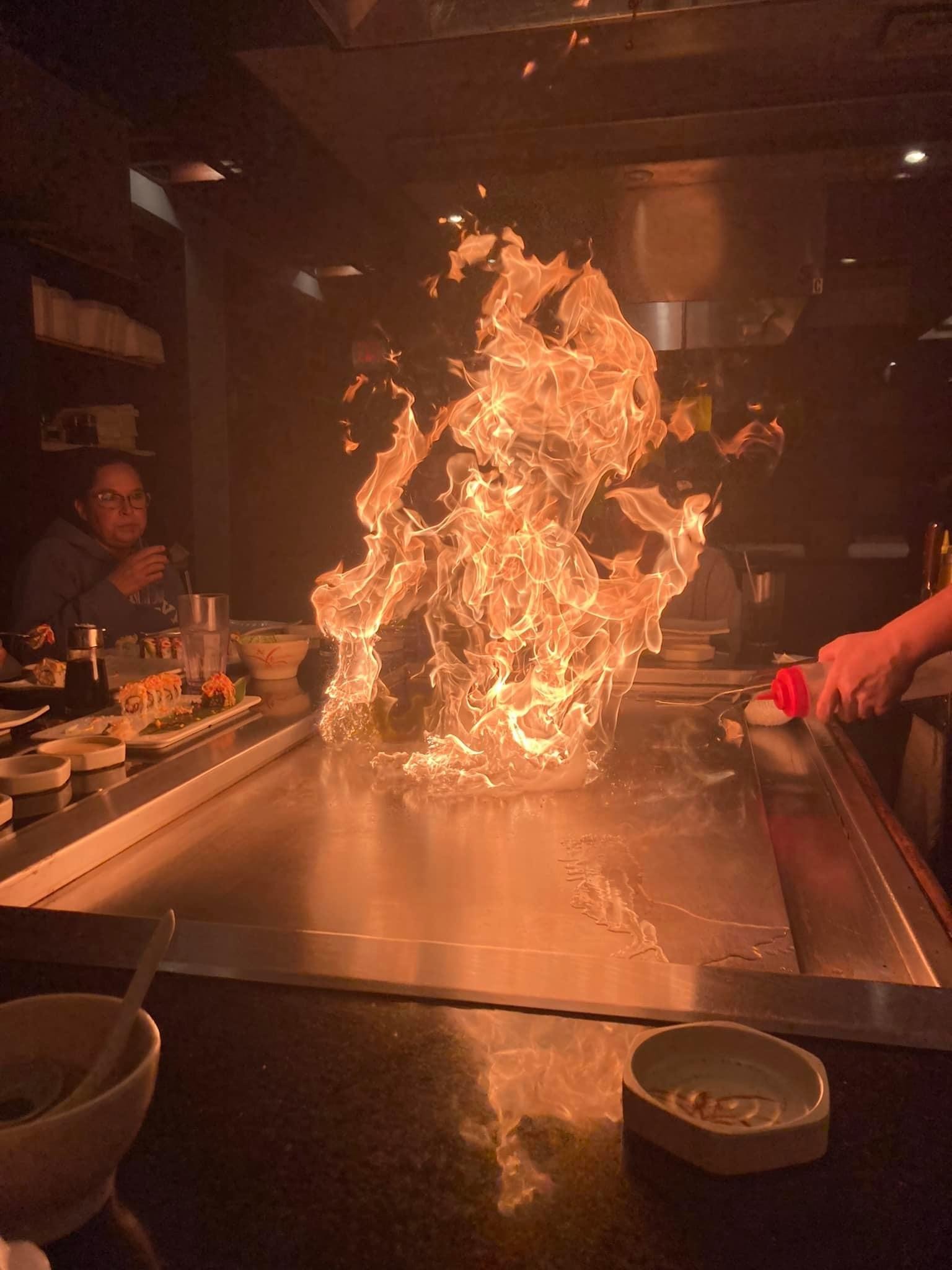
As Central Ohio’s corporate expansion accelerates into late 2026, premier hospitality hubs across Franklin County are reporting a dramatic structural pivot within the Japanese steakhouse columbus ohio market, driven by shifting demographic wealth, volatile import costs for A5 Wagyu, and a record demand for elevated culinary experiences.
Observing the current market trend, traditional "flaming onion" hibachi establishments are increasingly revamping their business models. High-end teppanyaki lounges and omakase-style steak concepts are now outperforming legacy family-style venues in revenue per available seat.
Key Highlights: Central Ohio Japanese Steakhouse Sector (2026 Data)
| Market Metric | Legacy Hibachi Concept | Modern High-End Teppanyaki | Sector Impact / Driver |
|---|---|---|---|
| Average Ticket (Per Head) | $38.50 – $48.00 | $85.00 – $165.00+ | Shift toward premium protein cuts & rare sake |
| Key Demographics | Large family groups, celebrations | Corporate diners, culinary enthusiasts | Tech corridor growth (Dublin, Easton, New Albany) |
| Primary Culinary Focus | Interactive onion tricks, theatrical cooking | Precision sear, dry-aged Wagyu, tableside omakase | Consumer demand for authentic ingredient quality |
| Reservation Lead Time | 1 to 3 Days | 14 to 30 Days | High demand for limited seating in prime zones |
The Catalyst: Why the Japanese Steakhouse Columbus Ohio Landscape is Surging Now
Industry telemetry indicates that Central Ohio's hospitality sector is undergoing a major luxury shift. The rapid influx of tech sector executives and specialized talent into suburban hubs like Dublin, New Albany, and Polaris has altered local dining expenditures.
Legacy hibachi spots along Bethel Road and the Morse Road commercial corridor are restructuring to meet this elite demand. Consumers are actively moving away from theatrical, sauce-heavy showmanship in favor of hyper-curated dining experiences featuring verified Japanese beef provenance.
Concurrently, global supply constraints on Japanese Black cattle (Kuroge Washu) have pushed regional operators to re-evaluate their menu architectures. Restaurant owners are replacing high-volume, lower-margin beef options with traceable Miyazaki and Kagoshima cuts served on precision stainless-steel teppan surfaces.
Expert Analysis & Implications: Margin Shifts and the Culinary Split
Reports from the field indicate a widening operational divide between standard entertainment venues and luxury teppanyaki establishments. Rising commercial real estate leases in high-traffic corridors like Short North and Easton Town Center have forced operators to maximize yield per square foot.
For decades, the standard operation for a Japanese steakhouse in Columbus relied on high-occupancy communal tables and rapid turnover. Today, modern inflation dynamics make that model increasingly difficult to sustain without sharp price increases.
[Legacy Mass-Market Hibachi] ---> High Overhead / Low Margin per Table (Squeezed by Inflation) [Modern Teppanyaki Omakase] ---> Low Overhead / High Margin per Seat (Driven by Tech Influx)
"The market is telling us that performance alone no longer justifies a $50-per-plate tab," notes one Midwest hospitality analyst monitoring regional expansion. "Diners in the Columbus metro area are demanding culinary rigor, single-origin ingredients, and elevated beverage pairings over simple tabletop pyrotechnics."
Furthermore, labor dynamics have altered kitchen operations. The industry is currently facing a localized shortage of veteran teppan chefs capable of delivering high-level knife skills alongside master-level butchery, driving wages up by 18% over the past 24 months.
Consumer Guide: Strategic Reservation and Dining Selection in Central Ohio
For diners navigating the changing landscape, securing seats at top-rated locations requires advance planning due to shifting operational hours and heightened demand.
Navigating Dining Tiers
- The Luxury Teppanyaki Tier (Dublin & Short North): Ideal for corporate events and private dining. Features certified A5 Olive Wagyu, extensive craft sake flights, and strict seating times. Pro-Tip: Book 21 to 30 days out via direct reservation platforms.
- The Suburban Enterprise Tier (Polaris & Easton): Blends traditional family hibachi entertainment with updated prime steak offerings. Offers larger communal tables and expanded children’s menus. Pro-Tip: Weekday early-evening slots offer the best availability for walk-ins.
- The Legacy Corridor (Bethel Road Hubs): Focuses on deep cultural roots, expansive sushi bar integration, and traditional teppanyaki formats. Known for consistent volume and broad menu variety.
Insider Booking Protocols
- Verify Sourcing: Confirm whether the venue serves real A5 Japanese Wagyu or domestic American Wagyu hybrids to ensure accurate pricing expectations.
- Check Table Minimums: High-end venues in Columbus now frequently enforce minimum spend thresholds for private teppan booths during Friday and Saturday dinner services.
- Dietary Adaptations: Modern teppanyaki kitchens now offer dedicated gluten-free tamari and separate cooking zones upon advance request.
The Road Ahead: Future Trends in Central Ohio's Japanese Dining Sector
Looking toward late 2026 and early 2027, the regional market will likely see further consolidation. Independent operators will need to either double down on ultra-premium dining or adapt their formats to fast-casual hibachi concepts to survive rising operating costs.
Industry forecasts suggest that at least three new high-concept Japanese steakhouses will break ground in the greater Columbus area before the end of the fiscal year. These concepts are expected to fully integrate smokeless teppan technology and automated tableside wine preservation systems.
As Central Ohio solidifies its position as a Midwest economic engine, the evolution of its Japanese steakhouse market serves as a key indicator of broader luxury dining trends nationwide.