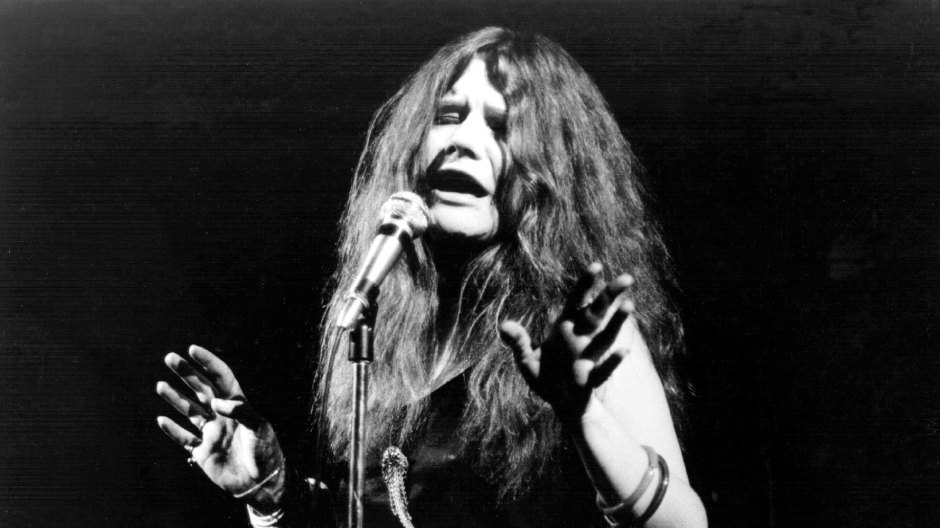
Janis Joplin was a transformative figure in 1960s rock music, celebrated for her raw, blues-infused vocal power and unrestrained performance style. Rising from the counterculture scene in San Francisco, she became the first female rock superstar, shattering conventions before her untimely death in 1970. Her brief but explosive career permanently altered the landscape of popular music and gender roles in the industry.
Early Life and Musical Foundations
Born on January 19, 1943, in Port Arthur, Texas, Janis Lyn Joplin grew up in a traditional middle-class environment that often clashed with her nonconformist temperament. Influenced early on by blues singers such as Bessie Smith, Odetta, and Big Mama Thornton, Joplin developed a vocal technique characterized by a gravelly texture, wide dynamic range, and intense emotional vulnerability. Her desire to escape the social pressures of East Texas led her to briefly attend Lamar State College of Technology and later the University of Texas at Austin, where she performed in folk groups and began immersing herself in the beatnik subculture.
In 1963, Joplin moved to San Francisco, a city that was rapidly becoming the epicenter of the psychedelic rock movement. Although she struggled with substance use and personal instability during her early years, her musical talent caught the attention of the local scene. She returned to Texas in 1965 to stabilize her life but found herself drawn back to California in 1966, prompted by an invitation to join a burgeoning psychedelic rock band known as Big Brother and the Holding Company.
The Rise of Big Brother and the Holding Company
Joplin’s tenure with Big Brother and the Holding Company marked her transition from a regional performer to a national sensation. Their breakthrough performance at the 1967 Monterey Pop Festival shocked audiences who were unaccustomed to such a visceral, unpolished, and intensely physical stage presence. Her rendition of “Ball and Chain” remains one of the most significant musical moments of the decade, cementing her reputation as a powerhouse vocalist who could command a stage with unparalleled raw energy.
The band’s 1968 album Cheap Thrills—which featured the iconic tracks “Piece of My Heart” and “Summertime”—propelled Joplin into the stratosphere of fame. Despite the commercial success, creative tensions and the disparity between the band’s technical limitations and Joplin’s rising star power led to her departure in late 1968. She sought a more disciplined musical backing, hoping to explore soul and R&B elements more deeply, which prompted the formation of her own backing groups.
Career Evolution: Solo Projects and Technical Mastery
Following her exit from Big Brother, Joplin embarked on a solo career that prioritized technical growth and genre exploration. She collaborated with the Kozmic Blues Band for her 1969 solo album, I Got Dem Ol' Kozmic Blues Again Mama!, which leaned heavily into brass-heavy soul and blues arrangements. While the album received mixed critical reception at the time, it showcased her ability to move beyond the psychedelic rock framework that defined her early success.
In 1970, she assembled the Full Tilt Boogie Band, a group that provided the tight, professional backing she had long desired. This period represented her most polished musical output. The sessions for her final studio album, Pearl, were marked by newfound creative focus and optimism. Songs like “Me and Bobby McGee” and “Mercedes Benz” highlighted her versatility as an interpreter of both traditional blues and contemporary songwriting.
Notable Musical Milestones
| Album Title | Release Year | Primary Genre | Significance |
|---|---|---|---|
| Big Brother & The Holding Company | 1967 | Psychedelic Rock | Debut studio recording |
| Cheap Thrills | 1968 | Psychedelic Blues | Commercial breakout success |
| I Got Dem Ol' Kozmic Blues Again Mama! | 1969 | Soul / Blues Rock | First solo studio project |
| Pearl | 1971 | Blues / Roots Rock | Posthumous masterpiece |
Personal Struggles and the Impact of Early Death
Joplin’s public persona of the uninhibited, hard-drinking rock star often obscured a deeply sensitive and complex individual. Throughout her career, she struggled with long-term addiction to heroin and alcohol. These challenges created a cycle of professional instability and physical decline. On October 4, 1970, at the age of 27, Joplin was found dead in her hotel room in Los Angeles due to an accidental heroin overdose.
Her passing, occurring shortly after that of Jimi Hendrix and within months of Jim Morrison’s death, signaled the end of an era for the 1960s counterculture. The posthumous release of Pearl in 1971 became a massive critical and commercial success, reaching number one on the Billboard 200 and serving as a poignant final testament to her vocal capabilities.
Legacy and Cultural Impact
The legacy of Janis Joplin extends far beyond her hit records. She is credited with redefining the role of women in rock and roll, proving that female performers could be as aggressive, bluesy, and commanding as their male counterparts. Her influence can be heard in subsequent generations of singers who favor emotional authenticity over vocal perfection.
In 1995, Joplin was inducted into the Rock and Roll Hall of Fame, and in 2005, she received a Grammy Lifetime Achievement Award. Her image—often defined by her flamboyant fashion, feather boas, and distinctive hair—remains a recognizable symbol of the 1960s aesthetic. Her biography continues to be studied as a primary example of both the creative heights and the tragic personal costs associated with the rapid rise to fame during the mid-20th century.
Frequently Asked Questions
What was the significance of Janis Joplin’s performance at the Monterey Pop Festival?
The 1967 Monterey Pop Festival served as the launchpad for Joplin's career. Her raw and emotionally explosive vocal style, particularly on the song "Ball and Chain," contrasted sharply with the more reserved performances typical of the era, making her an immediate icon of the burgeoning psychedelic rock movement.
Why is her final album titled "Pearl"?
"Pearl" was the nickname given to Joplin by her friends and fellow musicians. The album, which was released posthumously in 1971, is considered her artistic peak, featuring some of her most iconic vocal performances and commercially successful tracks.
How did Joplin impact future generations of musicians?
Joplin broke the mold for female vocalists in rock, moving away from the "girl group" polish of the early 60s toward a gritty, uninhibited style. Her influence is explicitly cited by artists ranging from Florence Welch to Pink, who credit her with paving the way for women to express unfiltered vulnerability and aggression on stage.
Are there any official locations or archives dedicated to her history?
While there is no single museum dedicated exclusively to her, the Museum of the Gulf Coast in Port Arthur, Texas, houses a dedicated exhibit featuring memorabilia, photographs, and personal items that document her early life and career transition from Texas to California.
Recommendations for Further Research
For those interested in a deeper study of Joplin’s life, the authorized documentary Janis: Little Girl Blue (2015) provides a detailed look at her personal correspondence and concert footage. Readers seeking a scholarly understanding of her career may also consult contemporary musicology texts that focus on the intersection of the blues revival and 1960s California rock music, which provide context on the technical aspects of her vocal arrangements.