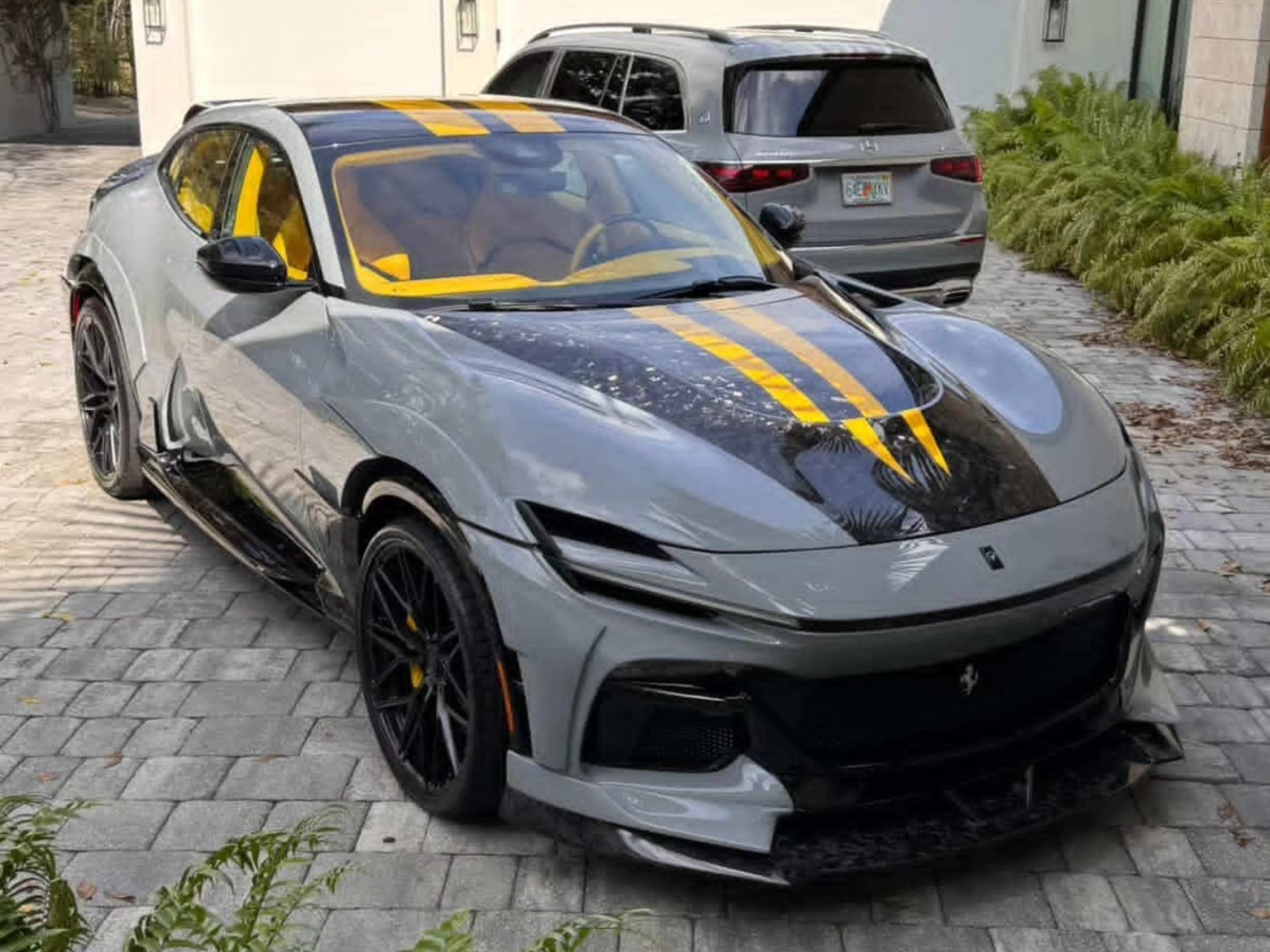
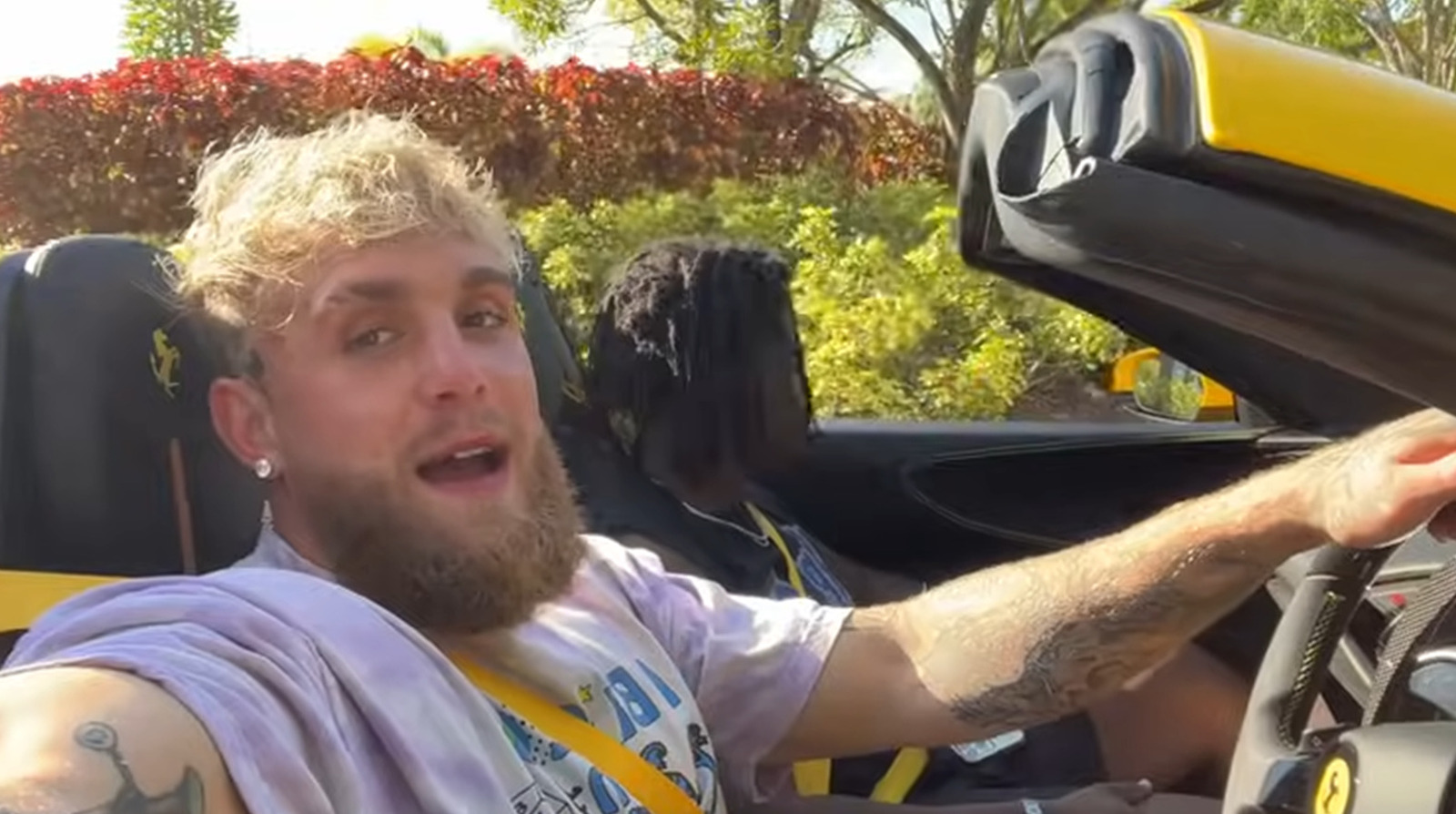
Jake Paul, a prominent figure in the professional boxing and digital content creation space, maintains a high-profile vehicle collection that reflects his career trajectory. His garage has evolved from entry-level luxury vehicles to high-performance supercars and custom-modified machines, often utilized for content creation, public appearances, and personal transportation. The collection serves as an extension of his public brand, blending performance engineering with personalized aesthetic modifications.
The Evolution of a High-Performance Garage
The automotive choices of professional athletes and entertainers often mirror their rise in financial standing and public exposure. For Jake Paul, his vehicle acquisition has consistently trended toward high-horsepower engines, Italian and German engineering, and bespoke customization. Unlike traditional collectors who may focus on vintage preservation, Paul’s approach centers on modern, attention-grabbing platforms.
In the early stages of his career, vehicles were often selected for their presence and social media engagement potential. As his professional boxing career matured, the focus shifted toward more substantial investments in established performance marques. This transition is marked by the presence of vehicles that prioritize track-ready capabilities or significant street presence, often involving aftermarket modifications to wheels, wraps, and performance tuning to differentiate his assets from factory-standard production models.
Notable Vehicles in the Collection
While personal vehicle collections are fluid and subject to change based on market conditions and personal preference, certain models have become synonymous with Jake Paul’s public persona. These vehicles represent a mix of internal combustion performance and aesthetic statement pieces.
- Ferrari 296 GTB: As a hallmark of modern hybrid performance, this vehicle represents a shift toward electrification-assisted power in the supercar segment.
- Lamborghini Huracán: Frequently associated with various custom wraps and aesthetic modifications, this model has served as a staple for his high-visibility appearances.
- Rolls-Royce Cullinan: Often chosen by high-net-worth individuals for comfort and presence, this SUV provides a contrast to his track-focused supercars.
- Tesla Model X: Selected for its utility and innovative door architecture, this vehicle showcases a practical approach to daily driving despite its performance capabilities.
The maintenance of such a collection requires specialized care, including professional detailing, high-performance tire management, and insurance coverage tailored to high-value, high-risk assets. Because these vehicles are frequently used in public environments, the financial requirements extend beyond the initial purchase price to include significant premiums for luxury vehicle insurance and the potential for rapid depreciation on modified assets.
Comparative Analysis of Key Performance Assets
To understand the scope of a collection of this caliber, it is useful to compare the categories of vehicles commonly held by high-profile personalities. The following table provides a breakdown of the typical utility and market positioning of vehicles similar to those in the Paul collection.
| Vehicle Type | Primary Use Case | Performance Focus | Market Positioning |
|---|---|---|---|
| Supercar (e.g., Ferrari) | Track/Exhibition | High Acceleration | Luxury/Prestige |
| Luxury SUV (e.g., Rolls-Royce) | Comfort/Daily | Stability/Interior | Executive/Flagship |
| Electric Performance | Daily/Innovation | Instant Torque | Modern/Tech-Forward |
| Sports Coupe | Enthusiast Driving | Handling/Agility | Performance/Sport |
The Impact of Customization on Value
Customization, while vital for branding, introduces complexities in the secondary market. Vehicles that have undergone significant non-factory modifications—such as custom wraps, aftermarket body kits, or non-factory wheel fitments—often experience different depreciation curves compared to stock examples.
For a collector or a high-profile individual, these modifications are treated as business expenses or marketing assets rather than traditional investments. However, from a mechanical perspective, any aftermarket modification—especially those affecting the engine mapping or suspension geometry—can influence the long-term reliability and factory warranty status of the vehicle. Owners must balance the desire for a unique visual identity with the technical realities of maintaining complex, high-performance computer-controlled automotive systems.
Maintenance and Operational Requirements
Owning a stable of high-performance vehicles necessitates a strict maintenance regimen. Modern supercars are rarely designed for high-mileage daily use; they require specialized services such as carbon-ceramic brake inspections, multi-stage paint protection, and complex software updates.
- Scheduled Servicing: Adherence to the manufacturer’s intervals is critical. Ignoring these leads to significant loss of value and potential catastrophic failure in forced-induction or hybrid systems.
- Storage Environment: Climate-controlled environments are essential to prevent rubber degradation and battery health decline, particularly in luxury vehicles that may sit for extended periods between film projects or training camps.
- Tire Management: Performance tires, particularly those on supercars, have a limited lifespan and are sensitive to temperature and road surface conditions. Regular replacement is a recurring cost that is often underestimated by new enthusiasts.
Addressing Common Queries
What is the most iconic car currently associated with Jake Paul?
The Lamborghini Huracán is widely considered the most iconic vehicle associated with his early professional rise. It has been frequently showcased in video content with various aesthetic modifications that align with his personal branding.
Do professional athletes modify their vehicles for performance or aesthetics?
Most high-profile individuals focus on aesthetic modifications like wraps, tinting, and aftermarket wheels. While performance tuning does occur, it is often secondary to the visual impact intended for media production and public appearances.
How does vehicle insurance work for high-end collections?
Insurance for luxury or exotic vehicles requires specialized policies that account for the high cost of replacement parts and the rarity of the vehicles. Owners typically work with underwriters who specialize in high-net-worth assets to ensure that coverage includes incidents occurring on both public roads and, where applicable, private tracks.
Is the value of a modified car higher than a stock version?
Generally, no. In the automotive market, a vehicle in "factory-original" condition usually retains its value better than a modified one. Customizations are often seen as personal choices that may not appeal to the broader market, and permanent modifications can void factory warranties.
How are these vehicles maintained during travel?
High-profile individuals typically employ professional detailers and automotive logistics companies to ensure their vehicles are stored, transported, and serviced by certified technicians regardless of the owner’s location.
Next Steps for Automotive Enthusiasts
If you are looking to replicate the style or performance level of a collection like this, prioritize the foundation before the modification. Ensure you have secured appropriate garage space with climate control and established a relationship with a high-end service center capable of handling modern supercar electronics. Begin with one high-performance platform that fits your primary use case—be it a daily luxury SUV for comfort or a mid-engine coupe for driving dynamics—and research the specific maintenance lifecycle of that make and model. Always factor in the cost of ownership, which typically exceeds the purchase price by a significant margin due to premium fuel, specialized insurance, and intensive maintenance requirements.