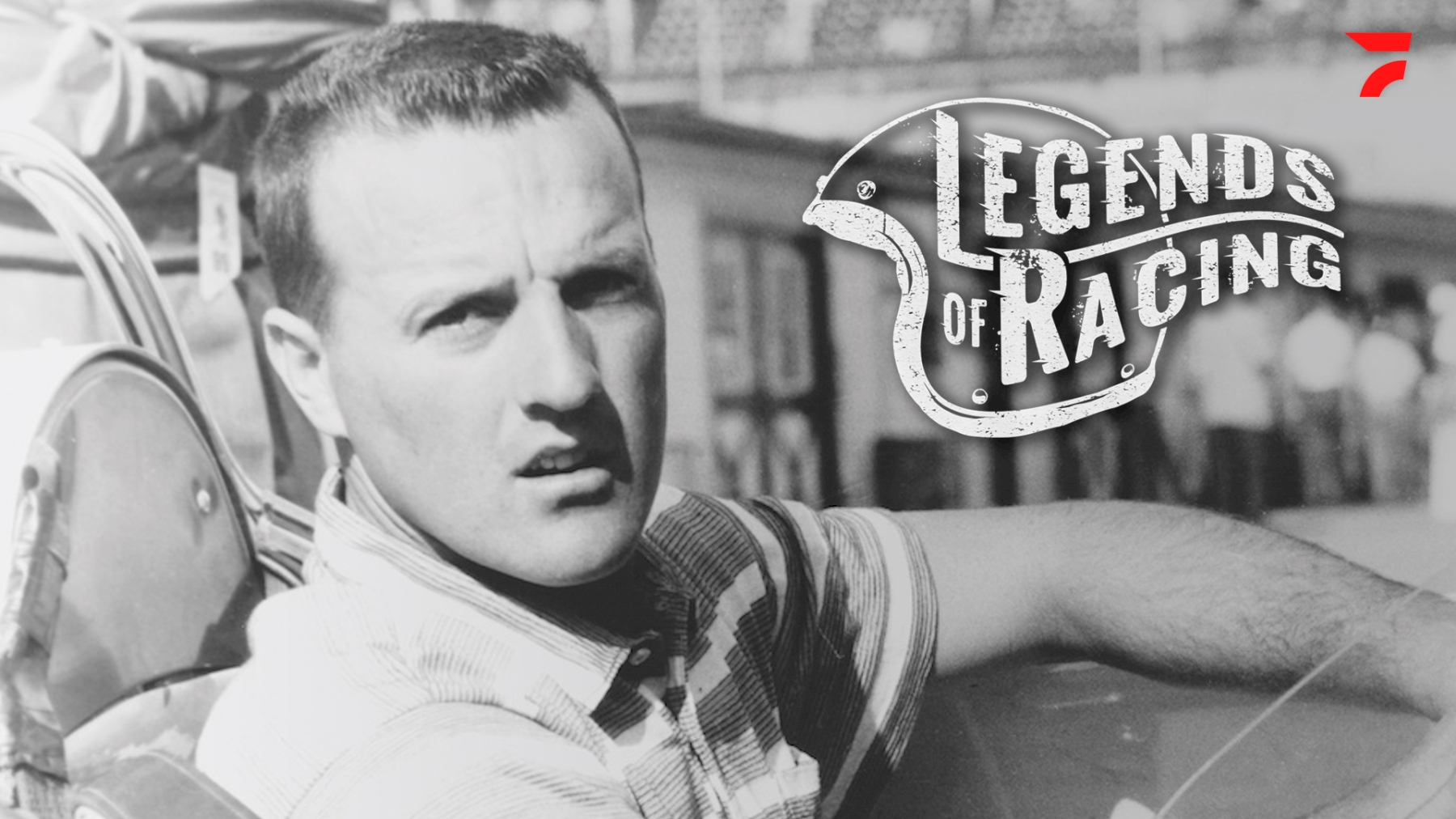
A.J. Foyt Enterprises represents the longest-running active team in the NTT IndyCar Series, transitioning from a legacy of mid-century grit to a modern powerhouse of technical innovation. In 2026, the organization stands as a prime example of how a historic racing entity can reinvent itself through strategic technical alliances, advanced data analytics, and the integration of sophisticated hybrid propulsion systems.
The name A.J. Foyt is synonymous with American open-wheel racing. However, the team’s current status in 2026 is defined less by the trophies of the 1960s and more by the "Innovation Unleashed" initiative that began several seasons ago. This initiative focused on bridge-building between traditional mechanical engineering and the digital-first era of modern motorsports. By modernizing their operations in Waller, Texas, and Indianapolis, the team has successfully closed the gap between independent "underdog" status and consistent podium contention.
The Legacy of the "Super Tex": Foundations of Foyt Enterprises
To understand the innovation unleashed by the team today, one must first recognize the foundation laid by Anthony Joseph Foyt Jr. Founded in 1965, A.J. Foyt Enterprises was born from the desire of the first four-time Indianapolis 500 winner to control his own destiny. For decades, the team operated on a philosophy of mechanical intuition—a "seat of the pants" approach that relied on A.J.’s legendary ability to feel the car’s limits.
Throughout the late 20th century, the team secured five IndyCar championships and multiple Indy 500 victories. However, as the sport transitioned into the high-technology era of the 2010s, the traditional methods began to face the "diminishing returns" of pure mechanical adjustment. The shift toward computational fluid dynamics (CFD), high-fidelity simulation, and multi-channel telemetry required a cultural evolution within the Waller-based shop.
By the early 2020s, the leadership under Larry Foyt recognized that to honor the legacy of the #14, the team had to embrace the same aggressive pursuit of technical superiority that A.J. displayed as a driver. This realization set the stage for the most significant restructuring in the team’s sixty-year history, leading to the current 2026 performance levels.
Strategic Alliances: The Catalyst for Modern Performance
The most pivotal moment in the team’s recent history was the establishment of a technical alliance with Team Penske. This partnership, which matured significantly by the 2025 and 2026 seasons, allowed Foyt Enterprises to access high-level damper development and simulation data that was previously the exclusive domain of the "Big Three" teams.
This alliance did not merely involve purchasing parts; it involved a deep integration of engineering philosophies. Foyt engineers began working alongside Penske's technical department to understand the nuances of the Dallara IR-18 chassis's aero-elasticity and weight distribution. This collaboration unleashed a level of consistency that had eluded the team for years.
Key Benefits of the Technical Alliance:
- Damper Programs: Access to world-class shock absorber technology, which is the primary "black art" of modern IndyCar racing.
- Data Sharing: Comparative telemetry analysis that allows Foyt drivers to benchmark their performance against championship-winning data sets.
- Simulation Cycles: Use of Driver-in-the-Loop (DIL) simulators to refine setups before the car ever hits the pavement, saving valuable track time and tire allotments.
Technical Innovation: Unleashing Performance in the Hybrid Era
The 2026 IndyCar season operates deep within the hybrid engine era, utilizing the 2.2-liter twin-turbo V6 power units paired with specialized Energy Recovery Systems (ERS). For a team like A.J. Foyt Enterprises, the mastery of this hybrid system has been the cornerstone of their "Innovation Unleashed" philosophy.
The hybrid system presents a unique challenge: balancing the traditional internal combustion engine (ICE) output with the deployment and harvesting of electrical energy. Foyt’s engineering team, led by seasoned veterans and a new wave of data scientists, has focused heavily on the software mapping of these units. The goal is to maximize "push-to-pass" efficiency while maintaining chassis balance during high-torque electrical deployment.
Furthermore, the team has invested heavily in proprietary data visualization tools. These tools allow race engineers to process thousands of data points per second, identifying micro-trends in tire degradation and fuel consumption. In the high-stakes environment of the Indianapolis 500, these innovations have allowed the Foyt cars to remain at the sharp end of the grid, competing directly with manufacturer-backed efforts.
Comparison of Evolutionary Eras in Foyt Racing
The following table illustrates the shift from the team's traditional roots to the innovative standards maintained in 2026.
| Feature | The Classic Era (1965–1999) | The Innovation Era (2020–2026) |
|---|---|---|
| Primary Tuning Tool | Driver Feedback & Stopwatches | DIL Simulation & Real-time Telemetry |
| Engineering Focus | Mechanical Grip & Engine Displacement | Aero-mapping & Hybrid Energy Management |
| Data Channels | Basic RPM & Oil Pressure | 200+ Sensors including Tire Infrared |
| Development Style | In-house Fabrication | Technical Alliances & Computational Analysis |
| Power Unit | Naturally Aspirated V8s / Turbos | 2.2L Twin-Turbo V6 Hybrid ERS |
| Strategy Logic | Intuition & Track Position | Predictive AI & Probability Modeling |
Leadership and Logistics: Operating a Top-Tier Organization
A.J. Foyt Enterprises operates out of two primary locations: the original headquarters in Waller, Texas, and a secondary race shop in Indianapolis, Indiana. This dual-base strategy is essential for the logistical demands of the 2026 schedule. The Indianapolis shop serves as the hub for the "Month of May" and mid-season Midwest races, while the Texas facility focuses on long-term R&D and fabrication.
Larry Foyt’s role as Team President has been instrumental in navigating this transition. By balancing his father’s "never-give-up" attitude with a modern corporate structure, he has secured long-term sponsorships that provide the financial stability required for continuous innovation. The team’s ability to attract top-tier engineering talent is a direct result of this stability and the visible improvements in on-track performance.
Personnel management has also seen an "unleashed" approach. The team now employs dedicated performance analysts who do not travel to the tracks but instead work from a "mission control" environment in the shop, feeding live data to the pit wall. This allows the trackside engineers to focus on immediate tactical decisions while the remote team handles deep-dive technical troubleshooting.
Driver Development and the 2026 Roster
In 2026, the driver lineup for A.J. Foyt Enterprises reflects a blend of aggressive youth and calculated experience. The team has moved away from the "pay driver" model that sometimes hampered progress in the past, instead focusing on athletes who can provide the precise technical feedback required by the new hybrid systems.
The #14 car remains the flagship of the organization, often piloted by a driver capable of exploiting the technical gains made through the Penske alliance. The team’s secondary and tertiary entries are used as platforms for both consistent points-scoring and the development of future stars. By integrating the drivers into the simulation process early in the off-season, Foyt Enterprises ensures that the human element is perfectly synced with the technological "unleashing" of the car's potential.
The 2026 season has seen the team achieve a level of qualifying prowess that was previously elusive. Through the use of advanced qualifying-specific aero-kits and "super-cooled" ERS units, the Foyt cars are now frequent participants in the "Fast Six" shootouts on road and street courses, proving that their innovation is not limited to the ovals of Indiana and Texas.
Optimizing the Future of American Motorsports
The trajectory of A.J. Foyt Enterprises serves as a blueprint for legacy teams in any sport. Innovation is not about discarding history; it is about using that history as a catalyst for future technology. As the team looks toward the late 2020s, the focus remains on three core pillars:
- Sustainability: Exploring renewable fuels and more efficient manufacturing processes within the Waller shop.
- Autonomous Integration: Utilizing AI to assist in pit stop timing and race strategy simulations.
- Fan Engagement: Using augmented reality (AR) to bring fans closer to the technical side of the #14 garage, sharing the story of the team’s "unleashed" innovation.
By staying true to the grit of A.J. Foyt while embracing the complexities of modern engineering, the team has ensured that the Foyt name will remain a dominant force in racing for decades to come.
Frequently Asked Questions
What was the "Innovation Unleashed" initiative?
The initiative was a multi-year strategic overhaul of A.J. Foyt Enterprises designed to modernize their engineering department. It involved a technical alliance with Team Penske, an investment in advanced simulation tools, and a shift toward data-driven race strategies to compete with the sport's larger, multi-car teams.
How has the hybrid engine changed Foyt's racing strategy in 2026?
The hybrid era, which began in 2024 and reached maturity by 2026, requires teams to manage electrical energy harvesting and deployment. Foyt Enterprises uses specialized software to optimize when to use the ERS boost, particularly on restarts and during overtaking maneuvers, making energy management as critical as fuel saving.
Is A.J. Foyt still involved in the team's daily operations?
While Larry Foyt handles the majority of the team's executive and operational duties, A.J. Foyt remains the team owner and a regular presence at the track, particularly for the Indianapolis 500. His role has transitioned to a high-level advisor, providing the competitive fire that drives the team's culture.
Where are A.J. Foyt Enterprises' cars built?
The cars are built and maintained across two facilities. The primary research, development, and long-term fabrication occur at the team's headquarters in Waller, Texas. The Indianapolis facility handles much of the race-to-race preparation and serves as the primary base for the personnel during the busiest parts of the NTT IndyCar Series season.
How can fans follow the team’s technical progress?
Fans can follow the team through the official A.J. Foyt Racing website and social media channels, which frequently feature "behind-the-scenes" looks at their engineering processes. Additionally, the IndyCar mobile app provides live telemetry for the #14 and other team cars during race weekends.
Engaging with the Foyt Legacy and Future
For those looking to deeper understand the intersection of racing history and modern technology, attending an NTT IndyCar Series event in 2026 is the best way to witness Foyt’s "Innovation Unleashed" firsthand. Observers should pay close attention to the team’s performance on high-speed ovals and technical street circuits, where the fruits of their technical alliance and hybrid mastery are most visible. Supporting the team through official merchandise or following their technical blogs provides insight into how one of racing's greatest names continues to evolve in a rapidly changing technological landscape.