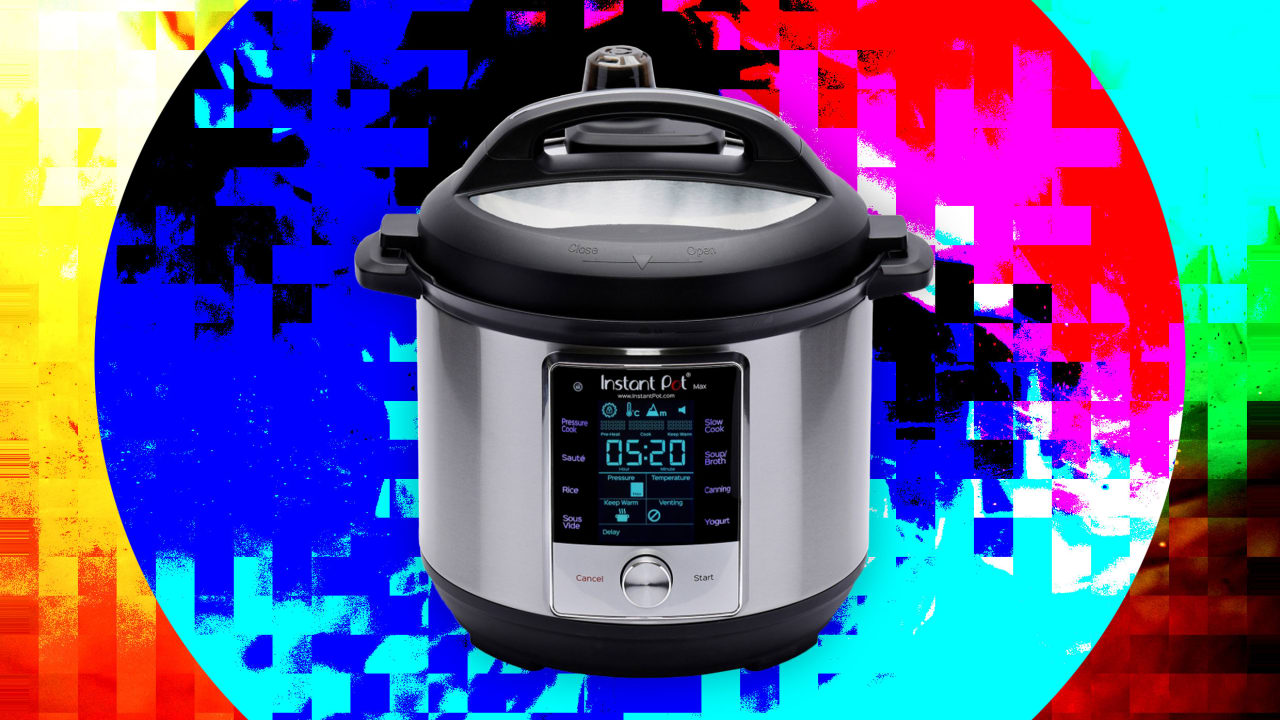
As of 2026, the estimated net worth of Instant Pot founder Robert Wang (also known as Yi Wang) sits between $50 million and $100 million. While he was the primary architect of the brand's meteoric rise, his personal wealth was largely solidified through the 2019 merger with Corelle Brands, occurring before the company’s subsequent financial restructuring in 2023.
The Architect of the Kitchen Revolution: Who is Robert Wang?
Robert Wang’s journey to becoming a household name in the culinary world is unconventional. Unlike many leaders in the kitchenware industry, Wang did not start as a chef or a retail executive. He holds a PhD in Computer Science with a specialization in Artificial Intelligence (AI) from the University of Essex. Before conceptualizing the Instant Pot, Wang spent years in the tech sector, developing messaging software and infrastructure.
The genesis of the Instant Pot came from a personal need. As a busy professional and a father, Wang found it difficult to balance a demanding career with the desire to provide healthy, home-cooked meals for his family. In 2008, after being laid off from a tech startup, he invested approximately $350,000 of his own savings to start Double Insight, the original parent company of Instant Pot.
Wang’s technical background was instrumental in the product's design. He viewed the challenge of pressure cooking not as a culinary problem, but as a sensor and algorithmic problem. By using microprocessors to monitor temperature and pressure, Wang created a device that eliminated the safety fears associated with traditional stovetop pressure cookers. This "tech-first" approach allowed the Instant Pot to be marketed as a smart, multi-functional tool rather than just another pot.
The Rise of Double Insight and the Amazon Strategy
Double Insight, headquartered in Ottawa, Canada, operated with a lean team for years. Between 2009 and 2010, Wang and his partners developed the first models of the Instant Pot. The initial reception was lukewarm; traditional retail buyers were skeptical of a high-tech pressure cooker. This skepticism forced Wang to pivot to a digital-first strategy, specifically focusing on Amazon.
The "Amazon effect" became the foundation of Wang's success. Instead of spending millions on traditional television or print advertising, Double Insight sent units to hundreds of food bloggers and influencers. This created a self-sustaining ecosystem of user-generated content, recipes, and reviews. By 2016, the Instant Pot had become a viral sensation, often breaking sales records during Amazon Prime Day.
Financially, the company’s growth was staggering. Double Insight remained a private entity, meaning its exact profit margins were not public, but industry analysts estimated the company was generating hundreds of millions in annual revenue by 2018. Wang’s ability to scale the company without significant venture capital funding meant he retained a massive majority of the equity, which would later prove vital to his personal net worth.
The 2019 Merger: A Pivotal Liquidity Event
The most significant contributor to Robert Wang’s net worth was the 2019 merger between Double Insight and Corelle Brands, a company controlled by the private equity firm Cornell Capital. Corelle Brands, known for iconic names like Pyrex and CorningWare, sought to modernize its portfolio by acquiring the high-growth Instant Pot brand.
While the exact terms of the deal were not disclosed, financial reports and industry valuations at the time estimated the transaction valued the combined entity in the range of several hundred million dollars. For Robert Wang, this was a "liquidity event." He transitioned from being the CEO of a private startup to the Chief Innovation Officer of the newly formed Instant Brands.
This merger allowed Wang to cash out a significant portion of his equity. Even if he retained a minority stake in the merged company, the cash component of such a deal typically ensures the founder's financial security regardless of the company's future performance. In 2026, we look back at this 2019 window as the peak of the brand's valuation and the primary source of Wang’s current wealth.
The 2023 Bankruptcy and Corporate Restructuring
The financial landscape for the Instant Pot brand changed drastically after 2021. Following the COVID-19 pandemic—a period where kitchen appliance sales surged—the market hit a saturation point. Additionally, rising interest rates and supply chain disruptions placed immense pressure on Instant Brands' debt-heavy capital structure.
In June 2023, Instant Brands filed for Chapter 11 bankruptcy protection. The filing revealed that the company had over $500 million in debt. Many observers questioned how a brand so popular could fail so quickly. The answer lay in the "one-hit-wonder" trap: the Instant Pot was so durable and effective that customers didn't need to buy a second one, and the company struggled to find a follow-up product with the same level of market penetration.
By early 2024, the company was restructured. The "Instant" brand was acquired by Centre Lane Partners, an investment firm, while the housewares division (Corelle, Pyrex) was separated. It is important to note that Robert Wang was no longer at the helm of the company during this downfall. Having stepped back from day-to-day operations following the merger, his personal assets were largely protected from the corporate bankruptcy.
Robert Wang’s Estimated Net Worth and Facts in 2026
Calculating the net worth of a private individual who does not lead a public company involves analyzing historical earnings and investment potential. Wang’s fortune is composed of his 2019 payout, subsequent salary as an executive, and his diversified investment portfolio.
| Fact Category | Detail/Estimate |
|---|---|
| Founder Name | Robert Wang (Yi Wang) |
| Estimated Net Worth (2026) | $50M – $100M |
| Primary Source of Wealth | Sale of Double Insight to Corelle Brands (2019) |
| Education | PhD in Computer Science, University of Essex |
| Initial Investment | $350,000 (Self-funded) |
| Key Company Created | Double Insight Inc. |
| Current Brand Owner | Centre Lane Partners (Instant Brands kitchen division) |
| Known Roles | Founder, Former CEO, Former Chief Innovation Officer |
While Wang is no longer the face of the "Instant" brand, his influence persists. In 2026, he is often cited in business schools as a prime example of "community-led growth." His wealth, though not in the billionaire tier of tech founders like Jeff Bezos, represents a massive return on his initial $350,000 investment—a roughly 14,000% to 28,000% increase in capital over 15 years.
The Legacy of Instant Pot Companies
The history of the companies associated with Robert Wang is a tale of two different business philosophies: the lean, founder-led startup and the debt-leveraged private equity conglomerate.
- Double Insight (2009–2019): This was the "golden era." Under Wang's leadership, the company focused on product quality and organic growth. It was highly profitable and carried very little debt.
- Instant Brands (2019–2023): After the merger, the focus shifted toward aggressive expansion and synergy with other household brands. This era was characterized by high debt loads and a struggle to replicate the Instant Pot’s initial success with new air fryers and coffee makers.
- The Restructured Entity (2024–Present): Under Centre Lane Partners, the company has returned to its roots, focusing on a smaller core of high-performing products. In 2026, the company operates with a leaner staff and a more sustainable debt profile.
Frequently Asked Questions
Did Robert Wang lose his money when Instant Brands went bankrupt?
No, Robert Wang likely did not lose his personal fortune. Most of his wealth was generated from the 2019 merger, which was a cash-and-stock deal. Because he was no longer the primary owner or the person responsible for the company’s debt at the time of the 2023 bankruptcy, his personal assets were shielded from the company's liabilities.
Is Robert Wang still involved with the Instant Pot brand in 2026?
Robert Wang has largely moved on from the day-to-day operations of the brand. While he may still hold small legacy interests or consult on specific innovation projects, he is no longer a featured executive. In 2026, his focus has shifted toward private investments in AI and mentoring new tech entrepreneurs.
How much did the Instant Pot founder make from the sale?
The exact figure remains confidential, but industry analysts suggest that Wang and his co-founders received a significant portion of a deal valued between $200 million and $400 million. Given his majority stake in Double Insight, his individual take-home pay from the deal was likely in the high eight figures.
What was the main reason for the company's financial trouble?
The primary reasons were a combination of market saturation (nearly everyone who wanted an Instant Pot already had one), high interest rates that made servicing the 2019 merger debt impossible, and a decline in consumer spending on durable goods following the COVID-19 pandemic.
Where did Robert Wang get the money to start Instant Pot?
Wang used his personal savings from his previous career as a software engineer and tech executive. He invested $350,000 to hire two other engineers and begin prototyping the first multi-cooker. He notably did not take outside venture capital for several years, allowing him to maintain control.
Practical Lessons for Entrepreneurs and Investors
The story of Robert Wang and the Instant Pot provides a blueprint for modern brand building. If you are looking to emulate his success or understand the mechanics of his wealth, consider the following actions:
- Solve a Functional Problem: Wang didn't try to reinvent the pot; he used AI and sensors to make an old technology (pressure cooking) safer and more convenient.
- Prioritize Community Over Ads: The reliance on Amazon reviews and Facebook groups created a level of brand loyalty that traditional advertising cannot buy. For small business owners, this highlights the value of "micro-influencers" over celebrity endorsements.
- Understand Timing and Exit: Wang’s decision to merge in 2019 was mathematically perfect. He exited the majority of his position when the brand was at its valuation peak, long before the 2023 market downturn.
- Diversification is Key: For those tracking executive net worth, the lesson is that wealth is often preserved by converting high-risk equity into diversified assets (stocks, bonds, real estate) during a liquidity event.
In 2026, Robert Wang stands as a testament to the power of a "boring" product reimagined through the lens of modern technology. His net worth reflects not just a successful product, but a masterclass in market entry and financial exit strategy.