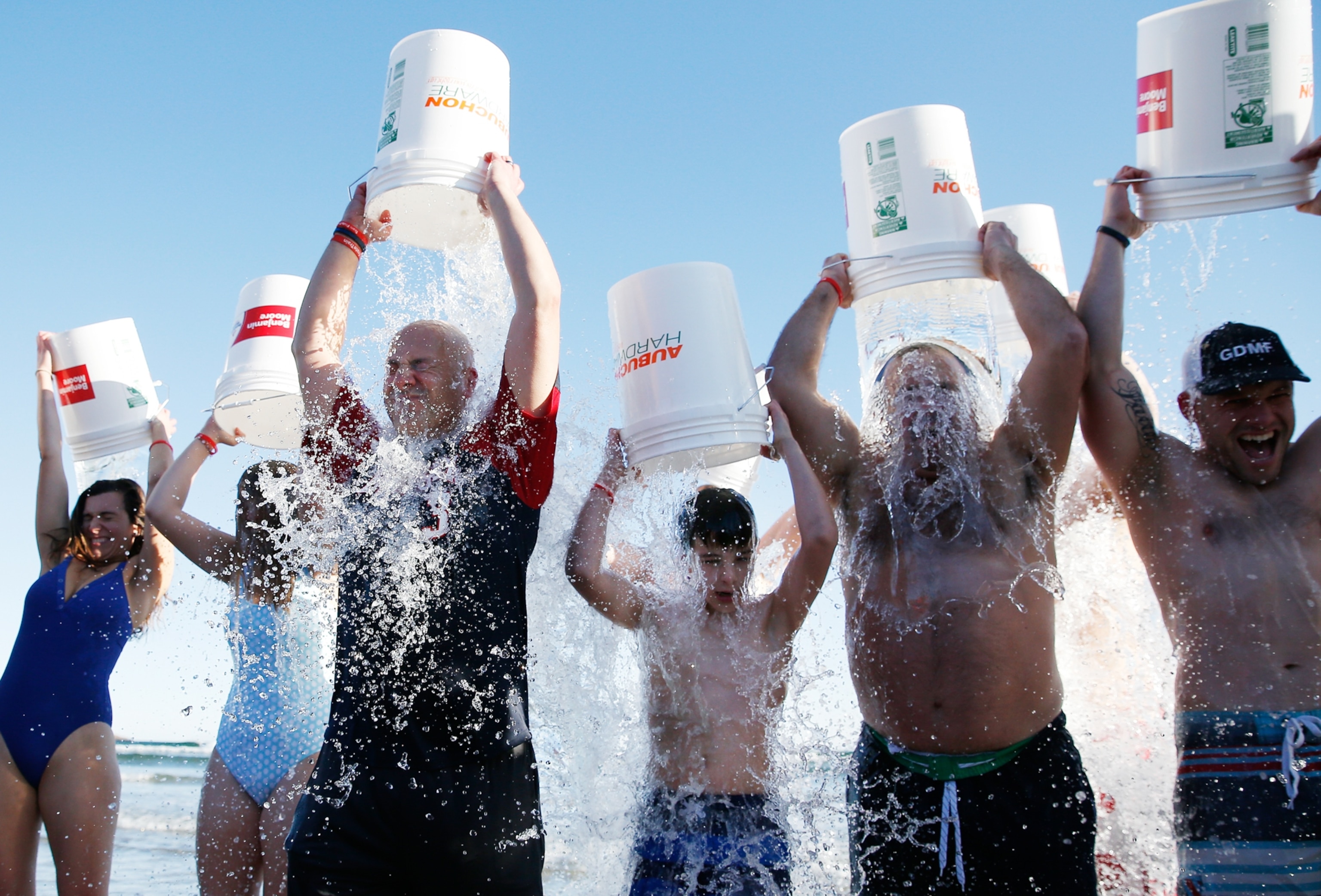
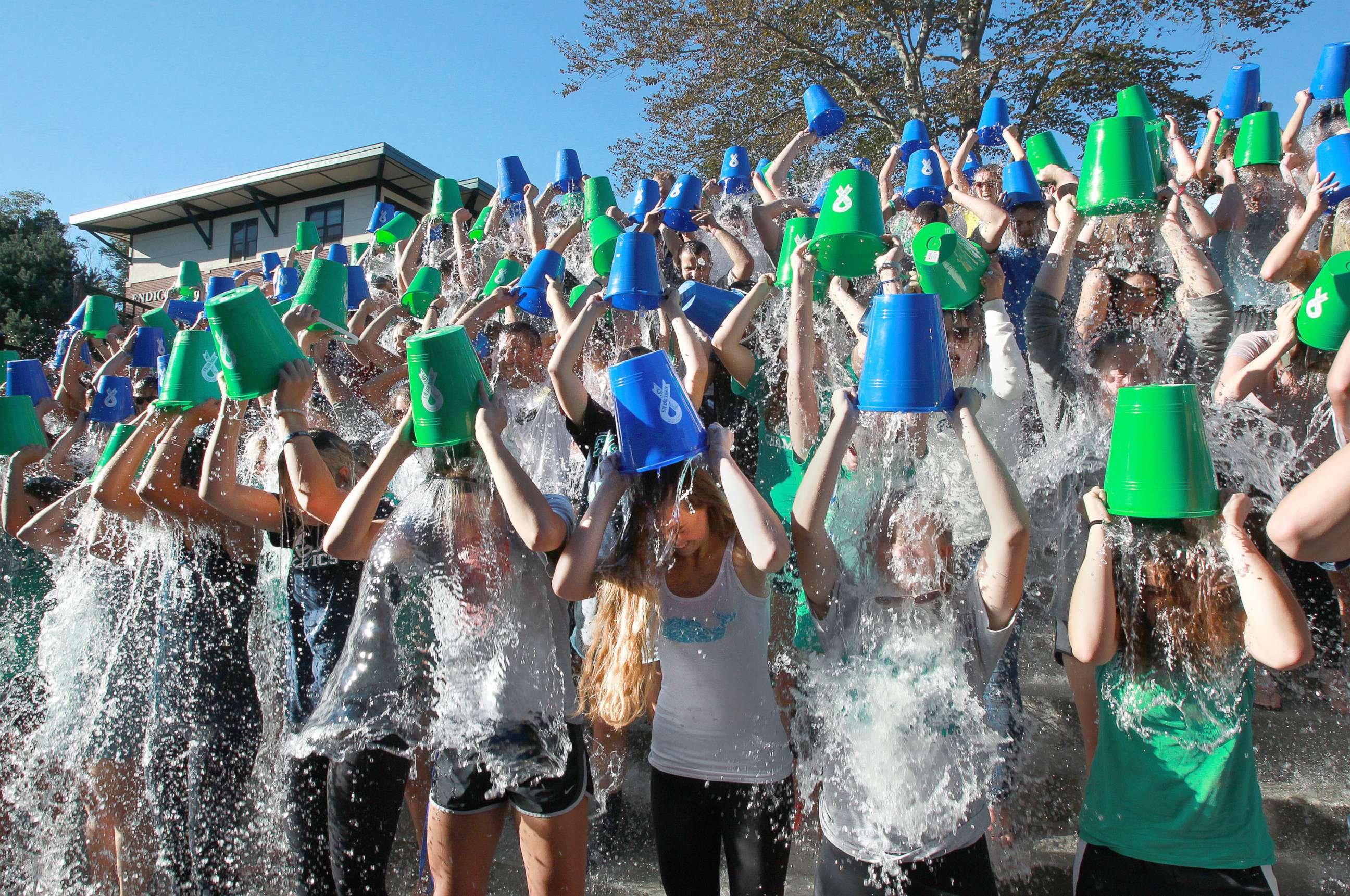
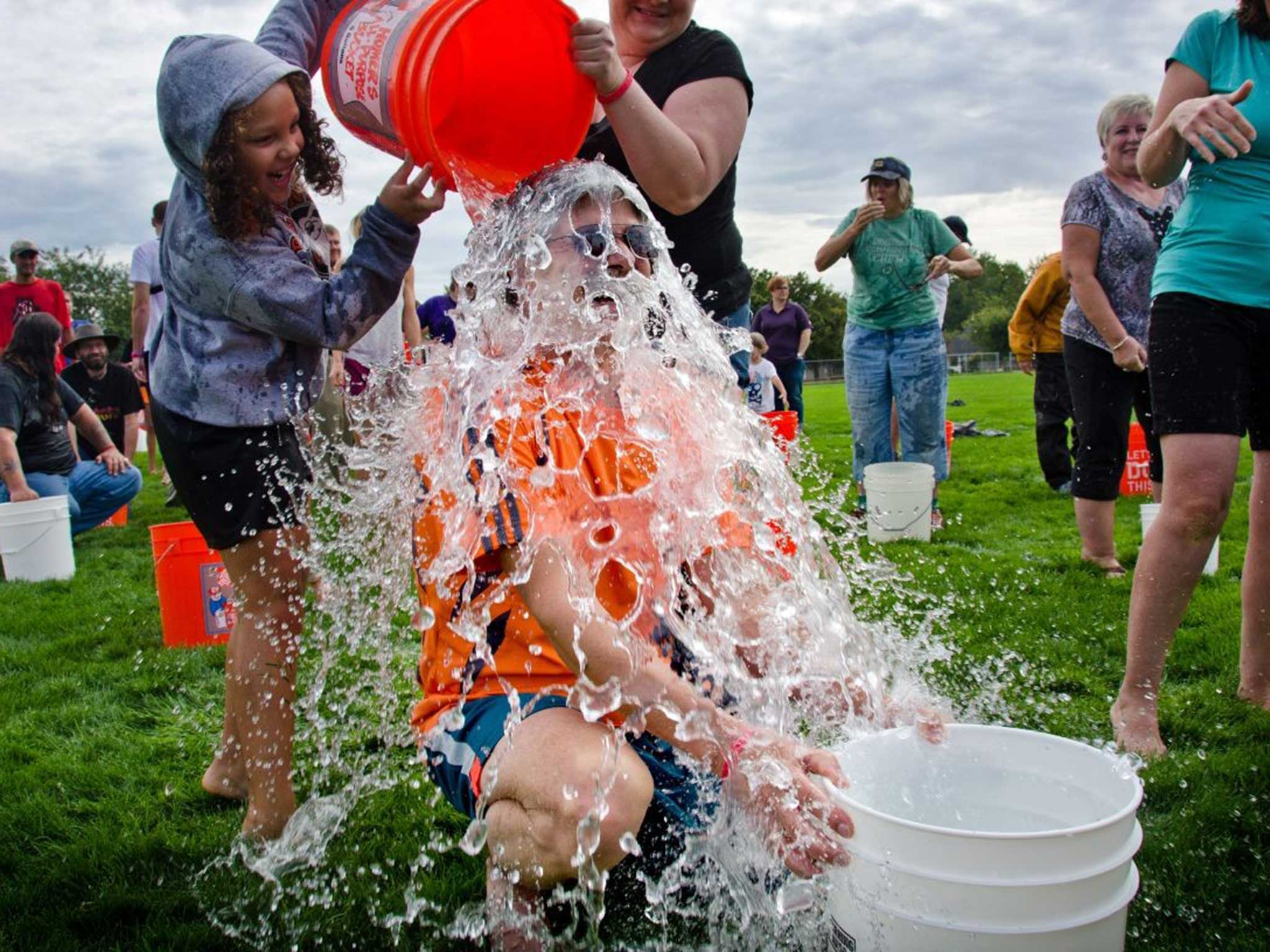
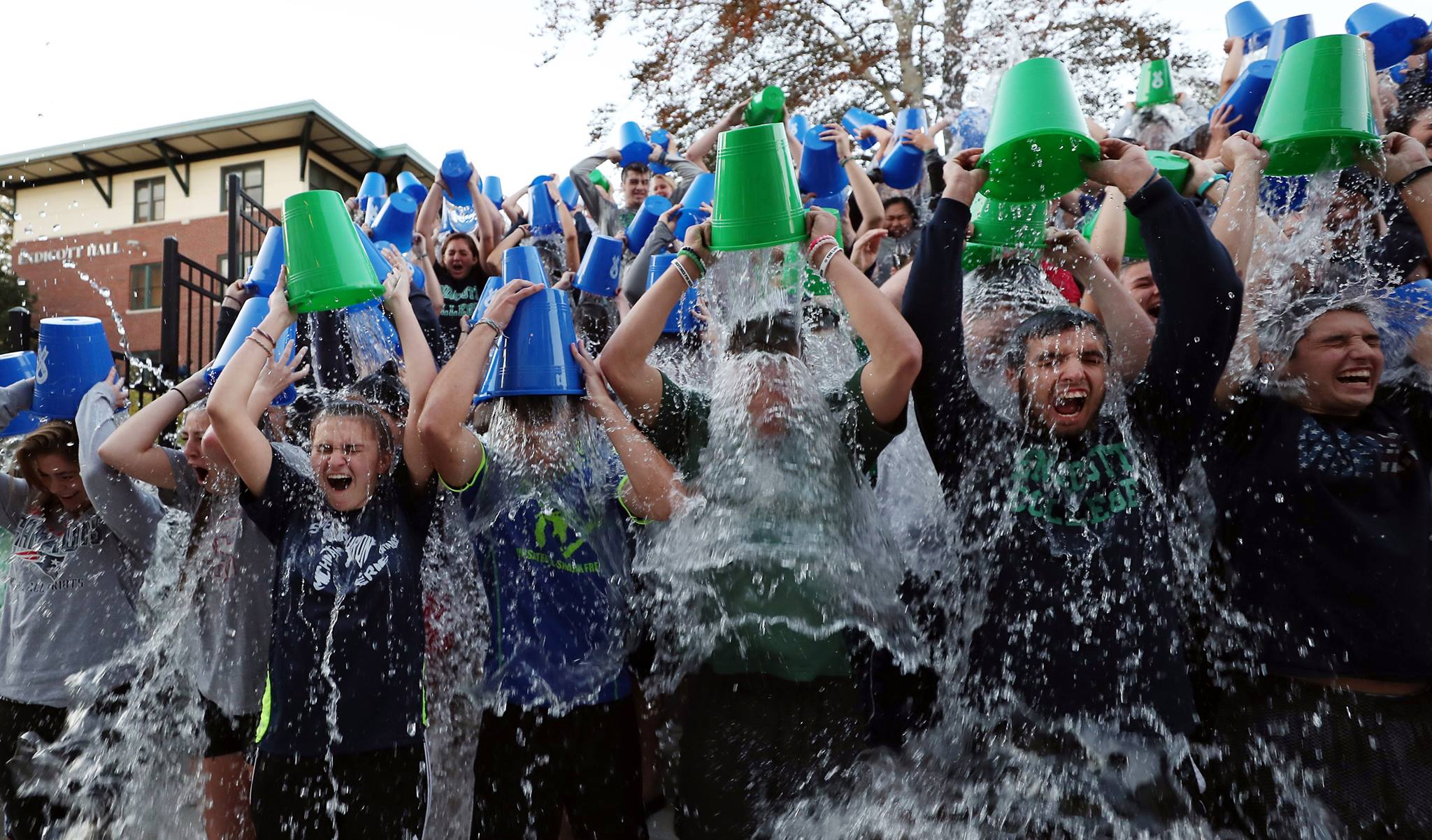
The Ice Bucket Challenge was a viral social media phenomenon that peaked in the summer of 2014, designed to raise awareness and funds for Amyotrophic Lateral Sclerosis (ALS). Participants filmed themselves dumping a bucket of ice water over their heads, donated to the ALS Association, and challenged others to do the same within 24 hours.
The Origins and Mechanics of the 2014 Phenomenon
While various versions of "cold water challenges" existed earlier in 2014, the specific connection to Amyotrophic Lateral Sclerosis (ALS) was popularized by Chris Kennedy, a golfer in Sarasota, Florida. However, the movement gained global momentum through the efforts of Pete Frates, a former Boston College baseball player, and Pat Quinn, both of whom were living with ALS. Their involvement shifted the focus from a generic dare to a targeted mission to fund a cure for a disease often referred to as Lou Gehrig’s disease.
The mechanics of the challenge were deceptively simple, which contributed to its massive scalability. A participant would record a video performing the feat, state their donation amount, and then "tag" three or more individuals to replicate the act. The social pressure of a public nomination, combined with the low barrier to entry and the visual "spectacle" of the ice water, created a perfect storm for virality. By the end of late 2014, the ALS Association had received over $115 million in donations, a staggering increase compared to the $2.8 million raised during the same period the previous year.
From the perspective of 2026, the Ice Bucket Challenge remains the definitive case study in digital philanthropy. It demonstrated that social media could be harnessed not just for entertainment, but as a high-velocity engine for medical research funding. The campaign's success was not merely in the volume of videos but in the unprecedented influx of "new" donors—many of whom were younger than the typical charitable demographic.
Financial Transparency: Where the $115 Million Was Allocated
One of the most frequent questions regarding the Ice Bucket Challenge involves the stewardship of the funds. The ALS Association maintained a high degree of transparency, categorizing the expenditures into five primary pillars: research, patient and community services, public and professional education, fundraising, and processing fees.
A significant majority of the funds—approximately 67%—was dedicated specifically to research. This $77 million investment allowed the association to fund global research collaborations that would have otherwise taken decades to secure through traditional federal grants. The remaining funds were used to bolster the network of ALS multidisciplinary clinics, providing better diagnostic tools and palliative care for those currently living with the disease.
| Funding Category | Percentage | Primary Outcomes |
|---|---|---|
| Global Research | 67% | Discovery of NEK1 gene, development of new drug pipelines. |
| Patient & Community Services | 20% | Expansion of clinical networks and assistive technology grants. |
| Public & Professional Education | 9% | Increased physician training and general disease awareness. |
| Fundraising & Processing | 4% | Management of the donation influx and infrastructure. |
This allocation strategy ensured that while the challenge was a moment in time, the financial impact would be felt for years. By 2026, many of the clinical trials currently in Phase III can trace their initial "seed" funding directly back to the 2014 surge.
Scientific Breakthroughs: From Virality to Verifiable Results
The most enduring criticism during the height of the challenge was that it was "slacktivism"—an easy way for people to feel good without making a real difference. However, the scientific community has since debunked this notion. The massive infusion of capital enabled the ALS Association to fund the Project MinE initiative, a large-scale gene-sequencing project.
In 2016, researchers announced the discovery of the NEK1 gene, which is linked to a significant percentage of inherited ALS cases. This discovery gave scientists a specific target for developing gene therapies. Furthermore, the funding accelerated the development of Qalsody (tofersen), which received FDA approval in 2023 for a specific genetic form of ALS (SOD1-ALS). This was a landmark moment, as it represented one of the first times a treatment targeted the underlying genetic cause of the disease rather than just the symptoms.
Beyond specific genes, the funds supported the HEALEY ALS Platform Trial, a revolutionary clinical trial design that tests multiple treatments simultaneously. This model reduces the time it takes to find effective therapies by 50% and decreases costs by a third. In 2026, this platform remains the gold standard for neurodegenerative disease research, proving that the Ice Bucket Challenge didn't just fund science—it changed how science is conducted.
The Psychology of Virality and the "Gold Standard" of Marketing
Marketing experts and sociologists have spent the last decade analyzing why the Ice Bucket Challenge succeeded where thousands of other "challenges" failed. Several key psychological drivers were at play:
- The "Vanish" Factor: The challenge had a built-in deadline (24 hours). This created a sense of urgency that prevented the "I'll do it later" mentality.
- Low Friction: Almost everyone has access to water, ice, and a bucket. Unlike many charity events that require physical fitness (marathons) or significant time commitments, the IBC took less than two minutes.
- Narcissism vs. Altruism: The challenge allowed participants to showcase their personality and humor (narcissism) while simultaneously doing something for the greater good (altruism). This "ego-altruism" is a potent motivator in the age of the selfie.
- The Power of the Tag: By naming specific individuals, the challenge moved from a general call to action to a direct personal request. It is much harder to ignore a public nomination from a friend than a generic television advertisement.
Even by 2026, no other non-profit campaign has matched the organic reach of the IBC. While many have tried to replicate the formula (the "Mannequin Challenge," the "22 Pushup Challenge"), the IBC remains unique because the "stunt" (the ice water) was viscerally connected to the sensation of ALS—a sudden, shocking paralysis of the system.
Common Criticisms and the "Slacktivism" Debate
Despite its success, the Ice Bucket Challenge faced significant scrutiny. Critics pointed to the massive waste of clean water during a period of severe drought in California and other regions. Others argued that the "challenge" aspect—dumping water to avoid donating—sent the wrong message.
The term "slacktivism" was frequently used to describe those who filmed the video but didn't actually write a check. However, data from the ALS Association suggests that over 3 million people donated in 2014 alone, many of whom were first-time donors. The sheer volume of awareness also had a secondary benefit: it forced ALS into the national conversation, leading to increased federal funding from the National Institutes of Health (NIH).
In retrospect, the "slacktivism" argument failed to account for the "tipping point" effect. Even if a participant didn't donate, their video might have reached someone who did. In the digital economy, attention is a form of currency, and the IBC captured more of it than any medical cause in history.
Safety Considerations and Best Practices for Viral Challenges
As with any physical activity, the Ice Bucket Challenge was not without risks. Over the years, several incidents were reported where participants suffered injuries from falling buckets, cold shock, or accidents involving heavy machinery (such as using industrial tractors to dump water).
For anyone participating in similar viral awareness campaigns in 2026, safety protocols are paramount. The Centers for Disease Control and Prevention (CDC) and various health organizations emphasize that "cold shock" can be dangerous for individuals with underlying heart conditions. Rapid exposure to ice-cold water causes an immediate spike in heart rate and blood pressure.
- Supervision: Never perform a physical challenge alone.
- Equipment: Use lightweight plastic buckets rather than metal or heavy industrial containers.
- Temperature: Ensure the water is cold but not at a temperature that could induce immediate hypothermia or skin damage.
- Alternatives: Many organizations now encourage "virtual" participation or direct donations for those with health risks, recognizing that the spirit of the movement is more important than the physical act.
Frequently Asked Questions
Is the Ice Bucket Challenge still happening?
While the massive viral wave of 2014 has subsided, the ALS Association and its partners often revive the "Challenge Accepted" campaign every August. Many local chapters and families still perform the challenge annually to honor loved ones or to maintain the momentum of fundraising efforts.
How much money was raised in total?
In the summer of 2014, the campaign raised over $115 million for the ALS Association in the United States. Globally, the figure is estimated to be over $220 million when accounting for international ALS organizations in the UK, Canada, and Australia.
What is ALS, and why was the ice water significant?
ALS is a progressive neurodegenerative disease that affects nerve cells in the brain and spinal cord, leading to loss of muscle control. The ice water was meant to simulate the sudden "freezing" or loss of sensation and motor control experienced by those living with the disease, albeit for only a few seconds.
Did the challenge actually lead to a cure?
While a universal cure has not yet been found, the funding directly led to the discovery of five new genes linked to the disease and helped accelerate the approval of several new treatments, including Tofersen and Relyvrio. Research is significantly more advanced in 2026 than it was in 2014 because of this funding.
Can I still donate to the cause?
Yes. The ALS Association and other organizations like the ALS Therapy Development Institute accept donations year-round. These funds continue to support clinical trials, patient care, and the search for a permanent cure.
Moving Forward: How to Support ALS Research in 2026
The Ice Bucket Challenge proved that collective action can yield tangible scientific results. If you are looking to make an impact today, consider moving beyond the "viral" moment toward sustainable support. This includes enrolling in advocacy programs that lobby for increased federal research spending or participating in local "Walk to Defeat ALS" events.
For those in the medical or tech sectors, the focus has shifted toward biomarker identification and assistive AI technology that allows late-stage ALS patients to communicate more effectively. The "bucket" may have been the starting point, but the finish line—a world without ALS—is closer than it has ever been, thanks to the millions who braved the ice a decade ago.