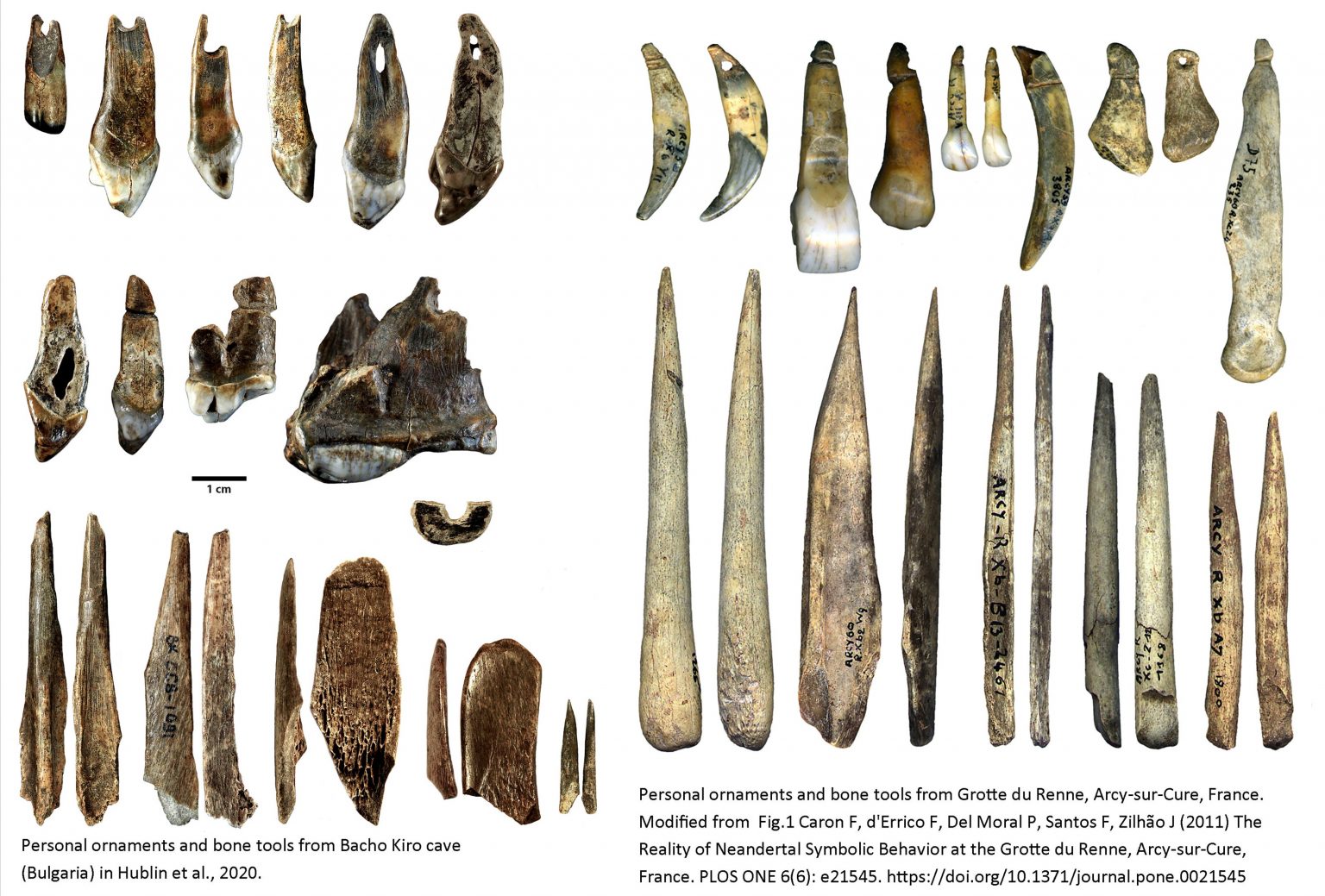
Human artifacts serve as high-value tangible assets that provide significant portfolio diversification, acting as a hedge against inflation and market volatility through their non-correlated nature. In 2026, these items—ranging from ancient antiquities to rare historical manuscripts—are increasingly integrated into institutional finance via fractional ownership, blockchain-verified provenance, and specialized "passion asset" funds, allowing investors to capture value from historical scarcity and cultural heritage.
Defining Human Artifacts as a Sophisticated Asset Class
In the context of 2026 finance, the term "human artifacts" refers to tangible objects created or used by humans that possess significant historical, cultural, or archaeological value. While the broader category of "collectibles" includes items like vintage watches or classic cars, the financial sector distinguishes high-value artifacts by their unique historical provenance and scarcity. These assets are no longer viewed merely as hobbies for the ultra-wealthy; they are now recognized as a distinct subclass of "Alternative Assets" within sophisticated wealth management strategies.
The primary appeal of artifacts lies in their intrinsic scarcity. Unlike fiat currency or even modern equities, the supply of genuine ancient artifacts—such as Roman numismatics, Ming dynasty ceramics, or Enlightenment-era scientific instruments—is finite and fixed. This absolute scarcity creates a "supply-side floor" for valuation. Furthermore, human artifacts typically demonstrate a low correlation with traditional financial markets. When equity markets experience volatility, the value of a high-provenance historical artifact often remains stable or even appreciates, driven by a different set of demand factors, including institutional acquisitions and private museum endowments.
Investors classify these items based on three primary dimensions: Historical Significance, Aesthetic Quality, and State of Preservation. Each dimension influences the "liquidity premium" of the asset. In 2026, the market has moved toward a more data-driven approach, utilizing historical auction results and AI-driven image analysis to standardize how these subjective qualities translate into market pricing.
The Mechanics of Valuation and Appraisal in 2026
Valuing a human artifact is a complex process that blends historical scholarship with modern financial modeling. Unlike a stock with a daily ticker price, an artifact’s value is determined through periodic appraisals and the "hammer price" at major auction houses like Sotheby’s or Christie’s.
The valuation process typically rests on five pillars:
- Provenance: The documented history of ownership. In 2026, "Digital Passports" (often stored on private or public ledgers) are the gold standard, providing a transparent chain of custody that mitigates the risk of illicit trade.
- Rarity: The number of similar extant examples. An artifact that is "unique" or "one of three known" commands a significant rarity premium.
- Condition: Physical integrity. For ancient artifacts, professional conservation reports are mandatory to assess whether previous repairs have added to or detracted from the object's value.
- Cultural Relevance: The "zeitgeist" factor. Interest in specific historical periods—such as the Silk Road or early industrial technology—can fluctuate, affecting demand.
- Authenticity Verification: Scientific testing, such as Carbon-14 dating, thermoluminescence (TL) testing for ceramics, and metal alloy analysis, provides the technical bedrock for valuation.
Wealth managers in 2026 often use the Sotheby’s Mei Moses Index or similar benchmarks to track the performance of these assets against the S&P 500. While the "carrying cost" (insurance and storage) is higher than digital assets, the long-term compound annual growth rate (CAGR) for high-tier artifacts often rivals traditional long-term investments.
Market Infrastructure and the Rise of Fractional Ownership
The most significant shift in the 2026 investment landscape is the democratization of artifact investment through fractionalization. Historically, owning a multi-million-dollar Greek marble bust was reserved for the elite. Today, specialized platforms allow retail investors to purchase "shares" or "tokens" representing fractional ownership in a high-value artifact.
These platforms operate by creating a Special Purpose Vehicle (SPV) that legally owns the artifact. The SPV is then divided into thousands of shares. This provides three major benefits:
- Lower Entry Barriers: Investors can gain exposure to the antiquities market with as little as $1,000.
- Increased Liquidity: While the physical artifact may take months to sell at auction, the digital shares can often be traded on secondary markets, providing investors with an exit strategy.
- Professional Management: The platform handles the specialized storage, climate control, and insurance (often underwritten by specialized firms like Lloyd’s of London), costs that would be prohibitive for an individual.
Furthermore, 2026 has seen the rise of "Artifact-Backed Loans." Owners of high-value items can use their collection as collateral for low-interest liquidity without having to sell the asset, a practice common in private banking for "High Net Worth Individuals" (HNWIs).
Risk Management: Legal, Ethical, and Physical Considerations
Investing in human artifacts involves risks that are fundamentally different from those in the bond or equity markets. One of the primary concerns is the legal and repatriation risk. The 1970 UNESCO Convention on the Means of Prohibiting and Preventing the Illicit Import, Export and Transfer of Ownership of Cultural Property remains the foundational legal framework. Any artifact without a clear "pre-1970" provenance or a valid export license from its country of origin is considered a "toxic asset" in 2026.
Institutional Due Diligence Requirements:
- AML/KYC Compliance: Anti-Money Laundering (AML) regulations now strictly apply to art and antiquity dealers globally. Large transactions must undergo rigorous "Know Your Customer" checks.
- The Art Loss Register: Professional investors always cross-reference potential acquisitions against the Art Loss Register to ensure the item has not been reported stolen or looted.
- Repatriation Claims: National governments have become more aggressive in claiming artifacts that were illegally removed. An investor must ensure the title is "quiet" and free of potential international claims.
Physical risk management is equally critical. Human artifacts are susceptible to environmental degradation (humidity, UV light, temperature fluctuations) and physical damage. In 2026, most institutional-grade artifacts are stored in "Freeports"—high-security, climate-controlled warehouses located in jurisdictions like Switzerland or Singapore, which also offer tax advantages for stored goods.
Comparing Artifacts to Traditional Financial Assets
To understand where human artifacts fit in a 2026 portfolio, it is helpful to compare their characteristics against traditional instruments like equities, gold, and real estate.
| Feature | Human Artifacts | Public Equities | Physical Gold | Real Estate |
|---|---|---|---|---|
| Liquidity | Low (Weeks to Months) | High (Instant) | Moderate/High | Low (Months) |
| Market Correlation | Very Low | High | Low/Negative | Moderate |
| Intrinsic Value | High (Cultural/Scarcity) | Dependent on Earnings | High (Commodity) | High (Utility/Land) |
| Maintenance Cost | High (Storage/Insurance) | Zero | Low | Moderate/High |
| Volatility | Low/Moderate | High | Moderate | Low/Moderate |
| Yield | None (Capital Gains Only) | Dividends | None | Rental Income |
As shown in the table, artifacts are a pure capital appreciation play. They do not generate "yield" in the traditional sense, unless they are leased to museums or touring exhibitions—a niche but growing revenue stream for large-scale collectors in 2026. Their primary value in a portfolio is as a "volatility dampener."
The Regulatory and Ethical Landscape of 2026
The intersection of finance and cultural heritage is governed by increasingly strict ethical guidelines. In 2026, "Socially Responsible Investing" (SRI) and "Environmental, Social, and Governance" (ESG) criteria have expanded to include cultural stewardship. Financial institutions are now cautious about "cultural profiteering."
Investment funds are often required to demonstrate that their activities support the preservation of the artifacts they own. This has led to the "Open Access" model, where institutional owners of artifacts agree to lend their pieces to public institutions for a percentage of the year. This prevents "dark collections" where significant human history is hidden in private vaults, which can lead to reputational damage for the investor and the fund.
Furthermore, the UNIDROIT Convention on Stolen or Illegally Exported Cultural Objects provides a secondary layer of protection for original owners, making thorough title searches an absolute prerequisite for any institutional investment.
Frequently Asked Questions
What is the minimum investment for human artifacts in 2026?
While direct ownership of museum-quality pieces usually starts at $50,000, fractional investment platforms have lowered the entry point to approximately $1,000. These platforms allow individuals to buy into managed portfolios of artifacts, providing exposure without the need for tens of millions in capital.
How are human artifacts taxed?
In many jurisdictions, artifacts are treated as "collectibles" for tax purposes. In the United States, for example, they are subject to a higher long-term capital gains tax rate (currently capped at 28%) compared to standard stocks. However, using 1031 exchanges or donating pieces to museums can provide significant tax offsets, though rules vary by country.
Can I keep a fractionally owned artifact in my home?
No. For insurance and security reasons, artifacts owned through fractional platforms or investment funds are kept in specialized, high-security facilities. Physical possession by a single shareholder would invalidate the insurance policy and create significant custodial risks.
What happens if an artifact is found to be looted years after purchase?
If a repatriation claim is successful, the investor may lose the asset. This is why "Title Insurance" for artifacts has become a standard requirement in 2026. This insurance protects the investor’s capital in the event that the artifact must be returned to its country of origin or a rightful previous owner.
How does blockchain technology help in artifact investment?
Blockchain provides an immutable ledger for provenance. In 2026, most high-value sales are accompanied by a "Digital Twin" or a non-fungible token (NFT) that contains the complete appraisal history, scientific test results, and ownership records. This reduces "information asymmetry" and increases buyer confidence.
Strategic Recommendations for Investors
For those looking to integrate human artifacts into their 2026 financial strategy, the first step is to define the objective: is the goal wealth preservation or speculative growth?
For wealth preservation, focus on "Blue Chip" antiquities—items with a long, documented auction history and established global demand (e.g., Egyptian statuary or Renaissance manuscripts). These tend to have the lowest volatility. For growth, look toward "Emerging Categories," such as 20th-century technological artifacts or artifacts from under-represented cultures that are currently seeing a surge in institutional interest.
Regardless of the category, never invest in an artifact without an independent, third-party appraisal and a verified "Clean Title." Engaging a specialized art advisor or an investment firm that adheres to the standards of the International Confederation of Art and Antique Dealers (CINOA) is essential. In the modern financial era, the most successful investors are those who treat cultural heritage not just as a commodity, but as a long-term stewardship that requires both financial rigor and historical respect.