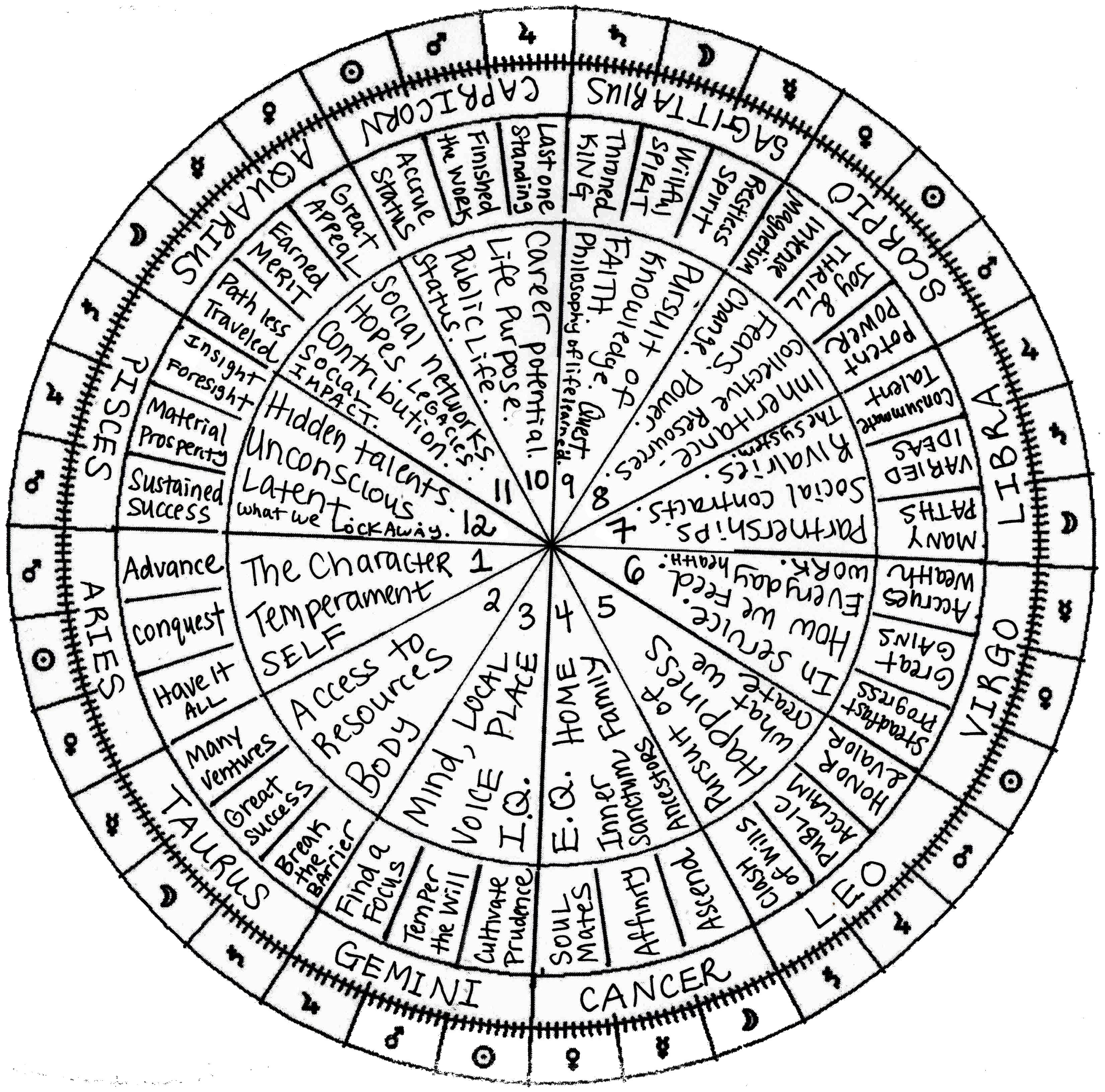
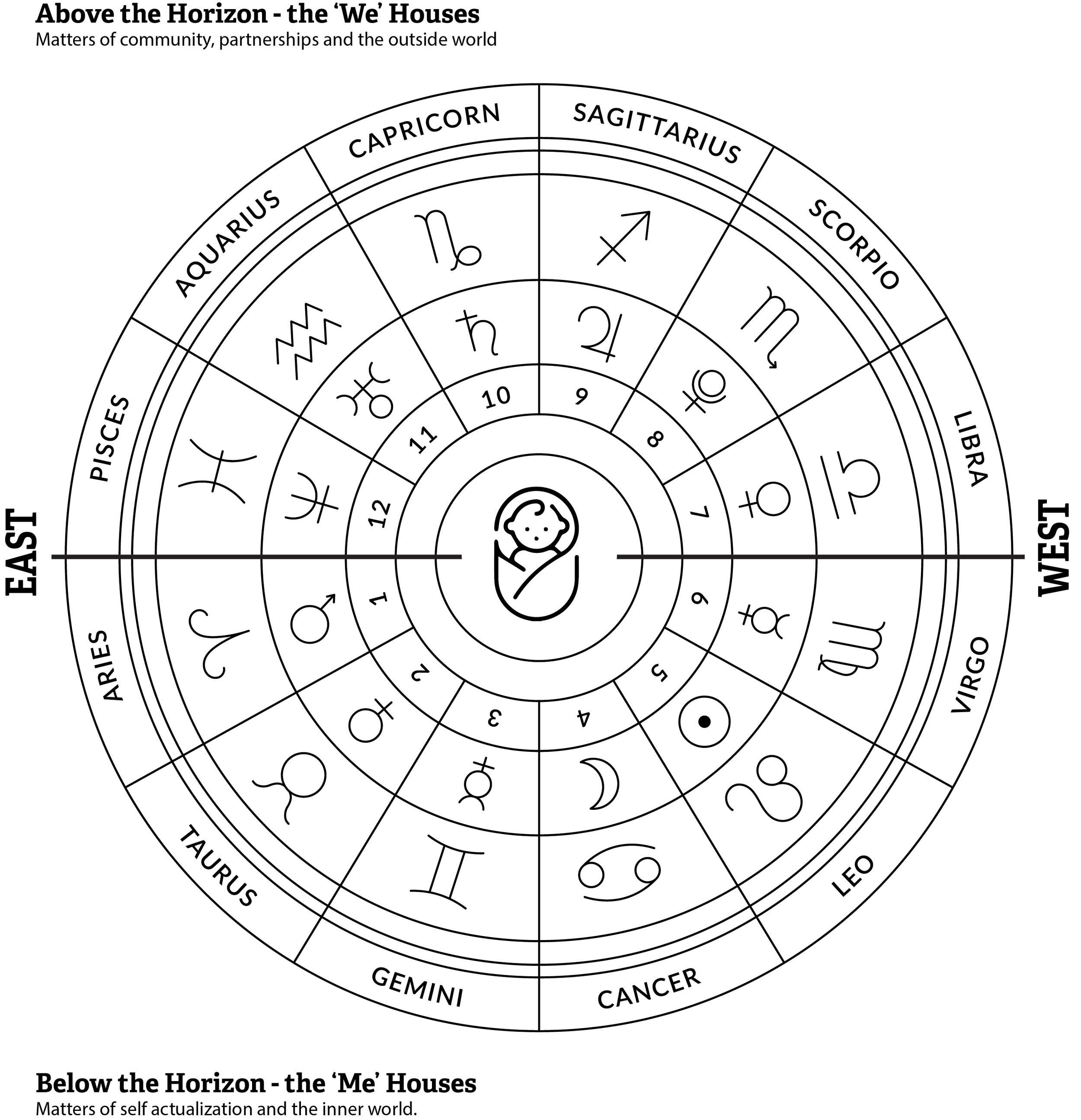
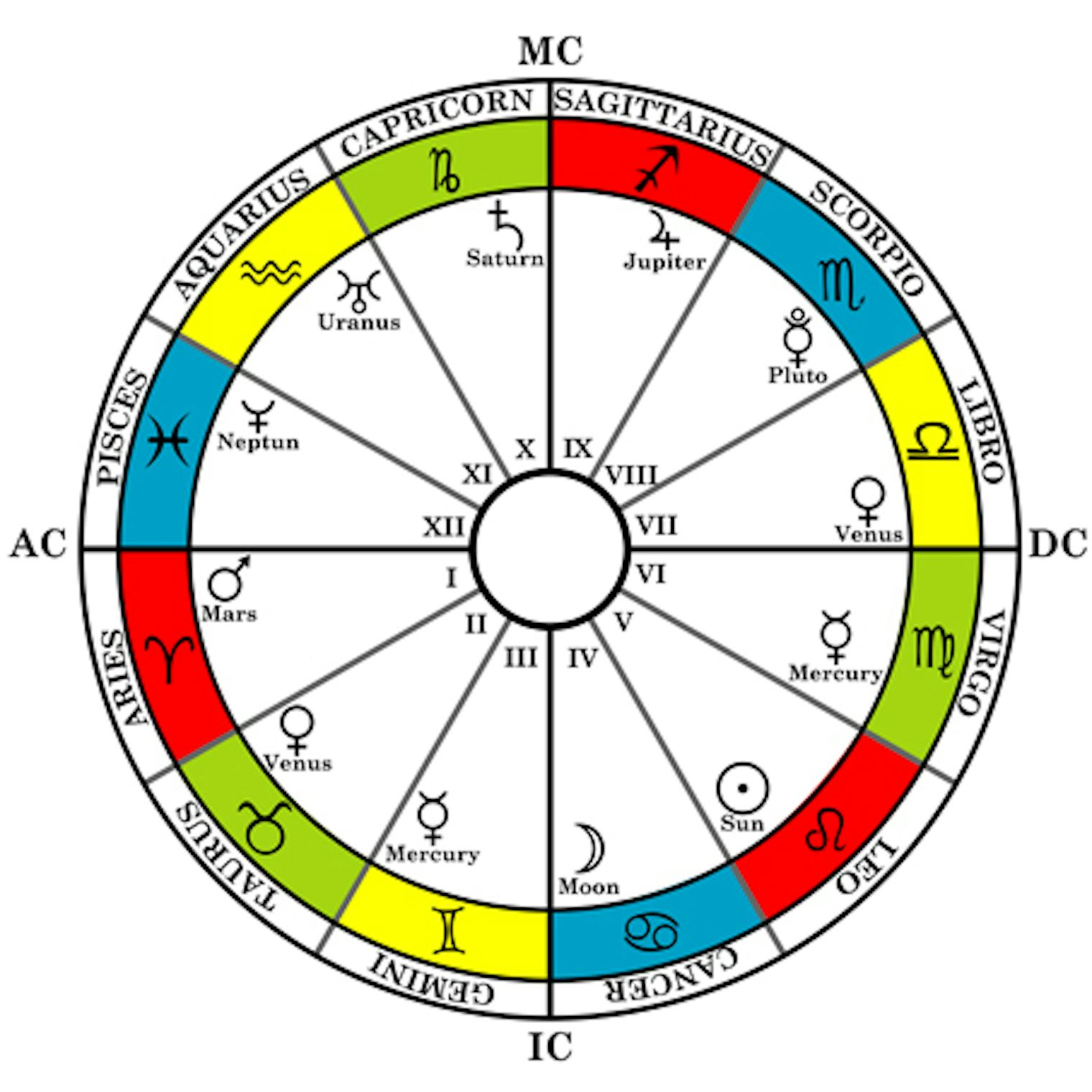
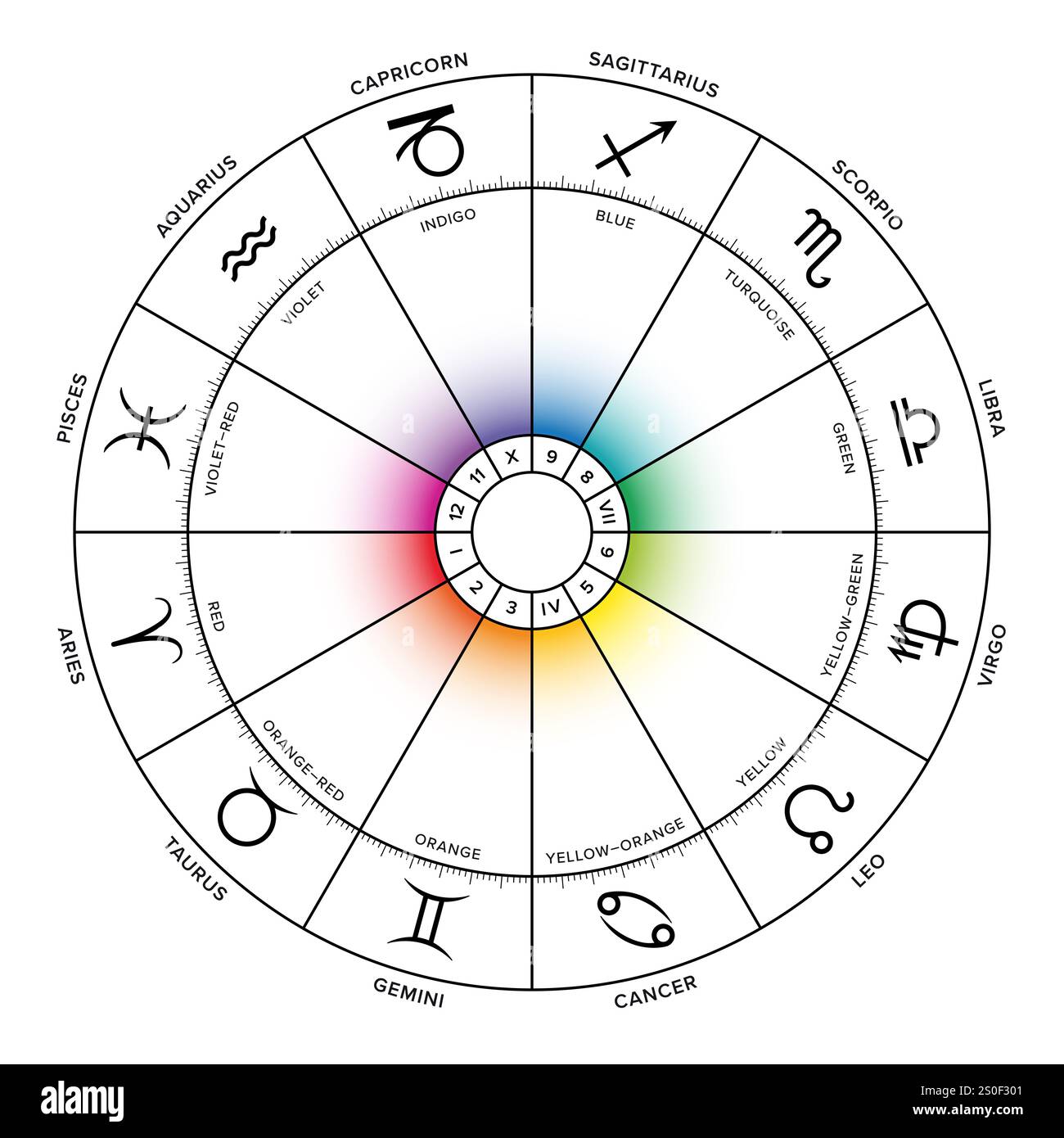
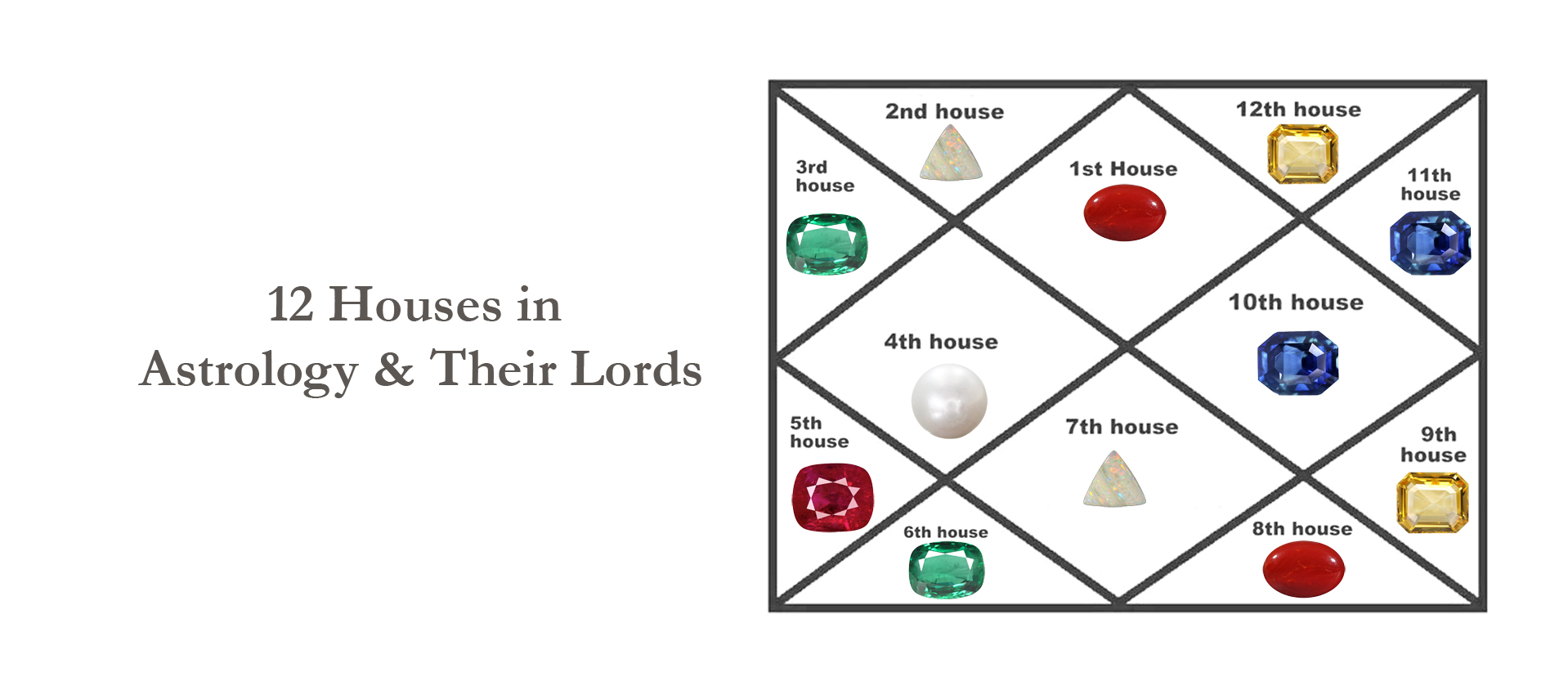
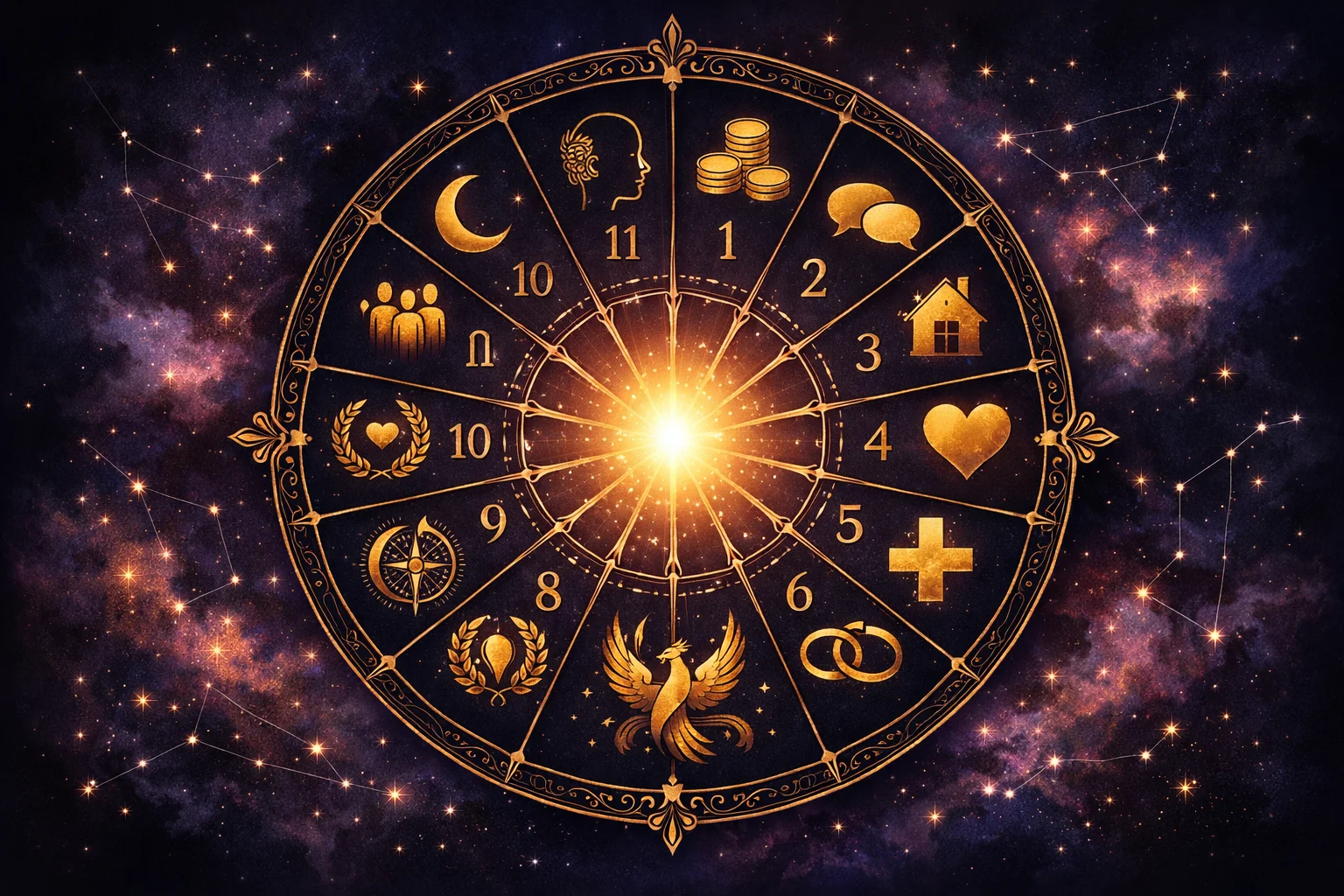
In astrology, the 12 houses represent distinct areas of life, while the zodiac signs describe the style and energy with which those areas are approached. When applied to finance, the houses indicate where financial activity occurs—such as earned income, debt, or long-term investments—while the signs dictate the behavioral patterns and risk tolerance of the individual. Understanding which sign rules each house in a natal chart or a current transit provides a technical framework for managing wealth, identifying market cycles, and optimizing personal portfolio growth.
The Architecture of the 12 Houses in Financial Astrology
The zodiac is divided into twelve segments known as houses. While every house has a general life meaning, a subset of these houses is specifically "succedent" or "cadent" in a way that directly impacts economic standing. In the year 2026, as we witness significant planetary shifts into air and fire signs, understanding the "where" of your financial chart is more critical than ever for navigating volatile markets.
The Houses of Substance: 2nd, 6th, and 10th
These three houses form the "Earth Triangle" and are the primary drivers of material success. The 2nd House is the house of personal assets, liquidity, and what you value. It governs your "pocketbook" and your ability to generate cash flow. The 6th House relates to your daily labor, service, and the technical skills you employ to stay solvent. Finally, the 10th House represents your career, public reputation, and the heights of your professional achievement. When a sign rules these houses, it determines whether you are a conservative saver or a bold entrepreneur.
The Houses of Shared Resources: 5th, 8th, and 11th
The 5th House is the domain of speculation, "play money," and the stock market. It represents the risks we take for the joy of the win. The 8th House is perhaps the most complex financial house, ruling "other people's money." This includes taxes, inheritances, insurance, venture capital, and debt. In 2026, with Pluto deep in Aquarius, the 8th house’s relationship to collective digital assets is a major focus for technical analysts. The 11th House represents the gains derived from your career and your ability to leverage social networks for financial advancement.
What Each Zodiac Sign Rules in the Financial Spectrum
The sign on the "cusp" (the beginning) of a house colors that house's activities. Below is a breakdown of how each sign functions when it rules a financial sector of the zodiac.
Aries (The Pioneer)
Aries rules the 1st House of self but carries its impulsive, "first-mover" energy into any financial house it touches. In finance, Aries governs startups, venture capital, and aggressive trading. When Aries rules the 2nd house, the individual often earns quickly but may struggle with impulsive spending. They are the "disruptors" of the zodiac, thriving in competitive markets where speed is rewarded over patience.
Taurus (The Custodian)
Taurus is the natural ruler of the 2nd House. It governs tangible assets, real estate, gold, and banking. Taurus energy is slow, steady, and focused on accumulation. If Taurus rules your 8th house, you likely seek extreme security in your debts and prefer fixed-rate loans over variable ones. Taurus rules the "buy and hold" strategy, valuing the intrinsic worth of an asset above its speculative hype.
Gemini (The Merchant)
Gemini rules the 3rd House of commerce and communication. In finance, it governs short-term trading, data-driven assets, and diversification. Gemini energy is restless; it doesn't like to tie up all its capital in one place. When Gemini rules a money house, it suggests multiple streams of income. However, the risk here is "analysis paralysis" or spreading resources too thin across too many speculative interests.
Cancer (The Protector)
Cancer rules the 4th House of home and heritage. Financially, it governs domestic markets, residential real estate, and consumer staples. Cancer's approach to money is emotional and security-oriented. They rule the "nest egg." If Cancer rules your 10th house, your career might involve providing security or sustenance to others. Their financial strength lies in their intuition regarding what the general public needs to feel safe.
Leo (The Speculator)
Leo is the natural ruler of the 5th House. It governs the stock market, luxury goods, and high-stakes investments. Leo energy is bold and seeks the spotlight. Financially, this sign rules "glamour stocks" and sectors associated with entertainment and gold. A Leo-ruled 2nd house suggests someone who earns through creative self-expression but may spend heavily on status symbols to maintain a public image.
Virgo (The Auditor)
Virgo rules the 6th House of work and health. It governs accounting, precision manufacturing, and the "gig economy." Virgo is the most fiscally disciplined sign, focusing on the "bottom line" and micro-details that others miss. When Virgo rules a financial house, wealth is built through meticulous budgeting and the elimination of waste. They are the master of the spreadsheet and the tax audit.
Libra (The Negotiator)
Libra rules the 7th House of partnerships. In the financial world, it governs contracts, mergers, and legal settlements. Libra energy seeks balance and rarely makes financial moves alone. If Libra rules your 8th house, your wealth is likely tied to a spouse or business partner. Their strength is in mediation and finding the "fair market value" in any transaction.
Scorpio (The Alchemist)
Scorpio is the natural ruler of the 8th House. It governs insurance, taxes, corporate debt, and "underground" economies. Scorpio energy is about transformation—taking a dying asset and reviving it. They are the "turnaround specialists." Scorpio rules the psychological aspect of money—the power dynamics involved in large-scale lending and inherited wealth.
Sagittarius (The Globalist)
Sagittarius rules the 9th House of expansion. It governs international trade, foreign exchange (Forex), and educational sectors. Sagittarius energy is optimistic and "thinks big." If Sagittarius rules your 2nd house, you might earn in foreign currencies or through travel. The risk for Sagittarius is over-expansion and ignoring the small print in financial contracts.
Capricorn (The Architect)
Capricorn is the natural ruler of the 10th House. It governs government bonds, large corporations, and long-term infrastructure. Capricorn is the sign of "old money" and compounding interest. They understand that true wealth takes decades to build. When Capricorn rules a money house, there is a heavy emphasis on tradition, regulation, and hierarchical success.
Aquarius (The Innovator)
Aquarius rules the 11th House of networks. It governs fintech, cryptocurrency, and social-impact investing. Aquarius energy is collective and forward-thinking. In 2026, Aquarius rules the "democratization of finance," where decentralized finance (DeFi) challenges traditional banking. Those with Aquarius ruling their 11th house often see their greatest gains through community-driven projects or technological breakthroughs.
Pisces (The Visionary)
Pisces rules the 12th House of the subconscious. It governs ESG (Environmental, Social, and Governance) investing, pharmaceutical sectors, and "hidden" assets. Pisces energy is fluid and often difficult to pin down. When Pisces rules a financial house, there can be a tendency toward "leaky" finances or, conversely, a brilliant intuitive grasp of market trends before they become obvious.
Comparative Analysis: Sign Rulership vs. Financial Sector
The following table outlines how the qualities of each sign manifest within the specific houses of the zodiac, providing a quick reference for financial mapping.
| Zodiac Sign | Natural House | Primary Financial Domain | Key 2026 Investment Focus |
|---|---|---|---|
| Aries | 1st | Venture Capital & Startups | Aerospace & Defense |
| Taurus | 2nd | Real Estate & Physical Commodities | Sustainable Agriculture |
| Gemini | 3rd | Information & Day Trading | AI & Communication Tech |
| Cancer | 4th | Domestic Real Estate | Home-based Healthcare |
| Leo | 5th | Speculation & Entertainment | Luxury Branding |
| Virgo | 6th | Professional Services & Auditing | Bio-tech & Precision Tools |
| Libra | 7th | Legal Contracts & Mergers | Strategic Partnerships |
| Scorpio | 8th | Debt, Taxes, & Venture Capital | Cyber-security & Forensics |
| Sagittarius | 9th | Foreign Markets & Higher Ed | Global Logistics |
| Capricorn | 10th | Institutional Wealth | Infrastructure & Mining |
| Aquarius | 11th | Fintech & Crowdfunding | Decentralized Networks |
| Pisces | 12th | ESG & Creative Industries | Water Rights & Mental Health |
Technical Depth: Analyzing the "Lord" of the House
In technical astrology, it is not enough to know which sign is on the house cusp; one must also look at the "Lord" or ruling planet of that sign. For example, if Taurus rules your 2nd House, the "Lord" of your 2nd House is Venus. To understand your income potential in 2026, you must locate Venus in your chart.
- Placement by House: If the Lord of the 2nd is in the 10th, you earn through your career reputation. If it is in the 8th, you earn through commissions or royalties.
- Condition of the Planet: A planet in "Dignity" (a sign it likes) suggests easy flow, while a planet in "Detriment" suggests a need for extra effort or non-traditional strategies.
- Transits to the House: In 2026, Saturn and Neptune are transitioning from Pisces to Aries. This shift represents a move from "dissolving" old financial structures (Pisces) to the "birth" of aggressive new ones (Aries). If these planets cross your 2nd or 8th house cusps, expect a major restructuring of your net worth.
Financial Risk Management by House Placement
Understanding house rulership allows for personalized risk management. If a "volatile" sign like Uranus-ruled Aquarius or Mars-ruled Aries sits on your 8th house (debt), you must be extremely cautious with leverage and margin trading. Conversely, if Saturn-ruled Capricorn rules your 5th house (speculation), your "gambles" are likely very calculated and conservative, which might lead to missed opportunities in a bull market but will protect you during a crash.
In 2026, the global economy is increasingly influenced by the "Air" element. This means that wealth is becoming less about physical "Earth" assets (like factories) and more about "Air" assets (intellectual property, data, and social influence). If your houses of substance (2, 6, 10) are in Air signs (Gemini, Libra, Aquarius), you are naturally aligned with this decade's economic engine.
FAQ
Which house is most important for becoming wealthy?
The 2nd House is the primary indicator of personal wealth and earned income, but the 8th House is often more important for "massive" wealth, as it governs the ability to use other people's money (leverage, loans, and investment capital). Additionally, the 11th House determines the "gains" you actually keep after expenses.
How does Scorpio ruling the 8th house affect debt?
Since Scorpio is the natural ruler of the 8th house, it is "at home" here. This often gives the individual a powerful ability to manage debt and navigate complex financial systems. However, it also suggests that financial life may involve "cycles of rebirth," where the person loses everything and rebuilds it even stronger.
Can a "bad" planet in the 2nd house ruin my finances?
No single planet "ruins" a house. A planet like Saturn in the 2nd house is often called the "planet of poverty," but in a financial context, it more accurately represents "delayed rewards." It requires the person to be incredibly disciplined and frugal. Many billionaires have Saturn in the 2nd house because it forced them to build a rock-solid financial foundation.
What does it mean if a house is "empty" in my chart?
An empty house does not mean that area of life is empty. It simply means there isn't a specific planetary "actor" living there. You still look to the sign on the cusp and its ruling planet to determine how that house functions. For example, if your 2nd house is empty but ruled by Leo, you still look to the Sun to see how you make money.
How do 2026 transits affect the houses of finance?
In 2026, the movement of Pluto through Aquarius continues to revolutionize the 11th house of networks. If Aquarius falls in your 2nd or 8th house, you may see a total shift from traditional banking to digital or decentralized assets. The Saturn-Neptune conjunction in late Pisces/early Aries also suggests a "clearing of the slate" regarding old debts.
Practical Recommendation for 2026 Financial Planning
To apply these astrological principles to your 2026 financial strategy, begin by identifying the signs on your 2nd, 5th, 8th, and 10th house cusps. If you have Earth signs (Taurus, Virgo, Capricorn) on these cusps, focus on "Hard Assets" like real estate or infrastructure. If you have Air signs (Gemini, Libra, Aquarius), prioritize "Intangible Assets" like software, patents, or networking platforms.
For those navigating the volatility of 2026, the best action is to synchronize your investment "rhythm" with your house rulers. If your 2nd house ruler is the Moon (Cancer), your income may fluctuate with the 28-day lunar cycle; use this knowledge to time your big purchases or sales. If your ruler is Jupiter (Sagittarius), look for growth in international markets. Using astrology as a technical overlay to fundamental analysis provides a psychological edge that most retail investors overlook.