This technical guide focuses exclusively on the biological, behavioral, and veterinary management of equine reproduction within professional breeding environments. It is intended for equine practitioners, stud managers, and livestock specialists seeking to optimize 2026 fertility rates and safety standards.
The 2026 equine breeding season represents a significant shift toward precision animal husbandry, where genomic insights and advanced reproductive technologies intersect with traditional horsemanship. Understanding the intricacies of how horses mate—whether through natural cover or assisted reproductive technologies—is paramount for ensuring the health of the mare and stallion while maximizing the genetic potential of the next generation. This year, the industry has seen an increased emphasis on Bio-Security Level 2 (BSL-2) protocols in breeding sheds and the integration of real-time progesterone monitoring to pinpoint the exact window of ovulation.
Pre-Breeding Requirements: The 2026 Breeding Soundness Evaluation
Before any mating occurs, both the stallion and the mare must undergo a rigorous Breeding Soundness Evaluation (BSE). In 2026, these standards have been updated to include not only physical examinations but also comprehensive genetic screening to prevent the transmission of hereditary disorders.
For the stallion, the BSE focuses on libido, physical ability to mount, and semen quality. Technical metrics for a "Satisfactory Prospective Breeder" in 2026 require a minimum of 1 billion morphologically normal, progressively motile sperm in the second of two ejaculates collected an hour apart. Veterinary clinicians now utilize automated sperm morphometry analysis (ASMA) to provide objective data, reducing the human error associated with traditional microscopy.
For the mare, the evaluation is centered on her reproductive anatomy and cycling status. A 2026-standard BSE for mares includes:
- Palpation and Ultrasonography: Monitoring follicular development and uterine tone.
- Uterine Cytology and Culture: Ensuring the absence of pathogens such as Taylorella equigenitalis (CEM) or Klebsiella pneumoniae.
- Biopsy Grading: Utilizing the Kenney-Doig scale to predict the mare's ability to carry a foal to term based on endometrial health.
Understanding the Estrous Cycle and Teasing Protocols
Successful mating is entirely dependent on the mare’s estrous cycle. In 2026, breeders utilize a combination of "teasing" and hormone monitoring. The mare is typically in "heat" (estrus) for 5 to 7 days, during which she is receptive to the stallion.
Technical Insight: Behavioral Indicators of Estrus Professional handlers monitor for specific signs of receptivity, known as "showing." These include the mare "winking" (eversion of the clitoris), frequent urination, and a distinct "squatting" posture in the presence of a teaser stallion. In high-tech 2026 facilities, wearable biometrics now detect changes in skin temperature and movement patterns that correlate with the LH (luteinizing hormone) surge, providing a 24-hour lead time before peak receptivity.
The timing of the mating act is critical because the mare's ovum remains viable for only 6 to 12 hours post-ovulation, while high-quality fresh semen can survive in the mare's reproductive tract for 48 to 72 hours. Therefore, the goal is always to have viable sperm present in the oviduct prior to the egg's release.
Comparison of Modern Breeding Methodologies
In 2026, the choice between natural cover and artificial insemination is dictated by breed registry regulations, economics, and the physical health of the animals involved.
| Breeding Method | Description | 2026 Success Rate (Avg) | Primary Use Case | Registry Restrictions |
|---|---|---|---|---|
| Natural Cover | Physical mating between stallion and mare. | 65% - 75% | Thoroughbred industry standards. | Mandatory for The Jockey Club. |
| Artificial Insemination (AI) | Fresh or cooled semen processed and inserted via pipette. | 70% - 80% | Quarter Horses, Warmbloods, Arabians. | Generally permitted. |
| Frozen Semen (AI) | Semen stored in liquid nitrogen at -196°C. | 50% - 60% | International trade of elite genetics. | Permitted by most (non-TB). |
| Embryo Transfer (ET) | Fertilized embryo flushed and moved to a recipient mare. | 60% - 70% | Performance mares still in competition. | Highly regulated per breed. |
| ICSI / OPU | Laboratory-based fertilization of an aspirated oocyte. | 40% - 50% | Sub-fertile stallions or deceased mares. | Permitted for specific high-value lines. |
The Mechanics of Natural Cover: Safety and Protocol
When natural cover is the chosen or required method (as remains the case for the Thoroughbred industry in 2026), the process is highly controlled to prevent injury. The breeding shed is a high-stakes environment requiring a minimum of three experienced handlers: one for the stallion, one for the mare, and a "leg man" or supervisor.
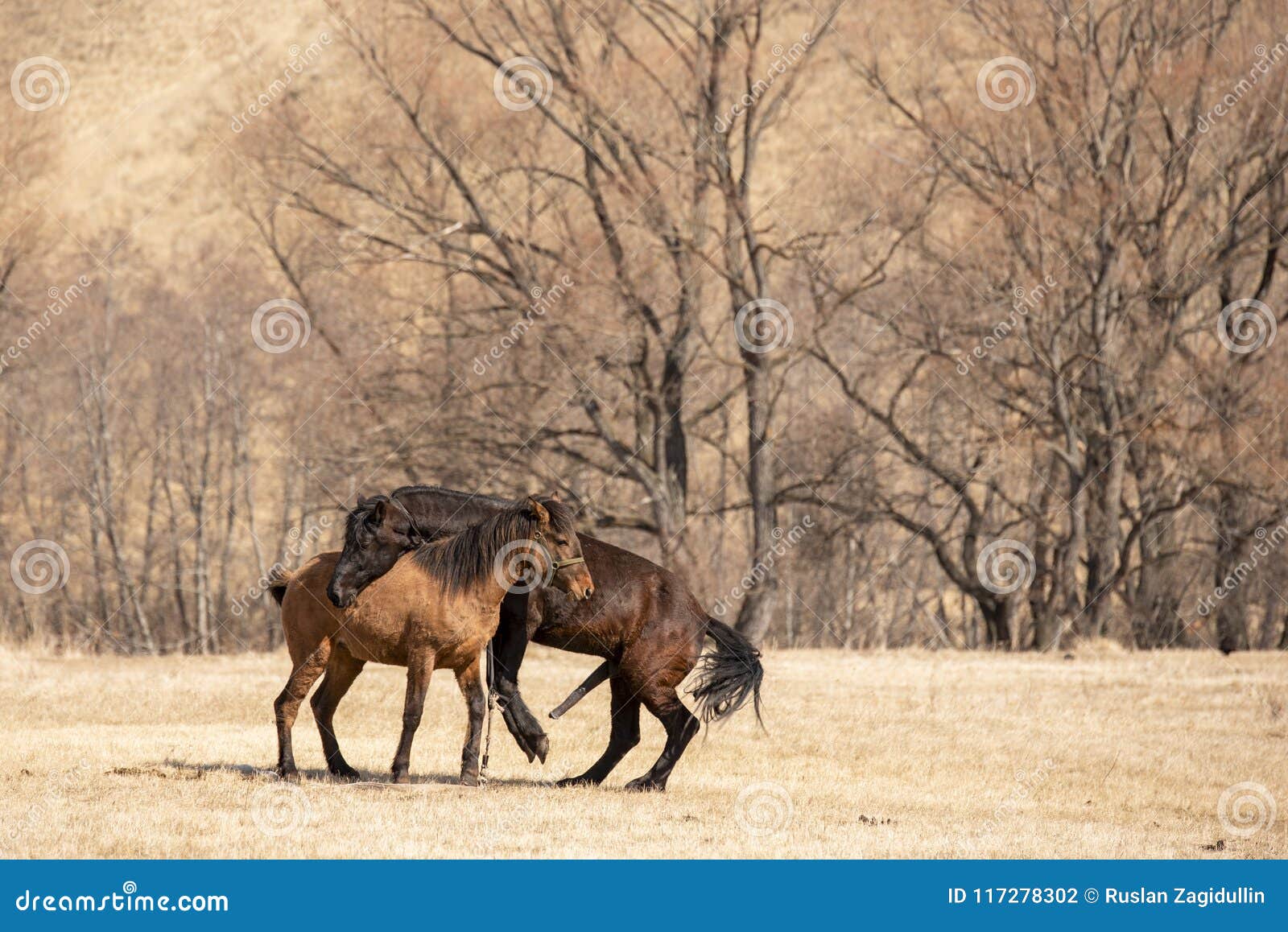
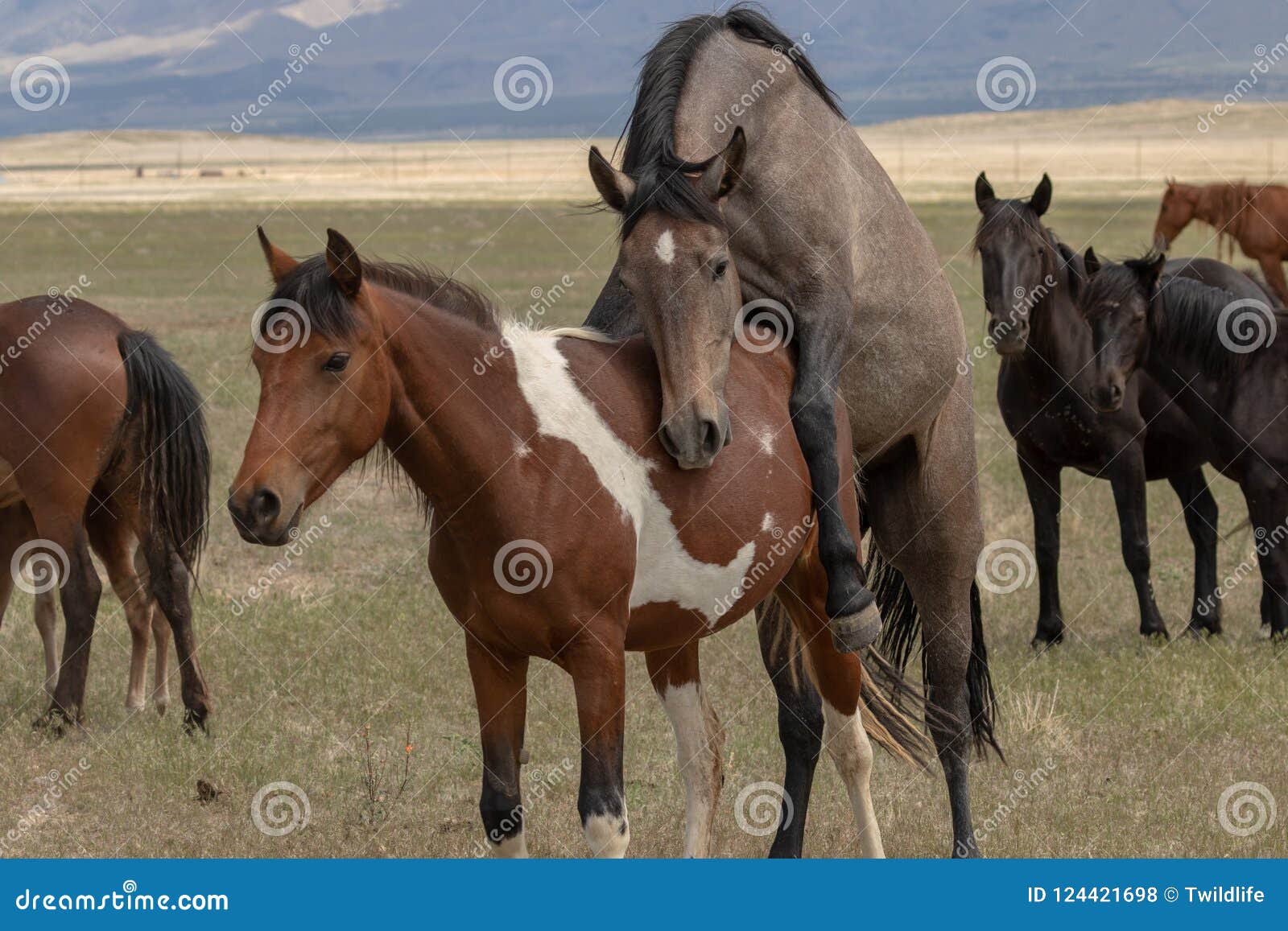
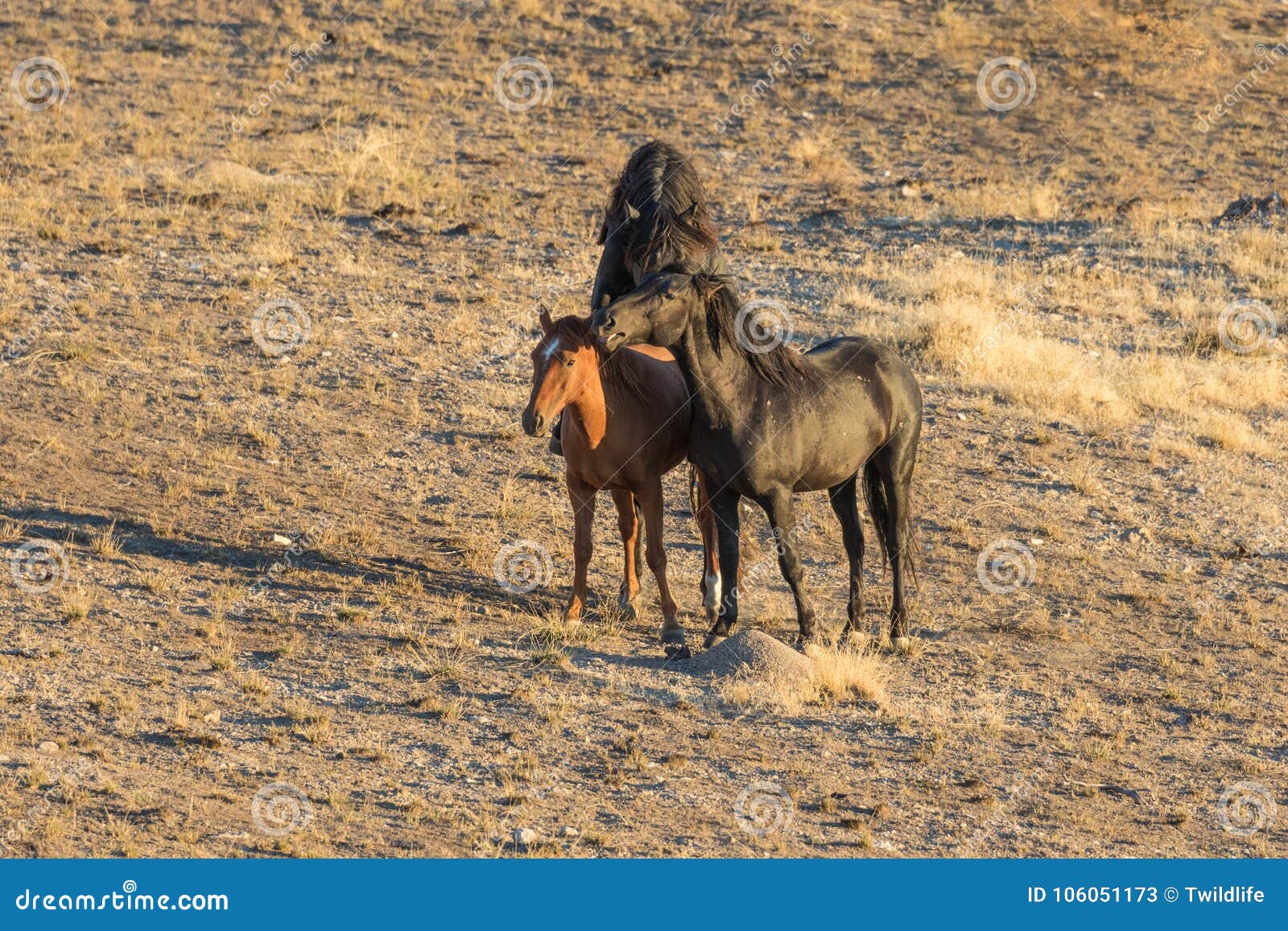
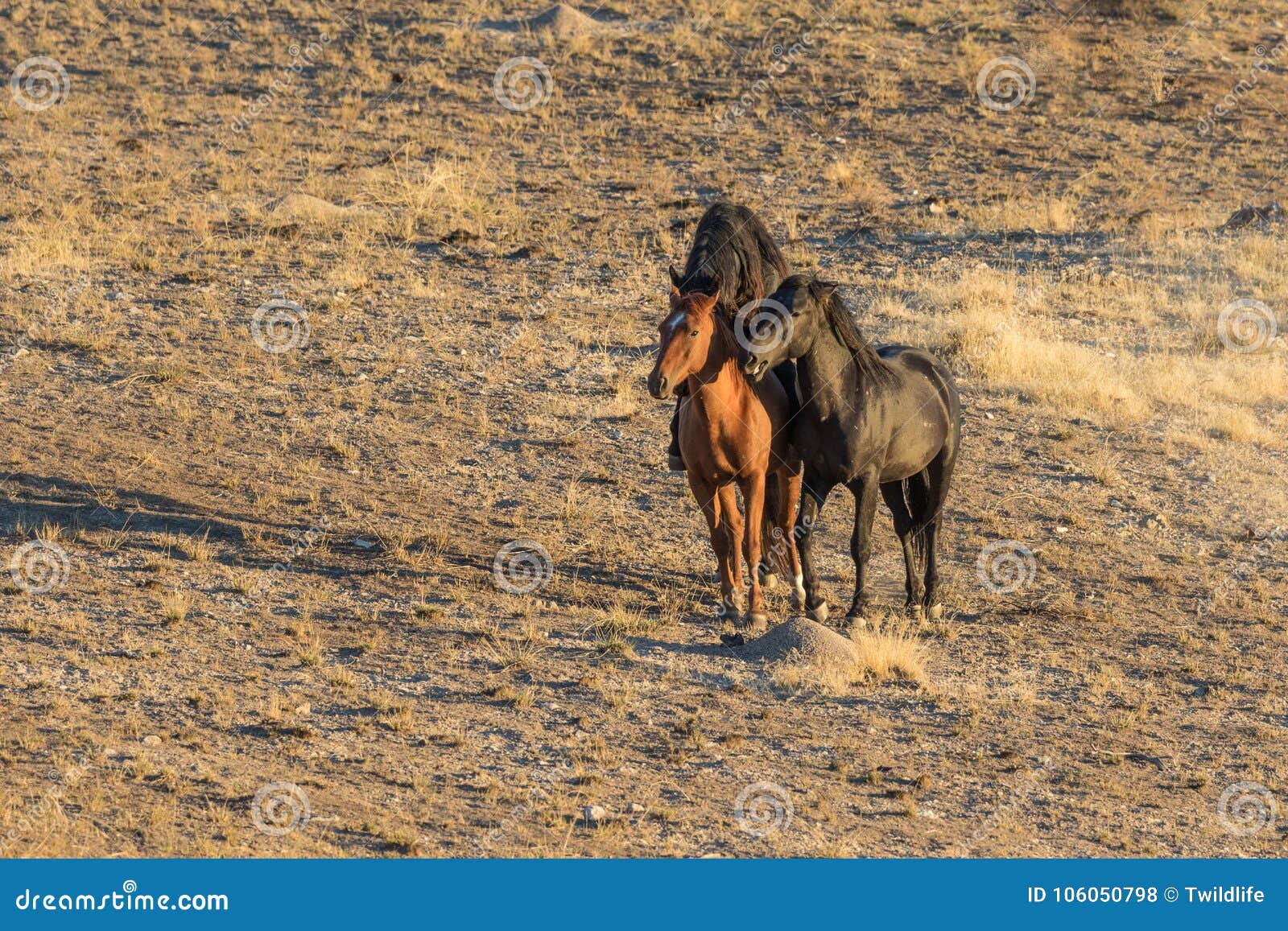
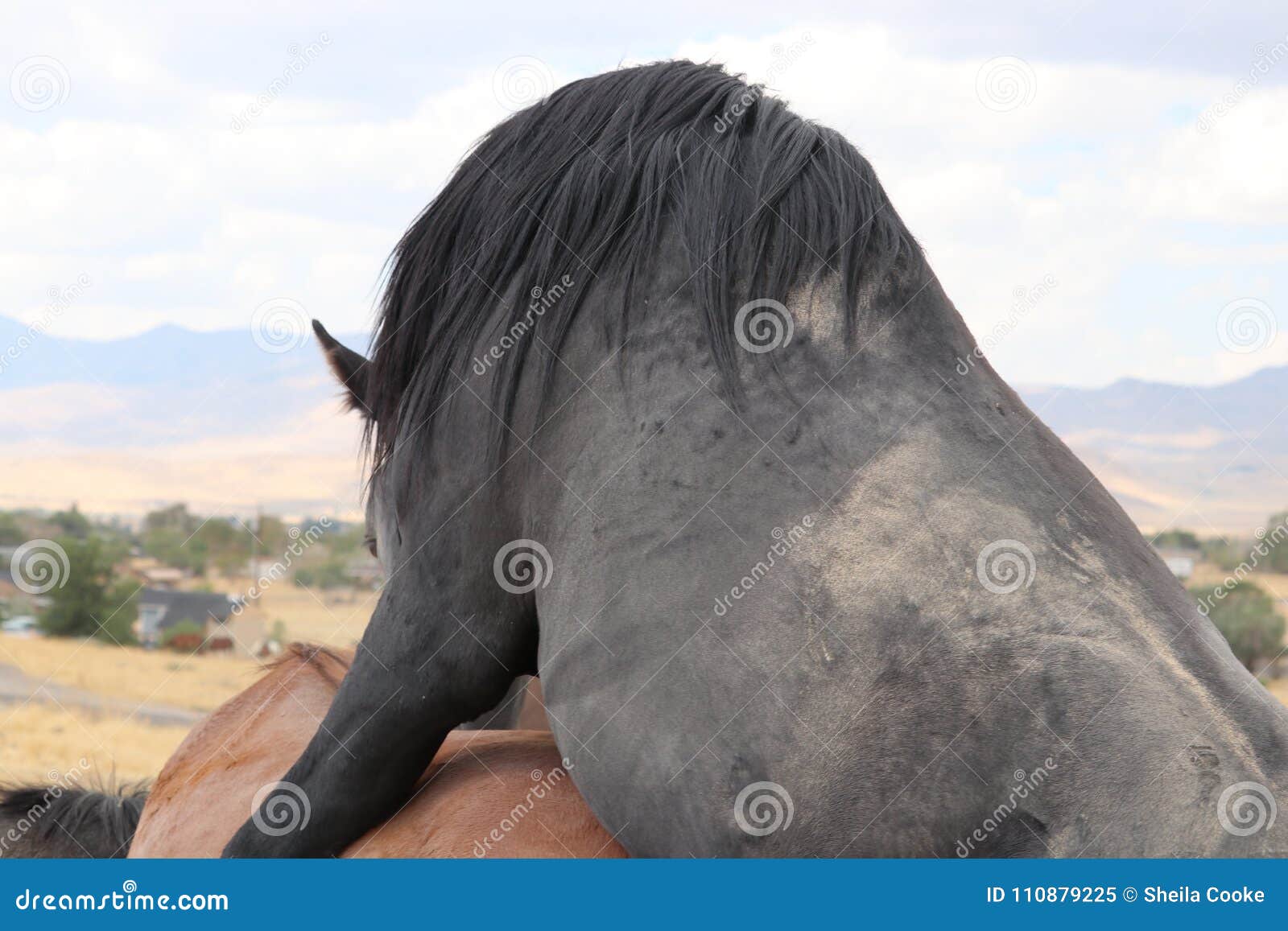
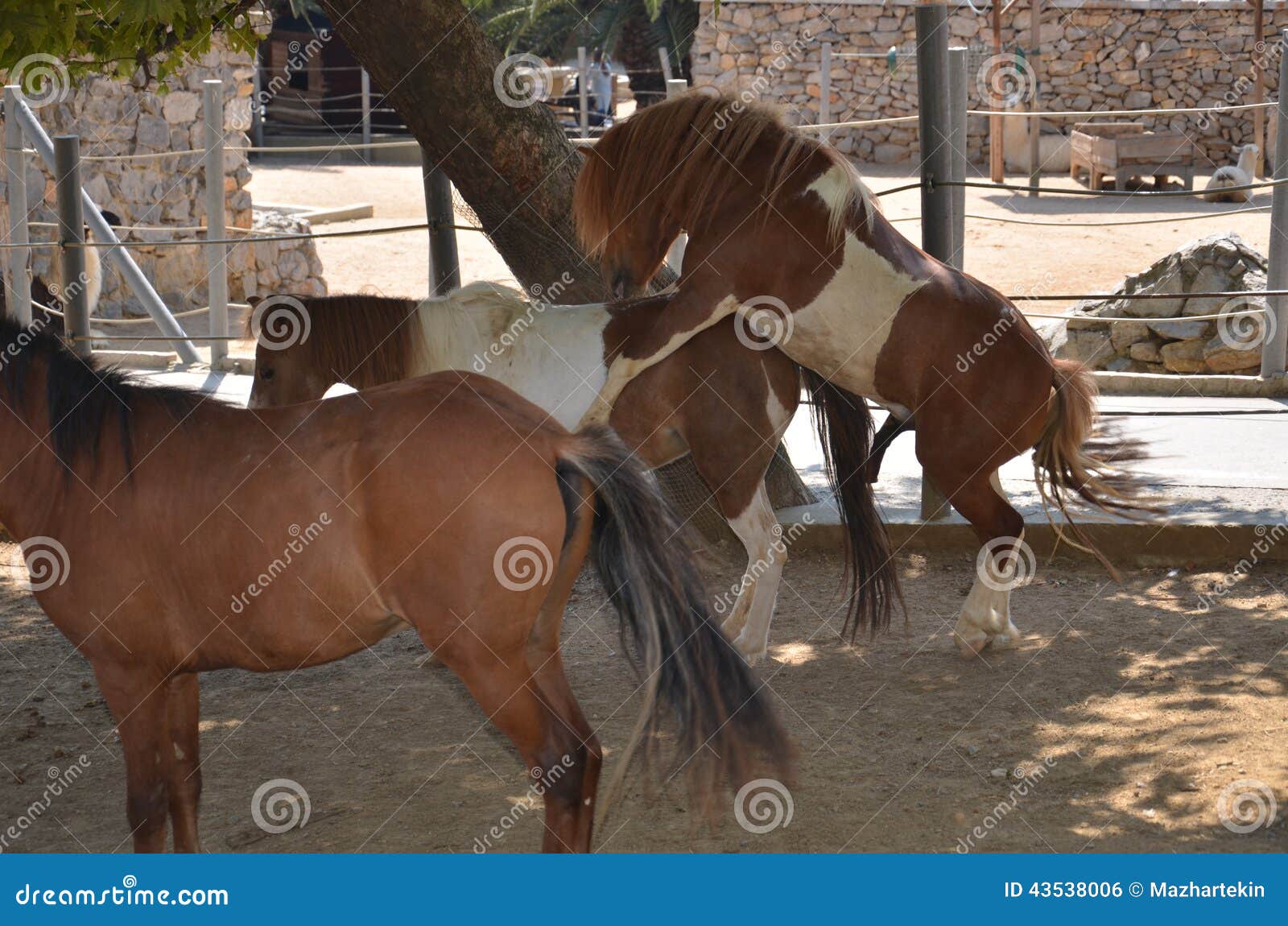
The stallion will first exhibit courtship behavior, including vocalizations (nicking) and nuzzling the mare. Once aroused, the stallion mounts the mare from the rear. In a professional setting, the mare’s tail is wrapped, and her perineal area is cleaned with warm water (no soaps, which can be spermicidal).
Safety equipment for the mare may include:
- Breeding Hobbles: To prevent the mare from kicking the stallion.
- Neck Cradle or Cape: To protect the mare's neck from the stallion's teeth during the mount.
- Twitch Application: A humane restraint used briefly to keep the mare still during the initial mount.
The "breeding roll" or "roll" is sometimes placed between the stallion and mare to prevent too deep an intromission, which can cause uterine bruising or injury in smaller mares. The stallion's ejaculation is confirmed by the handler through "flagging" of the stallion's tail—a rhythmic pulsing movement—and manual palpation of the urethra.
Artificial Insemination (AI) Advancements in 2026
For breeds that allow AI, the "mating" process is a clinical procedure. The stallion is collected using an Artificial Vagina (AV) while mounting a "phantom" or "dummy" mare. This process is significantly safer for the stallion as it eliminates the risk of being kicked.
Once the semen is collected, it is analyzed in the on-site lab. In 2026, semen extenders have been optimized with specific antioxidants and nutrient profiles that maintain mitochondrial function in sperm cells for up to 96 hours for chilled transport. The insemination itself involves passing a sterile pipette through the mare's cervix and depositing the semen directly into the uterine body or the tip of the uterine horn ipsilateral to the pre-ovulatory follicle.
Post-Mating Management and Pregnancy Diagnosis
Regardless of the method, the 48 hours following mating are critical. The mare’s uterus must clear any inflammatory fluid resulting from the introduction of semen. In 2026, "Post-Breeding Induced Endometritis" (PBIE) is managed with oxytocin injections and, if necessary, uterine lavage using sterile lactated Ringer's solution.
Pregnancy diagnosis has reached new levels of precision in 2026:
- Day 14: The first ultrasound check to detect the embryonic vesicle and identify potential twins (which must be "reduced" to a single embryo for the safety of the mare).
- Day 25-28: Detection of the fetal heartbeat.
- Day 45: Confirmation of endometrial cup formation and the transition from embryo to fetus.
Ethical Considerations and Risk Management
Breeding horses involves significant financial and ethical responsibilities. The 2026 industry emphasizes the "Whole Life Responsibility" model, ensuring that every mating is purposeful and that the resulting foal has a clear pathway for care and career.
Pros of Controlled Mating:
- Genetic Improvement: Selecting for health, temperament, and athletic ability.
- Safety: Managed mating reduces the risk of orthopedic injuries or reproductive tract trauma compared to pasture breeding.
- Disease Control: Strict testing protocols prevent the spread of Equine Viral Arteritis (EVA) and other venereal diseases.
Cons and Risks:
- High Cost: Veterinary fees, stallion service fees, and specialized nutrition can exceed $15,000 to $50,000 per attempt for elite lines.
- Physical Risk: Even with handlers, the weight of a 1,200lb stallion mounting a mare carries inherent risks of slips or falls.
- Low Success Rates: Biology is unpredictable; despite perfect timing, conception may not occur, leading to "empty" seasons.
Step-by-Step Breeding Shed Workflow (2026 Standard)
- Identification Verification: Scanning the microchips of both mare and stallion to ensure correct pairing and log the event in the 2026 Digital Studbook.
- Sanitization: Cleaning the mare’s vulva and the stallion’s penis (pre-wash) to minimize bacterial load.
- Protective Gear: Fitting the mare with breeding boots and a protective leather neck cape.
- The Mount: Controlled approach by the stallion handler, allowing for brief olfactory contact before the mount.
- Verification of Ejaculation: Observation of the tail-flag and post-coital inspection of the stallion’s penis for complete "glans" detumescence.
- Post-Coital Care: Walking the mare for 10-15 minutes to prevent immediate straining and to encourage uterine tone.
Frequently Asked Questions
How many times should a horse mate to ensure pregnancy? In a professional setting, the goal is a single, well-timed mating within 12-24 hours of ovulation. While horses in the wild may mate multiple times a day, frequent mating in domestic settings increases the risk of uterine inflammation and injury without significantly increasing the conception rate if the timing is correct.
At what age can horses start mating? While horses reach puberty between 12 and 18 months, professional 2026 standards strictly advise against breeding until the mare is at least 3 or 4 years old. This ensures she has reached physical skeletal maturity and has the nutrient reserves to support both her growth and that of the foal.
Is natural mating more successful than artificial insemination? Statistically, fresh-chilled AI often has higher per-cycle conception rates (75%+) compared to natural cover (70%) because the semen is filtered, concentrated, and enhanced with extenders. However, for Thoroughbreds, natural cover remains the only legal method for registry.
What are the risks of "pasture breeding"? Pasture breeding (leaving a stallion in a field with mares) carries the highest risk of injury to both parties. There is no control over timing, and stallions may over-exert themselves or be kicked by non-receptive mares. In 2026, this is largely discouraged for high-value or performance-bred horses.
How do you know if the mating was successful? Success is confirmed via transrectal ultrasound. The most accurate initial window is 14 days post-ovulation. If the mare returns to "heat" behaviors 18-21 days after mating, it is a clinical indicator that conception did not occur.
For owners and managers planning for the 2026 season, the key to success lies in rigorous preparation and the integration of veterinary science with traditional handling techniques. By prioritizing the safety of the animals and the precision of the timing, breeders can ensure a productive and sustainable future for their equine programs.