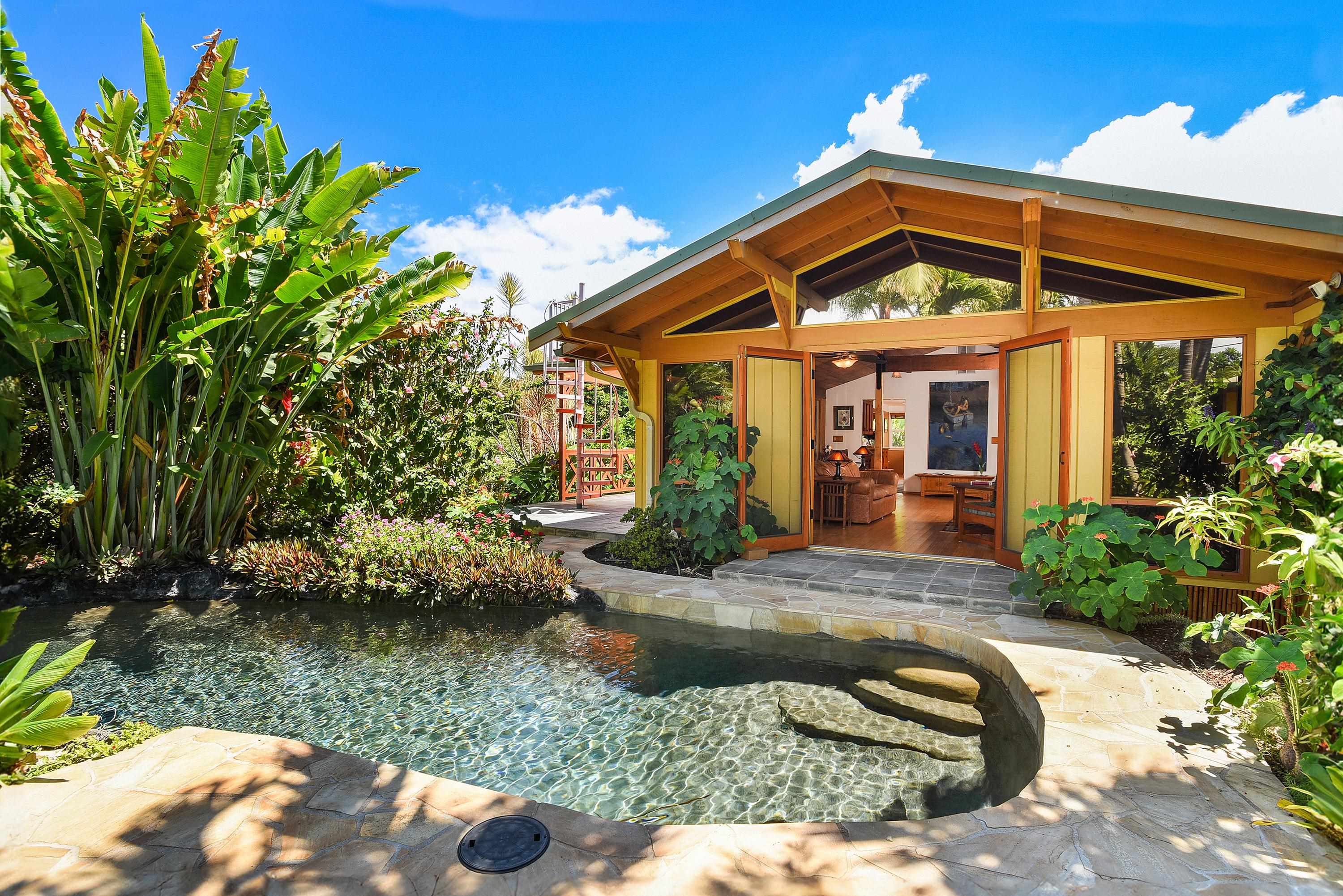
The 2026 landscape for homes on Maui represents a pivotal era of transformation, balancing sophisticated luxury developments with a rigorous commitment to community-centric housing recovery. Navigating this market requires an understanding of the profound shifts in zoning regulations, the evolution of the short-term rental market, and the current rebuilding status of West Maui. This guide provides a comprehensive technical analysis for investors, families, and retirees looking to secure a property on the Valley Isle in 2026.
While "homes on Maui" predominantly refers to residential real estate listings and market data, this analysis focuses exclusively on fee-simple and leasehold residential properties, excluding temporary vacation resort management services to ensure the highest relevance for prospective property owners.
The State of Maui Real Estate in 2026: A Market Overview
As we move through 2026, the Maui real estate market has reached a point of stabilized "new normal" following the volatile recovery period of the mid-2020s. Inventory levels, while still historically lean, have seen a slight increase due to the completion of several key workforce housing projects and the transition of former short-term rental units into the residential sales pool.
The median sales price for single-family homes on Maui in 2026 has plateaued at approximately $1.35 million, though this varies significantly by district. The market is currently characterized by a "flight to quality," where buyers prioritize homes with modern fire-mitigation features, sustainable energy systems, and proximity to resilient infrastructure.
The Impact of Short-Term Rental Transitions
One of the most significant drivers of the 2026 market is the downstream effect of Maui County’s 2024-2025 legislative efforts to phase out short-term rentals (STRs) in apartment-zoned districts (the "Minatoya List" properties).
Expert Strategic Insight: The STR Shift In 2026, we are seeing a distinct bifurcation in the market. Properties that lost their short-term rental eligibility have transitioned into long-term residential options. For buyers, this means more inventory in South Maui and West Maui that was previously locked in the vacation rental market. However, investors must be aware that these units are now valued based on residential appraisal standards rather than nightly-yield cap rates.
Regional Analysis: Where to Buy Homes on Maui in 2026
South Maui: Wailea and Kihei
South Maui remains the most active sector of the market. Wailea continues to command premium pricing for luxury estates, while Kihei offers a mix of entry-level (by Hawaii standards) homes and mid-tier residential properties. In 2026, the "South Maui Community Plan" updates have emphasized walkability and drainage infrastructure, increasing the value of homes situated near the North Kihei greenway.
West Maui: The Lahaina Reconstruction Era
By 2026, the rebuilding of Lahaina has moved from the planning phase to significant vertical construction. New homes in the Lahaina footprint are being built to the 2026 International Wildland-Urban Interface Code (IWUIC), featuring non-combustible siding and advanced interior sprinkler systems. These properties represent the most modern housing stock on the island, though they come with stringent design review requirements.
Upcountry: Kula, Makawao, and Pukalani
The demand for Upcountry homes has surged in 2026 as buyers seek larger lot sizes and cooler climates. Agricultural-zoned (Ag) land remains highly sought after, but buyers must be prepared for the 2026 enforcement of "active agriculture" requirements to maintain preferential tax rates.
Technical Specifications: 2026 Maui Property Comparison
| District | Median Home Price (2026) | Typical Lot Size | Primary Zoning Type | 2026 Market Sentiment |
|---|---|---|---|---|
| Wailea | $4,200,000+ | 10,000 - 25,000 sq ft | Residential / PUD | Strong Seller's Market |
| Kihei | $1,150,000 | 6,000 - 8,000 sq ft | Residential (R-1/2/3) | Balanced / Stable |
| Lahaina | $1,300,000* | 5,000 - 7,500 sq ft | Residential (Rebuild) | High Demand / Limited Supply |
| Kula | $1,650,000 | 0.5 - 2.0 Acres | Agricultural / Rural | Extremely Tight Inventory |
| Wailuku | $985,000 | 5,000 - 7,500 sq ft | Residential / Urbanized | Primary Resident Focused |
Note: Lahaina pricing reflects 2026 new-build valuations.
Critical Financial and Operational Realities for 2026
Financing and Interest Rates
In 2026, mortgage rates have stabilized following the Federal Reserve's adjustments in 2025. Conventional 30-year fixed rates for Maui properties are hovering around 5.8% to 6.2%. However, "Jumbo" loans, which are common for Maui's high-value homes, require higher down payments—often 25-30%—and stricter debt-to-income (DTI) ratios than seen in previous years.
Property Insurance: The 2026 Challenge
Securing homeowners' insurance is a critical step in the 2026 buying process. Following global climate shifts and local events, many traditional carriers have updated their underwriting maps.
- HIC (Hawaii Insurance Council) Standards: Most lenders now require a detailed brush-clearance certification for homes in leeward areas.
- The Hawaii FAIR Plan: For properties in higher-risk zones that cannot secure private insurance, the Hawaii Property Insurance Association (HPIA) remains the insurer of last resort, though premiums are significantly higher.
Tax Classifications in Maui County
Maui County utilizes a tiered property tax system based on use. In 2026, the "Owner-Occupied" rate remains the lowest, provided the owner files a Home Exemption claim by the December 31st deadline.
- Owner-Occupied: The most favorable rate for primary residents.
- Non-Owner Occupied (Residential Investor): Significantly higher rates for second homes that are not used as rentals.
- TVR (Transient Vacation Rental): The highest tax bracket, applicable only to legally permitted short-term rentals.
Step-by-Step Guide to Purchasing a Home on Maui in 2026
- Obtain a 2026 Pre-Approval from a Hawaii-Based Lender: Local lenders understand the nuances of Maui’s "lava zones" (though less applicable to Maui than Big Island) and specific condo-tel classifications that mainland banks often miss.
- Conduct a Shoreline Management Area (SMA) Review: If the property is near the coast, verify the 2026 sea-level rise set-back requirements. New 2026 guidelines may restrict your ability to expand the footprint of an existing coastal home.
- Perform a Specialized Inspection: Beyond standard home inspections, 2026 buyers should commission a cesspool-to-septic conversion feasibility study, as Hawaii state law mandates the phase-out of all cesspools by 2050, with intermediate 2030 deadlines for certain sensitive areas.
- Review the Title Report for Easements: Many Maui homes have "Kuleana" rights or traditional access easements that are protected under Hawaii State Law. Understanding these is essential for harmonious property ownership.
- Finalize the Purchase Contract (HAR Form): Ensure your Realtor uses the latest 2026 Hawaii Association of Realtors standard forms, which include updated disclosures regarding fire risk and water rights.
Pros and Cons of Buying a Home on Maui in 2026
The Benefits of 2026 Acquisition Market Maturation: The 2026 market is less "frenzied" than the 2021-2023 period, allowing for more thorough due diligence. Modern Infrastructure: Homes built or renovated in 2026 adhere to the highest safety and sustainability standards in the island's history. Community Resilience: Purchasing now supports the long-term economic stabilization of the island.
The Challenges of 2026 Acquisition Cost of Living: Beyond the mortgage, Hawaii’s "cost of paradise" (utilities, groceries, and shipping) remains the highest in the U.S. Regulatory Volatility: County councils continue to debate zoning changes to address housing shortages, meaning long-term rental rules could still evolve. Environmental Factors: Ongoing monitoring of water resources and coastal erosion requires homeowners to be proactive and informed.
Frequently Asked Questions (FAQ)
What is the current median price for homes on Maui in 2026?
The median price for a single-family home on Maui is approximately $1.35 million in 2026. This figure reflects a stabilized market where high demand for luxury properties in Wailea is balanced by new residential developments in Central and West Maui.
Are short-term rentals still a viable investment on Maui in 2026?
Short-term rentals are strictly limited to specific resort-zoned districts and "grandfathered" properties as of 2026. The inventory of legal short-term rentals has decreased significantly due to the 2024-2025 policy shifts, making existing legal permits highly valuable but subject to intense regulatory scrutiny and higher tax rates.
How has the Lahaina fire affected home availability in 2026?
By 2026, the reconstruction of Lahaina has introduced new, modern inventory to the market, although many of these homes are being built by original residents. The availability of homes in West Maui has shifted toward new construction that meets 2026 fire-safety codes, which has raised the baseline quality and price of the area.
Do I need a special inspection for water or septic systems?
Yes, in 2026, it is standard practice to conduct a cesspool-to-septic conversion assessment. Hawaii state law requires all cesspools to be replaced by 2050, and many buyers are negotiating these conversion costs—which can range from $20,000 to $50,000—into their 2026 purchase agreements.
What are the 2026 property tax rates for Maui homeowners?
Property tax rates depend on the "Actual Use" of the property. For the 2025-2026 tax year, owner-occupants receive the lowest rate, followed by long-term rentals, while "Non-Owner Occupied" residential homes and Vacation Rentals pay significantly higher premiums to support the County’s housing funds.
Securing Your Future in the Hawaiian Islands
Buying a home on Maui in 2026 requires more than just financial capital; it requires a commitment to the island's unique cultural and environmental landscape. Whether you are looking for a modern estate in the hills of Kapalua or a quiet residence in the Upcountry fog, the 2026 market offers opportunities for those who are well-prepared and professionally advised. To ensure a successful transaction, partner with a local expert who understands the 2026 regulatory environment and can navigate the complexities of Hawaii real estate law.