Hip hop is a comprehensive cultural movement and artistic genre that originated in the Bronx, New York City, during the early 1970s. It is defined by four core pillars: DJing (turntablism), MCing (rapping), breaking (dance), and graffiti art. As of 2026, it stands as the world’s most influential cultural export, driving global trends in music, fashion, and social activism.
The Foundation: Understanding the Four Core Pillars
To understand hip hop, one must view it not merely as a musical genre but as a synergistic cultural ecosystem. While the public often focuses on the music, the culture is supported by four distinct yet interconnected disciplines. Each pillar represents a different form of self-expression that emerged from the socio-economic conditions of the South Bronx, where marginalized youth sought to reclaim their environment through creativity.
DJing and the Birth of the Break
DJing, or turntablism, is the foundational pillar. In 1973, DJ Kool Herc is credited with "inventing" hip hop at a back-to-school party at 1520 Sedgwick Avenue. Herc noticed that the crowd reacted most enthusiastically to the "break"—the percussion-heavy section of a song where the vocals and melody drop out. By using two turntables to loop these breaks, he created a continuous flow of danceable music. This technical innovation, later refined by Grandmaster Flash (who introduced "scratching" and "cutting") and Afrika Bambaataa, provided the rhythmic canvas upon which all other pillars were built.
MCing and Oral Tradition
MCing (Master of Ceremonies) evolved from simple announcements and crowd-pumping chants into a complex form of poetic storytelling known as rapping. Influenced by West African "griots" and Caribbean "toasting," early MCs used the microphone to narrate the realities of urban life. Over decades, the technicality of MCing has expanded to include intricate rhyme schemes, metaphors, and various rhythmic "flows." In 2026, the MC remains the most visible ambassador of the culture, bridging the gap between street-level experiences and global commercial success.
Breaking and Physical Expression
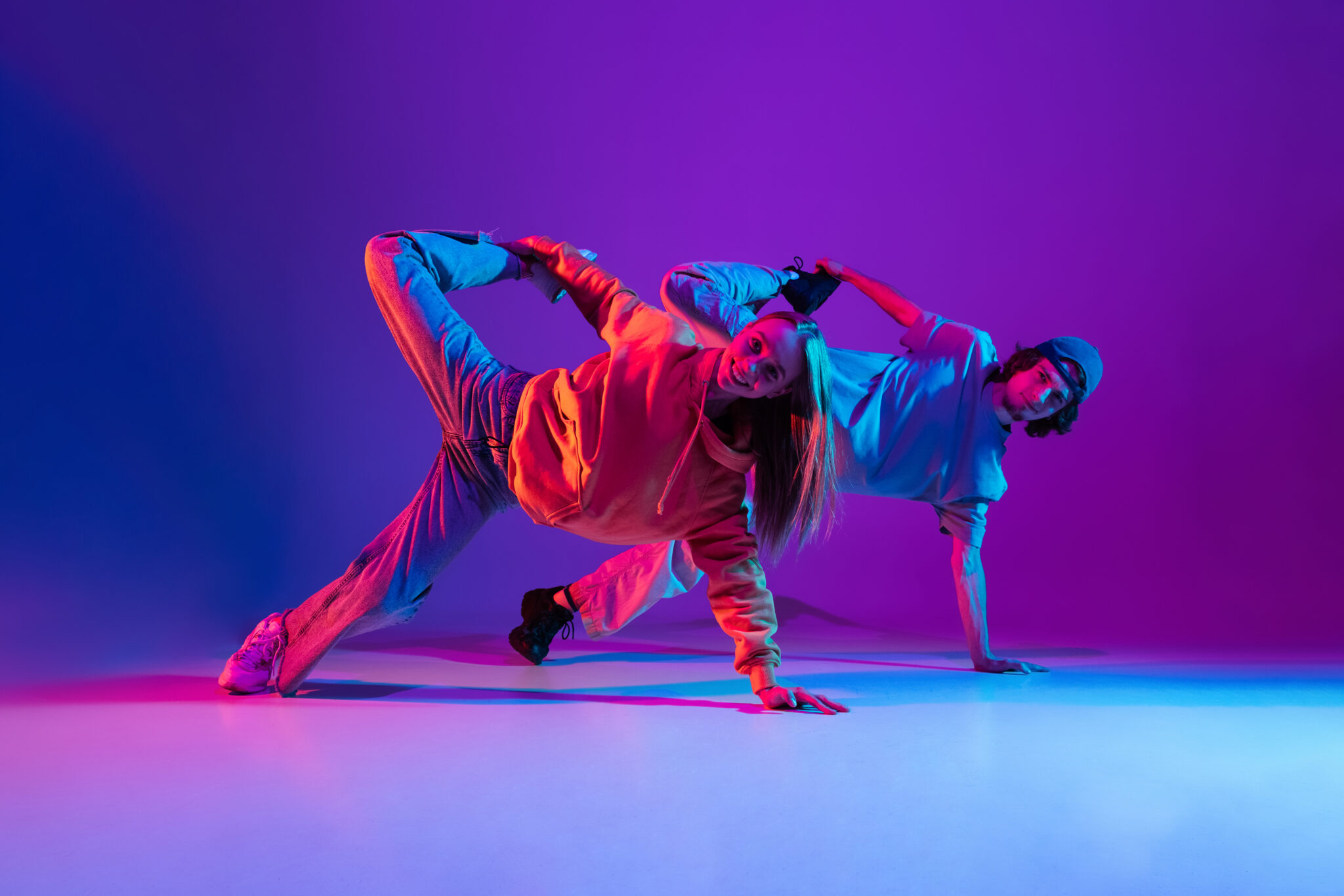
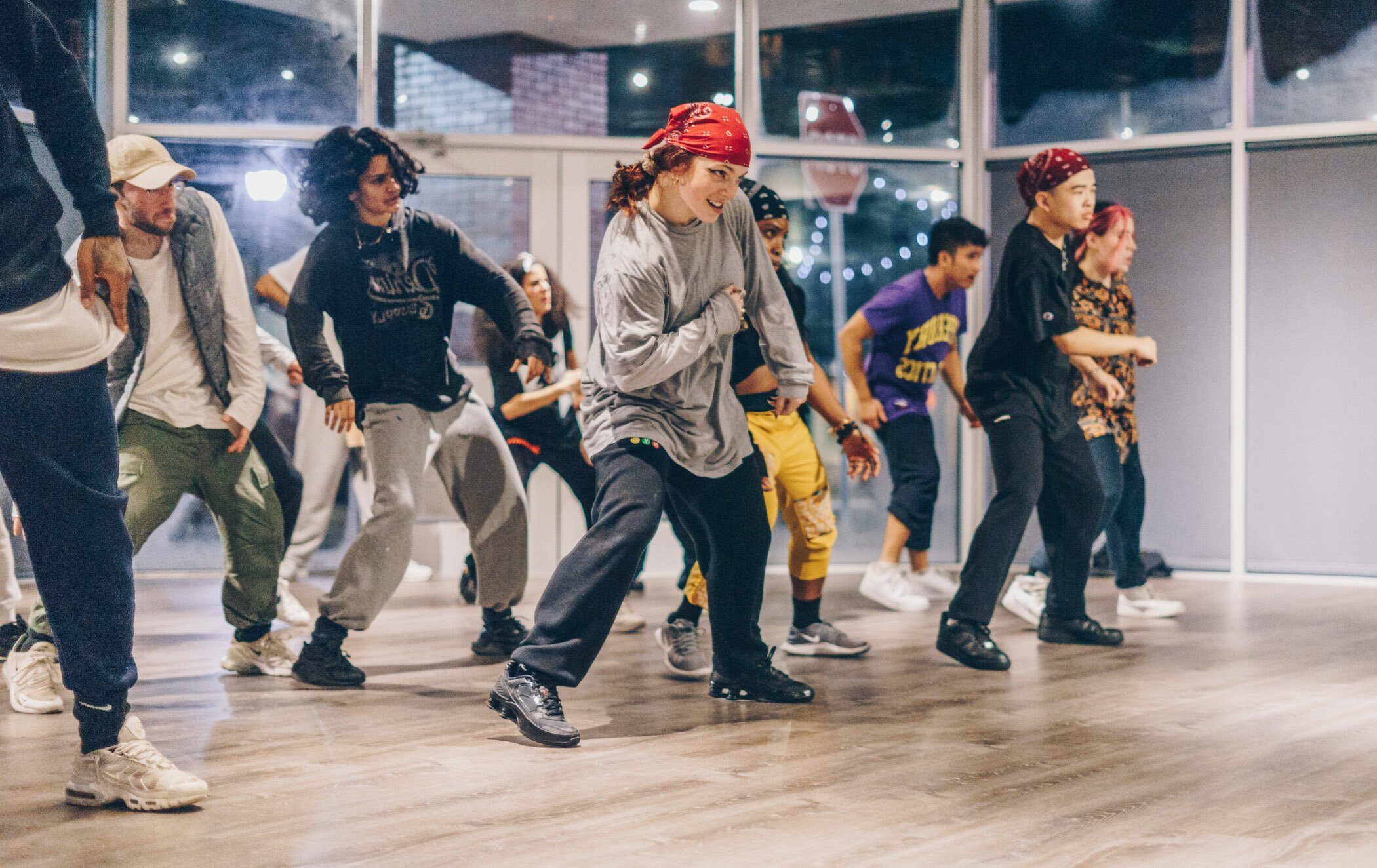
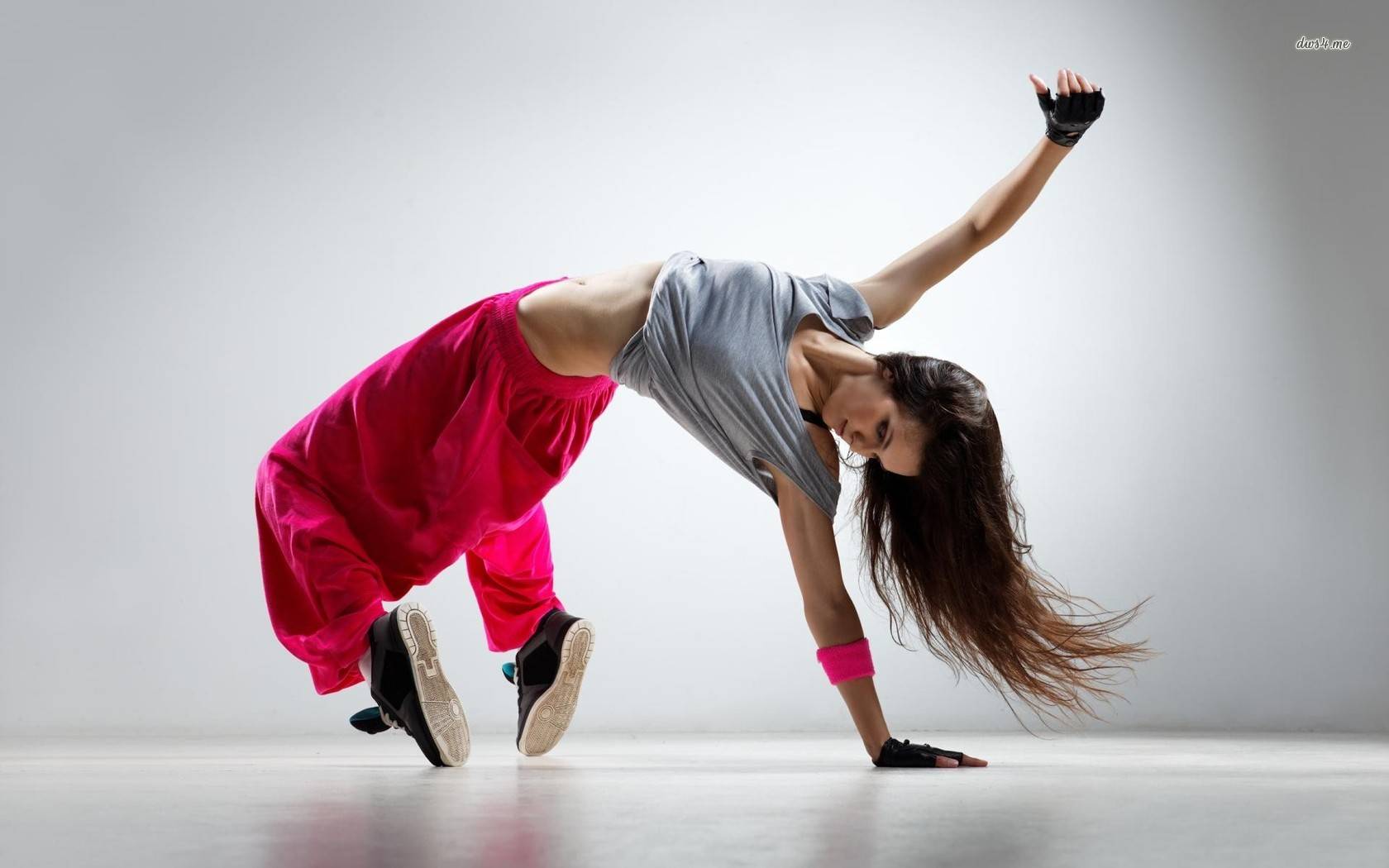
Breaking (or B-boying/B-girling) is the physical manifestation of hip hop. It originated as a high-energy dance style performed during the musical "breaks" provided by the DJ. Breaking incorporates footwork, power moves (such as spins), and "toprock." It served as a non-violent way for rival groups to settle disputes. The competitive nature of breaking has seen it evolve from the streets of New York to the global stage, including its inclusion in international sporting competitions and professional dance leagues.
Graffiti Art and Visual Identity
Graffiti is the visual language of hip hop. Initially used by youth to "tag" their names on subway cars and city walls to claim territory and visibility, it evolved into complex "pieces" (masterpieces). Graffiti writers like Phase 2 and Lady Pink developed intricate lettering and vibrant color palettes that defined the aesthetic of the movement. Although often marginalized as vandalism, graffiti eventually transitioned into the world of high art, influencing modern graphic design and contemporary gallery culture.
Historical Milestones: From Local Roots to Global Dominance
The trajectory of hip hop is marked by several distinct eras, each characterized by technological shifts and changing social perspectives. Understanding this timeline is essential for recognizing how the movement maintained its core identity while achieving massive commercial expansion.
The Golden Age (Mid-1980s to Mid-1990s)
Often referred to as the "Golden Age," this period saw hip hop diversify in both sound and message. Artists like Run-D.M.C. brought hip hop to MTV and mainstream rock audiences, while groups like Public Enemy and N.W.A. introduced heavy social and political commentary. This era was defined by sample-heavy production, facilitated by new technology like the E-mu SP-1200 and Akai MPC, which allowed producers to "chop" and rearrange sounds with unprecedented precision.
The Commercial Explosion and Regional Diversification
By the late 1990s and early 2000s, hip hop surpassed rock as the best-selling music genre in the United States. This era saw the rise of regional sounds: the gritty storytelling of the East Coast (The Notorious B.I.G., Wu-Tang Clan), the "G-Funk" of the West Coast (Dr. Dre, Snoop Dogg), and the high-energy "Dirty South" (Outkast, Cash Money Records). This diversification proved that hip hop was not a monolith but a collection of localized movements with universal appeal.
The Digital Revolution and the Streaming Era
The 2010s marked a shift toward independent distribution and the dominance of streaming. Platforms like SoundCloud allowed artists to bypass traditional label gatekeepers, leading to the rise of genres like "Trap" and "Emo Rap." By 2026, the industry has fully integrated these digital-first models, with algorithms and social media trends (such as those on TikTok and its successors) playing a primary role in discovering new talent and dictating the tempo of popular culture.
Technical Innovation in Hip Hop Production
The sound of hip hop has always been tied to the tools available to its creators. From the analog warmth of vinyl to the digital precision of modern software, production is an exercise in "making something out of nothing."
| Era | Primary Technology | Signature Production Technique | Key Innovators |
|---|---|---|---|
| Foundation (70s) | Dual Turntables, Mixers | The "Merry-Go-Round" (Looping) | DJ Kool Herc, Grandmaster Flash |
| Golden Age (80s-90s) | Akai MPC, SP-1200 | Hard-hitting drum samples, jazz loops | Marley Marl, J Dilla, DJ Premier |
| Bling Era (2000s) | Digital Audio Workstations (DAWs) | High-fidelity synths, orchestral layers | Timbaland, The Neptunes, Kanye West |
| Modern Era (2020-2026) | AI-Assisted Plugins, Cloud Collabs | 808 glides, generative melodies, immersive audio | Metro Boomin, Mike Dean, WondaGurl |
Current production trends in 2026 emphasize "Immersive Audio" and spatial mixing, allowing listeners to experience a 360-degree soundscape. Furthermore, Artificial Intelligence has become a standard tool in the producer’s toolkit, used for stem separation (isolating vocals from old records for cleaner sampling) and generative rhythm patterns, though the "human touch" of the DJ remains the gold standard for authenticity.
Hip Hop as an Economic and Social Powerhouse
Hip hop's influence extends far beyond the recording studio. It has transformed into a multi-billion dollar industry that dictates trends in high fashion, technology, and sports.
The Business of Culture
Hip hop artists were among the first to master the art of "brand extension." Figures like Jay-Z, Dr. Dre, and Pharrell Williams transitioned from performers to moguls, launching successful ventures in apparel, beverages, and electronics. The "collab culture" seen in 2026—where luxury houses like Louis Vuitton or Dior partner with hip hop icons—is a direct result of the genre's long-standing relationship with aspirational style.
Social Activism and Identity
Since its inception, hip hop has served as the "CNN of the streets," a phrase coined by Chuck D of Public Enemy. It provides a platform for discussing systemic inequality, police reform, and economic empowerment. In the 2020s, this role has expanded as artists use their massive social media footprints to mobilize voters and fund community initiatives. Hip hop remains a vital tool for education and social change, particularly in urban centers where traditional political structures may fail to resonate.
Common Misconceptions and Cultural Integrity
As hip hop has become more commercialized, several misconceptions have arisen regarding its nature and purpose. Addressing these is crucial for maintaining the culture’s integrity.
- Hip Hop is only about Music: As established by the four pillars, hip hop is a holistic culture. Reducing it to "just rap" ignores the visual artists, dancers, and DJs who sustain the movement.
- The "Fifth Element": Many scholars and pioneers argue for a "Fifth Element"—Knowledge. This refers to the historical awareness and social consciousness required to participate in the culture responsibly. Without knowledge, the other elements lack context and depth.
- Commercial Success vs. Authenticity: There is an ongoing debate about "selling out." However, hip hop has always been about economic elevation. The challenge for 2026 artists is balancing commercial viability with the "street-level" authenticity that gave the movement its initial power.
Frequently Asked Questions
What is the difference between Hip Hop and Rap?
Rap is a specific musical technique of vocal delivery (MCing), while hip hop is the overarching culture that encompasses rap, DJing, dance, and art. You can rap without being part of hip hop culture (e.g., in pop or rock contexts), but hip hop is the historical and cultural home of the art form.
Why is the year 1973 significant for Hip Hop?
August 11, 1973, is widely cited as the "birthday" of hip hop. It marks the date of DJ Kool Herc’s party in the Bronx where he debuted the "breakbeat" technique. While the culture's roots go back further, this event is the symbolic starting point for the movement as a cohesive entity.
How has AI impacted Hip Hop in 2026?
AI is primarily used as a creative assistant in 2026. Producers use AI for sophisticated sampling and vocal processing, while some artists use generative tools for lyric ideation. However, the culture has largely pushed back against "fake" AI-generated artists, prioritizing the lived experience and human narrative that defines hip hop authenticity.
Is Hip Hop still the most popular genre in the world?
Yes. As of 2026, hip hop and its subgenres (like Trap, Drill, and Latin Trap) continue to lead global streaming charts and influence international markets. Its ability to adapt to local languages and social contexts has made it a universal language for youth worldwide.
What is the "Fifth Element" of Hip Hop?
The Fifth Element is commonly defined as "Knowledge of Self" or simply "Knowledge." It was championed by figures like Afrika Bambaataa and the Universal Zulu Nation to emphasize that the culture should be used for self-improvement, community education, and the preservation of history.
Engaging with Hip Hop: Best Practices for 2026
For those looking to engage with hip hop culture today, whether as a creator or a fan, a focus on "active participation" over "passive consumption" is recommended.
- Support the Foundations: While mainstream hits are easily accessible, seek out local "open mic" nights, graffiti galleries, and breaking competitions. This is where the culture remains most vibrant and experimental.
- Study the History: Use resources like the Universal Hip Hop Museum (the premier physical archive of the culture) or the Smithsonian Institution's hip hop archives to understand the evolution of the genre.
- Understand Regional Variations: Hip hop is no longer just a New York story. Explore the "UK Drill" scene, the "Afrobeats" crossover in Nigeria, or the "K-Hip Hop" movement in Seoul to see how different cultures have adapted the four pillars to their own environments.
- Contribute Authentically: If you are a creator, focus on your own narrative. Hip hop rewards originality. Attempting to mimic a specific trend often results in "culture-vulture" criticism; instead, use the tools of hip hop (the pillars) to express your unique reality.