The highest-paid golfers of all time have amassed their wealth through a combination of tournament prize money, massive signing bonuses from the LIV Golf circuit, and lucrative long-term endorsements. As of 2026, Tiger Woods remains the undisputed leader with career earnings exceeding $1.8 billion, followed by Phil Mickelson and Rory McIlroy, whose fortunes are bolstered by significant off-course business ventures and global sponsorships.
The Evolution of Professional Golf Wealth
The financial landscape of professional golf has undergone a seismic shift over the last five decades. In the 1970s and 1980s, professional golfers were wealthy by societal standards but rarely reached the billionaire status seen in modern athletics. The "Tiger Woods Effect," which began in the late 1990s, fundamentally restructured the sport’s economy. Purses on the PGA Tour grew exponentially as television networks and corporate sponsors vied for a share of the massive audiences Woods attracted.
By 2026, the entry of the Saudi-backed Public Investment Fund (PIF) via the LIV Golf League has further inflated these figures. Traditional prize money, once the primary barometer of success, has been eclipsed for many by upfront "guaranteed" signing bonuses. This era of hyper-competition between tours has led to "Signature Events" on the PGA Tour with purses exceeding $20 million, ensuring that modern players reach career earnings milestones in a fraction of the time it took their predecessors.
The Billion-Dollar Benchmark: Tiger Woods and the Blueprint for Wealth
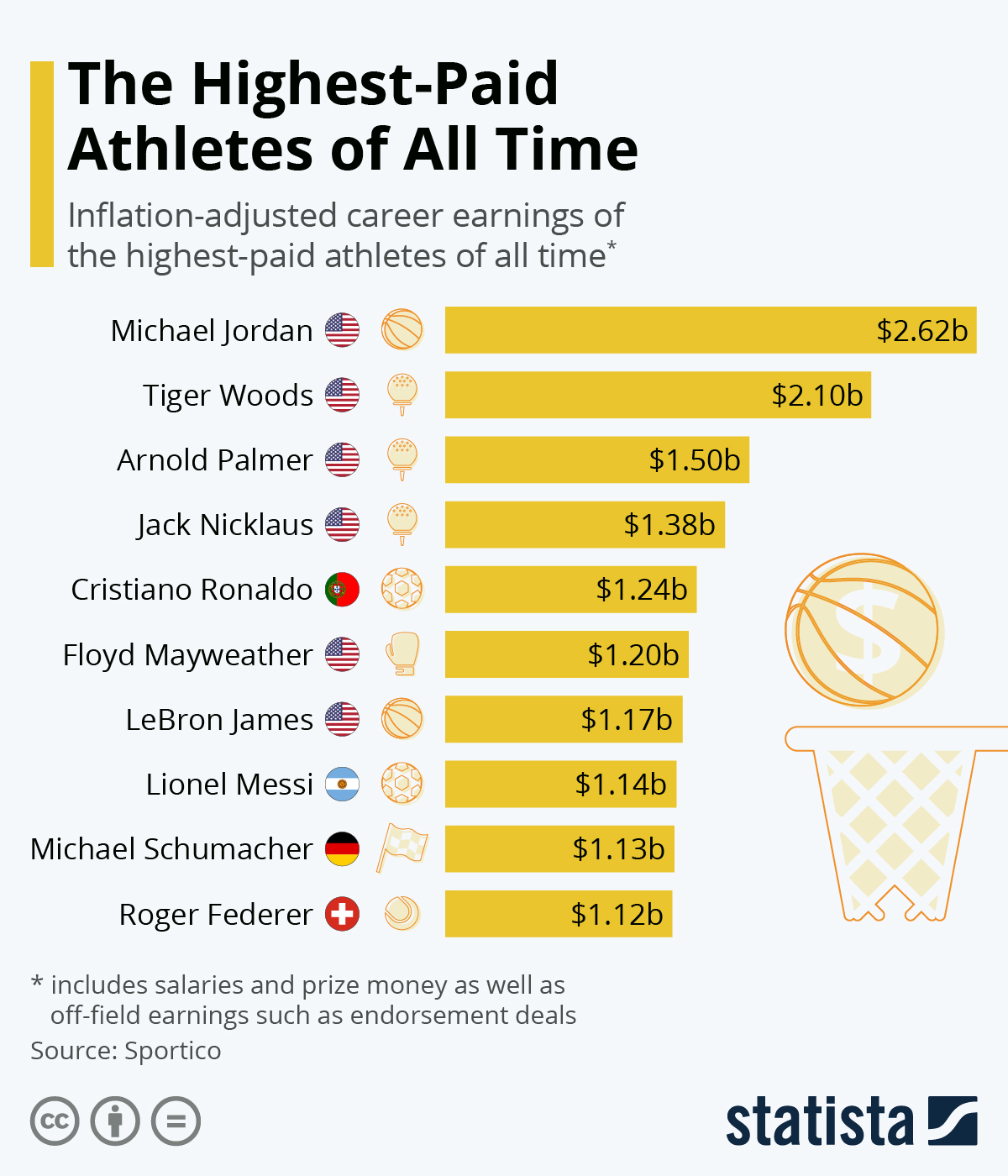
Tiger Woods is not merely a golfer; he is a global conglomerate. While his on-course career earnings sit at approximately $121 million, his total career fortune—adjusted for inflation and including all business ventures as of 2026—is estimated to be north of $1.8 billion. Woods was the first athlete to demonstrate that a golfer could become a billionaire while still active in the sport.
His wealth is built on several pillars:
- Endorsements: For decades, Woods was the face of Nike Golf. Even following the 2024 launch of his own "Sun Day Red" brand in partnership with TaylorMade, his legacy endorsement deals with Rolex, Bridgestone, and Monster Energy continue to generate tens of millions annually.
- Course Design: TGR Design by Tiger Woods has become one of the most sought-after firms in the industry, with high-profile projects across the United States, Mexico, and the Middle East.
- Venture Capital: Through TGR Ventures, Woods has invested in technology, hospitality (including the Nexus Luxury Collection), and the TGL (a high-tech indoor golf league), diversifying his assets far beyond the fairways.
The LIV Golf Disruptors: Reaping Instant Fortunes
The emergence of LIV Golf in 2022 fundamentally changed the "highest-paid" conversation by introducing massive liquidity into the market. Players like Phil Mickelson, Dustin Johnson, and Jon Rahm received upfront payments that instantly vaulted them up the all-time wealth rankings.
Phil Mickelson, often cited as the second-wealthiest golfer of all time, reportedly received a signing bonus exceeding $200 million. When combined with his $96 million in career PGA Tour earnings and his vast portfolio of endorsements (though some were lost during his transition to LIV), Mickelson’s total career earnings are estimated to be between $1 billion and $1.2 billion.
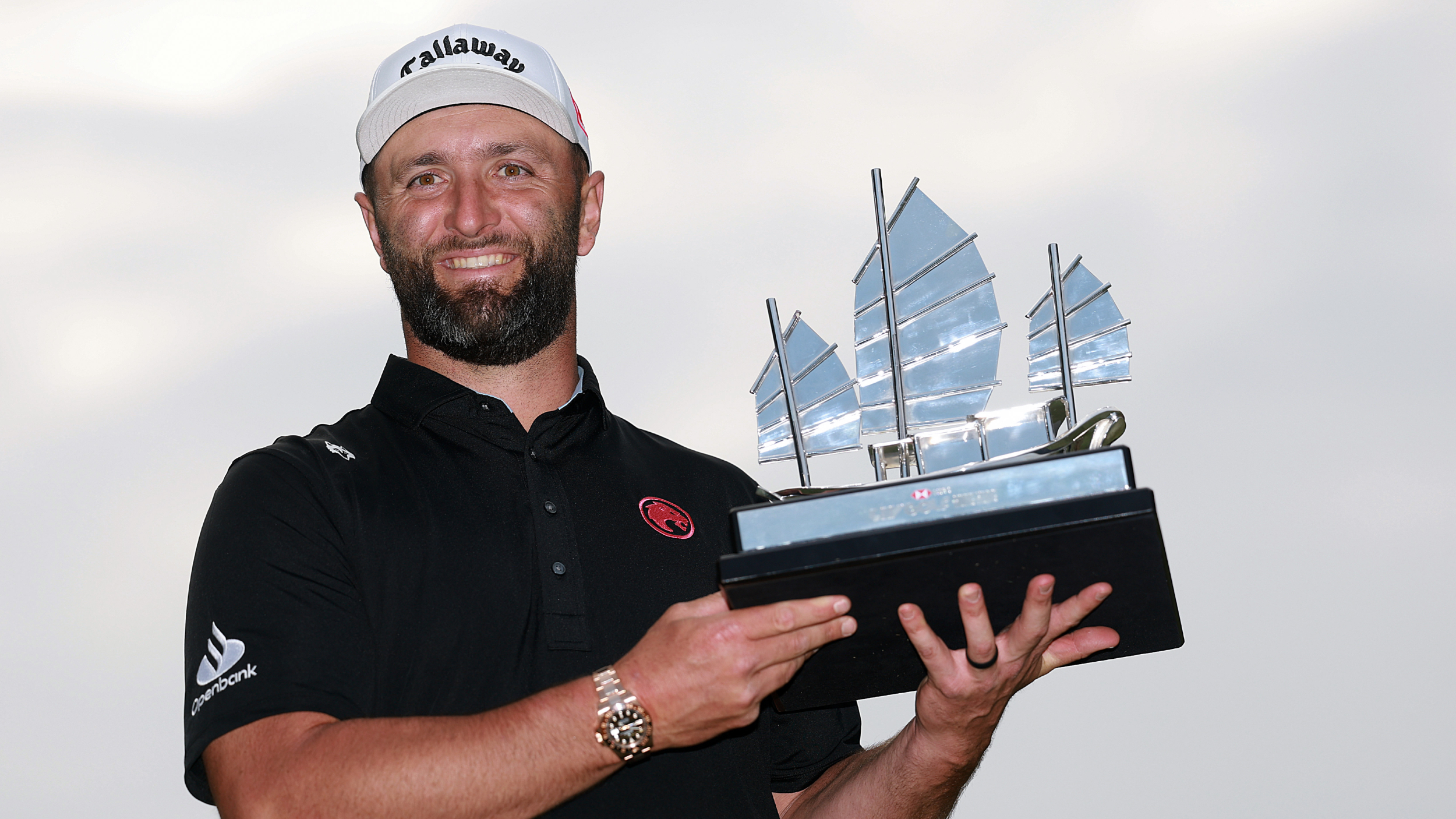
Jon Rahm’s move to the rival circuit was equally impactful. His deal, estimated at over $300 million in 2023, represented one of the largest single contracts in sports history. For these players, the "career fortune" is no longer a slow accumulation over 30 years but an immediate realization of their market value. This shift has forced the PGA Tour to create the PGA Tour Enterprises entity, allowing players to become equity holders in the tour itself, further complicating how we calculate "earnings" in 2026.
Legend Status and Longevity: Arnold Palmer and Jack Nicklaus
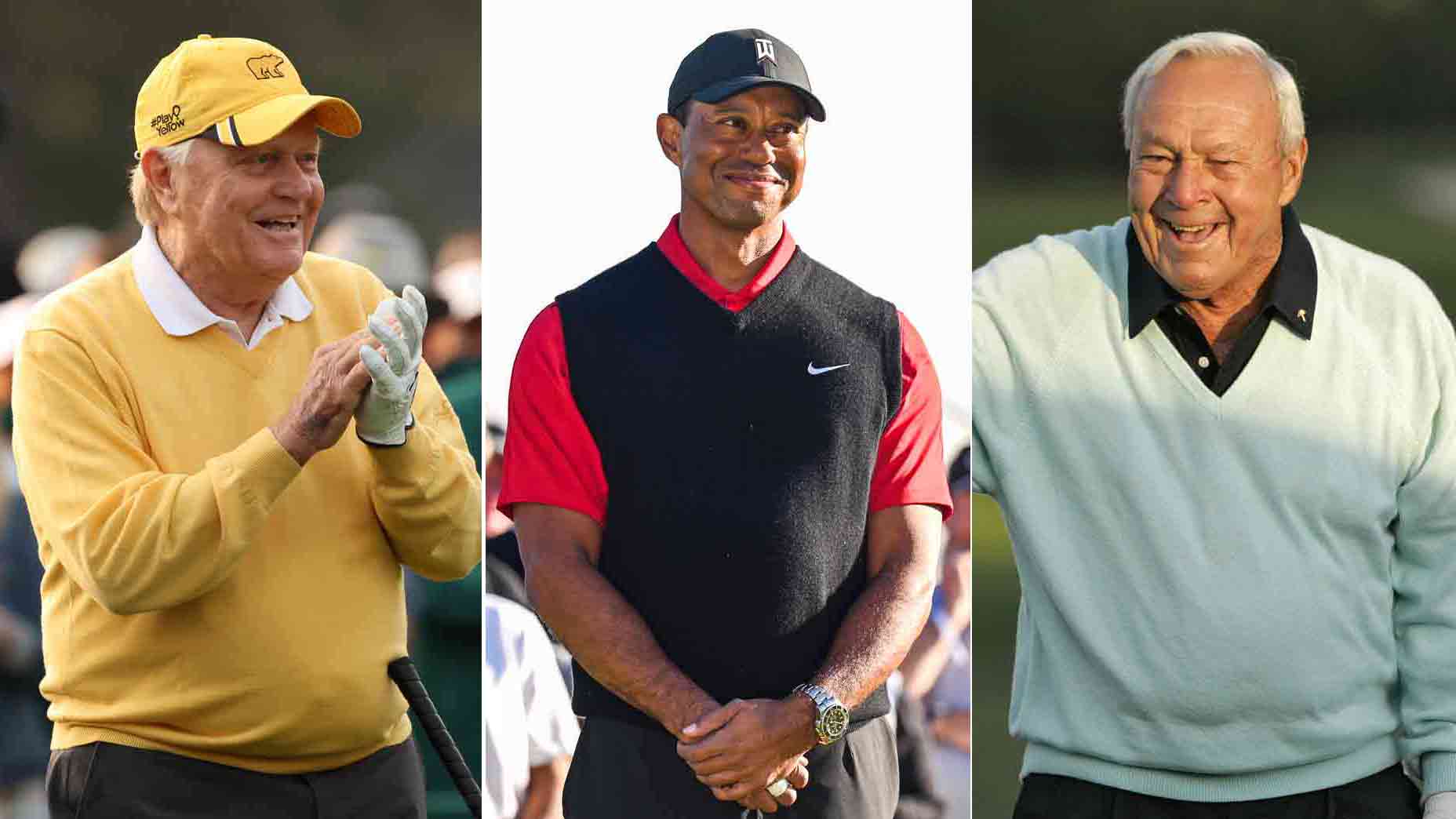
To understand the highest-paid golfers of all time, one must look at those who paved the academic and commercial way. Arnold Palmer was the pioneer of sports marketing. Even years after his passing in 2016, the Arnold Palmer brand—ranging from the iconic beverage to apparel and course design—continues to generate significant revenue. At the time of his death, Palmer’s estate was valued at approximately $875 million, a figure that would be well over a billion in 2026 dollars.
Jack Nicklaus, the "Golden Bear," followed a similar trajectory. While his on-course earnings ($5.7 million) seem quaint by modern standards, Nicklaus Design has created over 400 courses worldwide. His business empire, which includes lifestyle brands, equipment, and academy licensing, places him firmly in the top tier of all-time earners. The success of Palmer and Nicklaus proves that in golf, the brand outlives the swing.
Comparing All-Time Career Earnings and Fortunes
The following table compares the estimated total career fortunes (including prize money, bonuses, and endorsements) of the top golfers as of 2026. Figures are estimates based on reported contracts and Forbes' annual athlete valuations.
| Rank | Player | Estimated Total Fortune (2026) | Primary Income Source | Notable Sponsor/Affiliation |
|---|---|---|---|---|
| 1 | Tiger Woods | $1.85 Billion | Endorsements & Business | Sun Day Red / Rolex |
| 2 | Phil Mickelson | $1.15 Billion | LIV Bonus & Prize Money | HyFlyers GC |
| 3 | Arnold Palmer* | $915 Million | Licensing & Brand | Arnold Palmer Enterprises |
| 4 | Jack Nicklaus | $830 Million | Course Design & Brand | Nicklaus Companies |
| 5 | Rory McIlroy | $750 Million | Endorsements & Equity | Nike / TaylorMade / TGL |
| 6 | Jon Rahm | $620 Million | LIV Bonus & Prize Money | Legion XIII |
| 7 | Greg Norman | $500 Million | Business & LIV Leadership | Great White Shark Ent. |
| 8 | Dustin Johnson | $480 Million | LIV Bonus & Prize Money | 4Aces GC |
*Adjusted estate valuation and ongoing licensing revenue.
The Anatomy of a Golf Fortune: Sponsorships and Business Ventures
Why do golfers earn so much more off the course than on it? Unlike team sports where athletes are restricted by salary caps, golfers are independent contractors who function as walking billboards.
The Power of Apparel and Equipment
The most consistent revenue stream for a top-tier golfer is the equipment deal. Companies like Titleist, Callaway, and TaylorMade pay premium retainers for players to use their clubs and balls. These contracts often include "rank bonuses" and "win bonuses." In 2026, a top-10 world-ranked player can expect an equipment contract worth $5 million to $15 million annually, regardless of their performance on the leaderboard.
Luxury and Corporate Partnerships
Golf's demographic is uniquely attractive to high-end brands. This is why players like Rory McIlroy and Justin Thomas are frequently seen wearing Rolex or Omega watches and representing financial institutions like Morgan Stanley or Workday. These corporate partnerships are often long-term (10+ years), providing financial stability that protects the athlete from the volatility of tournament play.
Business Diversification
The modern golfer is increasingly an investor. Rory McIlroy’s Symphony Ventures has invested in everything from health-tech (Whoop) to hospitality. This transition from "athlete" to "venture capitalist" is the new standard for the highest-paid players. By the time a player reaches their 40s, their investment dividends often exceed their weekly tournament checks.
Frequently Asked Questions
Who is the richest golfer in the world in 2026?
Tiger Woods remains the richest golfer in the world with a net worth estimated at $1.8 billion. While players like Jon Rahm have received larger single-year payouts due to LIV Golf bonuses, Woods' three decades of global endorsements and his sprawling business empire (TGR) maintain his lead.
How much of a golfer's wealth comes from prize money versus endorsements?
For the elite top 10, typically 20% to 30% of their career wealth comes from prize money, while 70% to 80% comes from off-course activities. However, this ratio has shifted slightly with the introduction of LIV Golf, where upfront "signing bonuses" have become a dominant factor in a player’s liquid net worth.
Has anyone surpassed Jack Nicklaus in career earnings?
In nominal terms, hundreds of players have surpassed Jack Nicklaus’s $5.7 million in career prize money due to inflation and increased purses. However, in terms of total "career fortune" (business and endorsements), only a few like Tiger Woods, Phil Mickelson, and Arnold Palmer reside in the same financial stratosphere as Nicklaus.
Do LIV Golf players still make money from sponsors?
Yes, but the nature of those sponsorships has changed. Many traditional brands (like UPS or KPMG) stepped away from LIV players during the initial controversy. In 2026, LIV players have increasingly moved toward "team-based" sponsorships, where brands sponsor the entire "Crushers GC" or "4Aces GC" team rather than just the individual player.
How do modern purses compare to the 1990s?
The difference is staggering. In 1990, the leading money winner on the PGA Tour (Greg Norman) earned $1.16 million for the entire season. By 2026, the winner of a single "Signature Event" on the PGA Tour or a LIV Golf event typically earns $4 million for one week of work.
Strategic Financial Management for Professional Golfers
For aspiring professionals and fans looking to understand the financial trajectory of the sport, the "career fortune" is now built on early-career brand management rather than just scoring average. The most successful earners in 2026 share three common strategies:
- Global Brand Positioning: Playing in high-profile international events (like those in Dubai or Scotland) to secure global endorsement deals beyond the U.S. market.
- Equity over Cash: Negotiating for equity in the companies they endorse (as seen with Tiger Woods and Excel Sports Management) to ensure long-term wealth that survives their retirement from competitive play.
- Team Ownership: Within the LIV Golf model, captains have been granted equity stakes in their teams. As these franchises grow in value, the "all-time" wealth of players like Dustin Johnson and Bryson DeChambeau will likely be tied more to their team's valuation than their career birdies.
As the professional game stabilizes following years of jurisdictional friction, the focus for the highest-paid golfers has shifted from simply "winning the tournament" to "owning the sport."