As of 2026, the highest NIL (Name, Image, and Likeness) valuations are commanded by elite collegiate quarterbacks and generational basketball stars, with top-tier figures like Arch Manning and rising phenoms reaching annual valuations between $5 million and $10 million. These figures represent a sophisticated blend of traditional corporate endorsements, massive social media influence, and university-affiliated revenue-sharing models.
The Evolution of the NIL Landscape Leading into 2026
The collegiate sports environment in 2026 is vastly different from the "wild west" era of 2021. When the NCAA first permitted student-athletes to profit from their Name, Image, and Likeness, the market was primarily driven by small-scale local endorsements and fledgling "collectives." Fast forward to 2026, and the industry has matured into a multi-billion dollar ecosystem characterized by professional representation, federal regulatory oversight, and direct revenue sharing between institutions and athletes.
The "highest NIL" earners are no longer just beneficiaries of lucky timing; they are central figures in a structured financial hierarchy. The implementation of the settlement terms from the landmark House v. NCAA case has fundamentally shifted the ceiling. Schools now have the authority to share revenue directly with athletes, which acts as a "floor" for the highest earners, while external NIL deals provide the "ceiling." This dual-stream income has pushed the valuations of the top 1% of athletes into the territory of professional rookie contracts in the NFL or NBA.
Primary Drivers of the Highest NIL Valuations
Several critical variables dictate why one athlete commands a $5 million valuation while another equally talented peer may only reach $500,000. Understanding these drivers is essential for players, brands, and university athletic departments navigating the 2026 market.
On-Field Performance and Positional Value
In the 2026 market, the "Quarterback Premium" remains the most significant factor in football. A starting quarterback at a "Power Four" program—specifically in the SEC or Big Ten—occupies the most valuable real estate in collegiate sports. Their visibility is unparalleled, and their impact on a program's success directly correlates to the university's media rights revenue and donor contributions. Outside of football, high-volume scorers in men's and women's basketball, such as those following the trajectory of stars like JuJu Watkins, command the highest premiums due to their individual brand recognizability.
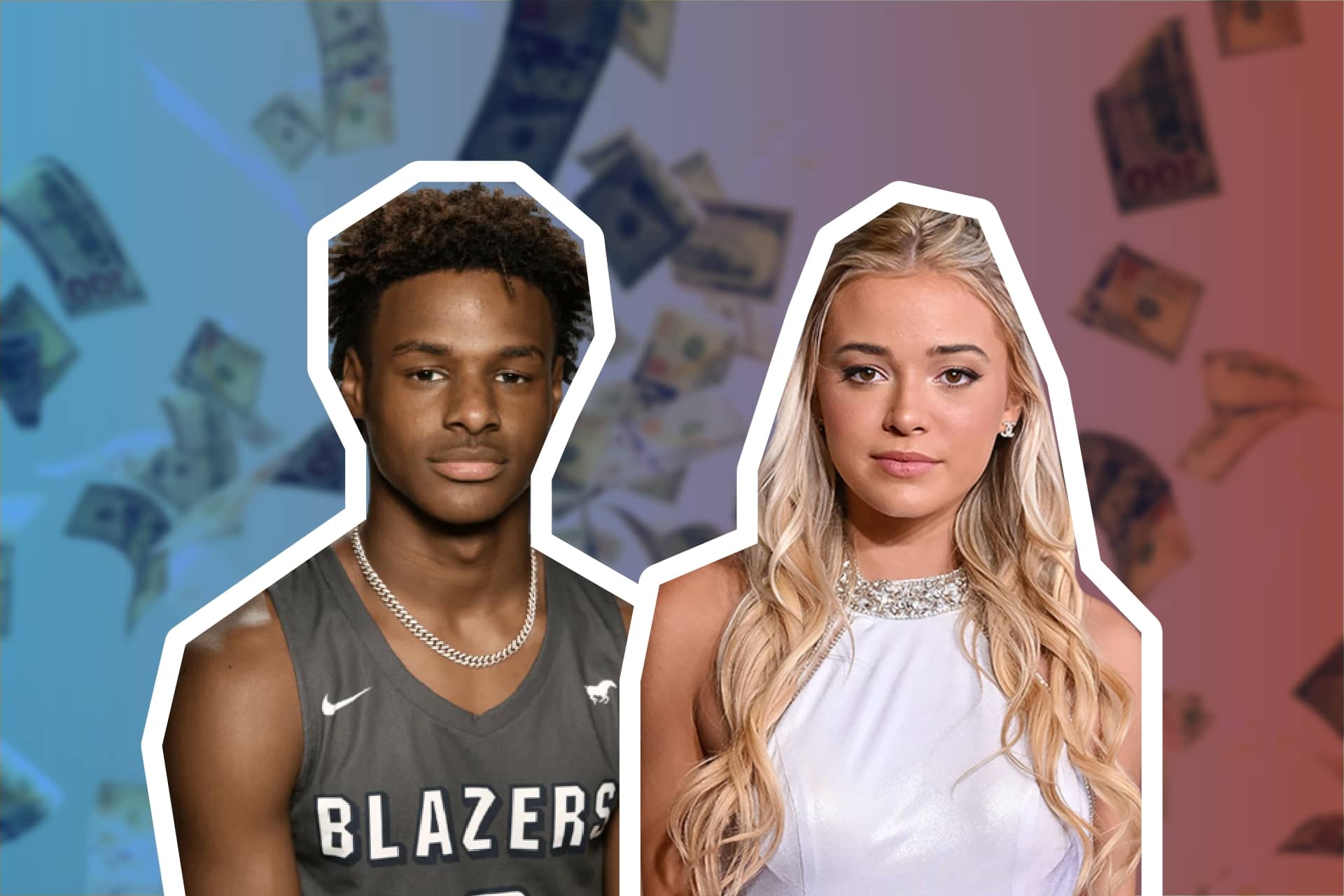
Social Media Reach and "The Livvy Dunne Effect"
While athletic prowess provides the foundation, digital influence provides the multiplier. Athletes with multi-platform followings (TikTok, Instagram, and X) offer brands a direct line to Gen Z and Alpha demographics. This is often referred to as "brand value." An athlete with five million followers can secure national campaigns with high-fashion, tech, or beverage brands that are entirely independent of their school's location or their team's win-loss record.
Market Size and Collective Strength
The financial health of a university's NIL collective—the third-party organizations that pool donor funds—remains a pillar of the highest NIL totals. Programs in major metropolitan areas or those with deep-pocketed alumni bases (such as Texas, Oregon, or Ohio State) naturally support higher valuations. In 2026, these collectives have largely integrated with university fundraising arms, creating a more stable and predictable "salary cap" environment for top recruits.
Top NIL Earners: A Comparative Overview of 2026 Valuations
The following table outlines the estimated market valuations for the leading figures in collegiate athletics for the 2026 season. These figures include a combination of roster value (revenue sharing) and brand value (external endorsements).
| Athlete | Sport | University | Primary Source of Value | Est. 2026 Valuation |
|---|---|---|---|---|
| Arch Manning | Football | Texas | Legacy Brand + QB Premium | $6.4 Million |
| JuJu Watkins | Basketball | USC | National Endorsements | $4.8 Million |
| Bryce Underwood | Football | LSU | Collective Support + Performance | $4.2 Million |
| Cooper Flagg | Basketball | Duke | NBA Prospect Status | $5.1 Million |
| Julian Lewis | Football | USC/TBD | Early Enrollment + Hype | $3.7 Million |
| Jeremiah Smith | Football | Ohio State | Elite WR Production | $3.2 Million |
Note: Valuations are based on the On3 NIL Valuation model and reported collective distributions as of the 2026 academic year.
The Mechanics of NIL Collectives and Revenue Sharing
To understand how the "highest NIL" figures are reached, one must look at the mechanical shift that occurred between 2024 and 2026. The introduction of the Direct Revenue Sharing Model allowed schools to distribute approximately 22% of average athletic department revenue to players.
For a top-tier athletic department generating $200 million annually, this creates a pool of roughly $44 million to be distributed among athletes. The highest NIL earners receive a disproportionate share of this pool. For example, a star quarterback might receive $2 million from the revenue-sharing pool, which is then augmented by another $3 million in private endorsements and collective "marketing" deals.
This structure has led to a more professionalized "Free Agency" feel in the NCAA Transfer Portal. Athletes with high NIL potential often use their valuation as a baseline for negotiations during the transfer windows, leading to significant "signing bonuses" funded by collectives to ensure the athlete remains with or joins a specific program.
Legal Constraints and Compliance in 2026
Despite the high numbers, the NIL market is not without its legal boundaries. By 2026, the NCAA has established a "Centralized Oversight Entity" to monitor deals and ensure they are not merely disguised pay-for-play schemes without a "quid pro quo" element (i.e., the athlete must actually perform a service, such as a social media post or appearance).
- Transparency Requirements: All deals over $600 must be reported to the university’s compliance office and, subsequently, to a national database to ensure market-value consistency.
- State Law Preemption: Several federal bills passed between 2024 and 2025 have largely superseded conflicting state laws, providing a uniform standard for how much an athlete can earn and what industries (e.g., gambling, tobacco, firearms) they can represent.
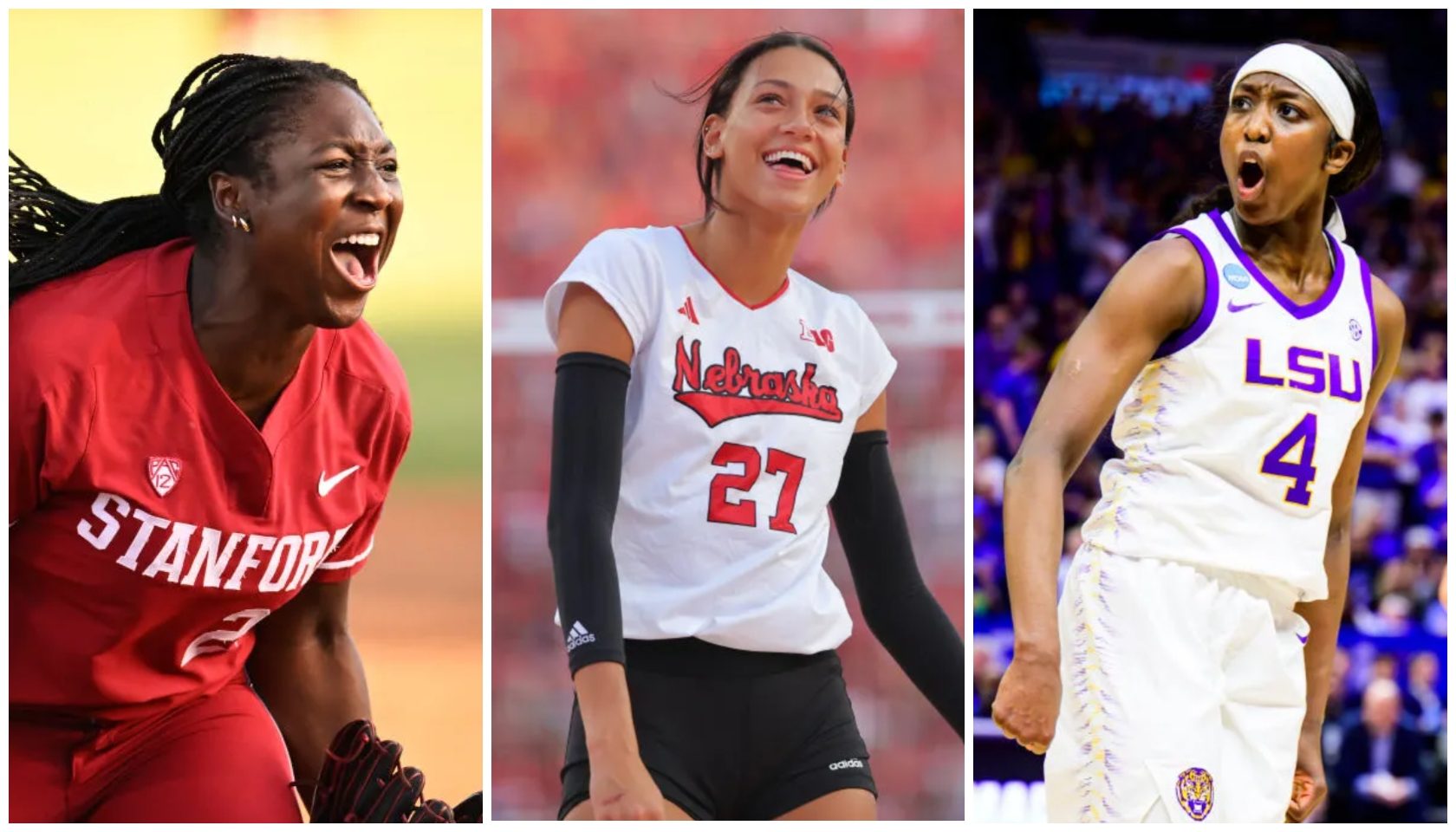
- Title IX Implications: The "highest NIL" conversation often sparks debate regarding gender equity. While football players currently hold the highest raw numbers, women’s basketball and gymnastics athletes often have the highest "Return on Investment" (ROI) for brands due to their higher engagement rates on social media.
Common Pitfalls for High-Earner Athletes
Reaching the highest echelons of NIL wealth brings significant risks that did not exist for collegiate athletes a decade ago.
- Tax Liability: Many athletes are treated as independent contractors (1099). Without proper financial planning, those earning $1 million or more face massive tax bills at the end of the year.
- Contractual Entrapment: Some early-stage NIL deals included "perpetual" clauses, where an athlete inadvertently signed away their rights for years beyond their college career. By 2026, most elite athletes employ specialized sports agencies (like Klutch Sports or WME) to vet these contracts.
- Locker Room Friction: Significant pay disparities can lead to chemistry issues. Programs that manage the highest NIL earners often implement "financial literacy" programs for the whole team to mitigate resentment between the multi-millionaire stars and the walk-ons.
Frequently Asked Questions
What is the highest NIL deal ever recorded?
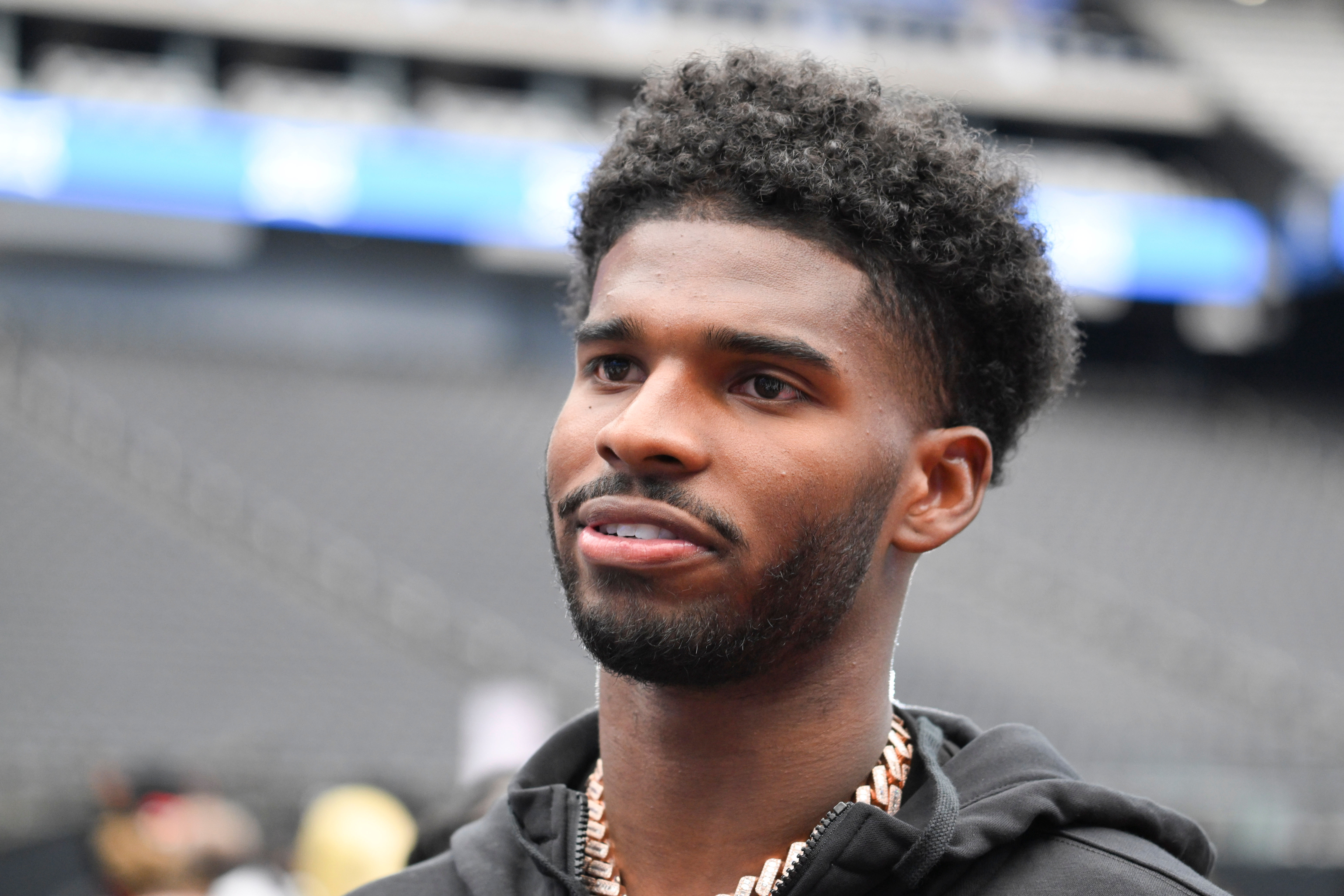
As of 2026, the highest single-year valuation belongs to Arch Manning, whose combined brand value and revenue-sharing assets exceeded $6 million. Historically, players like Shedeur Sanders and Caitlin Clark set the foundation for these multi-million dollar benchmarks during the early 2020s.
Do athletes get to keep the full amount of their NIL valuation?
No. An NIL valuation is an estimate of market worth, not a guaranteed salary. Furthermore, athletes must pay federal and state income taxes, agent fees (typically 10-20%), and sometimes manager or publicist fees. A "high NIL" earner might only net 50-60% of the gross figure after all expenses and taxes are settled.
Can international students receive the highest NIL deals?
In 2026, the "highest NIL" for international students is still somewhat restricted by F-1 visa regulations, though new "O-1" (Extraordinary Ability) visa pathways have been streamlined. Many international stars now perform their NIL "work" (like filming commercials) in their home countries or in international waters to comply with U.S. labor laws.
Does NIL affect an athlete's professional eligibility?
No. NIL is specifically designed to allow athletes to remain "amateurs" in the eyes of the NCAA while profiting like professionals. However, entering into a contract that extends into their professional career can sometimes complicate future negotiations with professional league unions (like the NFLPA).
Which sport has the highest average NIL?
While football has the highest "ceiling" for individual earners, men's and women's basketball often have a higher "average" NIL per player due to smaller roster sizes and high individual visibility.
Strategic Recommendations for Maximizing NIL Value
For athletes aiming to reach the "highest NIL" bracket, performance on the field is merely the entry fee. To maximize earnings in 2026, athletes should focus on diversifying their portfolio. Relying solely on a university collective is risky, as donor enthusiasm can fluctuate. Building a personal brand that exists independently of the school—through YouTube series, lifestyle apparel, or charitable foundations—ensures that the athlete's value remains high even if they suffer an injury or change teams.
Furthermore, seeking long-term partnerships over one-off "social media shoutouts" is the hallmark of the highest earners. Long-term deals with blue-chip companies (e.g., Nike, Gatorade, State Farm) provide financial stability and elevate the athlete's status to a "national spokesperson," which is far more lucrative than a series of disconnected local promotions.