The pursuit of the all-time scoring title represents the pinnacle of individual offensive achievement in professional basketball. As we navigate the 2026 season, the record books have undergone significant shifts, reflecting the evolution of scoring efficiency, longevity, and the increasing pace of the modern game. This analysis examines the legends who have accumulated the most points in National Basketball Association history, providing a comprehensive look at the statistical milestones that define greatness.
Evolution of the NBA Scoring Hierarchy
The climb to the top of the NBA scoring list requires more than just pure talent; it demands extreme durability, consistency across multiple decades, and an adaptable skill set. Throughout the 2026 season, analysts have observed that the margin between the elite scorers continues to tighten, particularly as modern offensive schemes prioritize high-volume perimeter shooting alongside traditional interior dominance.
Understanding these rankings requires a focus on total regular-season points. While playoff scoring is a significant metric for legacy, the official NBA record for the highest scorer of all time is strictly calculated based on regular-season performances. This distinction is vital for maintaining parity in historical record-keeping, as modern playoff structures differ vastly from those of the mid-20th century.
Top 10 All-Time NBA Scorers Entering the 2026 Season
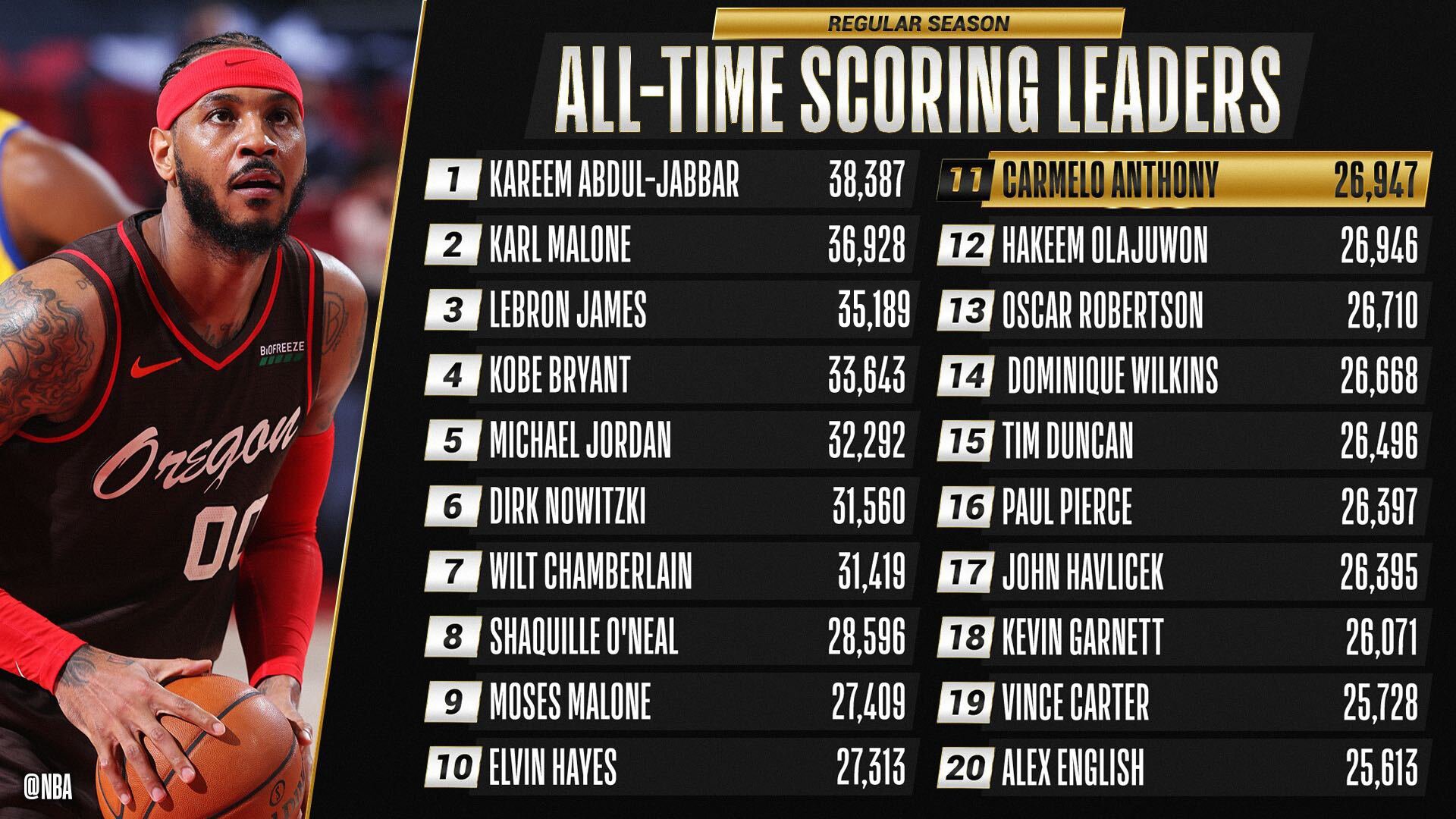
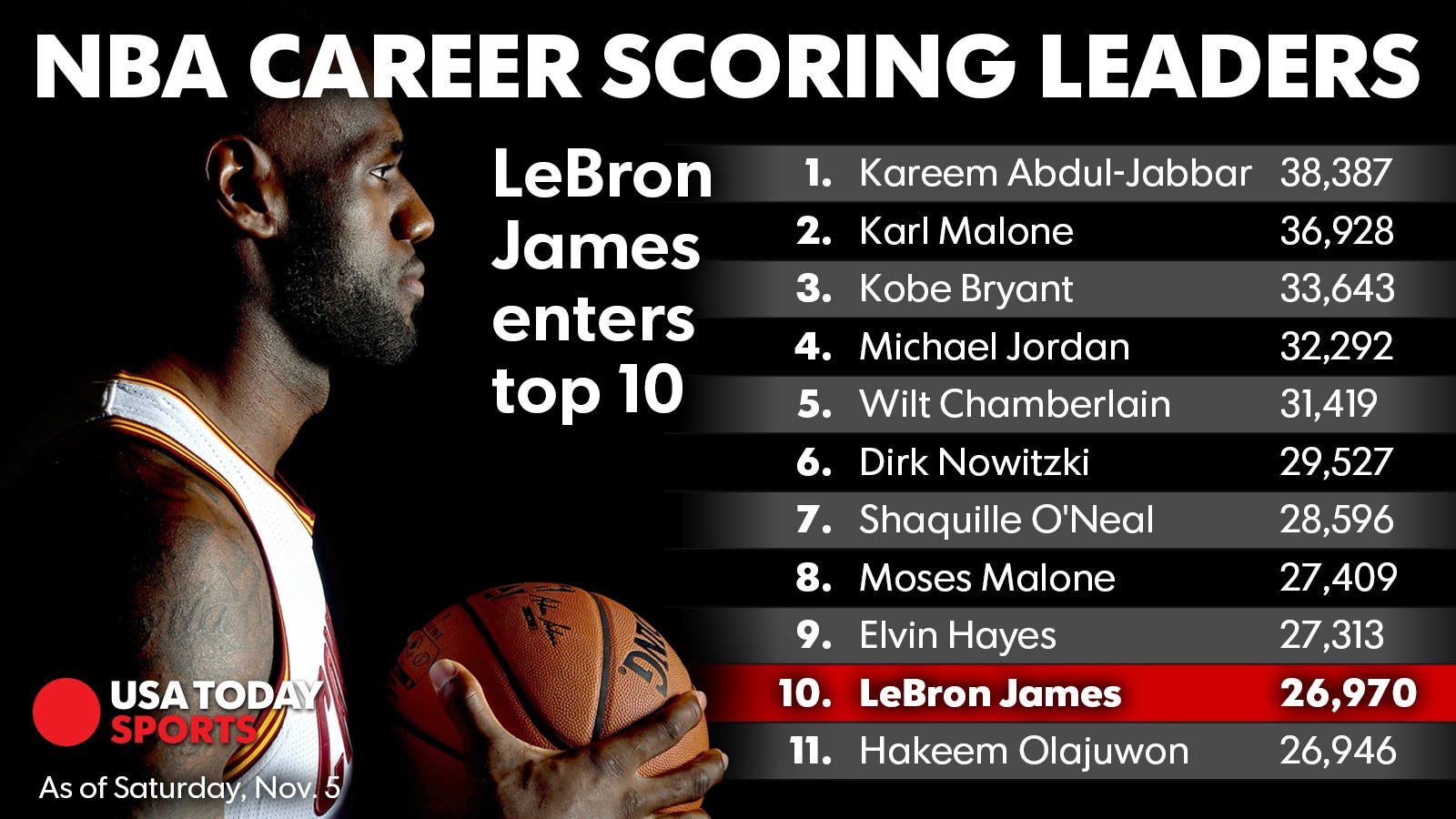
The following table tracks the leading scorers in league history. Figures are current as of the conclusion of the 2025-2026 regular season proceedings.
| Rank | Player Name | Total Points (as of 2026) | Primary Scoring Method |
|---|---|---|---|
| 1 | LeBron James | 41,500+ | Versatile / Rim Pressure |
| 2 | Kareem Abdul-Jabbar | 38,387 | Skyhook |
| 3 | Karl Malone | 36,928 | Mid-range / Post |
| 4 | Kobe Bryant | 33,643 | Perimeter / Fadeaway |
| 5 | Michael Jordan | 32,292 | Mid-range / Athleticism |
| 6 | Dirk Nowitzki | 31,560 | Perimeter / Shooting |
| 7 | Wilt Chamberlain | 31,419 | Dominant Interior |
| 8 | Kevin Durant | 30,800+ | Three-level Scorer |
| 9 | Shaquille O'Neal | 28,596 | Physical Interior |
| 10 | Carmelo Anthony | 28,289 | Triple Threat / Isolation |
The Mechanics of Longevity and Scoring Efficiency
Achieving a position on this list necessitates a career that spans at least 15 to 20 seasons of high-level production. In 2026, the league has placed a heightened emphasis on load management and sports science, which contrasts with the iron-man approach of the 1980s and 1990s. Despite these changes, the players at the top of the leaderboard share specific technical attributes that have allowed them to transcend eras.
Technical Scoring Advantages
Shot Selection Discipline Elite scorers maintain their high totals by avoiding low-percentage shot attempts. The integration of advanced analytics in the mid-2020s has pushed players to prioritize shots at the rim and three-point attempts, effectively increasing their points-per-possession metrics even as they age.
Free Throw Proficiency A common thread among the top five scorers is the ability to get to the free-throw line consistently. Free throws represent "easy" points that do not rely on the variance of shooting mechanics or defensive positioning. Players who draw fouls at a high rate stabilize their scoring output over long seasons, protecting their averages during slumps.
Analyzing the Impact of Modern Defensive Schemes
The defensive landscape in 2026 is fundamentally different from that of previous decades. Teams utilize complex switching defenses and "drop" coverages that force offensive players to make split-second decisions. Scoring at an all-time high level today requires an advanced understanding of floor spacing.
Modern stars have had to adapt to "no-middle" defensive schemes and aggressive blitzing on pick-and-rolls. This has forced the game's highest scorers to become elite playmakers; if they cannot score, they must facilitate to keep the defense honest. Consequently, the scorers of the 2026 era are often more well-rounded than their predecessors, having developed high-level passing IQs to counter the increased defensive focus they face as primary scoring options.
Comparison: Scoring Eras and Statistical Adjustments
Debates often arise regarding how scoring totals should be weighted based on the era in which they were compiled. It is important to look at the differences in how points are accumulated across history.
- The Wilt Chamberlain Era: Characterized by an extremely high pace of play and minimal three-point influence.
- The Post-Jordan Era: Defined by physical, grind-it-out defense and the dominance of the isolation mid-range game.
- The 2026 Era: Defined by high-pace, high-volume perimeter shooting and specialized roster construction designed to optimize spacing.
When comparing these figures, fans often point to "Adjusted Scoring," which attempts to normalize points per 100 possessions. However, for the purposes of the official record, the raw total remains the gold standard for defining the "highest scorer of all time."
Frequently Asked Questions
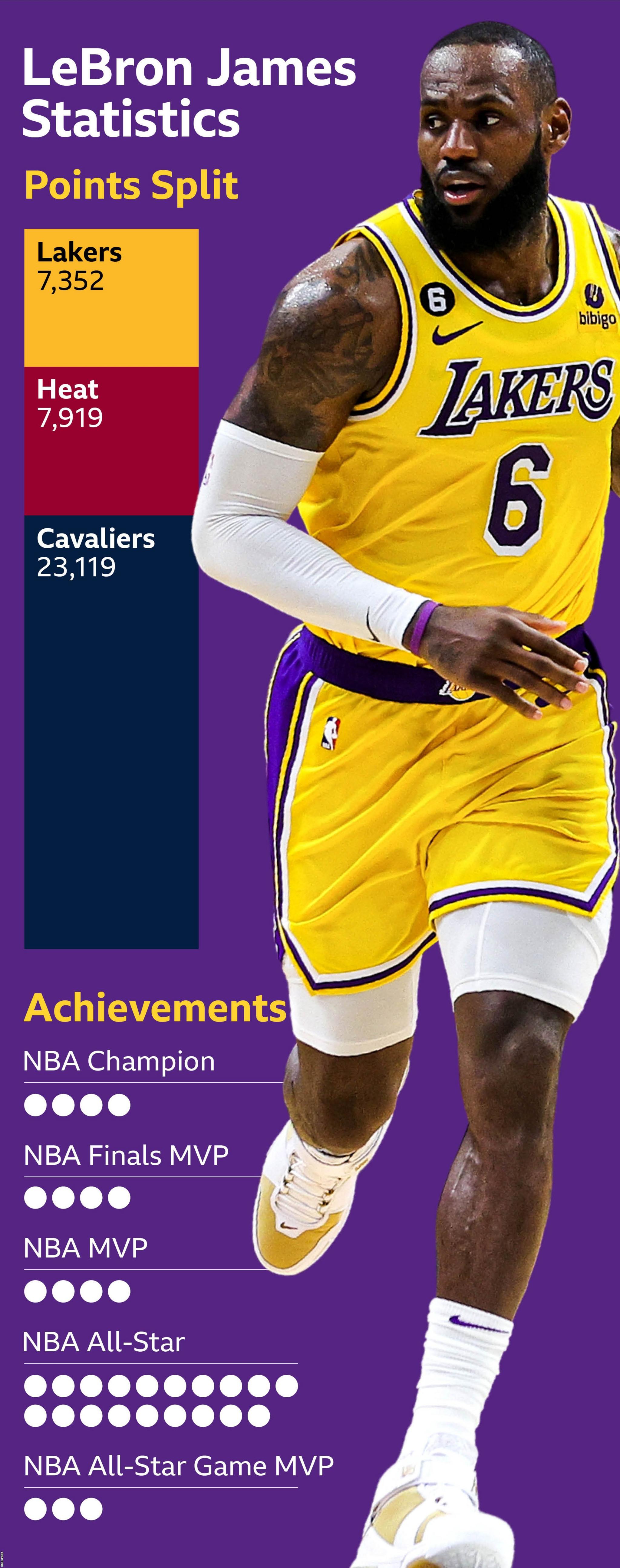
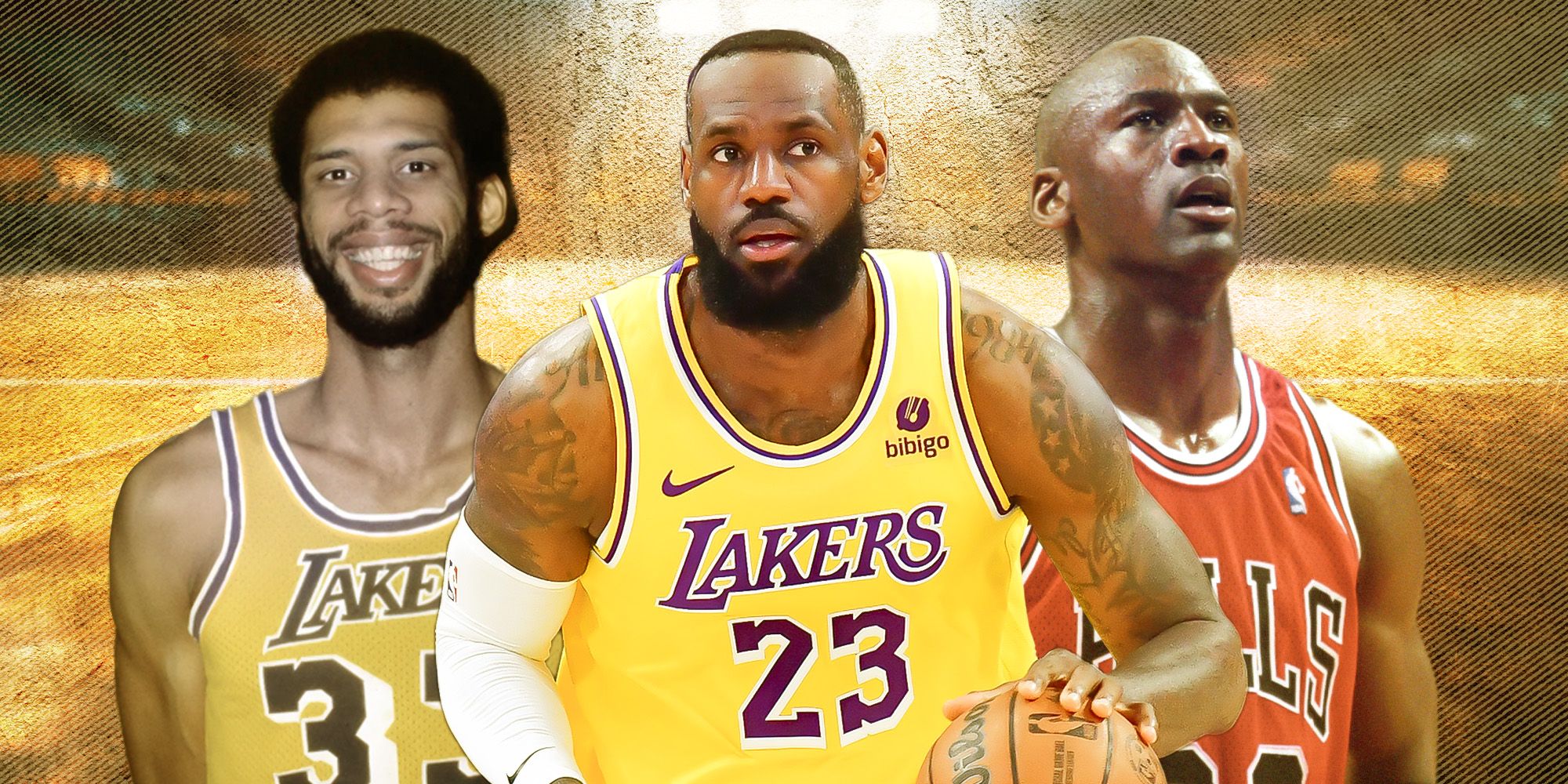
Who is the current leader for all-time points in the NBA? LeBron James holds the record for the most regular-season points in NBA history, having surpassed Kareem Abdul-Jabbar during the 2023 season and continuing to expand that margin through 2026. His record is viewed by many scouts as nearly unbreakable due to his unprecedented longevity and sustained performance at an elite level.
Will any active player break the top five by 2030? Several high-volume scorers currently in their prime are tracking well, but moving into the top five requires significant health and a decade of sustained excellence. The difficulty of catching players like Michael Jordan or Kobe Bryant is compounded by the increasing wear and tear on modern athletes' bodies.
Do playoff points count toward the all-time scoring record? No, the official NBA all-time scoring list is strictly based on regular-season statistics. Playoff scoring is recorded separately, as the number of games played in the postseason varies significantly depending on a team's championship run, which would introduce structural inequality into the rankings.
What is the most important factor for an all-time scorer? Durability is widely considered the most critical factor, often cited by analysts as more important than raw scoring average. Maintaining a high level of health to play 75+ games per season for over 15 years is the primary hurdle that separates top-tier scorers from those who dominated for shorter, albeit brilliant, windows.
How does the three-point shot change scoring totals? The modern reliance on the three-point line has shifted the math of scoring. Players in 2026 can accumulate high point totals more rapidly than players in the 1990s, as the extra point per make provides a significant volume advantage over an 82-game season.
Sustaining the Legacy
The history of the NBA is written by those who can find the bottom of the net with unparalleled consistency. As we observe the statistics in 2026, we are witnessing the solidification of records that define an era. For those interested in tracking live data and historical performance metrics, official NBA league statistics portals provide the most accurate, real-time updates for every player. Continued evaluation of these athletes reminds us that scoring is the fundamental bedrock of the game, bridging the gap between historical legends and the current generation of superstars.