As of 2026, Taylor Swift’s The Eras Tour remains the highest-grossing concert tour of all time, having become the first musical roadshow to surpass the $1 billion revenue threshold. This milestone redefined the global music industry, eclipsing the massive multi-year records previously held by legendary artists like Elton John and Ed Sheeran.
The Evolution of the Billion-Dollar Concert Era
The landscape of live music has undergone a seismic shift over the last decade. Historically, a tour grossing $100 million was considered an elite achievement. However, the convergence of globalized demand, sophisticated dynamic pricing, and the decline of physical album sales has pushed top-tier artists to maximize touring revenue as their primary source of income.
The transition into the "Billion-Dollar Era" was fueled by several macroeconomic and industry-specific factors. First, the "experience economy" post-2020 saw a massive surge in consumer spending on live events. Fans were no longer just paying for a seat; they were paying for a cultural moment. Second, the implementation of dynamic pricing models by major ticket distributors allowed prices to fluctuate based on real-time demand, often capturing the value that would have otherwise gone to secondary market scalpers.
Furthermore, the duration and scale of tours have expanded. Modern record-breaking tours are no longer mere promotional runs for an album; they are multi-year global residencies that move from continent to continent, often visiting the same region multiple times to satisfy pent-up demand. This sustained presence in the market allows artists to stack revenue over 100+ dates, a feat made possible by advancements in stage logistics and artist endurance.
Analyzing Taylor Swift’s The Eras Tour Dominance
When analyzing the highest-grossing concert of all time, The Eras Tour stands as the definitive case study in commercial success. Launched in early 2023 and concluding its primary run at the end of 2024, the tour capitalized on Swift’s massive discography by presenting a retrospective of her career "eras." This conceptual framing encouraged repeat attendance and a high level of fan engagement, including the "friendship bracelet" trading phenomenon which bolstered community-driven marketing.
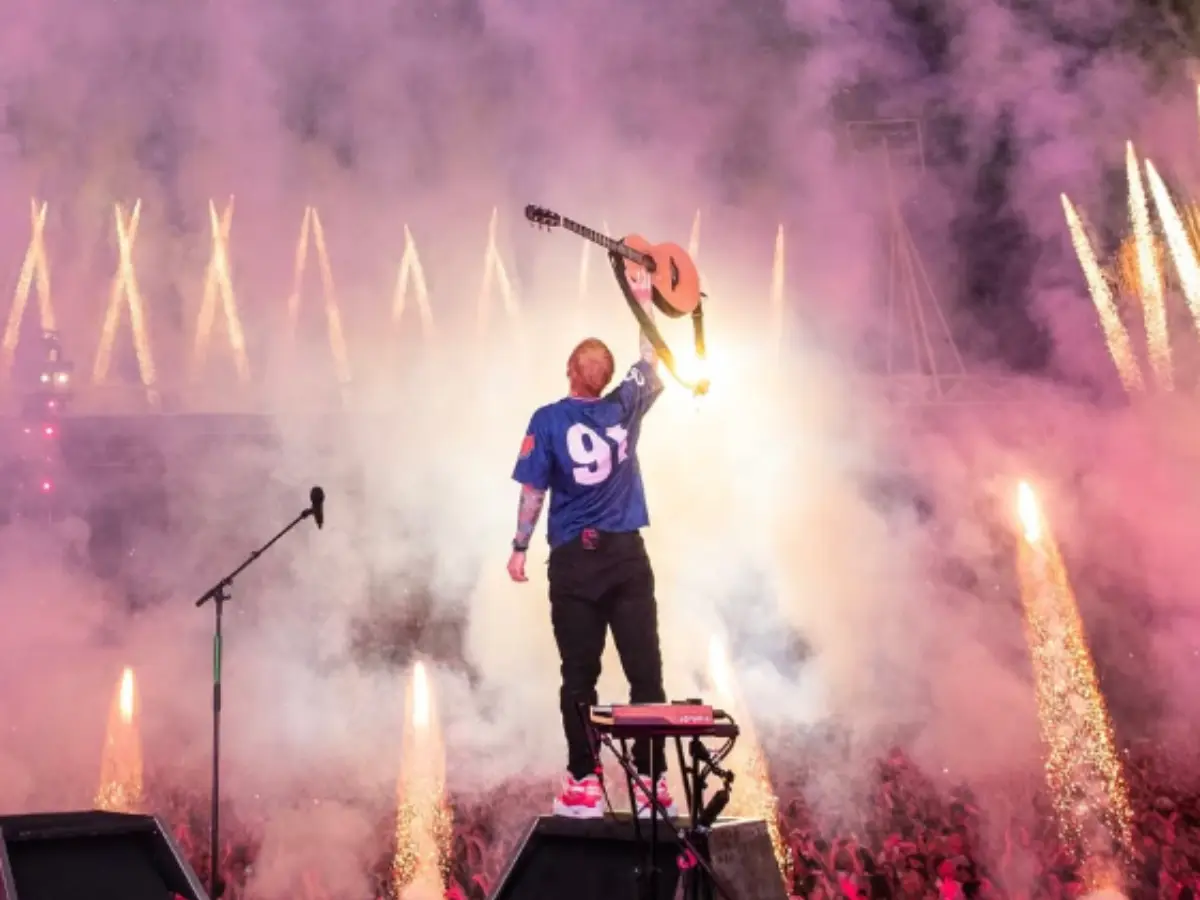
From a technical financial perspective, the tour's revenue was not limited to ticket sales. It is estimated that merchandise sales alone added hundreds of millions to the gross, with per-head spending reaching record highs at stadium venues. The tour also utilized a massive production footprint, requiring dozens of trucks to transport stages that featured 4K LED floors, intricate hydraulics, and pyrotechnics.
The economic impact extended beyond the artist's pocket. Cities hosting the tour reported hundreds of millions of dollars in local economic boosts, a phenomenon dubbed "Swiftonomics." This leverage allowed the tour's management to negotiate more favorable splits with promoters and venues, ensuring a higher percentage of the "box office gross" returned to the artist and production team.
Legacy and Longevity: Elton John and Ed Sheeran
Before the Eras Tour took the crown, the title for the highest-grossing concert tour was held by Elton John’s Farewell Yellow Brick Road Tour. Spanning from 2018 to 2023, this tour focused on longevity and a high volume of performances. Elton John performed over 300 shows across the globe, grossing approximately $939 million. The success of this tour was rooted in the "farewell" narrative, which created a "now or never" urgency for fans to see the legend one last time.
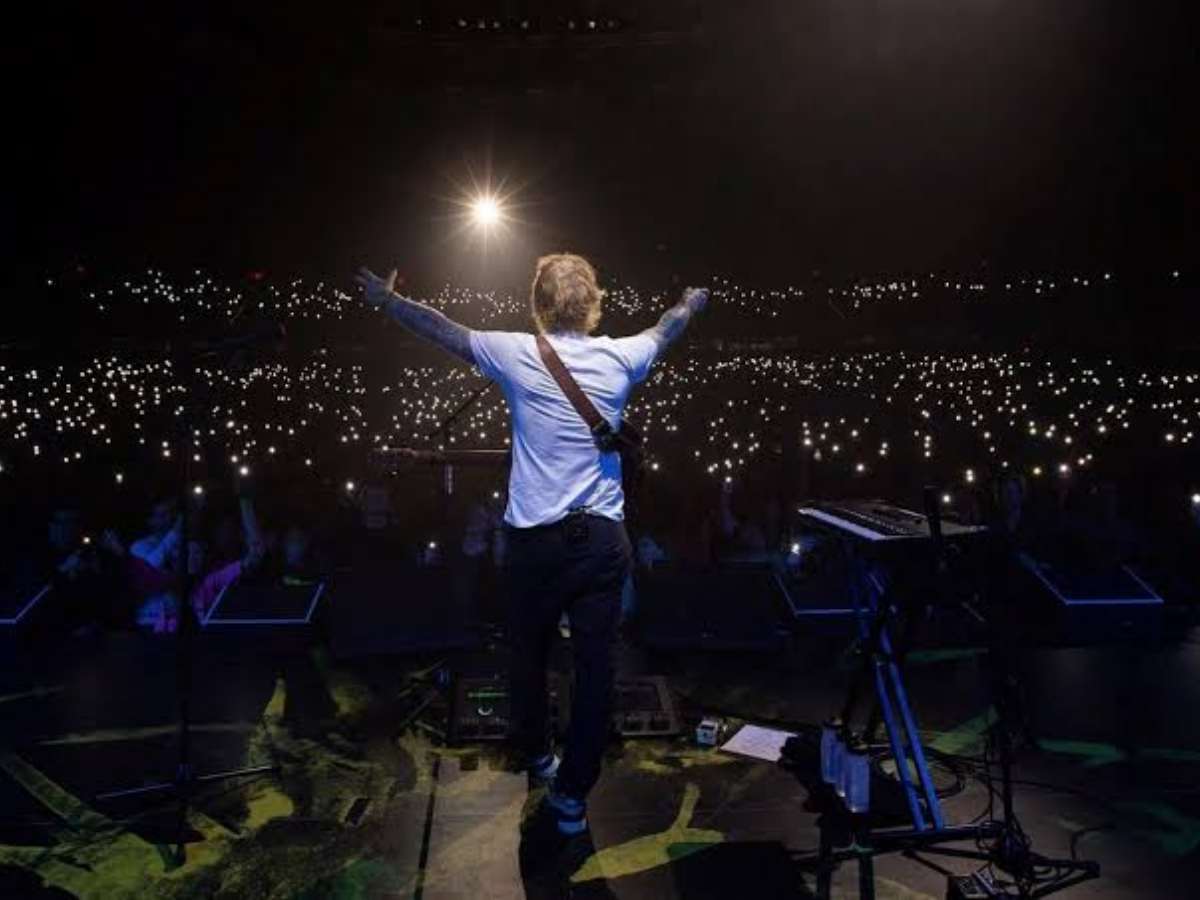
In contrast, Ed Sheeran’s ÷ (Divide) Tour (2017–2019) held the record prior to Elton John by focusing on high-capacity attendance rather than high ticket prices. Sheeran’s tour grossed roughly $776 million but set a record for the highest attendance, with nearly 8.9 million tickets sold. Sheeran’s strategy was unique; he avoided most VIP packages and kept ticket prices relatively accessible, banking on the sheer volume of shows and his ability to perform solo on stage with only a loop pedal, which significantly lowered production overhead compared to a full band.
Historical Comparison of Top-Grossing Global Tours
The following table outlines the most successful concert tours in history based on verified gross revenue as of 2026. These figures represent the total box office gross, not the net profit after expenses.
| Artist | Tour Name | Years Active | Total Gross (USD) | Total Attendance |
|---|---|---|---|---|
| Taylor Swift | The Eras Tour | 2023–2024 | $1.04 Billion+ | 4.3 Million+ |
| Elton John | Farewell Yellow Brick Road | 2018–2023 | $939 Million | 6.0 Million |
| Coldplay | Music of the Spheres | 2022–2025 | $945 Million* | 8.8 Million |
| Ed Sheeran | ÷ (Divide) Tour | 2017–2019 | $776 Million | 8.9 Million |
| U2 | 360° Tour | 2009–2011 | $736 Million | 7.3 Million |
| Harry Styles | Love On Tour | 2021–2023 | $617 Million | 5.0 Million |
| Guns N' Roses | Not in This Lifetime... | 2016–2019 | $584 Million | 5.4 Million |
| Beyoncé | Renaissance World Tour | 2023 | $579 Million | 2.8 Million |
*Note: Figures for ongoing or recently concluded tours are based on final reported box office data through Billboard Boxscore and Pollstar as of 2026.
The Mechanics of Revenue: Beyond the Ticket Price
To understand how a concert becomes the highest-grossing of all time, one must look at the diverse revenue streams that supplement the base ticket price. While the "face value" of a ticket is the most visible number, it is only a fraction of the total financial picture.
- VIP Packages and Premium Experiences: Modern tours rely heavily on tiered pricing. VIP packages often include "front-row" access, exclusive merchandise, pre-show lounge access, and sometimes meet-and-greet opportunities. These packages can cost ten times the price of a standard ticket, significantly inflating the average gross per seat.
- Merchandising Strategy: High-grossing tours treat merchandise like a high-end fashion retail operation. Pop-up shops located outside the stadium days before the event capture revenue from fans who may not even have tickets.
- Ancillary Media Rights: Many record-breaking tours are now filmed for theatrical release or streaming platforms. For example, Taylor Swift’s The Eras Tour film grossed over $250 million at the global box office, which, while categorized as film revenue, is directly tied to the tour’s brand and overall profitability.
- Sponsorships and Partnerships: Major global tours often secure massive sponsorship deals with credit card companies, telecommunications giants, or luxury brands. These partnerships provide upfront capital to cover massive production costs.
Logistical Challenges and Production Overhead
While the gross revenue numbers are staggering, the costs associated with mounting a record-breaking tour are equally immense. The logistics of moving a stadium-sized show across borders involve thousands of personnel and complex international trade regulations.
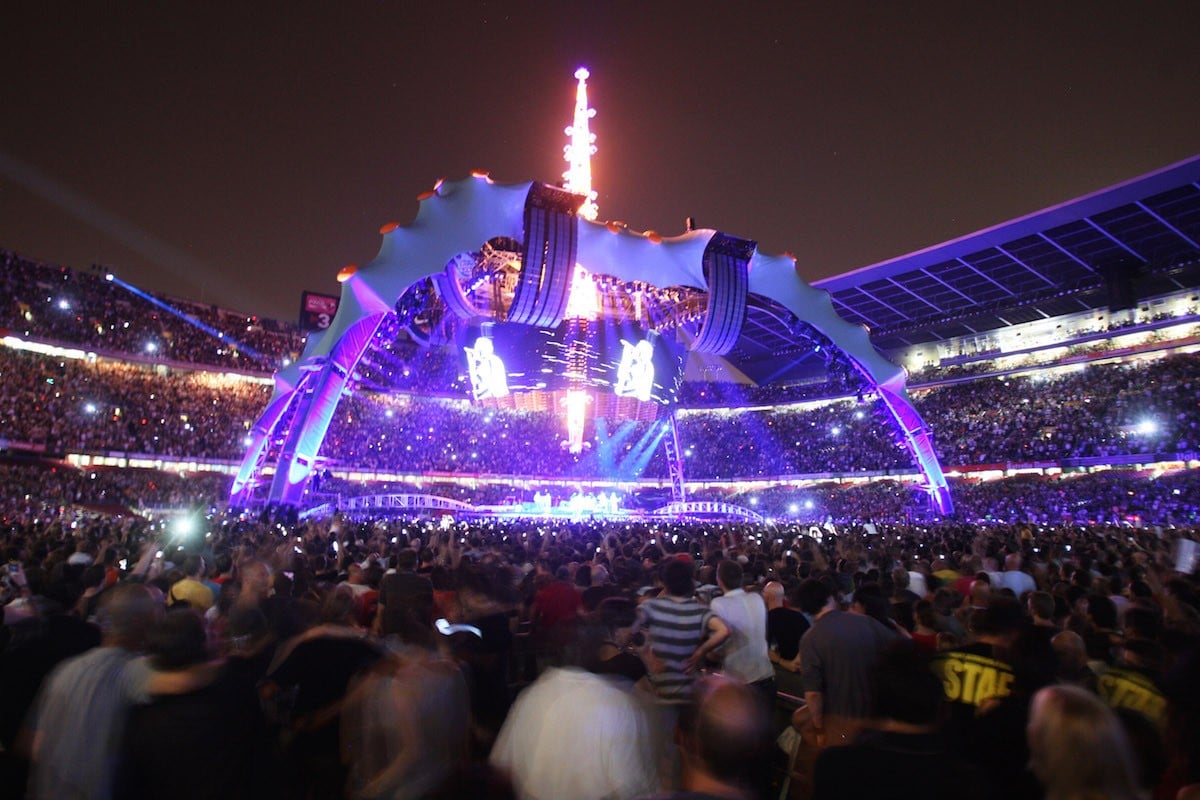
Production costs for a tour like U2's 360° or Taylor Swift’s Eras can exceed $1 million per day, regardless of whether a show is being performed. This includes salaries for roadies, sound engineers, lighting technicians, and security, as well as the rental of massive LED screens and custom stages. Transportation is another major expense; many tours utilize multiple "leap-frogging" stage setups. This means while the artist is performing on "Stage A" in London, "Stage B" is already being constructed in Paris, and "Stage C" is being packed up in Dublin.
Insurance is also a critical, albeit invisible, cost. High-grossing tours must insure against artist illness, weather-related cancellations, and geopolitical instability. As the revenue per show increases, the premiums for these policies rise proportionally, often costing millions of dollars over the course of a global run.
Regional Markets and the Growth of Global Demand
The path to becoming the highest-grossing tour of all time now requires a truly global strategy. In the past, tours focused heavily on North America and Western Europe. Today, record-breaking revenue is increasingly dependent on "emerging" markets in Southeast Asia, Latin America, and the Middle East.
Artists like Coldplay and Harry Styles have seen massive success by playing multiple nights in cities like São Paulo, Singapore, and Mexico City. These regions often have lower ticket prices on average but make up for it with massive stadium capacities and high demand. However, the currency exchange rate remains a significant hurdle. A tour may sell out a stadium in a local currency, but if that currency devalues against the US Dollar (the standard for global reporting), the total reported gross can suffer. To mitigate this, many promoters use "currency hedging" strategies to protect the tour's bottom line.
Is It Only About the Money?
There is often a debate about whether "highest-grossing" is the best metric for a tour's success. Critics argue that adjusting for inflation would place older tours, like those by The Rolling Stones or Pink Floyd, in a much higher position. However, industry trackers like Pollstar and Billboard Boxscore primarily use unadjusted nominal dollars for their historical rankings. This reflects the current economic reality of the music business, where the "billion-dollar tour" has become the new benchmark for superstardom.
How to Track Touring Data
For fans and industry analysts looking to stay updated on tour rankings, several reputable sources provide verified data:
- Pollstar: Known as the voice of the live entertainment industry, providing detailed mid-year and year-end reports.
- Billboard Boxscore: Offers a weekly breakdown of ticket sales and gross revenue for individual shows and tours.
- Luminate (formerly Nielsen Music): Provides broader data on how touring correlates with streaming and sales.
Tracking these metrics allows for a deeper understanding of how an artist's "cultural capital" translates into "financial capital" in real-time.
Frequently Asked Questions
Does the highest-grossing tour always mean the artist is the wealthiest?
No. Gross revenue is the total amount of money taken in at the box office before any expenses are paid. An artist may have a $500 million grossing tour but spend $300 million on production, travel, and staff. Furthermore, management, agents, and promoters take significant percentages of the gross.
How does inflation affect the rankings of all-time highest-grossing tours?
If adjusted for inflation, older tours would rank much higher. For example, a $100 million gross in 1990 is worth significantly more than $100 million in 2026. However, most industry record-keeping bodies use nominal dollars (the value at the time of the tour) to determine the "official" record holder.
Which artist has sold the most tickets regardless of total revenue?
Historically, Ed Sheeran’s Divide Tour holds the record for the highest attendance, with over 8.88 million tickets sold. While Taylor Swift’s Eras Tour grossed more money due to higher ticket prices and VIP packages, Sheeran's tour reached a larger number of individual fans.
Are concert film revenues included in the tour's total gross?
Standard industry rankings (like those from Billboard or Pollstar) usually separate "Box Office Gross" (ticket sales for live performances) from "Theatrical Gross" (movie theater ticket sales). While the film revenue is a massive part of the tour's overall financial success, it is typically categorized under a different ledger.
What is the average price of a ticket for a record-breaking tour?
For top-tier stadium tours in 2026, the average ticket price (including premium and nosebleed seats) typically ranges between $200 and $350. However, "entry-level" tickets are often priced lower, while VIP and "platinum" seating can exceed $1,000.
Leverage Official Data for Industry Insights
To accurately understand the scale of modern concert revenue, one should consult official industry reports rather than social media estimates. Official box office reports are submitted by promoters (like Live Nation or AEG) and verified by third-party auditors. If you are an investor or a student of the music business, focus on the Revenue Per City and Average Ticket Price metrics to determine the true health of a tour's financial model.