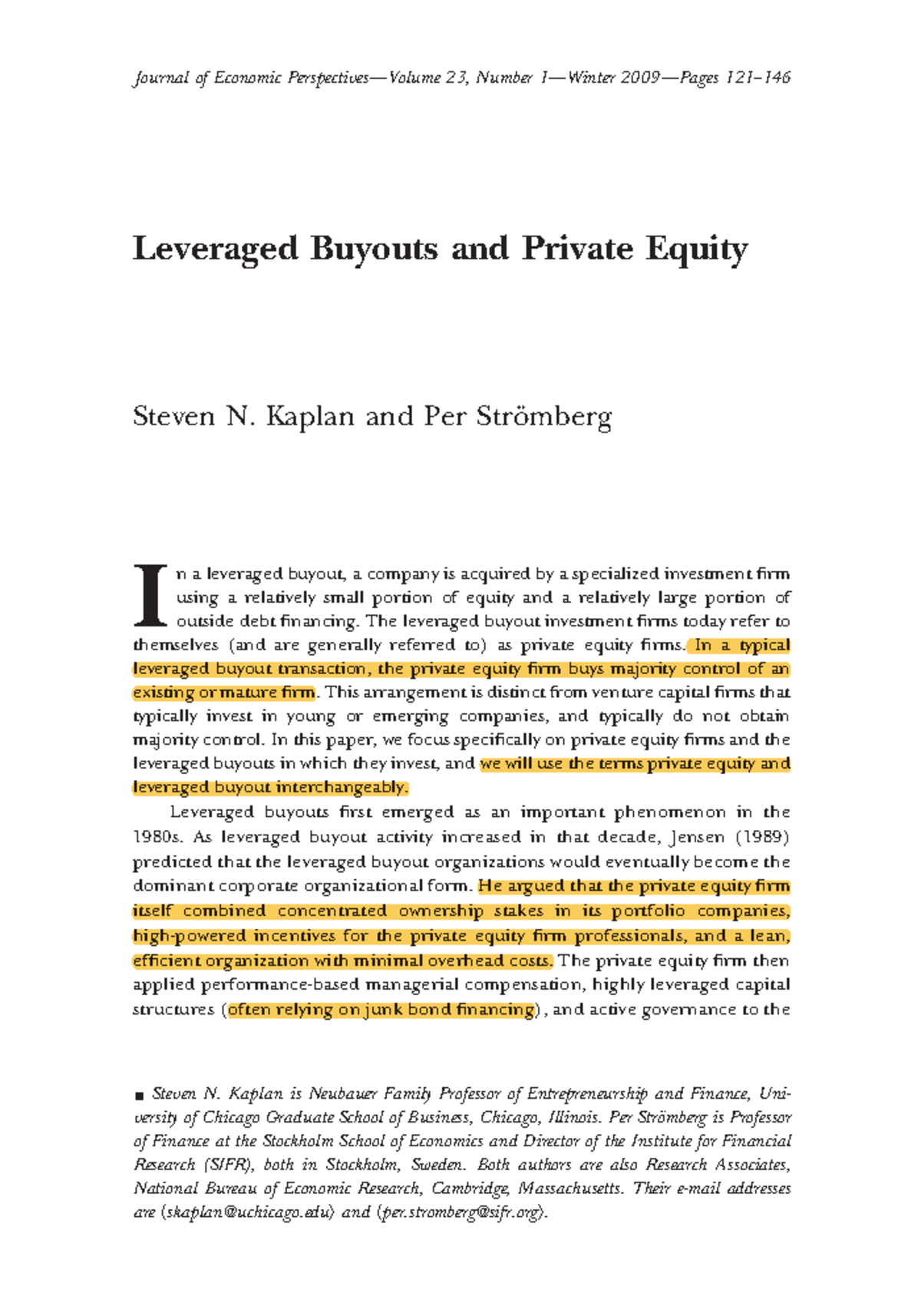
Henry Kravis, the co-founder of KKR & Co. Inc., provides his most profound insights through the lens of KKR’s operational evolution rather than a singular solo-authored memoir. His strategic philosophy is best analyzed through authoritative texts like The New Financial Capitalists and his recent leadership transitions, which emphasize a shift from aggressive financial engineering to long-term value creation, industrialist-style management, and the integration of private credit and insurance.
The Evolution of the Kravis Playbook: From Raider to Industrialist
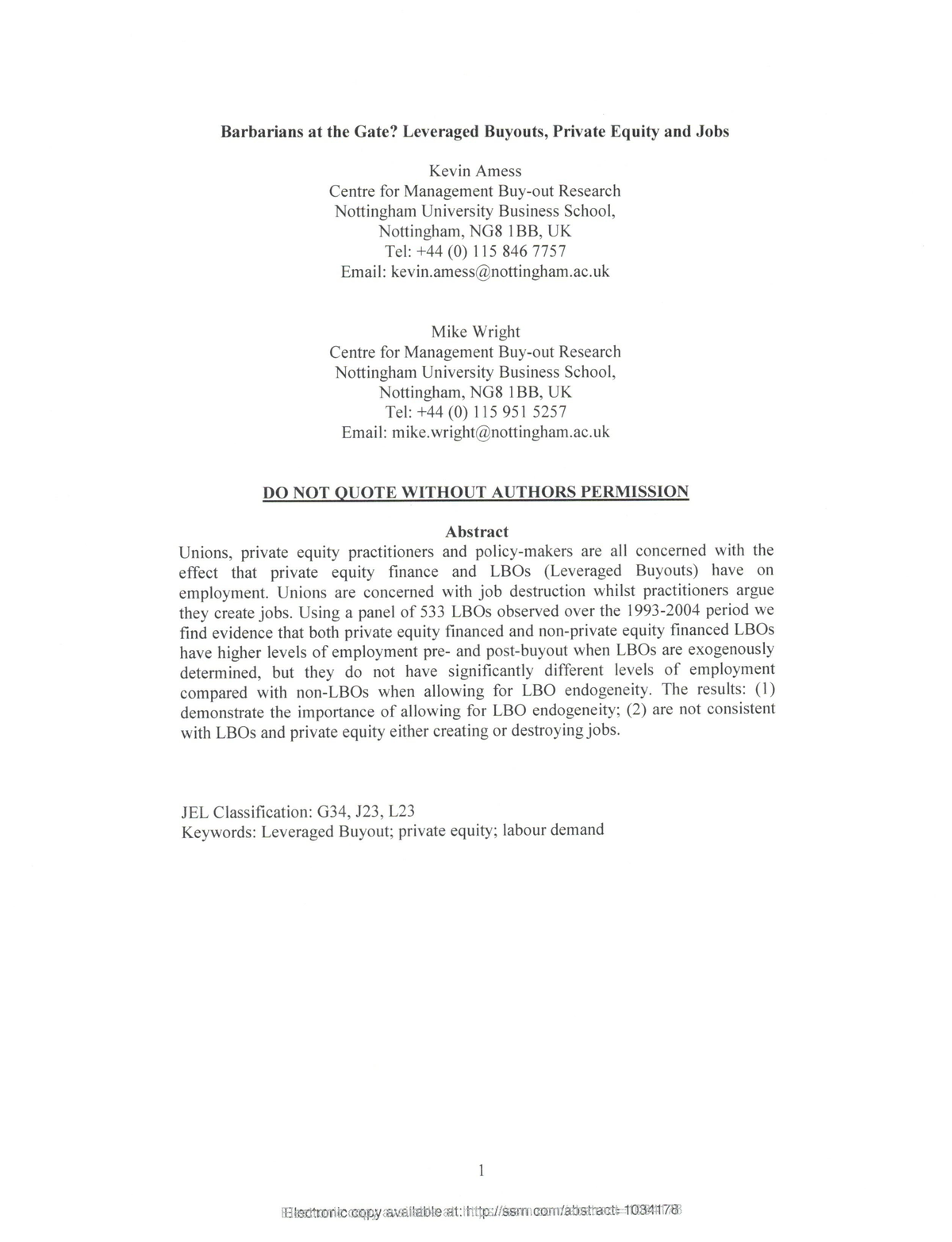
To understand the latest insights attributed to Henry Kravis in 2026, one must first reconcile the "Barbarian" image of the 1980s with the sophisticated multi-asset manager of the current era. While Kravis is a central figure in the seminal book Barbarians at the Gate, which chronicled the 1988 takeover of RJR Nabisco, his modern philosophy has moved significantly beyond the simple use of high-leverage debt.
In the contemporary landscape, Kravis’s insights focus on "Operational Alpha"—the ability to improve a company’s performance through better management, technology, and global supply chain optimization. The 2026 private equity environment is characterized by higher-for-longer interest rates compared to the previous decade, making the old model of "buying low and levering high" less viable. Kravis has frequently noted that in a world where capital is no longer free, the premium is placed on investors who act like owners and operators, not just financiers.
This transition involves a "Buy and Build" strategy. Instead of stripping assets, KKR now frequently uses its initial platform acquisitions as foundations to buy smaller competitors, thereby creating a dominant market leader. This consolidation strategy allows for multiple expansion not through market timing, but through the realization of scale and synergy.
Key Insights from Authoritative Texts and KKR Strategy
Although Henry Kravis has not released a traditional 2026 autobiography, his methodologies are meticulously documented in The New Financial Capitalists: KKR and the Creation of Corporate Value. This text remains the definitive technical guide to his approach, supplemented by his regular investor letters and forum appearances.
The Principle of Alignment
A core Kravis insight is the absolute necessity of "alignment of interests." This means that the General Partners (GPs) must have significant personal capital "at risk" alongside their Limited Partners (LPs). In 2026, this has evolved into complex compensation structures that ensure management teams at portfolio companies are also significant equity holders. Kravis argues that a manager who thinks like an owner will always outperform a manager who thinks like an employee.
Operational Value Creation
The "latest insights" from Kravis emphasize that the margin for error in private equity has shrunk. In the 1980s, an LBO could succeed on tax shields and debt paydown alone. Today, Kravis champions the "KKR Capstone" model—an in-house team of operating experts who are deployed into portfolio companies to fix specific inefficiencies. Whether it is digitizing a legacy manufacturing firm or restructuring the ESG (Environmental, Social, and Governance) framework to lower the cost of capital, the focus is on the "bottom-up" improvement of EBITDA.
The Integration of Private Credit and Permanent Capital
One of the most significant developments in the Kravis era, reaching its maturity in 2026, is the integration of insurance and private credit into the private equity ecosystem. KKR’s acquisition of Athene (through its merger with Apollo and KKR’s own similar moves with Global Atlantic) represents a shift toward "permanent capital."
Kravis has identified that traditional private equity funds are often hampered by their 10-year lifecycles, which force the sale of good assets prematurely. By using insurance balance sheets, KKR can hold onto high-quality businesses for longer periods. This provides a more stable, lower-cost source of funding for leveraged buyouts.
Furthermore, as traditional banks have pulled back from mid-market lending due to regulatory constraints, Kravis’s firm has stepped in as a primary lender. This "private credit" boom allows KKR to capture the entire capital stack—providing both the equity for the buyout and the debt required to fuel it. This dual-sided approach provides greater control over the restructuring process if a company underperforms.
Comparing the Eras of Leveraged Buyouts
The table below illustrates the shift in the LBO landscape from the "Barbarians" era to the modern Kravis-led environment of 2026.
| Feature | The 1988 RJR Nabisco Era | The 2026 Modern PE Era |
|---|---|---|
| Primary Driver | Financial Engineering & Tax Shields | Operational Improvement & Growth |
| Leverage Levels | Often 80% to 90% Debt-to-Equity | Generally 40% to 60% Debt-to-Equity |
| Holding Period | 3–5 Years (Quick Flip) | 5–10+ Years (Long-Term Compounding) |
| Funding Source | High-Yield "Junk" Bonds | Private Credit & Insurance Assets |
| Management Style | Cost Cutting & Asset Stripping | "Buy and Build" & Strategic Expansion |
| Key Focus | Debt Paydown | EBITDA Growth & Multiple Expansion |
The "Ownership Culture" and Employee Equity
A specific insight Kravis has championed in recent years—often through his support of KKR executive Pete Stavros—is the "Ownership Culture." This involves giving equity to every employee in a portfolio company, not just the C-suite.
Kravis argues that when a factory worker or a frontline service provider owns a piece of the company, the culture shifts toward productivity and safety. This isn't just a social initiative; it is a hard-nosed investment strategy. KKR’s data shows that companies with broad-based employee ownership have lower turnover rates and higher profit margins. For Kravis, the latest insight for 2026 is that social alignment is a prerequisite for financial outperformance. This evolution marks a stark contrast to the adversarial labor relations that characterized the LBO industry in its infancy.
Technical Requirements for Modern LBO Success
For professionals looking to implement the Kravis-style LBO in the current market, several technical prerequisites are non-negotiable:
- Resilient Cash Flow: Because interest rates are no longer at near-zero levels, target companies must have "recession-proof" cash flows to service debt. Cyclical industries are viewed with much higher skepticism.
- Technological Integration: A primary lever for value creation is now the application of AI and data analytics to traditional business models. Kravis suggests that any company that is not a "tech company" at its core will soon be obsolete.
- Global Connectivity: Access to Asian and European markets is no longer optional. KKR’s global footprint allows them to buy a company in the US and immediately scale its distribution into the Asia-Pacific region, a move Kravis considers essential for achieving "exit-ready" scale.
- Capital Structure Flexibility: The use of "PIK" (Payment-in-Kind) notes and flexible debt covenants has become more common to manage liquidity during volatile economic cycles.
Frequently Asked Questions
Has Henry Kravis written an autobiography or a new book in 2026?
No, as of 2026, Henry Kravis has not released a solo-authored autobiography. However, his business philosophy and the history of his firm are extensively covered in The New Financial Capitalists and The Kingdom of Capital. His "latest insights" are typically found in KKR’s quarterly investor presentations and his occasional keynote addresses at global economic forums.
What does Kravis mean by "Permanent Capital"?
Permanent capital refers to investment vehicles that do not have a set expiration date, such as the assets held by an insurance company (like Global Atlantic). Unlike a standard 10-year private equity fund, permanent capital allows Kravis and his firm to hold onto companies indefinitely, compounding value without the pressure of forced liquidation.
How has the Kravis approach to debt changed since the 1980s?
The primary change is the debt-to-equity ratio and the purpose of the debt. In the 1980s, debt was used to maximize immediate returns through tax deductions. In 2026, debt is used more conservatively, with a focus on "Private Credit" where the lender has more direct involvement in the company’s governance. The goal is now to ensure the debt fuels growth rather than just subsidizing the purchase price.
Why is employee ownership so important to KKR and Kravis now?
Kravis views employee ownership as a tool to drive "Operational Alpha." By aligning the interests of the entire workforce with the shareholders, companies see higher engagement, lower attrition, and better bottom-line results. It transforms the workforce into a proactive engine of value creation rather than a cost center to be managed.
Is the "Barbarians at the Gate" strategy still relevant?
While the book remains a classic study of corporate drama, the specific strategy of 90% leveraged hostile takeovers is largely obsolete. Modern private equity, as practiced by Kravis, is much more collaborative and focused on long-term partnership with management teams rather than hostile asset stripping.
Strategic Recommendation for Investors and Executives
To leverage the insights of Henry Kravis in the current market, executives and institutional investors should prioritize operational flexibility over financial engineering. The era of "cheap money" has passed, and the current 2026 landscape rewards those who can identify companies with "hidden" operational efficiencies.
If you are an executive in a portfolio company, focus on implementing broad-based equity programs to align your workforce. If you are an investor, look for managers who have a "permanent capital" base and an in-house operating team (like KKR Capstone). The most successful LBOs of this decade will not be those that use the most debt, but those that use the most "industrialist" rigor to transform average companies into global leaders.