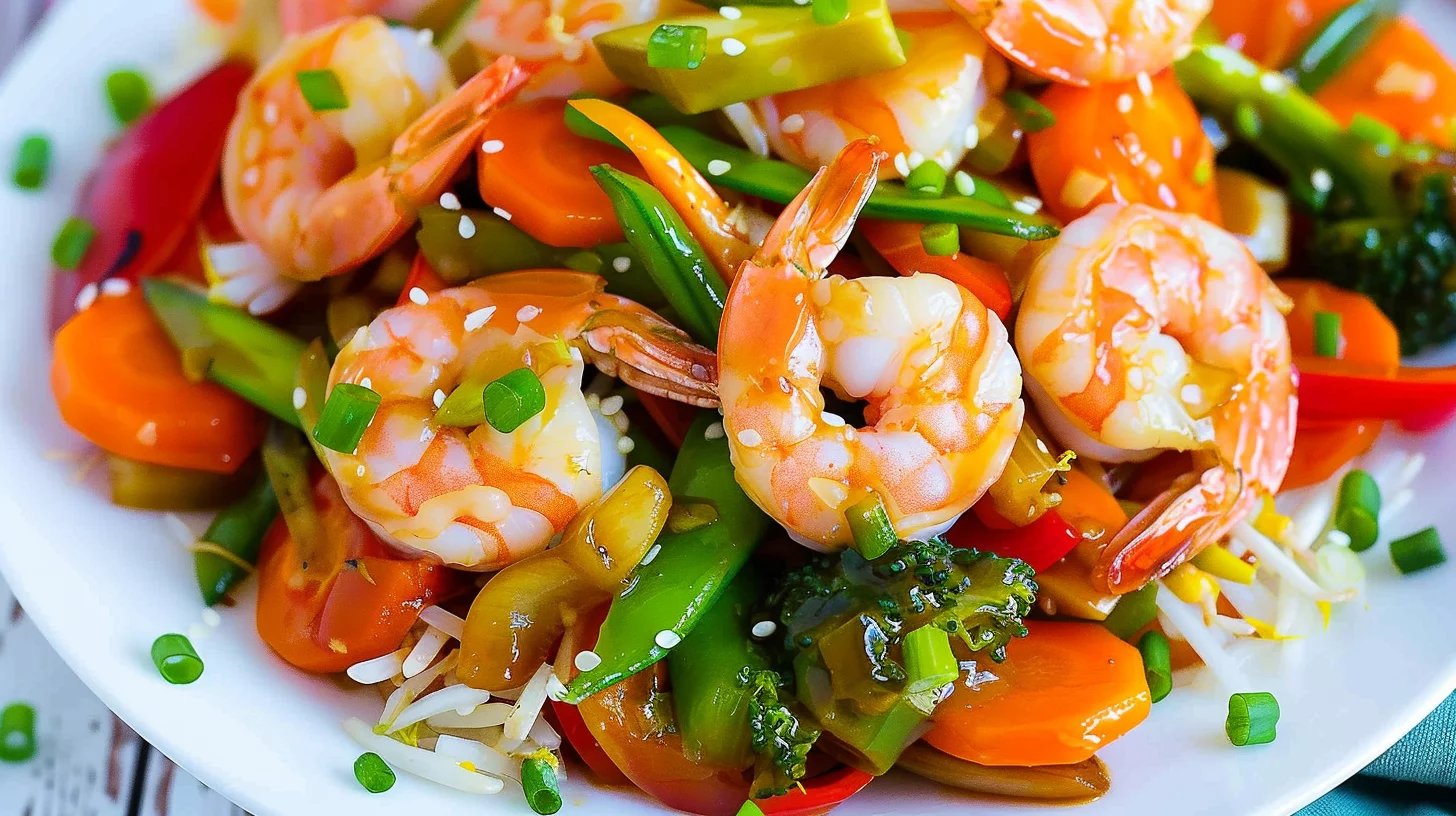
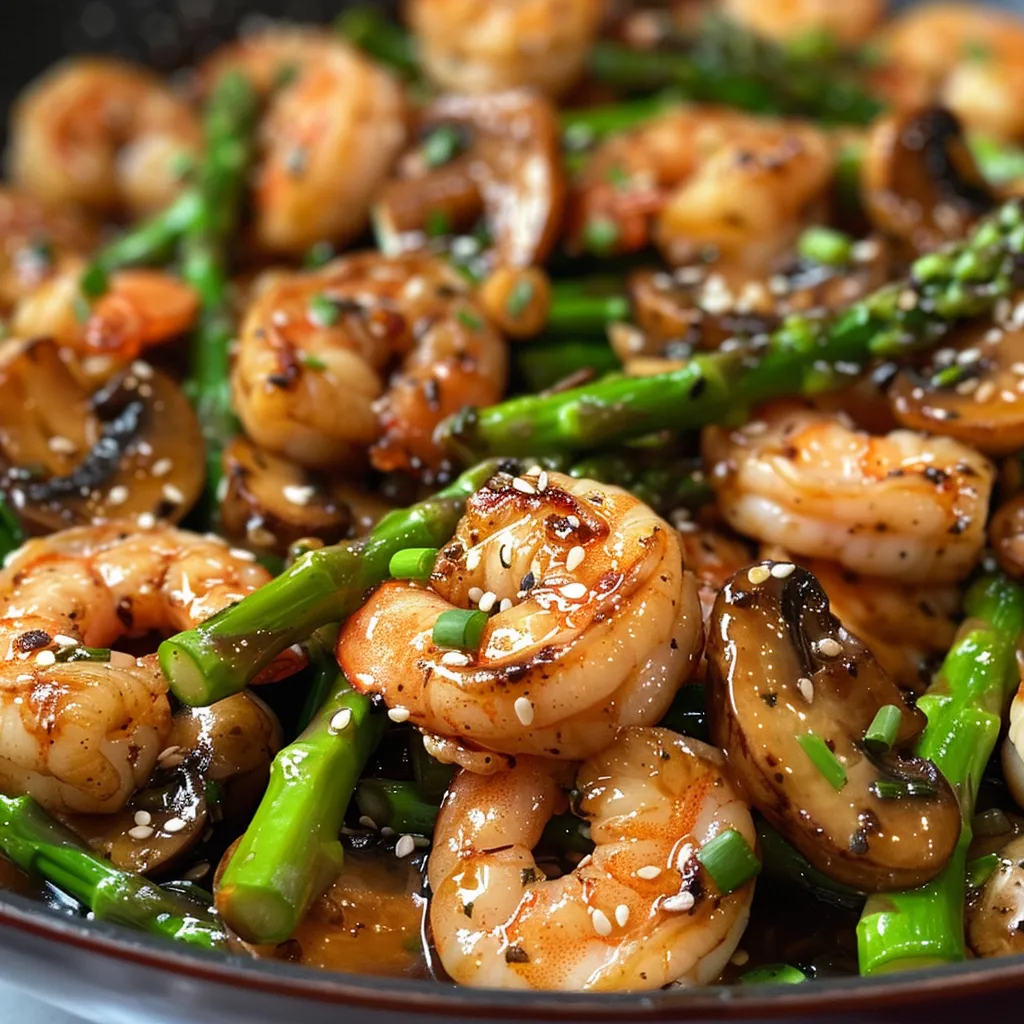
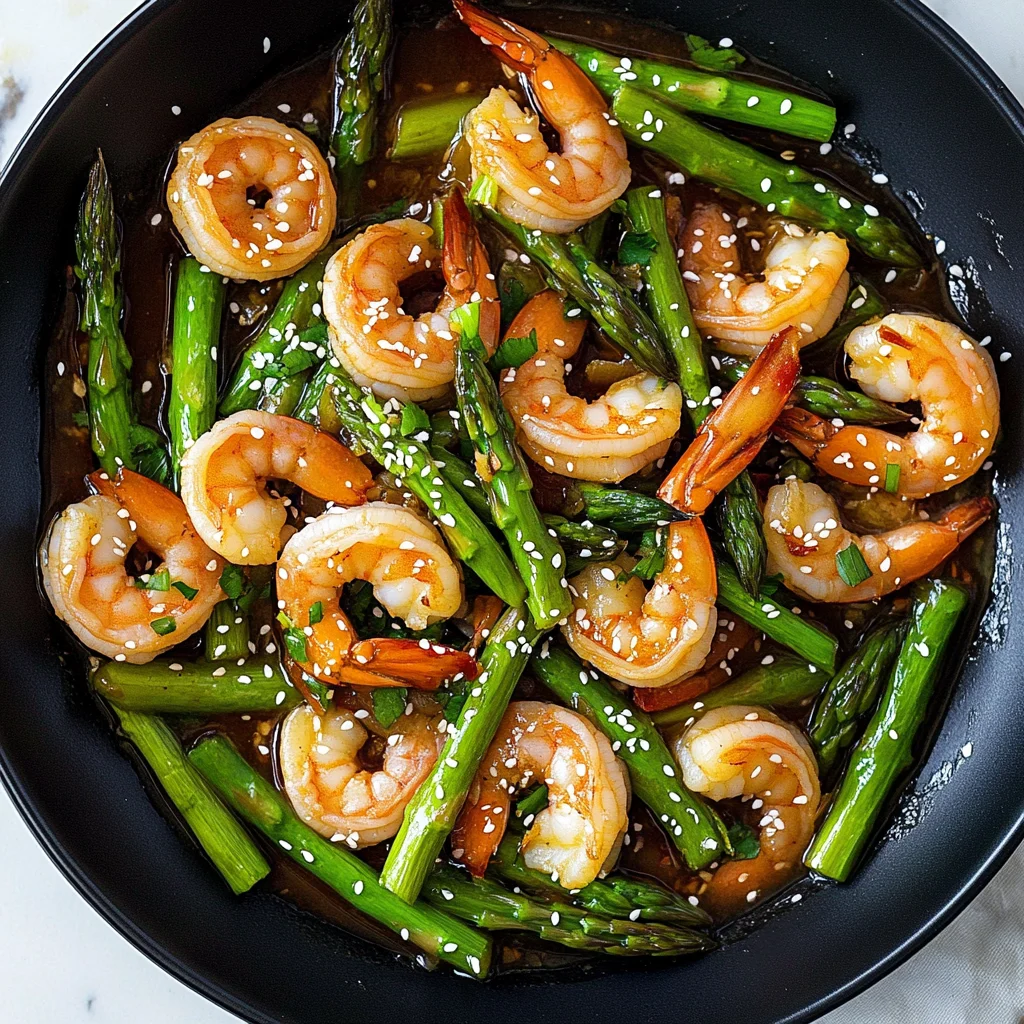
Crafting a health-conscious shrimp stir-fry sauce requires a balance of umami-rich aromatics, low-sodium bases, and natural thickening agents that enhance the delicate flavor of shellfish without relying on excessive sugars or refined starches. By focusing on whole-food ingredients like ginger, garlic, coconut aminos, and citrus, you can create a nutritionally dense meal that supports dietary goals while maintaining the authentic, high-heat profile essential to stir-frying.
The Chemistry of Flavor: Balancing Profiles in Stir-Fry Sauces
Creating a balanced sauce begins with understanding the five taste profiles: sweet, sour, salty, bitter, and umami. When preparing a stir-fry, the goal is to create a synergy where no single element overwhelms the sweetness of the shrimp.
Health-conscious cooking often struggles with the high sodium levels found in traditional soy sauce and the refined white sugars common in bottled stir-fry glazes. To achieve depth without these, replace traditional soy sauce with coconut aminos. Coconut aminos offer a similar savory, salty profile but with significantly less sodium and a slightly sweeter natural undertone.
To introduce acidity, rely on fresh lime juice or rice vinegar rather than sweetened vinegar bases. The brightness of lime cuts through the density of savory sauces, acting as a natural flavor enhancer that requires less salt to make the dish taste seasoned. Finally, utilize fresh aromatics like ginger, garlic, and scallions. When sautéed correctly, these release volatile oils that provide a complex, spicy base that eliminates the need for flavor-boosting additives like monosodium glutamate (MSG) or high-fructose corn syrup.
Nutritional Considerations and Ingredient Substitutions
Shrimp is an excellent foundation for a health-conscious diet, as it is a low-calorie, high-protein source containing essential minerals like selenium and iodine. However, the nutritional profile can be compromised by heavy, calorie-dense sauces.
The primary nutritional objective is to reduce the glycemic impact and sodium load of the sauce. Standard stir-fry recipes often rely on cornstarch slurries and corn syrup for texture and gloss. To optimize this, consider the following substitutions:
- Sodium Control: Utilize coconut aminos or low-sodium tamari. These provide the necessary salinity while allowing for better control over the total mineral intake.
- Thickening Agents: Instead of refined cornstarch, use arrowroot powder or tapioca starch. These are grain-free alternatives that provide the desired "cling" to the shrimp and vegetables without the inflammatory potential or processing level of traditional starches.
- Sweetening: If a recipe requires sweetness to balance the salt, opt for small amounts of honey or monk fruit sweetener. Unlike refined white sugar, these provide either trace nutrients (honey) or zero glycemic impact (monk fruit), preventing the blood sugar spikes associated with traditional stir-fry glazes.
Technical Execution: The Art of the Quick Sear
Technique is just as vital as ingredients when aiming for a health-conscious result. The "stir-fry" method is fundamentally about high heat and fast cooking, which preserves the texture of vegetables and the moisture of the shrimp.
To maintain health standards, avoid the common mistake of overcrowding the wok. If the pan is too full, the temperature drops, causing the shrimp to steam rather than sear, which often leads cooks to use more oil or sauce to compensate for a lack of flavor development. Instead, work in batches. Sear the shrimp quickly—usually 60 to 90 seconds per side—until they are opaque and curled, then remove them from the heat while you cook the aromatics and vegetables.
The sauce should be added at the very end of the cooking process. Adding the sauce too early can cause the sweeteners to caramelize and burn, while the starch will over-thicken if left on high heat for too long. By adding a whisked mixture of your liquids and thickener during the final minute of tossing, you ensure a glossy, light coat that doesn't overwhelm the fresh ingredients.
Comparing Sauce Base Components
Choosing the right liquid base is the most significant decision for the nutritional profile of your dish. The following table compares common stir-fry base ingredients based on their typical nutritional impact.
| Ingredient | Primary Profile | Sodium Content | Glycemic Impact |
|---|---|---|---|
| Traditional Soy Sauce | Salty/Umami | Very High | Low |
| Coconut Aminos | Salty/Sweet | Low | Low |
| Low-Sodium Tamari | Salty/Umami | Moderate | Low |
| Hoisin Sauce | Sweet/Salty | High | High |
| Rice Vinegar | Acidic | Negligible | Very Low |
| Arrowroot Starch | Neutral | None | Low |
Practical Troubleshooting for Homemade Sauces
Even with the best intentions, homemade sauces can sometimes fail to meet expectations in consistency or flavor intensity.
If your sauce is too thin, do not add more dry starch directly to the hot pan, as this will result in clumps. Instead, create a small slurry by mixing one teaspoon of arrowroot with two teaspoons of cold water in a separate bowl, then drizzle it into the pan while stirring vigorously.
If the flavor feels "flat" or one-dimensional, it is rarely a salt deficiency. Rather, it is usually a lack of contrast. If a sauce tastes dull, it likely needs more acid or heat. Add a splash of lime juice or a teaspoon of toasted sesame oil. Sesame oil is potent; a small amount added at the very end provides a toasted, nutty aroma that significantly improves the sensory experience of the dish without adding unnecessary bulk.
Lastly, be mindful of the "burning" threshold of your ingredients. Ginger and garlic can turn bitter within seconds if exposed to extreme heat for too long. If you find your stir-fry consistently has an acrid aftertaste, ensure the aromatics are added after the initial sear of the proteins and vegetables, just before you introduce the sauce.
Recommended Next Steps for Your Kitchen Routine
To master the health-conscious shrimp stir-fry, begin by preparing a "master sauce" base on Sunday. Whisking together a base of coconut aminos, rice vinegar, freshly grated ginger, and a touch of sesame oil allows you to have a ready-made flavor profile that removes the friction of daily cooking.
When you are ready to prepare a meal, focus on the mise en place: have your shrimp peeled and deveined, your vegetables chopped to uniform sizes, and your thickener slurry pre-mixed. This level of preparation ensures that the actual cooking time remains under five minutes, which is the window required to keep shrimp succulent and vegetables crisp without needing excessive fats to prevent sticking. Start by practicing with this ratio: 1/4 cup of coconut aminos to 1 tablespoon of rice vinegar and 1 teaspoon of arrowroot. Adjust the ratios based on your preference for salinity or acidity as you gain experience with the process.
Frequently Asked Questions
Why is coconut aminos preferred over soy sauce for health-conscious stir-fries?
Coconut aminos contain significantly less sodium and are naturally soy-free and gluten-free. While traditional soy sauce provides a deep umami flavor, it can contain up to 900mg of sodium per tablespoon. Coconut aminos provide a similar saltiness with about 70-80% less sodium, making them easier to incorporate into a heart-healthy diet.
Does the choice of thickener affect the final taste of the sauce?
Yes, standard cornstarch can leave a slightly chalky aftertaste if not cooked out properly, and it requires significant heat to activate. Arrowroot powder is flavor-neutral, creates a clearer, glossier sauce, and thickens at a lower temperature, which helps protect the delicate texture of the shrimp during the final stages of cooking.
How can I add heat to my stir-fry sauce without using high-sugar chili pastes?
Many store-bought chili pastes contain high-fructose corn syrup and preservatives. For a healthier alternative, use fresh Thai chilies, crushed red pepper flakes, or a small amount of chili-infused oil. These allow you to control the Scoville level of the dish without introducing unwanted sugars or additives.
Can I prepare a stir-fry sauce in advance and store it?
Yes, you can store a homemade sauce base (minus the thickener) in an airtight container in the refrigerator for up to five days. Keep the thickener separate and add it only when you are cooking the stir-fry. Adding the thickener to the refrigerated mixture can lead to separation or spoilage over time.
What is the best way to prevent shrimp from becoming rubbery?
The key is to remove the shrimp from the pan as soon as they turn opaque. Shrimp cook very rapidly, often in under two minutes total. By cooking the vegetables first, removing them, searing the shrimp, and then tossing everything back together with the sauce for the final 30 seconds, you prevent the shrimp from overcooking while the vegetables reach their desired tenderness.