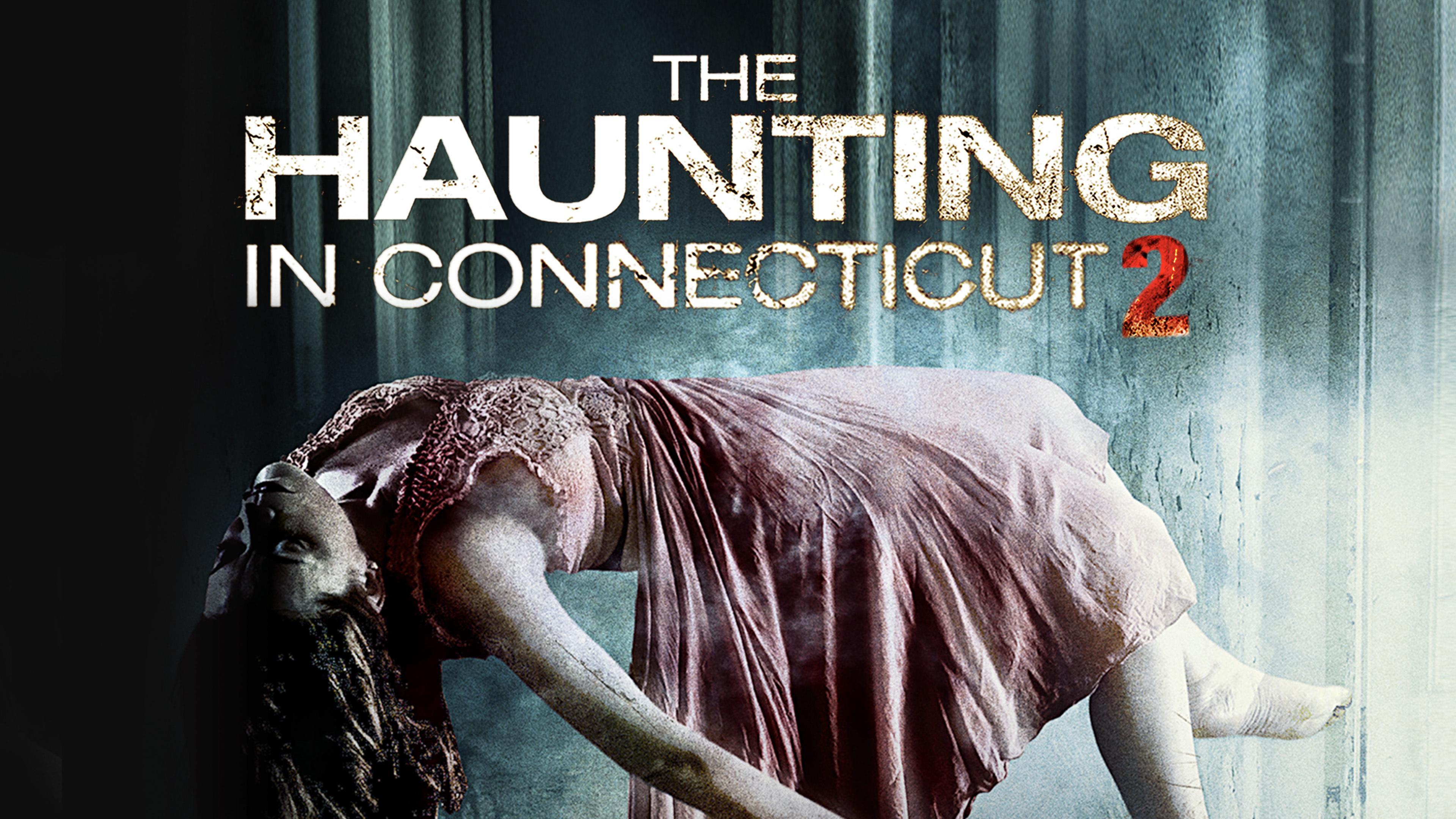
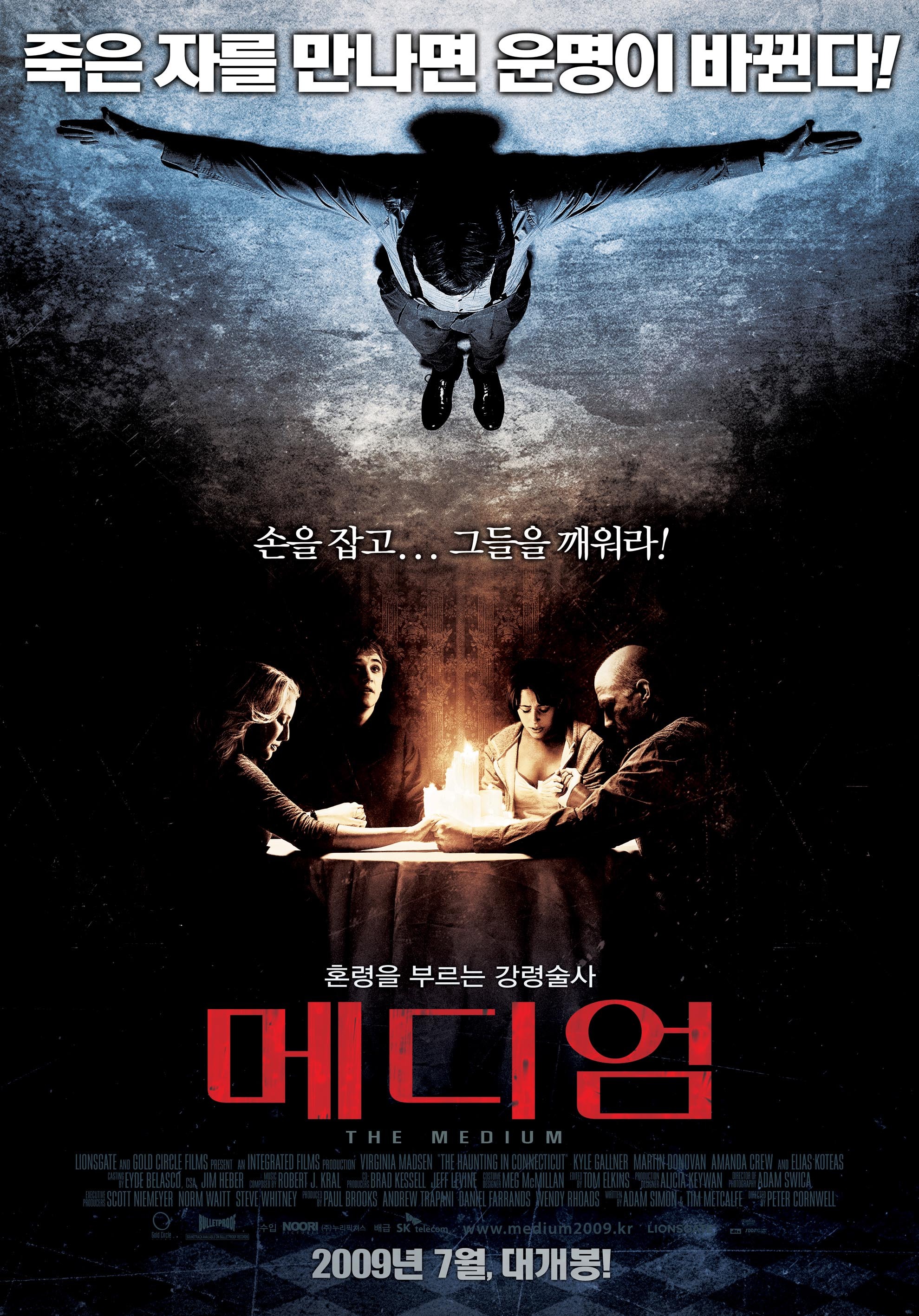
The case of the Snedeker family, widely publicized as "A Haunting in Connecticut," stands as one of the most controversial and debated accounts in the history of paranormal research. It centers on the experiences of the Snedeker family, who relocated to a former funeral home in Southington, Connecticut, in the 1980s, where they reported persistent encounters with malevolent entities that deeply impacted their physical and psychological well-being.
The Origins of the Southington Case
The story began in 1986 when Carmen and Allen Snedeker moved their family to Southington to be closer to the University of Connecticut Hospital, where their son, Philip, was undergoing treatment for Hodgkin’s lymphoma. They rented a house on Meriden Avenue, which was unknown to them at the time, formerly operated as the Hall-Hanley Funeral Home. The residence contained a basement that allegedly served as a storage space for mortuary equipment, including embalming tools and caskets.
Shortly after moving in, the family reported a series of increasingly disturbing phenomena. These included the manifestation of spectral figures, the sensation of being touched or physically assaulted, and the presence of pungent odors reminiscent of rotting flesh. Carmen Snedeker later asserted that the basement area, in particular, acted as a nexus for these occurrences, citing the discovery of funeral-related artifacts as physical evidence of the home’s dark history.
The Role of Ed and Lorraine Warren
The notoriety of this case is inseparable from the involvement of Ed and Lorraine Warren, two self-proclaimed demonologists and paranormal investigators. The couple arrived in Southington after being contacted by the Snedeker family. They quickly characterized the residence as a site of "demonic infestation." According to the Warrens, the house was not haunted by conventional ghosts but was instead controlled by demonic entities that had latched onto the residents due to the previous business's activities.
The Warrens’ involvement shifted the narrative from a standard haunting to a theological and supernatural conflict. They utilized their standard investigative protocols, which often combined religious symbolism, psychological assessment, and subjective sensory reporting. Their claims drew significant national media attention, culminating in interviews on talk shows and various published accounts that solidified the story in American pop culture as the "ultimate" paranormal mystery.
Critical Analysis and Skepticism
Despite the widespread cultural impact of the story, the investigation into the Snedeker case has faced rigorous skepticism from both local residents and paranormal investigators. One of the primary sources of doubt stems from the lack of objective, verifiable evidence. While the Snedeker family maintained their accounts were accurate, critics noted that many of the events described—such as the physical violence or the apparition of spectral figures—were never captured by audio or visual recording equipment in a way that would withstand scientific scrutiny.
Furthermore, investigative journalists, such as Ray Garton, who was hired to write the book In a Dark Place: The Story of a True Haunting, have publicly stated that their work was heavily fictionalized. Garton reported that he struggled to reconcile conflicting accounts from family members and was frequently told by the Warrens to "fill in the gaps" or invent details to ensure the narrative was sufficiently frightening. This revelation casts significant doubt on the claim that the story represents a documented, factual record of paranormal events.
Understanding Paranormal Investigation Standards
In the context of the 2026 paranormal research community, claims like those found in the Connecticut case are evaluated through a methodology that prioritizes empirical data over anecdotal testimony. Modern investigators generally categorize reports into one of three areas:
| Methodology | Focus | Data Source |
|---|---|---|
| Environmental | Atmospheric anomalies | EMF meters, thermal sensors, hygrometers |
| Audiovisual | Digital capture | Full-spectrum cameras, audio recorders |
| Psychological | Human perception | Eyewitness interviews, environmental stressors |
The reliance on these tools aims to eliminate natural explanations—such as mold toxicity, carbon monoxide exposure, or infrasound—before concluding that an incident is "supernatural." In the 1980s, these protocols were less formalized, leaving early cases like the one in Southington reliant primarily on the credibility of the individuals involved rather than independent verification.
The Impact of Media and Folklore
The narrative of "A Haunting in Connecticut" gained its "ultimate" status largely through cinematic and literary adaptation. The 2009 feature film brought the story to a global audience, prioritizing dramatic tension and horror tropes over the nuances of the original report. This cycle—where a claim is made, adapted by media, and then reinforced by that media in public memory—is a well-documented phenomenon in folklore studies.
For the researcher or enthusiast, it is essential to distinguish between the primary account (the family's experience) and the secondary narrative (the media representation). In the case of this specific mystery, the gap between the two is immense. The story remains a compelling case study not necessarily because of verifiable paranormal activity, but because it illustrates how traumatic events within a family, combined with high-stress environments and outside suggestion, can coalesce into a complex, enduring modern myth.
Investigating Unexplained Phenomena Today
For those currently interested in exploring such claims or seeking to understand the "mystery" of the house on Meriden Avenue, it is important to maintain a critical framework. If one were to visit or research the property today, the following steps are recommended:
- Verify Historical Context: Consult local land records and property history, rather than relying on sensationalized accounts.
- Consult Scientific Expertise: Many "hauntings" are attributed to building-related health issues. Engaging professionals in air quality testing or structural assessment can often resolve the "mystery" of strange sensory experiences.
- Analyze Source Reliability: Distinguish between documented interviews and later interpretations provided by third-party promoters of the supernatural.
- Distinguish Folklore from Fact: Recognize that many narratives associated with the case were developed for narrative entertainment and do not align with the original experiences reported by the family.
Frequently Asked Questions
Was the haunting in Connecticut actually proven to be true?
There is no empirical, scientific proof that the events were supernatural in origin. While the family maintained their sincerity, investigation into the case, particularly the testimony of the ghostwriter hired to document it, suggests that many details were embellished or fabricated to enhance the narrative.
Why do some people still consider this the ultimate mystery?
The label stems from the high-profile nature of the case, the involvement of the famous Warrens, and the subsequent motion picture adaptation. The intensity of the claims, involving physical assault and demonic manifestation, ensures it remains a staple in horror culture regardless of its factual basis.
What happened to the house in Southington?
The house remains a private residence. It has undergone renovations over the decades. It is important to note that it is private property and should not be approached or disturbed by individuals seeking to investigate the history.
What is the difference between a "demonic" haunting and a standard one?
In paranormal folklore, a standard haunting is usually considered a residual echo of a person or event, whereas a "demonic" classification implies a non-human, malevolent intelligence. This is an interpretative label used by believers rather than a scientific classification recognized by researchers.
Can toxic substances mimic signs of a haunting?
Yes, high concentrations of carbon monoxide, black mold, and even low-frequency electromagnetic fields have been shown to cause hallucinations, feelings of dread, and physical symptoms that align with common reports of "haunted" environments.
How should I approach paranormal claims in 2026?
Approach claims with skepticism by looking for peer-reviewed documentation, environmental data, and corroboration by independent, non-aligned parties. Avoid relying on secondary media as a source of objective truth.
Further Action and Research
If you are interested in the sociological impact of the paranormal, focusing on the history of folklore is more productive than attempting to verify the specific details of the Snedeker case. Researching the archives of local Southington historical societies or searching for independent news reports from the mid-1980s will provide a more grounded perspective on how the story evolved from a family’s private distress into a national cultural event. By focusing on the origins of the story and the mechanics of how it was disseminated, you can gain a deeper understanding of why this specific mystery continues to captivate public interest despite the lack of objective, verifiable evidence.