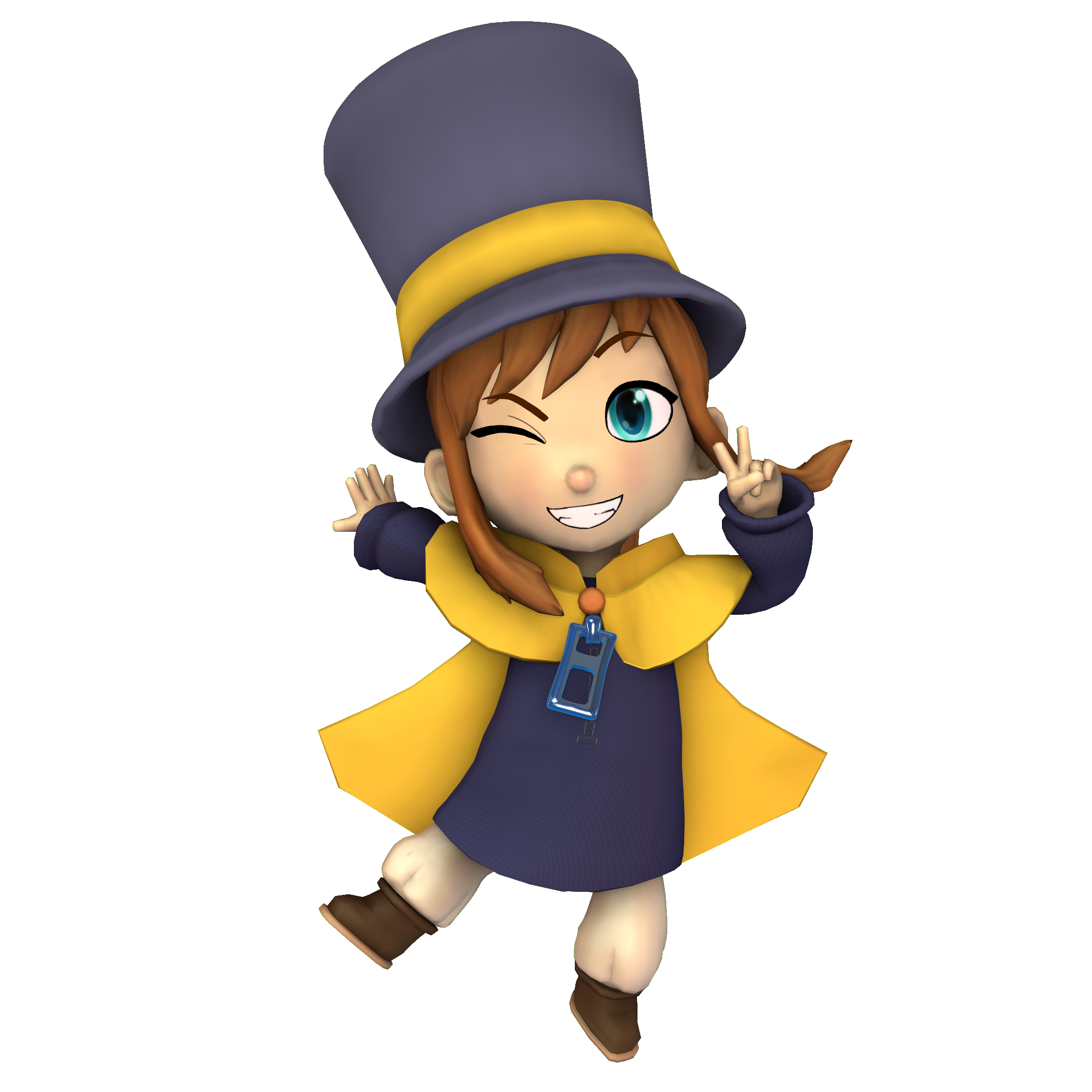
A Hat in Time is a 3D platformer developed by Gears for Breakfast that pays homage to classic titles of the late 1990s and early 2000s. Players control Hat Kid, a space-traveling protagonist tasked with collecting Time Pieces to fuel her ship and return home after a collision with a Mafia-controlled planet. The game is celebrated for its precise movement, varied level design, and emphasis on exploration.
Understanding the Gameplay Mechanics and Core Loop
The core appeal of A Hat in Time lies in its movement system, which emphasizes momentum and verticality. Players control Hat Kid, who possesses a natural affinity for jumping, diving, and sprinting. The central mechanic revolves around the collection of "Time Pieces," which serve as the primary currency for unlocking new chapters in the game’s world. Unlike many modern platformers that rely on linear paths, this title encourages non-linear exploration, rewarding players for investigating corners of the map, uncovering hidden platforms, and mastering the physics-based movement.
The "Hat" system is the game’s most distinctive feature. Hat Kid can equip various hats, each providing a unique ability. For example, the Sprint Hat allows for high-speed travel, while the Ice Hat enables a ground-pound maneuver that can trigger specific environmental switches. Switching between these abilities on the fly is essential for traversing complex terrain and solving environmental puzzles. Mastery of this system is not merely optional; it is a prerequisite for accessing late-game content and optional "Time Rift" challenges.
Level Design and Structural Progression
The game is divided into distinct "Chapters," each featuring a unique theme, aesthetic, and set of challenges. From the film-studio antics of Dead Bird Studio to the haunting, atmospheric landscapes of Subcon Forest, the level design shifts significantly from one world to the next. Each chapter is structured around a series of "Acts." While the player must complete these acts to progress the narrative, the levels themselves are designed to be revisited.
Revisiting stages is a standard practice for players seeking 100% completion. Many areas of the map are inaccessible during the first run of an Act. By acquiring new hats or badges—upgradable items that offer perks like faster movement or attraction to collectibles—players can unlock previously unreachable sections. This design philosophy creates a satisfying sense of progression, where the player’s growing toolkit transforms the environment from an obstacle into a playground.
Comparison of Platforming Approaches
A Hat in Time draws heavy inspiration from genre-defining classics. To better understand how the game functions, it is helpful to contrast its specific approach to platforming against industry standards.
| Feature | A Hat in Time | Traditional Linear Platformers |
|---|---|---|
| Movement | Momentum-based, fluid, physics-driven | Predetermined, precise, static |
| Exploration | Open-world sandbox per Chapter | Narrow, guided paths with hidden exits |
| Progression | Non-linear; collect Time Pieces | Linear; level-to-level completion |
| Ability System | Contextual (Hats/Badges) | Static throughout the game |
As shown in the table, the shift toward a sandbox style means players are expected to engage with the environment through trial and error. This is a deliberate design choice that prioritizes player autonomy over hand-holding.
Technical Specifications and Performance
As of 2026, A Hat in Time remains fully compatible with modern hardware, including Windows PC, macOS, Linux, and major consoles. The game runs on Unreal Engine 3, which provides a distinct, vibrant visual style reminiscent of the GameCube era. On PC, the game is highly customizable, with graphics settings that allow for high frame rates even on modest hardware.
One of the most notable technical aspects of the game is its robust modding support on the PC platform. Through the Steam Workshop, the community has introduced custom levels, costumes, and gameplay modifiers. This has extended the longevity of the game significantly, as the active player base can access thousands of user-created maps that often match or exceed the quality of the base game’s challenges. For users experiencing performance issues, adjusting the "Post-Processing" or "Shadow Quality" settings in the graphics menu typically resolves frame drops in busy, particle-heavy areas like the Alpine Skyline.
Navigating Difficult Content: Time Rifts and Boss Battles
For those seeking a greater challenge, "Time Rifts" offer isolated platforming gauntlets that test the player's mechanical skill. These levels deviate from the open-ended nature of the main game, focusing instead on tight, high-precision jumping sequences. Success in Time Rifts is rarely about exploration; it is about rhythm and execution.
Boss battles in A Hat in Time are designed as multi-phase encounters. Each boss telegraphs its attacks, requiring the player to observe patterns and wait for openings. The most common mistake new players make is rushing into the boss’s reach before the phase shift is complete. Patience and pattern recognition are your most valuable assets. If you find yourself consistently failing a boss, re-evaluate your badge loadout; some badges provide extra health or movement speed that can simplify these encounters significantly.
Frequently Asked Questions
Is A Hat in Time suitable for beginners to 3D platformers?
Yes, the game features a moderate learning curve. The initial chapters are designed to introduce mechanics gradually. While the optional challenges can be difficult, the core story progression is balanced to accommodate players who are still learning the movement physics.
Do I need to buy the DLCs to understand the main story?
No, the main story is self-contained. The DLC expansions, "Seal the Deal" and "Nyakuza Metro," provide additional chapters, harder content, and new customization options, but they are not required to complete the primary narrative arc or to enjoy the core experience.
Can I play A Hat in Time with a keyboard and mouse?
While the game supports both keyboard/mouse and controller inputs, it is highly optimized for controllers. The analog nature of sticks is generally preferred for the precise movement required in platforming, but experienced keyboard players can perform just as effectively with custom key bindings.
How do I install mods for the PC version?
Mod installation is managed through the Steam Workshop. By clicking "Subscribe" on a workshop item, the game will automatically download and install the content upon your next launch. You can manage, enable, or disable these mods from the main menu under the "Mods" section.
Is the game cross-platform?
No, the game does not support cross-platform saves or cross-play functionality. Your save data is tied to the specific platform on which the game is installed, and online features like the "Seal the Deal" co-op mode are restricted to local play or specific platform-integrated systems.
Essential Next Steps for New Players
If you are just beginning your journey in A Hat in Time, prioritize unlocking the "Sprint Hat" as soon as possible. This ability fundamentally changes how you traverse the map, making long-distance traversal much more efficient. Additionally, make it a habit to check the "Badge Seller" frequently; the badges available in his inventory rotate, and some offer significant quality-of-life improvements, such as the "Magnet Badge," which automatically collects nearby items, saving you time during your exploration phases. Finally, spend time in the first chapter, Mafia Town, to fully grasp the jump-dive-jump move combination. Mastering this specific movement chain will allow you to clear almost every gap in the game with ease, providing you the mechanical confidence to tackle the later, more demanding chapters.