In 2026, Halloween consumer trends are defined by an extended "Summerween" shopping window, a significant pivot toward circular economy costumes, and the integration of augmented reality in home haunting. Shoppers are prioritizing high-quality, reusable animatronics over disposable decor while leveraging generative AI to design hyper-personalized, DIY-hybrid costumes that balance creativity with budget consciousness.
The Extension of the Halloween Season: The "Summerween" Phenomenon
The traditional October shopping rush has effectively vanished, replaced by a three-month consumer cycle that begins in late July. In 2026, the "Summerween" trend—where retailers debut autumnal and spooky merchandise alongside summer clearance—has moved from a niche social media meme to a core retail strategy. This shift is driven by two primary factors: inventory management and consumer psychology.
From a logistics perspective, retailers have found that spreading the demand for bulky items like 12-foot skeletons and intricate lawn displays reduces the strain on shipping networks. For the consumer, early shopping serves as a form of "dopamine spending" during the heat of late summer. By mid-August 2026, major big-box retailers reported that nearly 40% of their seasonal decor inventory had already been sold. This early engagement allows households to distribute the financial impact of Halloween over several pay periods, a necessary adaptation in an era where discretionary spending is closely scrutinized.
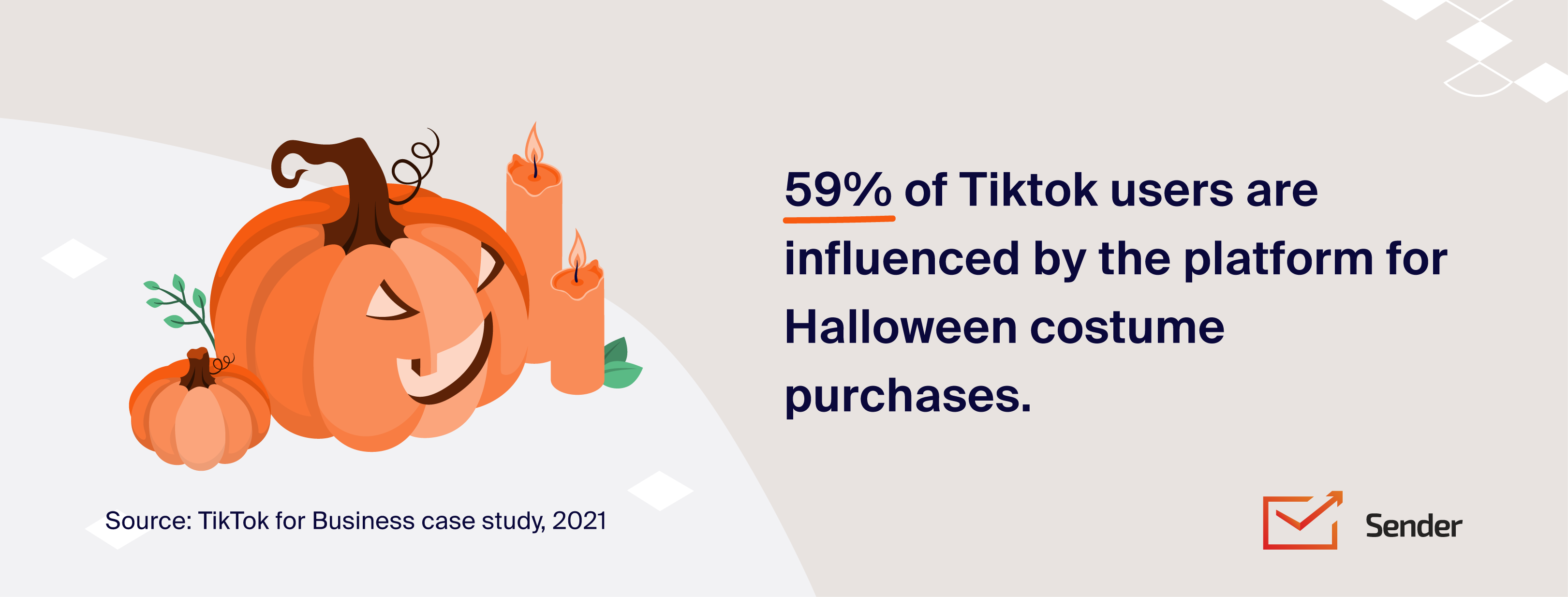
Furthermore, the "early bird" trend is fueled by the scarcity of "viral" items. As social media platforms like TikTok and Instagram continue to dictate the "must-have" decor of the year, consumers feel pressured to purchase items months in advance to avoid the secondary resale market, where prices can inflate by 200% to 300%.
The Sustainable Spook: Rise of the Circular Economy
One of the most profound shifts in 2026 is the rejection of "fast fashion" costumes. For decades, the Halloween industry was synonymous with single-use plastics and non-recyclable polyester. However, 2026 marks a turning point where sustainability is no longer a luxury sub-niche but a primary driver of purchasing decisions, particularly among Gen Z and Millennial parents.
Thrifting and Customization The "Thrift-to-Spook" movement has seen a 25% year-over-year increase in 2026. Consumers are purchasing base garments from second-hand retailers and using high-tech DIY tools—such as desktop laser cutters and 3D printers—to create custom accessories. This hybrid approach allows for unique, high-quality costumes that do not contribute to the estimated 2,000 tons of plastic waste previously generated by the holiday annually.
Costume Rental and Resale Platforms Peer-to-peer rental platforms specifically for high-end cosplay and elaborate Halloween costumes have gained mainstream traction. Rather than spending $200 on a deluxe outfit that will be worn once, consumers are opting to rent professional-grade ensembles for a fraction of the cost. Major retailers have also launched "Buy Back" programs, offering store credit for returned costumes from previous years, which are then refurbished and resold as "pre-loved" vintage options.
Spending Power and Economic Sentiments in 2026
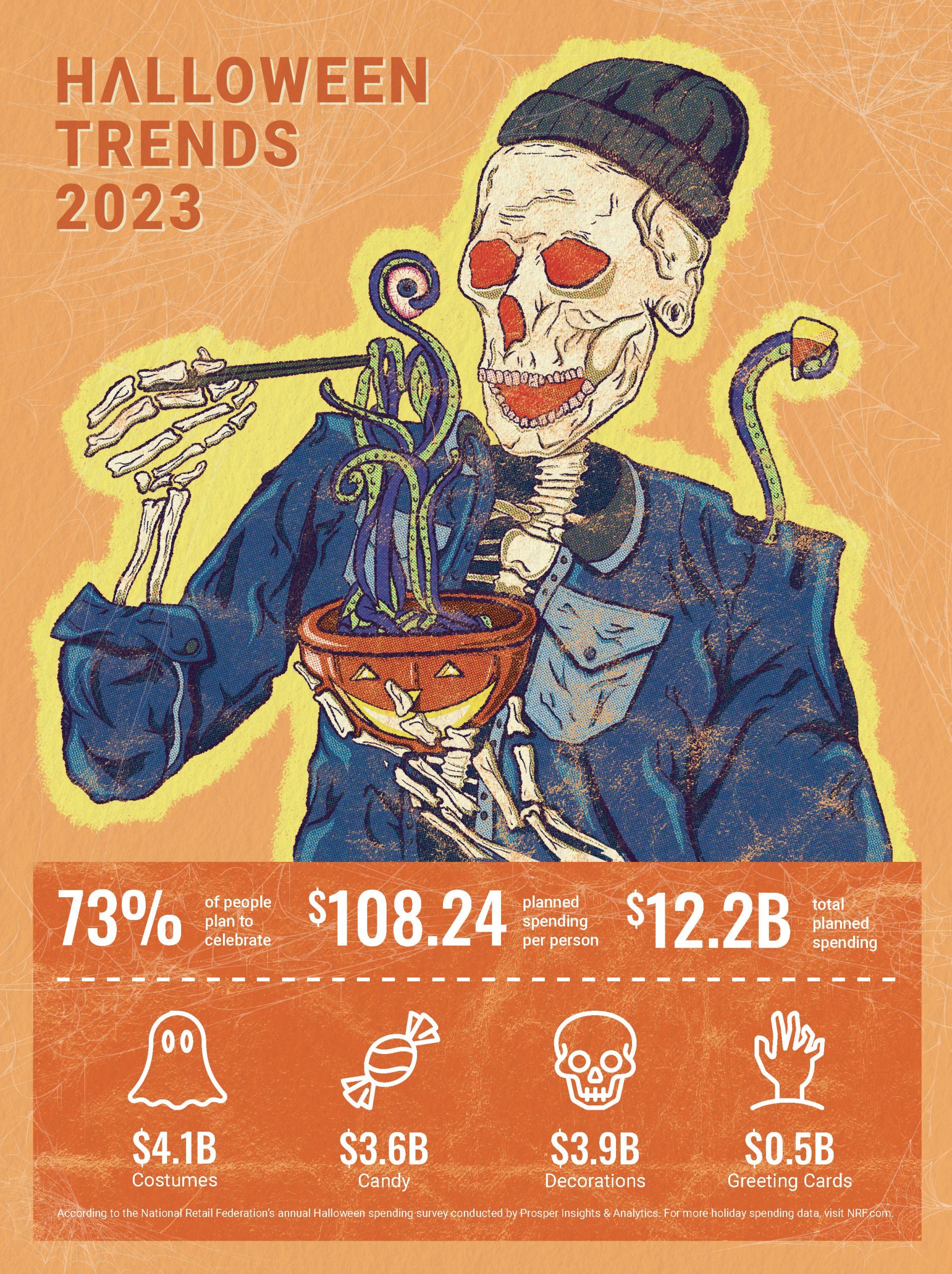
Despite fluctuations in the broader economy, Halloween spending remains remarkably resilient. In 2026, the average household expenditure on Halloween—including candy, decor, costumes, and cards—is projected to reach approximately $115, a slight increase from previous years. However, the way this money is spent has changed.
Consumers are moving away from "filler" purchases. Instead of buying dozens of small, cheap trinkets, there is a clear preference for "investment pieces." A household might skip the aisle of plastic spiders to instead invest in a high-fidelity projection mapping kit that can be used year after year to animate their windows.
2026 Consumer Spending Breakdown
| Category | Average Spend (USD) | Primary Growth Driver |
|---|---|---|
| Costumes | $42.00 | Focus on modular pieces and high-quality accessories. |
| Decorations | $38.50 | Smart lighting and durable outdoor animatronics. |
| Candy/Treats | $30.00 | Shift toward "Full Size" brand loyalty and allergen-free options. |
| Greeting Cards/Other | $4.50 | Digital invitations and AR-enabled physical cards. |
This data suggests that while the "party" aspect of Halloween remains vital, the "home theater" aspect—turning one's residence into a curated experience—is where the most significant financial growth lies.
Technological Integration: AI and AR in the Spooky Space
By 2026, technology is no longer an adjunct to Halloween; it is the infrastructure. Generative AI has revolutionized how consumers approach the holiday, specifically in the realms of costume design and storytelling.
AI-Driven Personalization Many consumers now use AI design prompts to generate unique costume concepts based on their height, build, and available materials. This has led to a surge in "hyper-niche" costumes that blend disparate pop-culture elements, which were previously difficult to visualize. AI is also being used by "home haunters" to write custom scripts for their animatronics, allowing for a personalized experience for trick-or-treaters who visit their homes.
Augmented Reality (AR) Displays Physical decor is increasingly being supplemented by AR. Companies are now selling "digital expansion packs" for their lawn ornaments. A consumer might buy a physical gravestone that, when viewed through a smartphone or AR glasses, triggers a cinematic ghostly apparition or a narrative sequence. This allows for an "infinite" yard display that requires minimal physical storage space during the off-season, addressing a major pain point for urban dwellers.
Confectionery Trends: Health, Safety, and "The Teal Pumpkin"
The candy market in 2026 reflects a heightened awareness of dietary restrictions and health consciousness. While traditional chocolate and sugar-based treats still dominate, the "Teal Pumpkin Project"—which promotes providing non-food treats for children with allergies—has reached near-universal recognition.
Functional and "Clean" Treats There is a growing segment of "functional" Halloween candy. These are treats that use natural dyes (such as beet juice or spirulina) and reduced sugar, or even include vitamins. While this might seem antithetical to the spirit of the holiday, the 2026 parent is more likely to reach for organic, fair-trade chocolate brands that offer mini-sized portions.
The "Full-Size" Premium Conversely, for those who do indulge, there is a trend toward "premiumization." The "Full-Size Candy Bar" house remains the gold standard of the neighborhood, but in 2026, this has evolved into "boutique" treats. Local artisanal bakeries and high-end confectioners have entered the Halloween space, offering pre-packaged, branded treat bags that emphasize quality over quantity.
Cultural Aesthetics: Beyond the Traditional Orange and Black
The aesthetic landscape of Halloween 2026 is highly fragmented, influenced by the "Core" culture of social media. While the classic orange-and-black palette remains a staple, several distinct visual trends have emerged:
- Ghostly Pastels (Pink Halloween): Continuing from previous years, "Pastel-ween" remains popular among Gen Z, blending spooky motifs with soft aesthetics. This trend has expanded into "Neon-ween," utilizing UV-reactive paints and Cyberpunk influences.
- Victorian Macabre: A return to more "realistic" and dark gothic themes, influenced by the resurgence of period-piece horror in cinema. This involves heavy use of velvet, faux-taxidermy, and "dark academia" styling.
- Eco-Gothic: A style that utilizes natural elements—dried mushrooms, moss, twisted branches, and real pumpkins—to create a "folk horror" atmosphere that is entirely biodegradable.
Navigating the 2026 Halloween Market
For consumers and small businesses looking to capitalize on these trends, the "why" behind the purchase is as important as the "what." The 2026 consumer is looking for longevity, story, and sustainability.
To make the most of the season, consider the following actions:
- Invest in Modular Decor: Buy high-quality lighting systems (like smart RGB floodlights) that can be repurposed for Christmas or other holidays by simply changing the software settings.
- Support Local Artisans: Seek out unique, handmade costume pieces that offer a level of detail and durability that mass-produced plastic cannot match.
- Plan for "Digital Decor": If storage space is an issue, look into high-lumen projectors that can turn a blank exterior wall into a rotating gallery of spooky visuals.
FAQ
How has the average cost of Halloween changed in 2026?
The average cost per household has risen to approximately $115. While prices for raw materials and sugar have increased due to inflation, consumers are offsetting these costs by buying fewer, higher-quality items and participating in the "circular economy" through costume swaps and rentals.
What is "Summerween" and why is it popular?
Summerween refers to the practice of starting Halloween celebrations and shopping in late July or August. It has gained popularity as a way for consumers to extend the holiday season and manage their budgets by spreading out purchases over three months rather than one.
Are plastic pumpkins and disposable costumes out of style?
While still available, they are seeing a decline in market share. Environmental regulations and consumer preference for sustainability have made reusable, natural, or high-quality synthetic materials the preferred choice for the 2026 shopper.
How is AI being used in Halloween 2026?
AI is primarily used for costume conceptualization and "home haunting" automation. It allows people to create unique DIY designs and programmable experiences for their displays, making the holiday more interactive and personalized than ever before.
Is trick-or-treating still common?
Yes, but it has become more organized. "Trunk-or-treat" events and neighborhood "haunt maps" (often integrated into community apps) have made the tradition more structured, ensuring safety and guaranteed "activity hubs" for families.
Final Recommendations for the Season
To succeed in the 2026 Halloween landscape, focus on experiential value. Whether you are a homeowner decorating your porch or a consumer choosing a costume, the trend is toward creating a narrative. Avoid the "disposable" mindset of the past. Instead, look for items that offer a technological edge—such as AR compatibility—or a sustainable footprint. By embracing the "Summerween" calendar, you can avoid the stress of last-minute shopping and curate a more thoughtful, impactful, and environmentally friendly celebration.