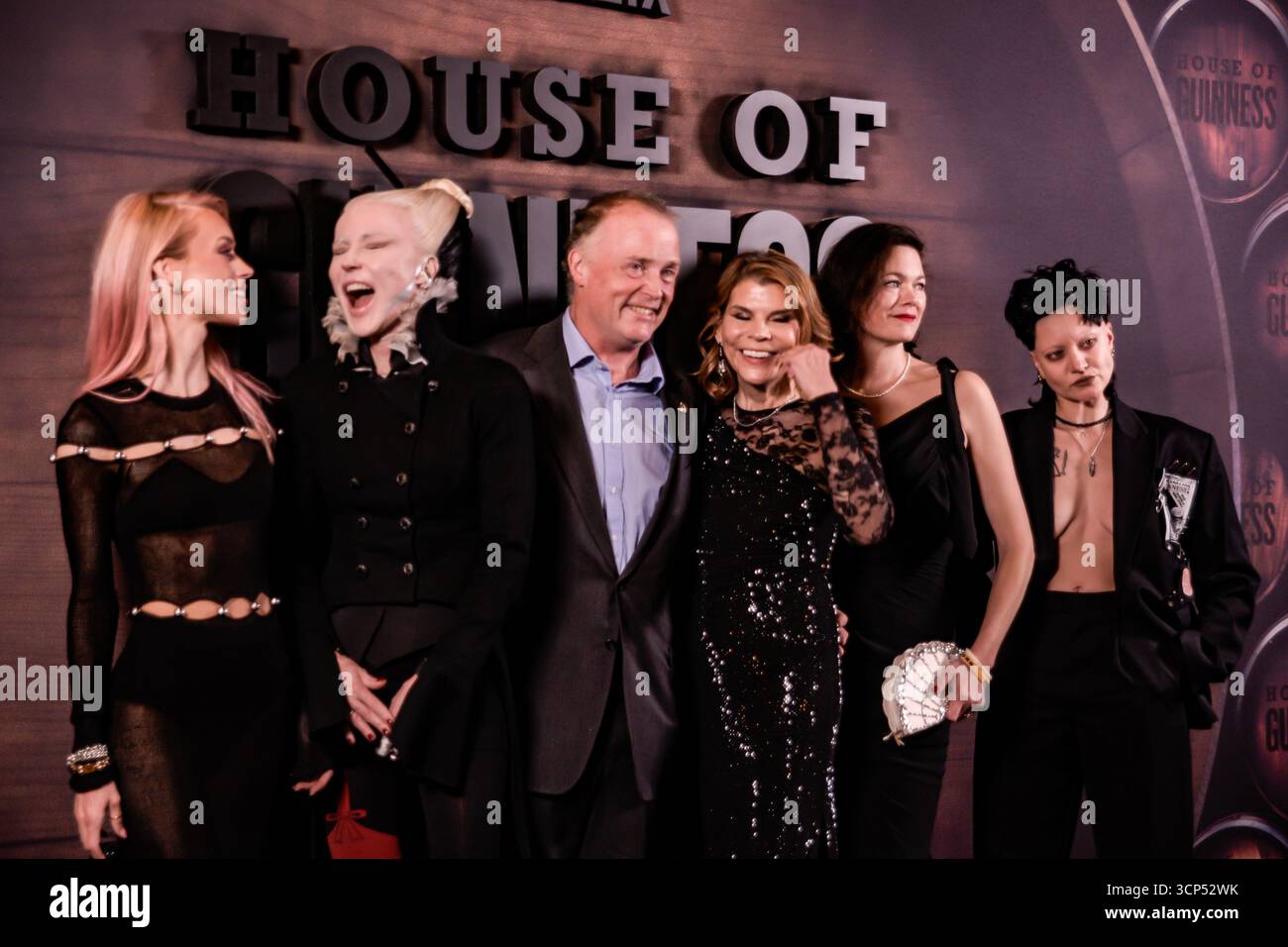
The Guinness family today is a multifaceted global dynasty defined by vast landholdings, philanthropic leadership, and cultural influence rather than direct control of the famous brewery. While the Guinness brand is now owned by the multinational Diageo, the family maintains a symbolic connection through figures like Rory Guinness, while the 4th Earl of Iveagh manages one of the United Kingdom’s largest agricultural estates.
From Brewing to a Diversified Global Presence
By 2026, the Guinness family has largely transitioned away from the daily operations of the brewing industry, a process that began in earnest with the 1997 merger of Guinness PLC and Grand Metropolitan to form Diageo. Although the name "Guinness" remains synonymous with the iconic Irish dry stout, the family’s influence is now felt in the sectors of high finance, conservation, social housing, and the arts. This shift was not an abandonment of their heritage but rather a strategic evolution.
The family is traditionally divided into three primary branches: the "Brewing Guinnesses," the "Banking Guinnesses" (associated with the former Guinness Mahon merchant bank), and the "Missionary Guinnesses." Today, these distinctions have blurred as younger generations pursue diverse careers ranging from environmental advocacy to haute couture. The wealth of the family remains significant, though it is no longer concentrated in a single corporate entity. Instead, it is distributed across various trusts, private investments, and substantial real estate holdings in both the United Kingdom and Ireland.
The 4th Earl of Iveagh and the Elveden Estate
The most prominent figure in the family's senior lineage today is Edward Guinness, the 4th Earl of Iveagh. Based at Elveden Hall in Suffolk, the Earl oversees the Elveden Estate, which remains one of the largest ring-fenced arable farms in the United Kingdom. In 2026, Elveden serves as a model for modern, sustainable agriculture, balancing large-scale food production with rigorous ecological conservation.
The estate is not merely a historical relic but a thriving commercial enterprise. It produces a significant percentage of the UK's onions, potatoes, and carrots. Under the Earl’s leadership, the estate has expanded its "Elveden Courtyard" concept—a sophisticated retail and culinary destination that allows the public to engage with the estate’s produce directly. This commercial pivot has ensured that the family’s land assets remain viable in a post-Brexit agricultural economy. Furthermore, the Earl remains a figure of significant social and political standing in East Anglia, continuing the family tradition of local stewardship and civic duty.
The Family’s Symbolic Role at Diageo
While the family does not own the brewery, they are not entirely absent from its world. Rory Guinness, the son of the 3rd Earl of Iveagh, often acts as a bridge between the family and Diageo. In 2026, he continues to represent the Guinness name at major brand milestones, such as the opening of new "Guinness Open Gate" breweries or the celebration of the 1759 lease anniversary.
This relationship is mutually beneficial: Diageo gains the "authentic" heritage of the Guinness bloodline to bolster its branding, while the family ensures that the legacy of Arthur Guinness is respected. This symbolic role is particularly important in Dublin, where St. James’s Gate remains the spiritual home of the brand. Although the family’s shareholding in Diageo has diluted over the decades through successive generations, they remain one of the most recognizable names in the global corporate landscape.
Cultural Influence: From Fashion to Conservation
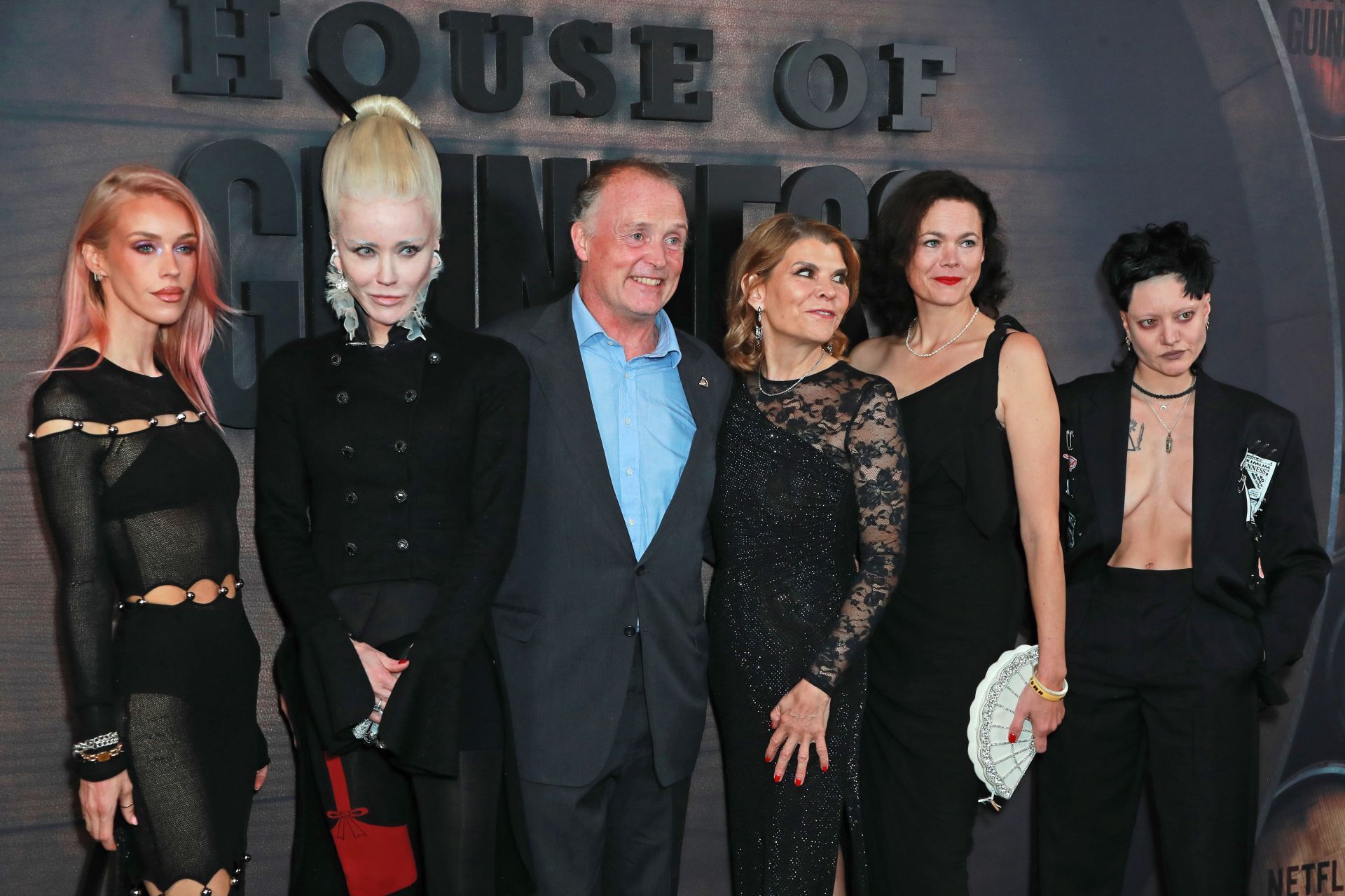
Beyond land and beer, the Guinness family is well-represented in the world of arts and fashion. Daphne Guinness remains perhaps the most visible member of the family in the public eye. As a designer, musician, and fashion icon, she has used her platform to support avant-garde art and preserve fashion history, most notably through her acquisition of the Isabella Blow collection. In 2026, her influence continues to be felt in the high-fashion circuits of London and Paris, where she is regarded as a patron of creative innovation.
In Ireland, the family's cultural footprint is inextricably linked to the Clandeboye Estate in County Down. Following the death of the Marchioness of Dufferin and Ava (Lindsey Guinness) in 2020, the estate has continued to evolve as a center for the arts and environmental conservation. Clandeboye is home to the Clandeboye Festival and supports numerous initiatives in sustainable forestry and organic farming. The estate serves as a reminder that the Guinness family’s Irish roots remain deep, even as their primary business interests have globalized.
Philanthropy and The Guinness Partnership
One of the most enduring legacies of the family is their commitment to social welfare, specifically through the Guinness Trust (now known as The Guinness Partnership). Founded in 1889 by Edward Guinness, the 1st Earl of Iveagh, to provide social housing in London and Dublin, the organization is one of the largest providers of affordable housing in England today.
As of 2026, The Guinness Partnership manages over 65,000 homes and serves more than 140,000 customers. While the family does not run the day-to-day operations of this multi-billion pound housing association, their name carries the weight of a century-old commitment to social reform. This philanthropic arm of the family legacy is arguably their most impactful "today," as it addresses the modern crisis of housing affordability—a cause that the 1st Earl pioneered long before it became a standard corporate social responsibility metric.
Key Figures and Branches of the Guinness Family in 2026
The following table outlines the current status of the most prominent branches and representatives of the Guinness family today.
| Branch / Entity | Key Figures | Primary Focus in 2026 | Location |
|---|---|---|---|
| Iveagh Branch | Edward Guinness (4th Earl) | Agriculture, Estate Management, Conservation | Elveden Hall, Suffolk |
| Public Relations | Rory Guinness | Brand Ambassador, Heritage Preservation | UK / Ireland |
| Arts & Fashion | Daphne Guinness | Music, Haute Couture, Creative Patronage | International |
| The Guinness Partnership | Board-led (Family Legacy) | Social Housing and Community Support | United Kingdom |
| Clandeboye Estate | Trustees / Estate Management | Conservation, Arts Festivals, Organic Farming | County Down, NI |
| Guinness Enterprise Centre | Partnered with Diageo | Supporting Dublin-based startups and tech | Dublin, Ireland |
The "Guinness Curse" vs. Modern Reality
The media has long been fascinated by the so-called "Guinness Curse," a sensationalist term used to describe various tragedies, early deaths, and financial setbacks that have affected family members over the last century. However, in 2026, this narrative has largely been replaced by one of resilience and professionalization.
While the family has certainly faced its share of high-profile misfortunes—most notably the kidnapping of Thomas Guinness in 1983 or the loss of Garech Browne, the founder of Claddagh Records—modern Guinnesses are more likely to be found in boardrooms or conservation projects than in the tabloids. The younger generations have largely opted for privacy, pursuing careers in finance, law, and the environmental sciences. This move toward professional stability has successfully dismantled the "curse" narrative in favor of a legacy of enduring aristocratic and commercial success.
Frequently Asked Questions
Does the Guinness family still own the Guinness brewery?
No, the family does not own the brewery. The Guinness brand is owned by Diageo, a British multinational beverage company formed in 1997 through the merger of Guinness PLC and Grand Metropolitan. Some family members may still hold individual shares in Diageo, but they have no majority control or executive management over the company.
Who is the current head of the Guinness family?
Arthur Edward Rory Guinness, the 4th Earl of Iveagh, is generally considered the head of the family’s most prominent senior line. He resides at Elveden Hall in Suffolk and is a key figure in British agriculture and land management.
How much is the Guinness family worth today?
The collective wealth of the Guinness family is estimated to be in the hundreds of millions, if not billions, of pounds. However, this wealth is highly fragmented across different branches and held in various assets such as land, art collections, and private investment trusts. They regularly appear on "Rich Lists," but their fortune is no longer a single, consolidated corporate entity.
What happened to the family's Irish estates?
Many of the family's historic Irish estates have been sold or transitioned to public use. Farmleigh in Dublin was sold to the Irish government in 1999 and is now the official state guest house. Luggala in County Wicklow was sold following the death of Garech Browne. However, the family maintains a presence at the Clandeboye Estate in Northern Ireland.
Are there any Guinnesses involved in the business today?
Rory Guinness is the most visible family member involved with the brand, though his role is primarily symbolic and focused on heritage. There are no Guinness family members currently serving as CEO or Chairman of Diageo, the parent company of the Guinness brand.
Navigating the Guinness Legacy
For those interested in the ongoing story of the Guinness family, the best way to engage with their modern legacy is through their contributions to public life and conservation. Visiting the Elveden Courtyard in Suffolk provides a direct look at the family’s current agricultural impact, while exploring the work of The Guinness Partnership offers insight into their philanthropic history.
In Dublin, the Guinness Storehouse remains the primary location for learning about the family’s brewing history, even if the family themselves are no longer the proprietors. For researchers and historians, the Guinness Archive at St. James's Gate provides an exhaustive record of how this family transformed from a local brewing operation into a global name that remains relevant nearly three centuries later.