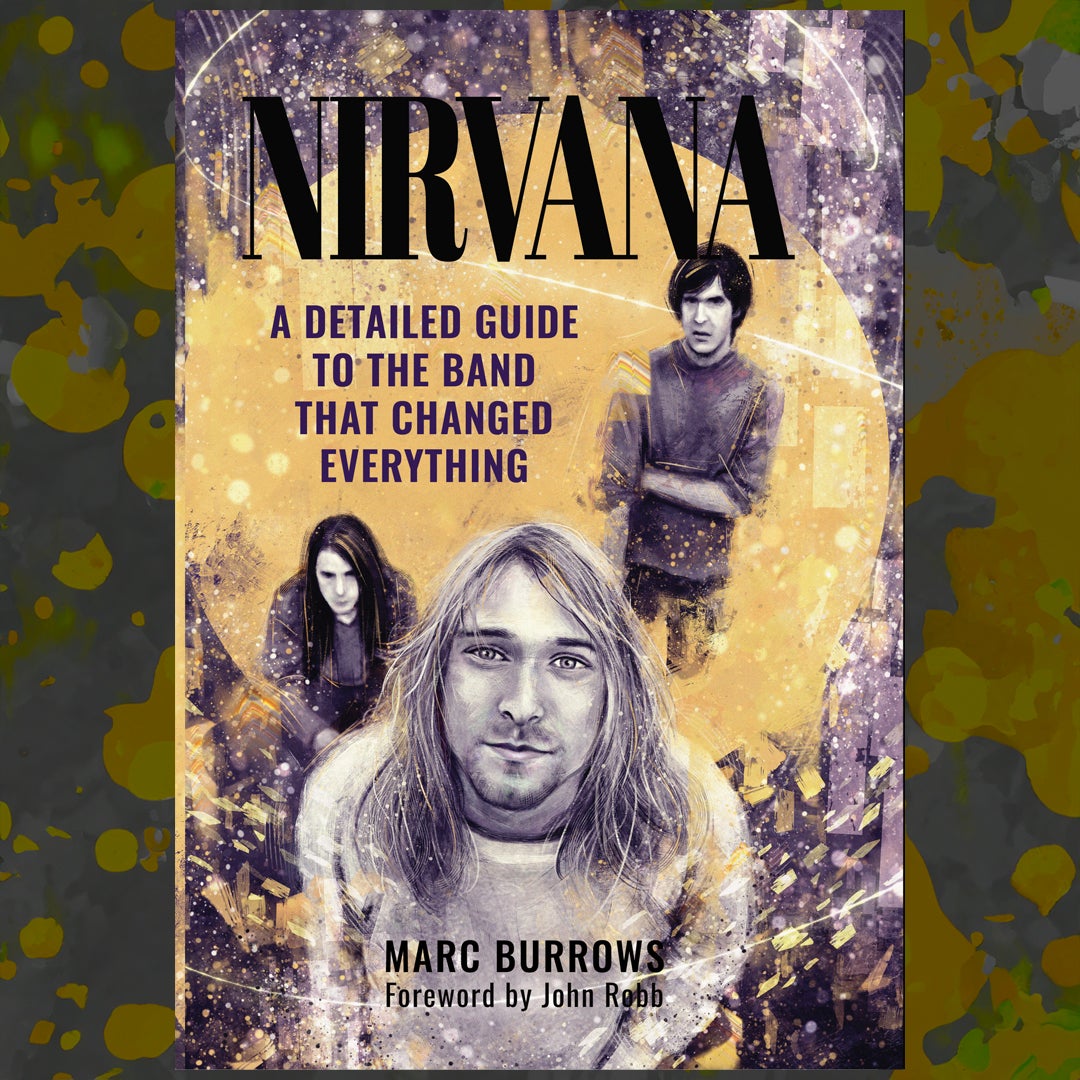
"New" Nirvana songs primarily consist of posthumously released studio tracks, unreleased home recordings, and archival box-set demos uncovered since Kurt Cobain's death in 1994. Tracing these archival releases alongside Nirvana's core discography reveals how the band evolved from heavy Sub Pop sludge rock into melodic grunge before embracing raw noise rock and stripped-back acoustic intimacy.
Understanding "New" Nirvana Releases and Archival Discoveries
Because Nirvana’s active recording career ended in 1994, any "new" music from the band consists of previously unissued studio tracks, alternative takes, solo bedroom cassette demos, and remastered live performances unearthed from the group's vaults. Over the past three decades, surviving band members Krist Novoselic and Dave Grohl, alongside the Kurt Cobain estate, have systematically curated these historical recordings for official public release.
The most notable official releases of previously unheard material occurred across several key archival milestones:
- "You Know You're Right" (2002): The final studio song recorded by Nirvana in January 1994 at Robert Lang Studios in Washington. Locked in legal disputes for years, it was officially released on the self-titled Nirvana compilation in 2002 and reached the top of the Billboard Modern Rock Tracks chart.
- With the Lights Out (2004): A comprehensive three-CD/one-DVD box set containing 68 previously unreleased audio recordings. It brought long-bootlegged tracks like "Do Re Mi," "Old Age," "Verse Chorus Verse," and early iterations of "Sappy" into official release.
- Sliver: The Best of the Box (2005): A single-disc summary featuring select tracks from the 2004 box set along with three previously unreleased home demos, including early cassette takes of "Spank Thru."
- Montage of Heck: The Home Recordings (2015): A soundtrack companion to the official documentary, featuring Kurt Cobain's personal boombox recordings, experimental audio collages, and song sketches such as his acoustic rendition of The Beatles' "And I Love Her."
- Anniversary Deluxe Editions (Nevermind 2021, In Utero 2023): Expanded anniversary reissues featuring fully remastered soundboard recordings of unreleased live performances, capturing the raw energy of the band's touring sound across different eras.
The Chronological Sound Evolution of Nirvana
Nirvana's musical identity transformed dramatically across their three studio albums and final live projects. While their sound remained anchored in Kurt Cobain’s distinct songwriting, Krist Novoselic’s rooted basslines, and explosive drumming, their sonic texture changed as they worked with different producers and expressed varying artistic intentions.
NIRVANA SONIC EVOLUTION
- 1989: Bleach
- Producer: Jack Endino
- Sludge Metal
- Heavy Distortion
- Punk/Melvins Influence
- 1991: Nevermind
- Producer: Butch Vig
- Glossy Production
- Double-Tracked Vox
- Dynamic Pop Hooks
- 1993: In Utero
- Producer: S. Albini
- Raw & Abrasive
- Room Ambience
- Noise Rock Dissonance
- 1993-94: Unplugged
- Stripped Acoustic
- Folk/Cellos
- Intimate Detail
The Bleach Era (1988–1990): Sludge Rock and Heavy Fuzz
Recorded on a budget of just over $600 with producer Jack Endino at Reciprocal Recording in Seattle, Nirvana's 1989 debut album Bleach reflected the murky, heavy environment of the early Pacific Northwest music scene. Released on Sub Pop Records, the album was heavily influenced by sludge metal bands like the Melvins and the raw heavy metal riffs of Black Sabbath.
Musically, Bleach relies on tuned-down guitar riffs, thick fuzz distortion, and unpolished production values. Drums were performed primarily by Chad Channing (with Dale Crover contributing to earlier tracks like "Floyd the Barber" and "Paper Cuts"). Cobain’s voice during this period favored throat-shredding screams over soft vocal melodies, though tracks like "About a Girl" demonstrated an early affinity for pop melody inspired by The Beatles.
The Nevermind Era (1991–1992): Polished Grunge and Pop Sensibility
The addition of drummer Dave Grohl in late 1990 provided the powerful backbone that redefined Nirvana’s sound. Signing with DGC Records, the band hired producer Butch Vig to record Nevermind at Sound City Studios in Van Nuys, California.
Nevermind refined Nirvana’s raw energy into polished, radio-ready alternative rock. Vig utilized commercial recording techniques, including double-tracking Cobain’s vocals and guitars, balancing heavy bass frequency responses, and creating clean separation between instruments.
Key characteristics of the Nevermind sound include:
- Loud-Quiet-Loud Dynamics: Perfected on songs like "Smells Like Teen Spirit" and "Drain You," shifting seamlessly from clean acoustic or single-guitar verses to wall-of-sound distorted choruses.
- Melodic Bass Lines: Krist Novoselic’s bass played a central melodic role, maintaining driving chord rhythms while Cobain dropped guitar parts during quiet verses.
- Precision Drumming: Dave Grohl’s heavy, precise drumming added explosive energy and structural discipline to every song.
The In Utero Era (1993): Abrasive Noise and Dynamic Realism
Rebounding against the polished commercial production of Nevermind, Nirvana deliberately sought a harsher, more authentic sound for their 1993 follow-up, In Utero. They hired engineer Steve Albini, renowned for his work with the Pixies and Jesus Lizard, and recorded at Pachyderm Studio in Minnesota.
Albini used minimal artificial EQ and digital reverb, prioritizing natural room acoustics and ambient mic setups—particularly on Grohl’s drum kit. The resulting sound was visceral, abrasive, and unvarnished. Guitars on tracks like "Scentless Apprentice" and "Milk It" feature Feedback, dissonant chords, and harsh treble textures. Yet beneath the noise, tracks like "Heart-Shaped Box" and "All Apologies" retained Cobain's fundamental sense of pop melody.
MTV Unplugged and Final Studio Work (1993–1994): Acoustic Intimacy
In November 1993, Nirvana recorded an iconic acoustic performance for MTV Unplugged in New York. Joined by touring guitarist Pat Smear and cellist Lori Goldston, the band stripped away their famous distortion pedals and wall of sound.
This performance revealed the emotional depth and folk roots of Cobain’s songwriting. Rather than playing their biggest hits, the set featured deep cuts, obscure traditional folk songs ("Where Did You Sleep Last Night"), and covers of influential indie acts like the Meat Puppets and Vaselines.
Two months later, in January 1994, the band entered Robert Lang Studios for their final recording session. The resulting track, "You Know You're Right," brought together their dynamic soft-loud song structure with eerie acoustic verses, heavy fuzz choruses, and textured guitar feedback.
Key Archival Releases and Sonic Milestones
To compare how Nirvana’s studio production and archival track offerings evolved, the following table maps out their major studio eras alongside key archival releases.
| Era / Release Title | Year | Primary Producer / Engineer | Core Sonic Characteristics | Representative Archival or Key Track |
|---|---|---|---|---|
| Bleach Era | 1989 | Jack Endino | Heavy sludge metal, fuzzy distortion, dark themes, raw low-budget production. | "Spank Thru" / "About a Girl" |
| Nevermind Era | 1991 | Butch Vig | Double-tracked guitars, polished pop structures, loud-quiet dynamics, tight drum mixing. | "Smells Like Teen Spirit" / "Aneurysm" |
| In Utero Era | 1993 | Steve Albini | Natural room ambience, aggressive noise-rock feedback, raw vocal takes, unpolished sound. | "Heart-Shaped Box" / "Sappy" |
| MTV Unplugged in NY | 1994 | Scott Litt / Nirvana | Acoustic arrangements, cello accompaniment, subdued vocals, folk/blues roots. | "Where Did You Sleep Last Night" |
| "You Know You're Right" | 2002 (rec. 1994) | Adam Kasper | Dynamic grunge balancing acoustic verses, heavy chorus fuzz, and feedback manipulation. | "You Know You're Right" |
| With the Lights Out | 2004 (box set) | Various / Home Demos | Unfinished bedroom cassettes, raw early band rehearsals, alternative studio mixes. | "Do Re Mi" (Acoustic Solo Demo) |
How Production Techniques Shaped the Nirvana Sound
The evolution of Nirvana’s sound was strongly dictated by the producers and recording spaces they selected throughout their short career.
Jack Endino’s Underground Realism
Jack Endino captured Nirvana at their most primal. Working on an eight-track recorder at Reciprocal Recording, Endino captured the fast, unpolished aesthetic of Seattle's early punk scene. Drums were recorded quickly without extensive baffling, resulting in a dense sound where guitar bleed and amp buzz remained part of the mix.
Butch Vig’s Precision and Layering
Butch Vig applied pop discipline to Nirvana's heavy sound. During the Nevermind sessions, Vig convinced Cobain to double-track his vocals and guitar parts to create a wider, thicker audio spectrum. He carefully tuned drum heads, used direct lines alongside mikes for bass tracking, and polished the mix to ensure maximum impact on commercial radio systems without sacrificing energy.
Steve Albini’s Acoustic Fidelity
Steve Albini stripped away the studio slickness of Nevermind. Rejecting double-tracking and vocal tuning, Albini used complex microphone placement techniques to capture the exact room acoustic of Pachyderm Studio. His approach emphasized the physical impact of Dave Grohl's drumming and allowed Kurt Cobain's guitar amplifiers to bleed naturally into room microphones, capturing an organic live-in-the-studio performance.
Frequently Asked Questions
What is the most recent officially released original Nirvana song?
The last completed, unreleased studio track recorded by the full band was "You Know You're Right," recorded in January 1994 and officially released in October 2002. Later anniversary box sets (such as the 30th-anniversary editions of Nevermind and In Utero) have featured unreleased live performances and soundboard recordings rather than new studio tracks.
Where can listeners find Kurt Cobain’s unreleased solo demos?
The most comprehensive collection of Kurt Cobain's solo home recordings is found on the 2004 box set With the Lights Out and the 2015 release Montage of Heck: The Home Recordings. These albums feature intimate acoustic sketches, home cassette recordings, and early song drafts recorded on home boomboxes.
Who played drums on Nirvana’s earliest releases before Dave Grohl joined?
Chad Channing played drums on Nirvana’s 1989 debut album Bleach (except for three tracks recorded earlier with Melvins drummer Dale Crover). Dave Grohl joined the band in September 1990, debuting on record with the single "Sliver" and performing on all subsequent studio albums.
Why does In Utero sound so different from Nevermind?
The sonic difference stems from a deliberate change in artistic intent and production methods. While Butch Vig produced Nevermind using modern multi-track studio techniques, double-tracked guitars, and slick radio mixes, engineer Steve Albini captured In Utero live in the studio using natural room acoustics, minimal artificial effects, and raw instrument tones.
Is "Do Re Mi" an official Nirvana studio recording?
"Do Re Mi" is an unreleased song written by Kurt Cobain shortly before his death in 1994. The version available on With the Lights Out is a solo acoustic cassette home recording rather than a full studio track performed by the entire band.
Practical Guide: How to Explore Nirvana’s Evolving Discography
To experience how Nirvana’s sound evolved from their early subterranean noise-punk to their final studio work, listen to their catalog in chronological order alongside key archival discoveries.
- Start with the Roots (Bleach - Expanded Edition): Listen to "Blew," "About a Girl," and the standalone single "Love Buzz" to understand their early Sub Pop heavy sludge sound.
- Examine the Breakthrough (Nevermind - 30th Anniversary): Compare the clean dynamic shifts of "In Bloom" and "Lithium" with early pre-album demos found on With the Lights Out to see how Butch Vig shaped their arrangements.
- Experience the Raw Counter-Reaction (In Utero): Contrast the polished tracks of Nevermind with the room-mic acoustic realism of "Serve the Servants" and "Scentless Apprentice."
- Explore the Acoustic and Unreleased Legacy (MTV Unplugged & With the Lights Out): Finish with the acoustic arrangements on Unplugged, followed by "You Know You're Right" and the home demo "Do Re Mi" to hear where Cobain's musical direction was heading prior to his death.
Listening to these recordings sequentially provides a complete view of how Nirvana transformed modern rock music in less than a decade.