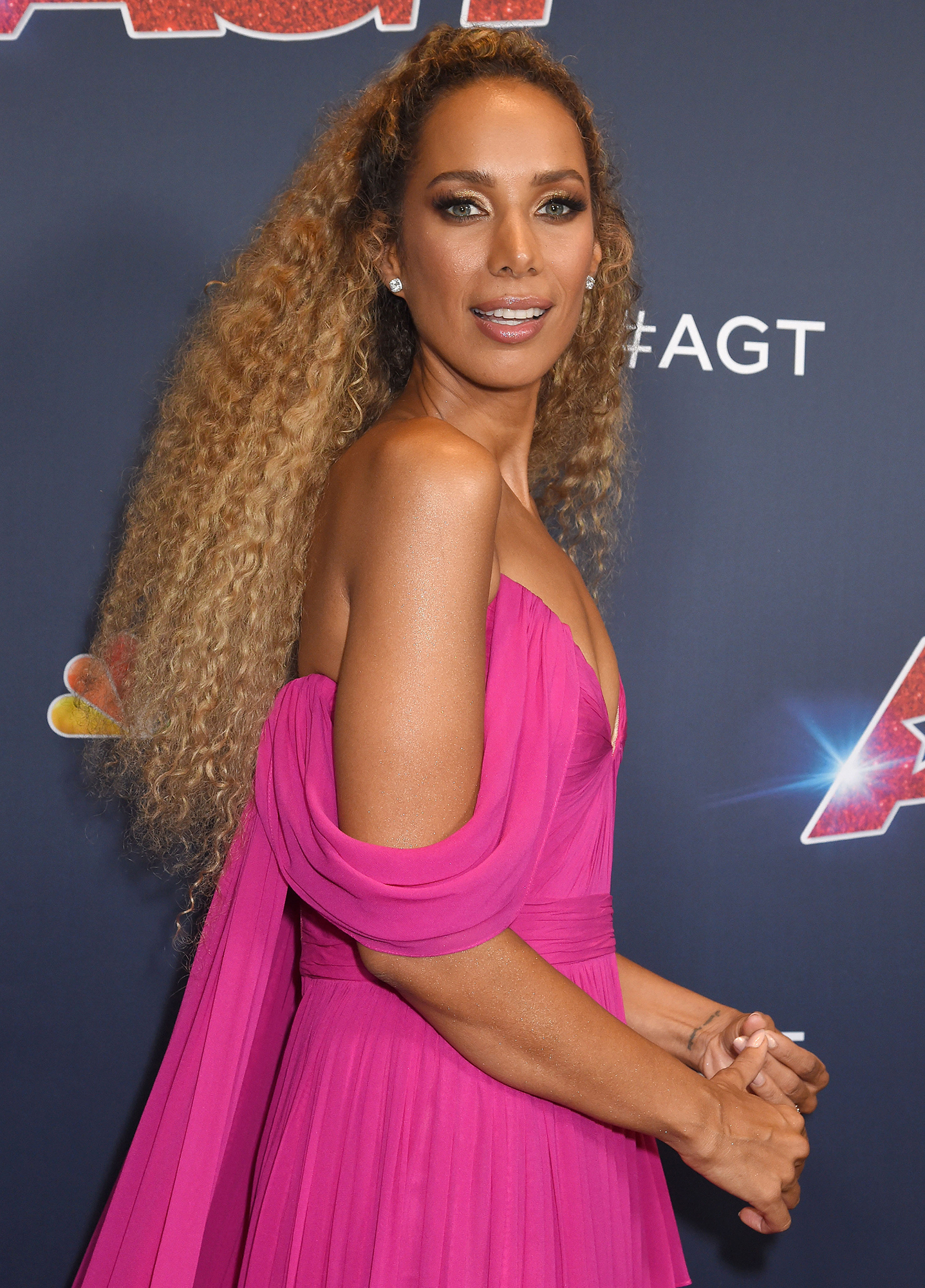
A growing number of high-profile figures across film, television, music, and sports choose to live completely alcohol-free. While entertainment industries historically normalized heavy drinking culture, contemporary public figures increasingly abstain from alcohol due to long-term addiction recovery, physical and mental performance optimization, religious convictions, or personal preference. Their transparency has accelerated the global adoption of sober-curious lifestyles and non-alcoholic alternatives.
The Evolving Landscape of Sobriety in Entertainment
The public perception of alcohol consumption within the entertainment industry has undergone a structural shift over the past two decades. Historically, public figures who abstained from alcohol were often viewed through a lens of crisis—assumed to be in mandatory rehabilitation or coping with career-ending scandals. Today, voluntary non-drinking is increasingly recognized as a proactive choice aligned with health, longevity, and professional sustainability.
This cultural evolution reflects broader public health research. The World Health Organization (WHO) and public health authorities globally have published findings indicating that no level of alcohol consumption is entirely risk-free for overall health. As wellness and high performance become central to celebrity personal branding, many actors, musicians, and elite athletes treat alcohol elimination as a baseline optimization strategy rather than a compromise.
Furthermore, the transparency of prominent figures speaking candidly in memoirs, podcasts, and print interviews has demystified recovery and teetotalism. By discussing the physiological and emotional benefits of an alcohol-free life, public figures provide visible blueprints for individuals re-evaluating their own relationship with alcohol.
Profiles of Prominent Alcohol-Free Celebrities
To understand the spectrum of non-drinking in public life, it helps to examine figures across different disciplines. Motivations generally fall into three major categories: sustained addiction recovery, proactive wellness and performance, and lifelong abstinence.
| Sustained Recovery | Performance & Wellness | Lifelong Abstinence |
|---|---|---|
| (Overcoming Dependency) | (Mental/Physical Health) | (Never Consumed Alcohol) |
Sustained Addiction Recovery
Many public figures maintain complete abstinence as part of long-term recovery from alcohol use disorder. Their public statements often emphasize how sobriety restored their personal stability and professional focus.
- Bradley Cooper: The Academy Award-nominated actor and director has spoken extensively about choosing complete sobriety in his late twenties. Cooper has noted in public interviews that continuing to consume alcohol would have derailed his career and compromised his personal relationships, citing total abstinence as the foundation of his work.
- Robert Downey Jr.: Following severe, public struggles with substance use in the late 1990s and early 2000s, Downey achieved sustained sobriety in 2003. His recovery preceded one of the most successful commercial resurgences in film history, demonstrating the profound career benefits of long-term lifestyle stability.
- Florence Welch: The Florence + the Machine frontwoman became sober in her late twenties after recognizing that alcohol was negatively impacting her vocal performance, touring capacity, and mental health. She has incorporated themes of recovery and clarity into her songwriting.
- Rob Lowe: Maintaining sobriety for over three decades, Lowe is one of Hollywood's most vocal advocates for recovery support networks. He frequently highlights how long-term abstinence supported his mental health and longevity in a demanding industry.
Health, Wellness, and Performance Optimization
An increasing number of public figures abstain from alcohol not due to severe dependency, but because elimination directly benefits their sleep, cognitive focus, physical aesthetics, and emotional stability.
- Tom Holland: The actor publicly shared his decision to stop drinking after attempting a "Dry January" challenge. Recognizing how much space alcohol occupied in his social routine and mental processing, he extended the trial into permanent abstinence, noting marked improvements in physical vitality and stress management.
- Bella Hadid: The international model stepped away from alcohol after experiencing severe anxiety and burnout. Hadid noted that tracking the neurological and physical effects of alcohol led her to conclude that the short-term social benefits did not justify the cognitive and emotional trade-offs.
- Natalie Portman: While Portman experimented with alcohol during her college years, she has maintained a non-drinking lifestyle throughout her adult career, citing a preference for physical clarity and focus.
- Lewis Hamilton: The seven-time Formula 1 World Champion eliminated alcohol to maximize his athletic output, recovery times, and cognitive focus during racing seasons, reflecting a broader trend among elite professional athletes.
Lifelong Abstainers (Teetotalers)
Some prominent individuals have never consumed alcohol, arriving at teetotalism early in life due to family history, athletic training, religious principles, or simple personal disinterest.
- Blake Lively: The actress and entrepreneur has publicly stated that she has never had a drink of alcohol, citing a fundamental lack of interest in its effects and taste, despite working and socializing in environments where alcohol is omnipresent.
- Jennifer Hudson: The EGOT-winning singer and actress has shared in broadcast interviews that she has never consumed alcohol in her life, attributing her choice to personal preference and discipline.
- Cristiano Ronaldo: Driven by strict athletic conditioning and personal family history, the global football icon maintains total abstinence to protect his physical longevity and heart health.
Comparative Matrix: Celebrity Non-Drinking Profiles
The following table summarizes prominent non-drinking public figures, detailing their primary motivation, duration of abstinence, and involvement in the non-alcoholic beverage sector.
| Celebrity | Primary Domain | Motivation Category | Public Status & Background | Beverage Industry Involvement |
|---|---|---|---|---|
| Bradley Cooper | Film / Directing | Sustained Recovery | Sober since 2004; attributes career stability to recovery. | None |
| Blake Lively | Film / Business | Personal Choice / Lifelong | Never consumed alcohol; prefers physical clarity. | Founder, Betty Buzz / Betty Booze (Mixers) |
| Robert Downey Jr. | Film | Sustained Recovery | Sober since 2003; public advocate for recovery resources. | None |
| Tom Holland | Film | Wellness / Sober Curious | Abstinent since 2022; stopped following a Dry January. | Founder, BERO (Non-Alcoholic Beer) |
| Bella Hadid | Fashion / Media | Mental Health & Longevity | Abstinent since 2021; cites anxiety reduction. | Partner/Co-Founder, Kin Euphorics |
| Katy Perry | Music / Media | Mindful Moderation & Wellness | Practices extended alcohol-free periods; sober curious. | Co-Founder, De Soi (Non-Alcoholic Apéritifs) |
| Lewis Hamilton | Motorsport | Athletic Performance | Abstinent; optimizes cognitive performance and physical recovery. | Founder, Almave (Non-Alcoholic Agave Spirit) |
| Rob Lowe | Television / Film | Sustained Recovery | Sober since 1990; recipient of recovery advocacy honors. | None |
The Rise of Celebrity-Backed Non-Alcoholic Brands
The commercial landscape surrounding non-drinking has shifted dramatically. Historically, celebrities partnered almost exclusively with premium tequila, gin, or champagne labels. However, the rise of the functional beverage market and premium non-alcoholic options has created a major entrepreneurial sector led by non-drinking public figures.
| Brand / Entity | Associated Figure | Product Category |
|---|---|---|
| Kin Euphorics | Bella Hadid | Functional Adaptogenic Beverages |
| De Soi | Katy Perry | Botanical Non-Alcoholic Apéritifs |
| Almave | Lewis Hamilton | Distilled Non-Alcoholic Agave |
| BERO | Tom Holland | Premium Non-Alcoholic Craft Beer |
| Betty Buzz | Blake Lively | Sparkling Mixers / Adult Softs |
Functional Adaptogens and Nootropics
Rather than simply removing alcohol from standard recipes, brands like Kin Euphorics (co-founded by Bella Hadid) incorporate adaptogens, botanical extracts, and nootropics designed to offer stress-relief or social ease without neuro-inhibitory intoxication. These products cater to consumers looking for sophisticated social beverages that support cognitive balance.
Distilled Non-Alcoholic Spirits
The craft non-alcoholic spirits category has advanced technically, utilizing specialized vacuum distillation and extraction methods to mimic the mouthfeel and complexity of traditional spirits. Lewis Hamilton's launch of Almave, a non-alcoholic agave spirit produced in Jalisco, Mexico, demonstrates how traditional spirit-making techniques are adapted to produce high-end alcohol-free alternatives without sacrificing heritage or process.
Adult Craft Brewing and Apéritifs
Tom Holland's venture into non-alcoholic craft beer (BERO) and Katy Perry's botanical apéritif line (De Soi) reflect a broader market trend: providing elevated options for adult social settings where soft drinks or water were historically the only non-alcoholic choices. These ventures emphasize flavor complexity, visual presentation, and social inclusion.
Psychological and Societal Impacts of Celebrity Sobriety
When prominent culture-makers open up about non-drinking, the ripple effects extend far beyond entertainment reporting. Social scientists and public health researchers note several key impacts on consumer behavior and social norms:
- Reduction of Social Stigma: Public transparency surrounding recovery normalizes discussions about substance use disorders. Seeing successful, highly regarded individuals credit their achievements to sobriety helps dismantle the false assumption that non-drinking equates to a diminished social or professional life.
- Validation of the "Sober Curious" Movement: Many individuals hesitate to reduce alcohol intake because they fear social alienation. When actors and athletes publicly celebrate dry months or permanent abstinence, it provides cultural validation for non-drinkers in professional and social environments.
- Elevation of Social Hospitality: The visible demand for premium non-alcoholic options by high-profile figures has pressured restaurants, venues, and event organizers to offer thoughtful, zero-proof beverage programs rather than treating non-drinkers as an afterthought.
Considerations for Evaluating Your Relationship With Alcohol
For readers inspired by non-drinking public figures to reassess their own alcohol intake, taking a structured, evidence-based approach is critical. Depending on individual consumption patterns, transitioning away from alcohol involves distinct practical steps.
Assessing Consumption Patterns
Understanding whether your goal is physical optimization, social moderation, or recovery from dependency determines the safest and most effective approach:
- For Social or Wellness Optimization: Individuals seeking improved sleep, reduced anxiety, or better athletic recovery can often adopt immediate abstinence or participate in structured challenges like "Dry January" or "Sober October."
- For Moderate to Severe Alcohol Dependency: Individuals who consume alcohol heavily or daily should consult a licensed healthcare professional before stopping abruptly. Sudden withdrawal from physical dependency can cause severe medical complications. Clinical supervision, detoxification protocols, and evidence-based treatment programs ensure safety.
Resource Framework for Personal Exploration
- Primary Care Consultation: A medical provider can evaluate metabolic health, offer pharmacological support for craving management where appropriate, and recommend clinical resources.
- Peer Support Groups: Programs such as Alcoholics Anonymous (AA), SMART Recovery, and modern secular support communities offer structured, peer-led accountability.
- Evidence-Based Organizations: Organizations such as the Substance Abuse and Mental Health Services Administration (SAMHSA) provide free, confidential assistance and treatment referral routing.
Frequently Asked Questions
Why are so many celebrities publicly choosing not to drink?
Celebrities publicly choose not to drink for diverse reasons, including sustained recovery from alcohol dependency, physical and mental performance optimization, and personal disinterest. Increased public awareness surrounding mental health and longevity has made personal sobriety a valued lifestyle decision rather than a private secret.
What is the difference between being sober and being "sober curious"?
Being sober typically means maintaining permanent, total abstinence from alcohol and mind-altering substances, often in the context of addiction recovery or long-term personal commitment. Being "sober curious" refers to intentionally questioning, reducing, or temporarily pausing alcohol consumption to observe its physical and emotional effects without necessarily committing to lifelong abstinence.
Do non-alcoholic drinks contain any alcohol at all?
In many jurisdictions, beverages labeled "non-alcoholic" may legally contain up to 0.5% alcohol by volume (ABV) due to natural fermentation processes. Products labeled "0.0% ABV" or "zero-proof" contain no measurable alcohol. Individuals in strict recovery or with specific medical conditions should review product labels carefully.
Can stopping alcohol improve physical appearance and energy levels?
Yes. Eliminating alcohol frequently leads to improved sleep architecture, better skin hydration, reduced systemic inflammation, more stable baseline mood, and heightened day-to-day energy. Many public figures cite improved physical appearance and cognitive clarity as key motivators for maintaining an alcohol-free lifestyle.
Where can someone find help if they want to stop drinking but struggle to do so?
Individuals seeking support for alcohol dependency should contact a physician, specialized addiction treatment counselor, or national help services such as the SAMHSA National Helpline. Peer support networks like SMART Recovery and local recovery groups also offer accessible community support.
Next Steps for Exploring an Alcohol-Free Lifestyle
If you are considering reducing or eliminating alcohol from your life, adopting a systematic approach helps turn intention into sustainable habit:
- Define Your Purpose: Identify clearly whether your primary driver is physical health, emotional clarity, performance enhancement, or clinical recovery.
- Conduct a Low-Risk Trial Period: Commit to a defined 30- to 90-day alcohol-free trial. Track qualitative changes in your sleep quality, morning energy, workout performance, and financial savings.
- Explore Premium Non-Alcoholic Options: Replace traditional alcoholic options in social settings with zero-proof craft beers, functional adaptogenic beverages, or sophisticated botanical sodas to maintain the social ritual without the physiological toll.
- Establish Social Boundaries: Decide in advance how you will communicate your choice in social settings. Simple statements like "I'm not drinking right now for my health" or "I prefer keeping a clear head tonight" are generally respected and require no further justification.
- Seek Professional Guidance When Necessary: If abstaining creates intense cravings, physical discomfort, or emotional distress, engage with medical professionals or recovery support specialists immediately.