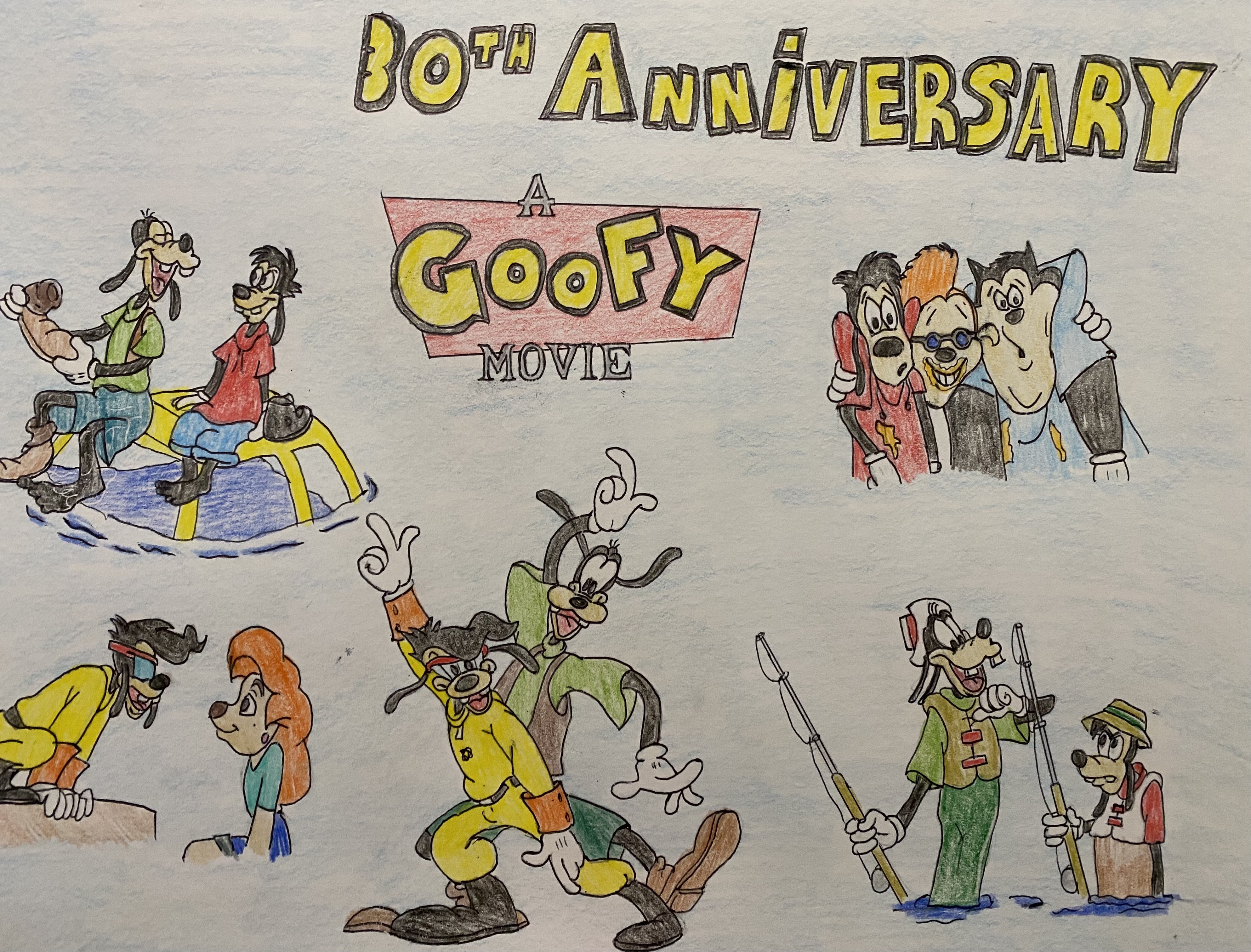
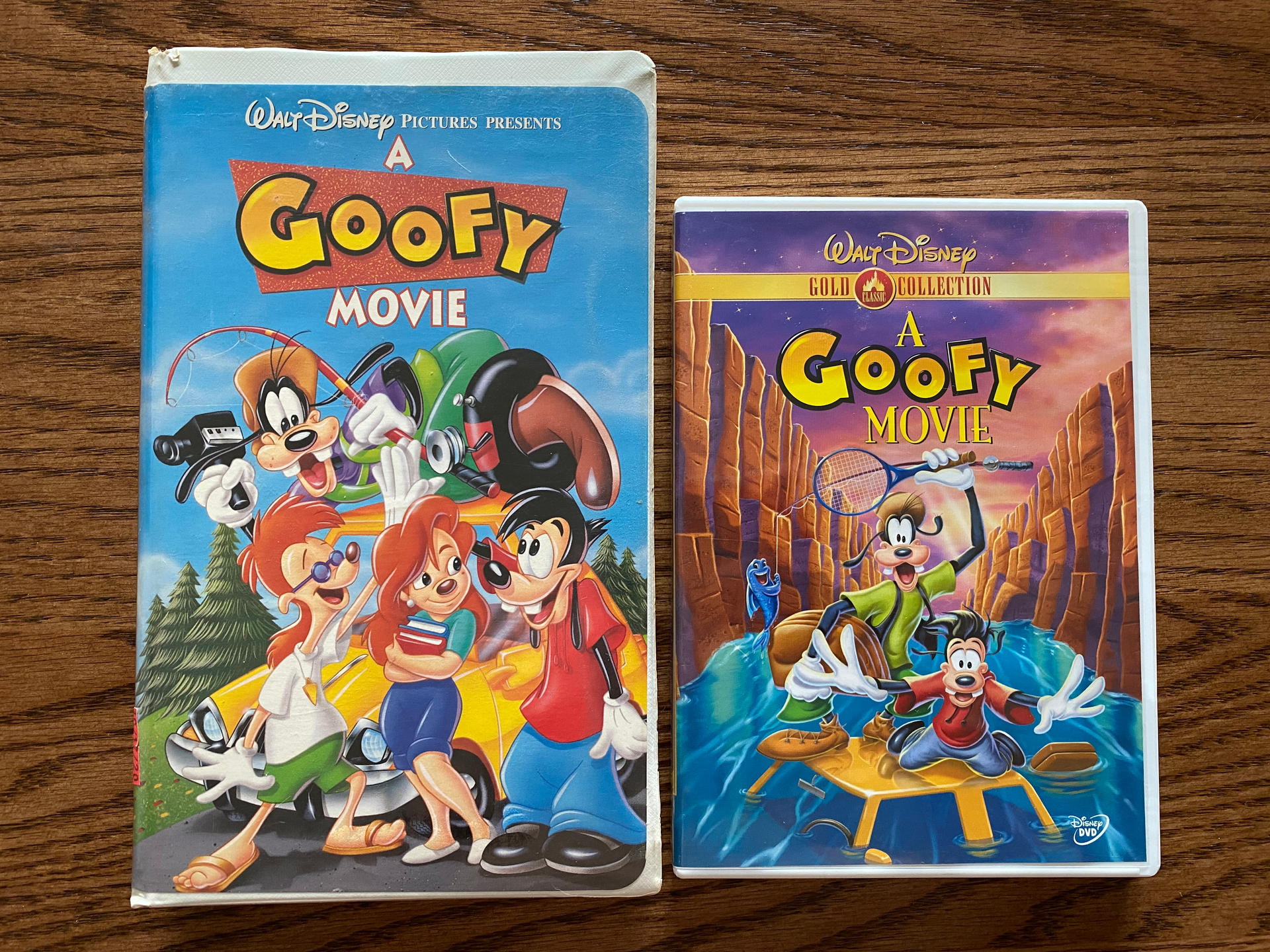
A Goofy Movie is a 1995 animated musical comedy-drama film produced by Walt Disney Feature Animation and Disney Television Animation. Directed by Kevin Lima in his feature directorial debut, the movie follows the beloved Disney character Goofy and his teenage son, Max, on a turbulent cross-country road trip. Driven by high school angst, single-parent anxiety, and a memorable R&B pop soundtrack featuring singer Tevin Campbell as the pop superstar Powerline, the film has evolved from a modest theatrical release into an enduring cult classic for generations of Disney fans.
Plot Summary: The Dynamics of Father-Son Road Trips
A Goofy Movie serves as a cinematic continuation of the 1992 Disney Television Animation series Goof Troop, though it shifts the character dynamics into a more mature, emotionally grounded territory. The story opens on the final day of the school year. Max Goof, an anxious teenager desperately trying to escape his father's clumsy reputation, attempts to impress his high school crush, Roxanne. Max and his best friends, P.J. and Bobby Zimuruski, hijack the school assembly to perform a synchronized lip-sync routine dressed as the internationally famous pop icon Powerline.
The stunt makes Max an overnight celebrity among his peers and earns him a date with Roxanne to watch Powerline’s upcoming concert broadcast live on pay-per-view. However, Principal Mazur contacts Goofy to report Max's behavior, dramatically framing the prank as a sign that Max is headed down a criminal path. Terrified that he is losing his son, Goofy hastily packs their station wagon for an unscheduled, cross-country fishing trip from their home in Ohio to Lake Destiny, Idaho—a nostalgic location Goofy visited with his own father.
- High School Assembly Prank
- Principal Mazur Warns Goofy
- Sudden Road Trip to Lake Destiny
- Max Alters Navigation Map to LA
- Confrontation at the Grand Canyon
- Powerline Concert Stage Crash
Desperate to avoid missing his date and being exposed as a liar, Max lies to Roxanne before leaving, claiming that his father is actually taking him to Los Angeles to perform live on stage with Powerline himself. To make this lie a reality, Max secretly alters Goofy's road map while his father sleeps, re-routing their journey toward California.
Along the way, the duo experiences a series of comedic disasters, including an encounter with an eccentric Bigfoot at a dilapidated opossum-themed amusement park and a tense night spent inside their car. The narrative reaches its emotional climax at the Grand Canyon, where Goofy discovers Max's map alterations. After their station wagon accidentally rolls into a raging river, father and son finally confront their deep-seated misunderstandings. Max confesses his fear of becoming like his father, while Goofy admits his dread of being pushed out of Max's life. Reconciled, Goofy agrees to help Max reach the concert in Los Angeles, culminating in an iconic stage-crashing sequence where Goofy and Max dance alongside Powerline, executing Goofy's trademark "Perfect Cast" fishing movement before a global television audience.
Voice Cast and Key Characters
The voice cast of A Goofy Movie brought unprecedented depth to characters traditionally treated as simple slapstick figures. Bill Farmer, who began voicing Goofy in 1987, delivered a nuanced performance that balanced physical comedy with genuine paternal grief. Jason Marsden provided the speaking voice of the teenage Max, capturing the crackling vocal inflections of mid-90s youth angst, while Aaron Lohr handled Max's singing vocals.
| Character | Voice Actor (Speaking) | Singing Voice (if applicable) | Character Role & Narrative Significance |
|---|---|---|---|
| Goofy | Bill Farmer | Bill Farmer | Well-meaning single father struggling to connect with his teenage son. |
| Max Goof | Jason Marsden | Aaron Lohr | Goofy’s self-conscious teenage son seeking independence and love. |
| Powerline | Tevin Campbell | Tevin Campbell | World-famous pop star inspired by 1990s R&B icons like Michael Jackson and Prince. |
| Roxanne | Kellie Martin | N/A | Max's high school classmate and romantic interest. |
| Pete | Jim Cummings | N/A | Goofy’s cynical, authoritative neighbor and father to P.J. |
| P.J. | Rob Paulsen | N/A | Max’s timid best friend who lives under Pete's strict household rule. |
| Bobby Zimuruski | Pauly Shore (uncredited) | N/A | Max’s eccentric, cheese-obsessed high school friend. |
| Principal Mazur | Wallace Shawn | N/A | The overly stern high school principal who triggers Goofy's panic. |
The supporting cast featured prominent 1990s character actors and voice talent. Pauly Shore's uncredited role as Bobby Zimuruski delivered memorable comedic lines centered around aerosol cheese, defining much of the film's casual pop-culture tone. Meanwhile, Jim Cummings voiced Pete as an overbearing, traditional father counterweight to Goofy's gentler, overly permissive parenting style, creating a clear thematic contrast between the two families.
The Soundtrack: Tevin Campbell and 90s Pop Excellence
Music plays a fundamental structural role in A Goofy Movie, functioning both as character exposition and thematic bridge. The film's musical landscape is split between an original score composed by Carter Burwell (with additional score work by Don Davis) and energetic original pop and R&B songs written by established contemporary songwriters.
- "After Today": Establishes Max's high school anxieties and desire for social status.
- "On the Open Road": Juxtaposes Goofy's upbeat nostalgia against Max's resentment.
- "Nobody Else But You": Marks the emotional resolution and father-son reconciliation.
- "Stand Out" / "I2I": Performed by Tevin Campbell; anchors the pop-culture climax.
The standout musical elements are the original tracks performed by R&B artist Tevin Campbell, who provided the voice and vocal tracks for the fictional pop sensation Powerline:
- "Stand Out": Written by Patrick DeRemer and Roy Freeland, this synth-heavy pop track introduces Powerline's explosive stage presence during Max's high school assembly lip-sync prank.
- "I2I" (Eye to Eye): Co-written by Patrick DeRemer and Roy Freeland, this high-energy dance track serves as the movie's climax. It blends classic 90s R&B vocal arrangements with driving dance beats, underscoring the father-son bond during their onstage performance.
- "After Today": Performed by Aaron Lohr and an ensemble cast, this broadway-style opener sets up Max’s desire to escape his social obscurity on the final day of school.
- "On the Open Road": A classic Disney travel song that contrasts Goofy’s cheerful mid-century optimism with the annoyed reactions of modern motorists and his reluctant son.
- "Nobody Else But You": Written by Tom Snow and Jack Feldman, this duet between Goofy and Max represents the emotional climax of the film, capturing their mutual acceptance of each other's flaws.
Carter Burwell’s score was notably sophisticated for an animated feature of its scale. Known for his work with the Coen brothers, Burwell brought an acoustic, Americana-infused touch to the road trip segments, blending guitars and orchestral elements to emphasize the changing physical and emotional landscapes.
Behind the Scenes: Animation Development and Directorial Debut
The development of A Goofy Movie represented an unconventional pipeline within The Walt Disney Company during the 1990s animation Renaissance. While Walt Disney Feature Animation in Burbank focused on high-budget prestige projects like The Lion King (1994) and Pocahontas (1995), A Goofy Movie was produced primarily by Disney MovieToons alongside international animation divisions.
Production Pipeline:
- Disney Television Animation / MovieToons (Burbank, CA)
- Animation Division: Disney Animation France (Paris)
- Animation Division: Disney Animation Australia (Sydney)
- Additional Services: Hahn Shin Corporation & Phoenix Animation
Director Kevin Lima was tasked with converting the episodic tone of television's Goof Troop into a cinematic narrative capable of sustaining a 78-minute feature. To achieve this, the production team relied heavily on overseas Disney studios:
- Disney Animation France (Paris): Handled a significant portion of the primary character animation, bringing European artistic sensibilities and refined character acting to Goofy and Max's key dramatic scenes.
- Disney Animation Australia (Sydney): Assisted with sequence layout, secondary character animation, and background artistry.
- Additional Subcontractors: Studios such as Hahn Shin Corporation in Seoul and Phoenix Animation in Toronto contributed ink-and-paint, clean-up, and intermediate frame work.
The film faced creative tension between maintaining Goofy’s historical slapstick persona—harkening back to Art Babbitt’s classic 1930s character animation—and delivering a realistic, vulnerable portrayal of a single parent dealing with adolescent estrangement. The animators studied real father-son dynamics and incorporated subtle physical acting, such as awkward body posture, subtle shifts in eye contact, and nuanced vocal timing, to ground the comedy in emotional reality.
Box Office Performance, Critical Reception, and Cult Reappraisal
A Goofy Movie was released in North American theaters on April 7, 1995. Opening in 2,159 theaters, it earned approximately $6.1 million in its opening weekend, placing second behind Bad Boys. It concluded its domestic theatrical run with a total box office gross of approximately $35.3 million against an estimated production budget of $18 million.
Initial critical reviews were mixed to moderate:
- Contemporary 1995 Reviews: Many mainstream film critics viewed the movie as a extended television episode, comparing it unfavorably to high-budget Disney classics of the era. The animation was perceived by some as less intricate than Beauty and the Beast or Aladdin, though Goofy's emotional arc was frequently praised.
- Audience Response: Despite lukewarm reviews from established critics, the film performed exceptionally well in home video markets. VHS sales throughout the late 1990s established the film as a staple for children born in the late 1980s and early 1990s.
- 1995 Theatrical Release: Modest Box Office (~$35.3M Domestic)
- 1995–2000s Home Video: Widespread VHS & DVD Home Discovery
- 2010s–2020s Cult Status: Retrospective Praise, Music Cover Tours, Conventions
Over the decades, retrospective critical appraisal has elevated A Goofy Movie to cult status. Modern film historians and animation critics highlight the film for several key achievements:
- Realistic Single-Parent Representation: It remains one of the few mainstream animated films of its era to focus exclusively on the complexities of a working-class single father raising a teenager.
- Cultural Impact of Powerline: Tevin Campbell’s tracks have attained iconic status within 90s pop culture, inspiring contemporary musician covers, vinyl soundtrack reissues, and dedicated tribute events at pop culture conventions.
- Thematic Maturity: The refusal to introduce a traditional Disney villain allowed the conflict to stem entirely from realistic family miscommunication and emotional insecurity.
Streaming and Home Media Availability
Fans looking to watch A Goofy Movie have access to multiple distribution options across streaming platforms, digital purchase storefronts, and physical media releases.
Streaming Platforms
- Disney+: A Goofy Movie is permanently hosted on Disney+ as part of the core Disney animated feature library, streamed in high-definition (1080p) with full surround-sound audio options.
Digital Purchase and Rental
The film is available for high-definition (HD) digital rental or purchase across major video-on-demand platforms, including:
- Apple TV / iTunes
- Amazon Prime Video
- Vudu / Fandango at Home
- Google Play Movies & TV
Physical Media Formats
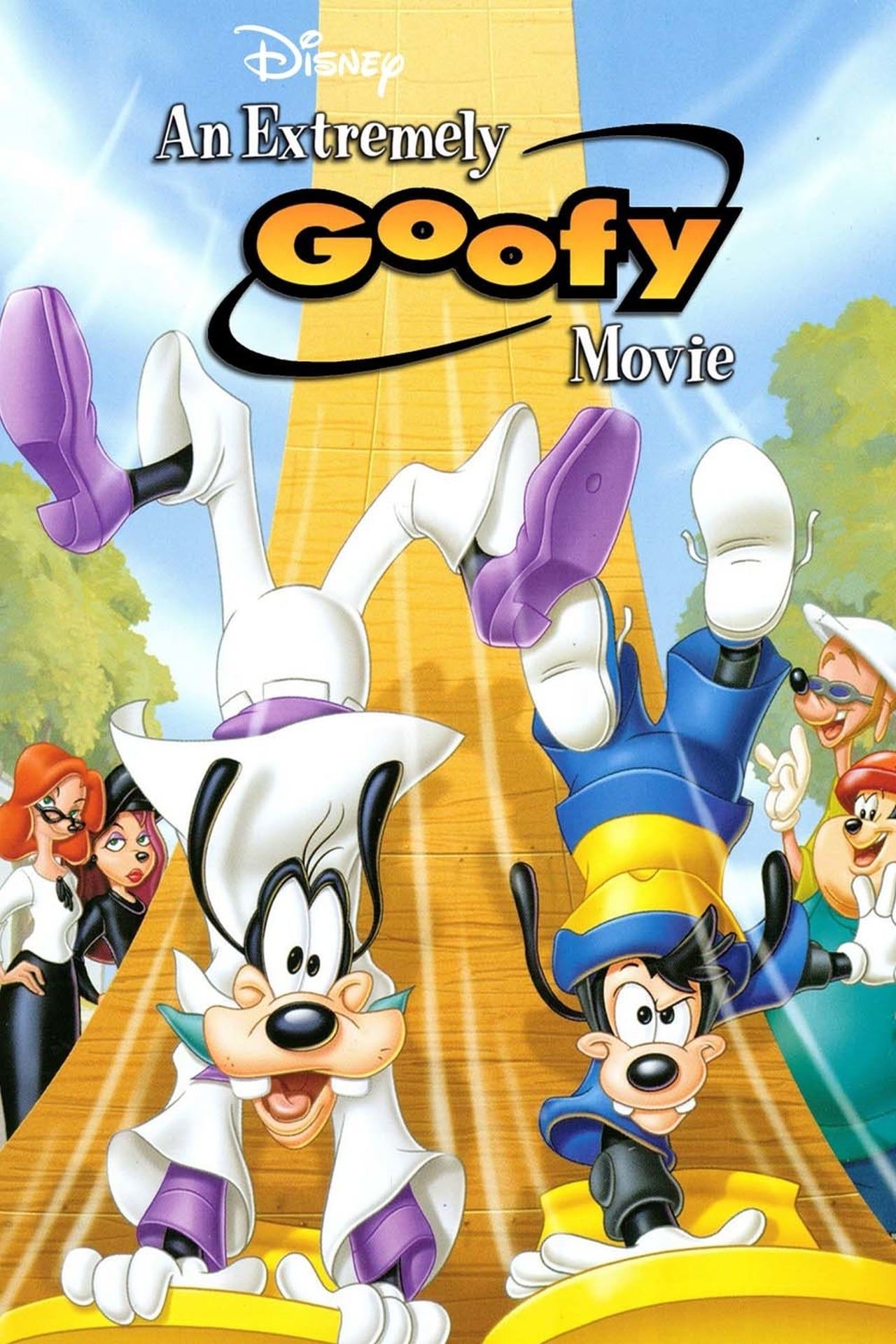
- Blu-ray Disc: Disney released A Goofy Movie on Blu-ray as a Disney Movie Club Exclusive title, packaged alongside its 2000 direct-to-video sequel, An Extremely Goofy Movie.
- DVD: Standard definition standalone DVD releases remain available via major online retailers, featuring original promotional featurettes, sing-along music videos, and behind-the-scenes clips.
Frequently Asked Questions
Is A Goofy Movie a sequel to Goof Troop?
Yes, A Goofy Movie takes place within the same continuity as the 1992 television series Goof Troop. However, the film advances the timeline by several years, aging Max from a pre-teen middle schooler into a high school student and focusing on more mature themes of adolescent independence and parent-child communication.
Who sang the songs for Powerline in A Goofy Movie?
American R&B singer Tevin Campbell provided both the singing and speaking vocals for the fictional pop superstar Powerline. Campbell recorded two primary original tracks for the film: "Stand Out" and "I2I" (Eye to Eye), both of which became iconic hit songs from the movie's soundtrack.
Did Jason Marsden do the singing for Max Goof?
No, while actor Jason Marsden provided all of Max Goof’s speaking dialogue throughout the film, actor and singer Aaron Lohr performed Max's singing vocals for musical numbers such as "After Today," "On the Open Road," and "Nobody Else But You."
What year does A Goofy Movie take place?
The movie was released in 1995 and captures the aesthetic, fashion, technology, and musical culture of the mid-1990s. Elements such as pay-per-view broadcasts, cassette tapes, physical paper road maps, and late-20th-century high school fashion define the setting.
Where were the main animation studios for A Goofy Movie located?
Although pre-production and primary creative leadership were based in Burbank, California, the bulk of the character animation was completed overseas. Disney’s animation studio in Paris, France, drew most of the major character sequences, while Disney's Sydney, Australia studio and external partners in South Korea and Canada provided supporting animation services.
Recommended Next Steps for Fans
To dive deeper into the world of Goofy, Max, and mid-90s Disney animation, fans and film historians can explore several targeted viewing avenues:
- Watch the Sequel: Follow up with An Extremely Goofy Movie (2000), which picks up Max's journey as he leaves for college, enters the X Games, and copes with Goofy's extreme empty-nest syndrome.
- Explore the TV Roots: Revisit the original Goof Troop television series (1992–1993) on Disney+ to see the earlier comedy dynamics between Goofy, Max, Pete, and P.J.
- Listen to the Soundtrack: Access the officially remastered A Goofy Movie Original Soundtrack on major music streaming services (Spotify, Apple Music) to hear Carter Burwell’s score alongside Tevin Campbell's full-length studio tracks.
- Seek Out Documentary Features: View behind-the-scenes retrospectives and animators' retrospectives, such as fan-produced documentaries like Not Just a Goof, which explore the creative risks taken by Kevin Lima and his international animation crew.