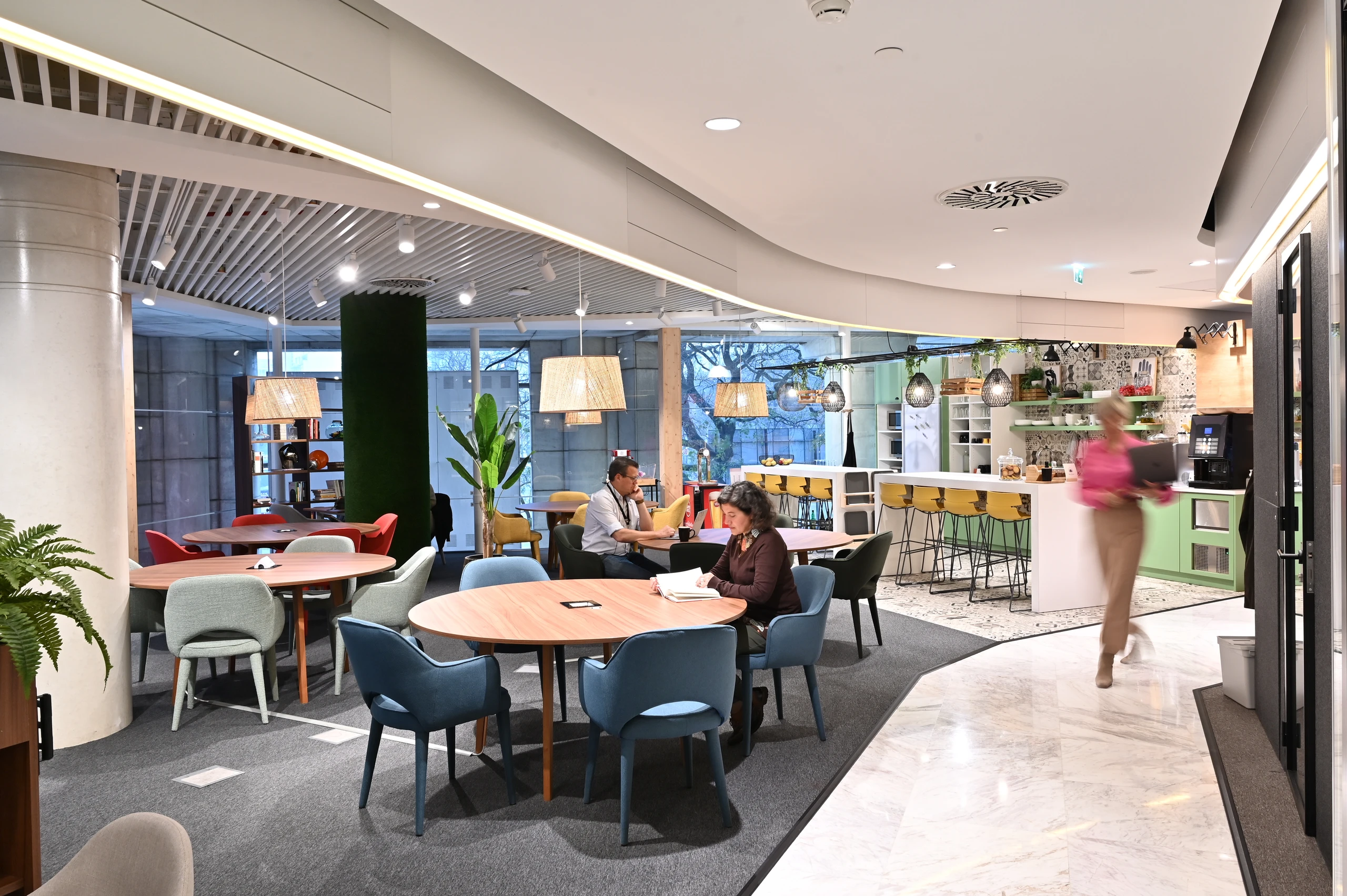
Atrium Health's corporate and clinical integration strategies often intersect with modern workplace optimization, but the phrase "go remote atrium" predominantly points to organizations seeking to transition their workforce, communication networks, and physical atrium-style collaborative spaces into secure, high-performance remote ecosystems. In 2026, the shift toward permanent hybrid and remote work models has matured past improvised emergency setups into a highly disciplined, enterprise-grade discipline. Organizations can no longer rely on ad-hoc virtual private networks and fragmented cloud storage; they require synchronized digital architecture that mirrors the collaborative energy of a physical corporate atrium while operating entirely in a distributed cloud environment.
Architectural Foundations for 2026 Remote Infrastructure
Transitioning an enterprise to a remote-first or hybrid model demands a complete overhaul of traditional IT infrastructure. Security, latency reduction, and seamless identity management form the bedrock of any successful remote migration strategy. Organizations must implement zero-trust network access frameworks to replace legacy perimeter defenses, ensuring that every access request is authenticated, authorized, and encrypted regardless of the user's geographic location.
Modern distributed teams rely heavily on cloud-native collaboration hubs that integrate voice, video, document co-authoring, and project management into a single pane of glass. When designing this digital workspace, IT leadership must prioritize bandwidth optimization and edge computing capabilities to prevent productivity bottlenecks.
- Zero-Trust Architecture (ZTNA): Eliminates implicit trust based on network locality, requiring continuous device posture checking and multi-factor authentication for all internal applications.
- Edge Computing Deployment: Distributes processing power closer to remote workers to minimize latency during high-bandwidth video conferences and real-time data analysis.
- Unified Identity Management: Utilizes single sign-on (SSO) and automated provisioning to streamline onboarding while maintaining stringent access controls.
Operational Workflows and Distributed Team Management
Managing a remote workforce requires a departure from traditional proximity-based oversight. In 2026, high-performing organizations evaluate productivity through quantifiable output, asynchronous communication efficiency, and clear milestone completion. Shifting from synchronous meetings to asynchronous workflows reduces burnout and accommodates global time zones.
Leadership teams must establish clear documentation standards. When information lives in centralized knowledge bases rather than tribal knowledge shared across physical office desks, remote employees maintain equal access to critical operational data.
Operational Excellence in Remote Frameworks Transparent documentation and asynchronous communication are the twin pillars of distributed operational success. By standardizing project tracking tools and defining explicit key performance indicators, leadership eliminates ambiguity and empowers remote personnel to execute complex workflows with minimal friction.
Comparative Analysis: Remote Operations vs. Traditional On-Premises Models
Evaluating the operational shift requires a direct comparison of metrics across security, cost, employee retention, and infrastructure overhead. The following table outlines how modern remote frameworks stack up against legacy on-premises configurations in 2026.
| Evaluation Metric | Traditional On-Premises Model | Modern Remote Atrium Framework | Operational Impact |
|---|---|---|---|
| Real Estate Overhead | High (Primary corporate leases, utilities, facility maintenance) | Low/Optimized (Flexible coworking spaces, minimal central hubs) | Significant reduction in fixed operational expenditures. |
| Network Security | Perimeter-based (Firewalls, physical office security) | Zero-Trust / Cloud-Native (Identity verification, encrypted endpoints) | Enhanced protection against sophisticated cyber threats targeting distributed endpoints. |
| Talent Acquisition | Geographically restricted to local commuting distance | Global / Borderless talent pool access | Access to specialized skill sets without relocation barriers. |
| Employee Turnover | Moderate to high due to rigid commuting and inflexibility | Significantly reduced through work-life balance and flexibility | Higher retention rates and increased daily engagement metrics. |
| Capital Expenditure (CapEx) | High upfront hardware, server room maintenance, and desk setups | Low CapEx / High OpEx (Subscription-based SaaS, cloud infrastructure) | Predictable, scalable technology budgeting. |
Step-by-Step Implementation Roadmap for Remote Migration
Successfully migrating an organization to a decentralized remote operational model requires a structured, multi-phase timeline. Rushing this transition introduces security vulnerabilities and employee friction. Follow this phased deployment guide to ensure operational continuity.
- Readiness Assessment and Audit: Evaluate current network infrastructure, cloud readiness, hardware lifecycles, and data security postures to identify gaps before initiating the transition.
- Identity and Access Management (IAM) Setup: Deploy enterprise-grade SSO, advanced multi-factor authentication (MFA), and role-based access control policies across all cloud environments.
- Hardware and Endpoint Standardization: Procure and configure pre-imaged laptops equipped with mobile device management (MDM) software, endpoint detection and response (EDR) agents, and secure tunneling tools.
- Cloud Application Migration: Transition legacy on-premises file shares, databases, and customer relationship management systems to scalable cloud-hosted solutions.
- Pilot Program Launch: Roll out the remote framework to a targeted departmental cohort for 30 to 60 days to uncover workflow friction points, latency issues, and training gaps.
- Full Enterprise Rollout and Training: Execute organization-wide deployment accompanied by comprehensive training sessions covering cybersecurity hygiene, asynchronous communication etiquette, and collaboration tool mastery.
Frequently Asked Questions
What are the primary security risks when transitioning to a remote work environment?
The primary security risks involve unsecured home Wi-Fi networks, shadow IT usage, and endpoint compromise via phishing or malware. Organizations mitigate these risks by enforcing managed devices, mandatory VPN or ZTNA policies, and continuous security awareness training.
How do organizations measure employee productivity in a remote setting?
Remote productivity is measured using objective output metrics, milestone completion rates, and project management tracking tools rather than physical presence or hours logged at a desk. Clear key performance indicators (KPIs) replace subjective managerial oversight.
What hardware is essential for setting up a high-performance remote workspace?
Essential remote hardware includes a high-performance laptop with a secure operating system, an external high-definition monitor, an ergonomic keyboard and mouse, a reliable enterprise-grade headset with active noise cancellation, and a stable broadband internet connection with backup cellular failover.
How does remote work impact corporate culture and team cohesion?
While remote work reduces spontaneous in-person interactions, organizations maintain strong culture by intentionally designing virtual social touchpoints, prioritizing transparent leadership communication, and leveraging collaborative digital spaces that replicate the open feel of a physical corporate atrium.
What is the cost implication of moving from physical offices to a remote model?
Moving to a remote model typically reduces real estate and facility maintenance costs dramatically, though these savings are partially offset by investments in robust cloud infrastructure, cybersecurity software, and employee technology stipends.
Securing Your Organization's Digital Future
Transitioning to a high-performing remote operational model requires strategic alignment between executive vision, IT security, and human resources. By embracing zero-trust security frameworks, cloud-native collaboration tools, and output-driven management methodologies, organizations can successfully eliminate geographic boundaries while scaling efficiency. Begin auditing your current infrastructure today to position your enterprise for resilient growth in the modern digital marketplace.