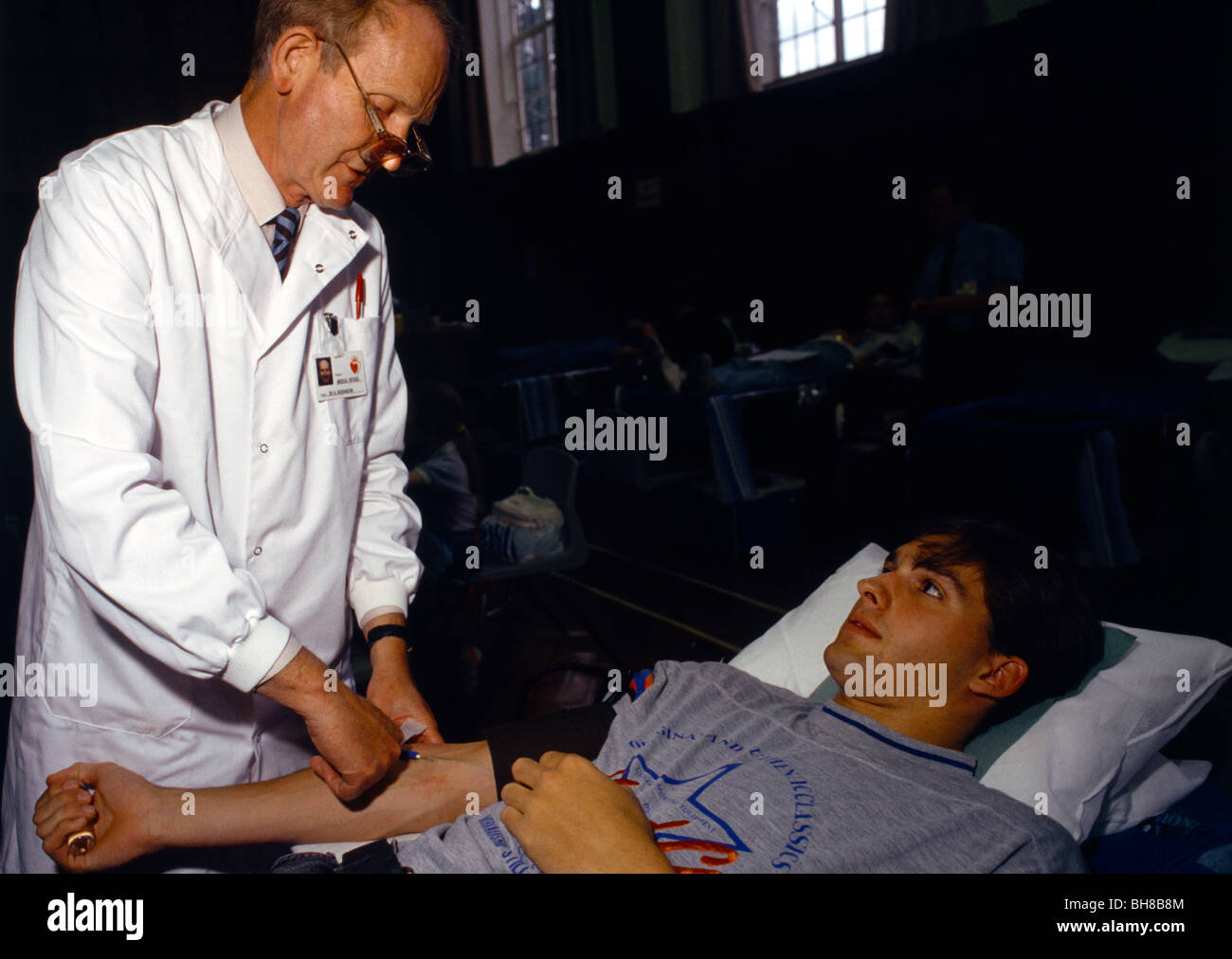
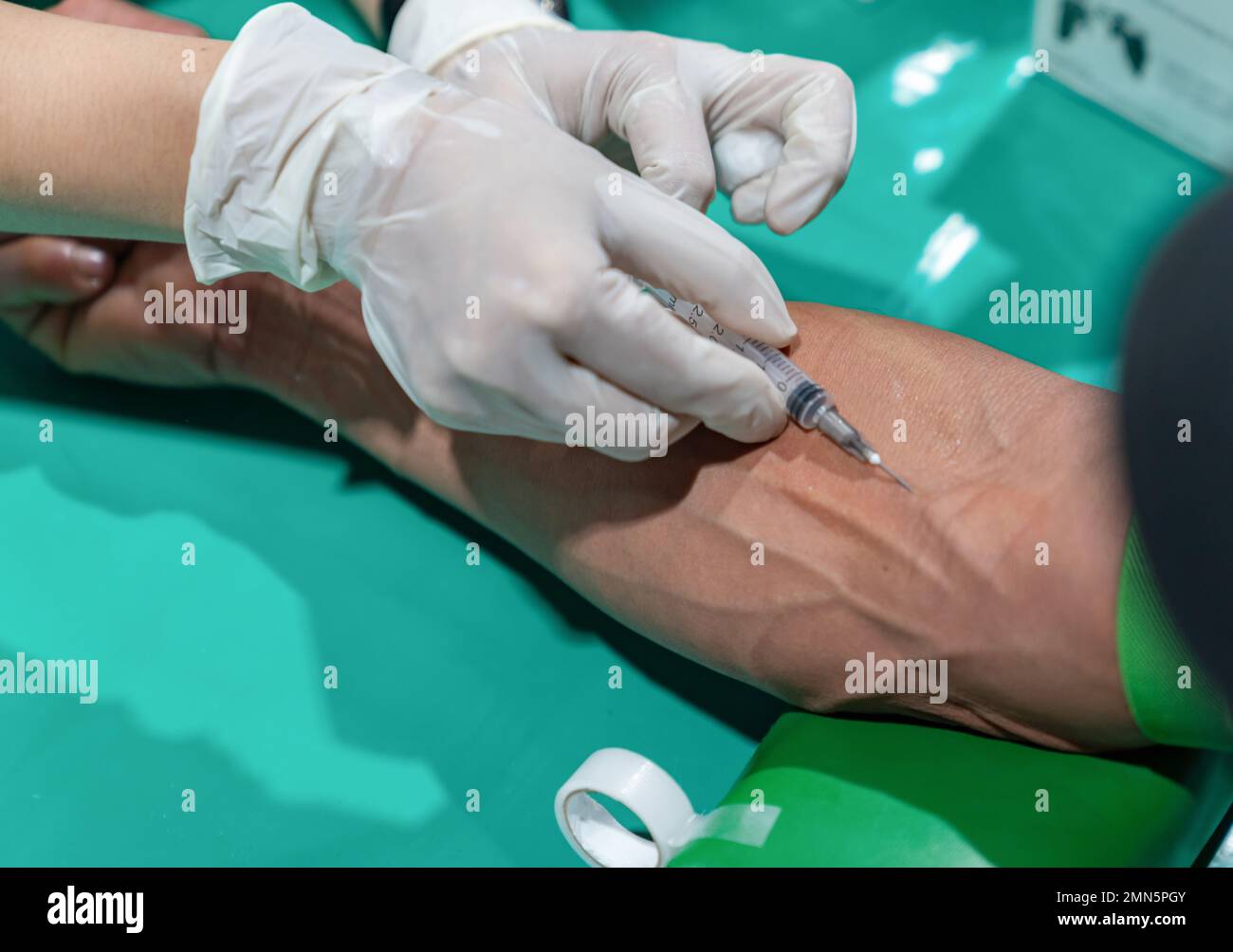
The act of donating blood is a vital community service, yet for millions of prospective donors, the primary barrier remains the physical sensation and anxiety associated with the needle insertion process. This guide provides comprehensive, evidence-based strategies for navigating the venipuncture process in 2026, ensuring donor safety and reducing pre-donation apprehension.
Understanding the Venipuncture Process in Modern Clinical Settings
In 2026, blood collection facilities have standardized high-precision phlebotomy protocols designed to minimize discomfort. When a donor presents for a whole blood or apheresis donation, the phlebotomist follows a strict aseptic technique. Understanding the mechanics of the needle helps many donors feel more in control.
A standard blood donation needle is typically 16 to 17 gauge. While this may sound large, the bevel is engineered for a swift, smooth entry. The process follows a specific clinical workflow:
- Identification and Health Screening: Verification of hemoglobin levels and vital signs.
- Site Selection: The phlebotomist identifies the best vein in the antecubital fossa (the inner elbow).
- Sanitization: The area is cleaned with a povidone-iodine or chlorhexidine scrub to prevent skin flora from entering the bloodstream.
- Insertion: The needle is inserted at a shallow angle.
- Stabilization: Once blood flow is established, the needle is secured with sterile tape to prevent movement.
Evidence-Based Techniques for Reducing Needle Anxiety
Anxiety regarding the giving blood needle is a documented psychological phenomenon known as belonephobia. By 2026, healthcare providers recommend several validated physiological and cognitive interventions to mitigate the vasovagal response, which is the body's physical reaction to stress that can lead to fainting.
Applied Tension Technique
This technique involves tensing the muscles in the arms, legs, and torso for 15 to 20 seconds, releasing for 20 seconds, and repeating. This action increases blood pressure slightly, counteracting the drop in heart rate that often precedes fainting during needle insertion. It is recommended to practice this for several days before the appointment.
Diaphragmatic Breathing Protocols
Controlled, deep breathing shifts the autonomic nervous system from a sympathetic state (fight or flight) to a parasympathetic state (rest and digest). Donors should aim for a four-second inhalation followed by a six-second exhalation throughout the insertion phase.
Comparative Overview of Donation Comfort Options
Choosing the right facility and donation type can significantly impact the donor experience. The following table summarizes how different donation methods and environmental factors correlate with the physical experience of the needle.
| Donation Type | Typical Needle Gauge | Expected Discomfort Level | Duration of Insertion |
|---|---|---|---|
| Whole Blood | 16G | Low (Single insertion) | 8-12 Minutes |
| Platelet Apheresis | 17G | Moderate (Longer stay) | 60-90 Minutes |
| Double Red Cell | 16G | Low | 30-45 Minutes |
| Pediatric/Small Vein | 18G | Minimal | Varies |
Preparing Your Body for a Successful Donation
Physiological readiness is the most effective way to ensure a seamless experience. If your body is properly hydrated and fueled, your veins are more prominent, which allows the phlebotomist to insert the needle with greater ease and precision.
- Hydration Metrics: Consume at least 16 ounces of water in the two hours immediately preceding your appointment. Dehydration causes veins to constrict, making the needle entry more challenging for the technician.
- Nutritional Support: Ensure you have consumed a meal rich in iron and protein within four hours of your donation. This stabilizes blood glucose levels, which is crucial for preventing post-donation lightheadedness.
- Thermal Regulation: Keep your arms warm. If the facility is cold, your veins may be harder to locate. Wear short sleeves or layers that are easily removable to keep your circulation optimized.
Troubleshooting Common Insertion Sensations
Donors often misinterpret normal sensations during the blood donation process. Understanding what is typical helps prevent unnecessary panic.
- Sharp Pinch: This is the initial entry through the skin. It is transient and usually subsides within three seconds.
- Pressure Sensations: Once the needle is in the vein, you may feel a dull pressure. This is normal and indicates that the needle is correctly positioned within the vessel.
- Tingling: Occasionally, a nerve ending may be sensitized by the presence of the needle. If you feel sharp, shooting pain or persistent tingling, inform the phlebotomist immediately; they can adjust the needle or pull back slightly to alleviate the pressure.
Frequently Asked Questions
Will the needle stay in my arm the whole time? Yes, the needle remains in the antecubital fossa for the duration of the blood draw. It is secured with medical-grade adhesive to ensure it does not move or shift, keeping the process stable and safe.
How do I prevent fainting when seeing the needle? The best way to prevent fainting is to practice the Applied Tension Technique and focus on a point away from the site of the venipuncture. Engaging in conversation with the phlebotomist can also serve as a cognitive distraction.
Can I request a smaller needle if I have small veins? Phlebotomists select the needle gauge based on the size of your vein to ensure adequate blood flow and to prevent hemolysis (the breaking of blood cells). If you have concerns about your vein size, communicate this to the intake staff; they are trained to perform a preliminary assessment.
What should I do if the needle feels painful during the donation? If you experience persistent, sharp pain, alert the staff immediately. While some pressure is normal, you should never experience sustained pain. The staff can reposition the needle or, if necessary, discontinue the draw to ensure your comfort.
Is there a way to numb the area before the needle insertion? While some donors inquire about topical numbing creams, these are rarely used in standard blood centers because they can cause vasoconstriction or interfere with the sterilization of the site. It is generally better to focus on breathing and hydration techniques.
Professional Recommendations for Repeat Donors
As we move through 2026, the emphasis in donor centers is on "Donor-Centric Phlebotomy." If you have had negative experiences in the past, do not hesitate to identify yourself as a "nervous donor" upon arrival. Centers are equipped with reclining chairs, cooling fans, and staff trained in cognitive distraction techniques specifically for this demographic. Consistency is key; by donating regularly, you familiarize your body with the sensation, and many donors report a significant decrease in anxiety after their third or fourth successful visit.
Prioritize choosing a certified collection facility that adheres to the 2026 standards of the AABB (Association for the Advancement of Blood & Biotherapies). These centers provide the highest level of clinical oversight and prioritize donor comfort as a core operational metric.