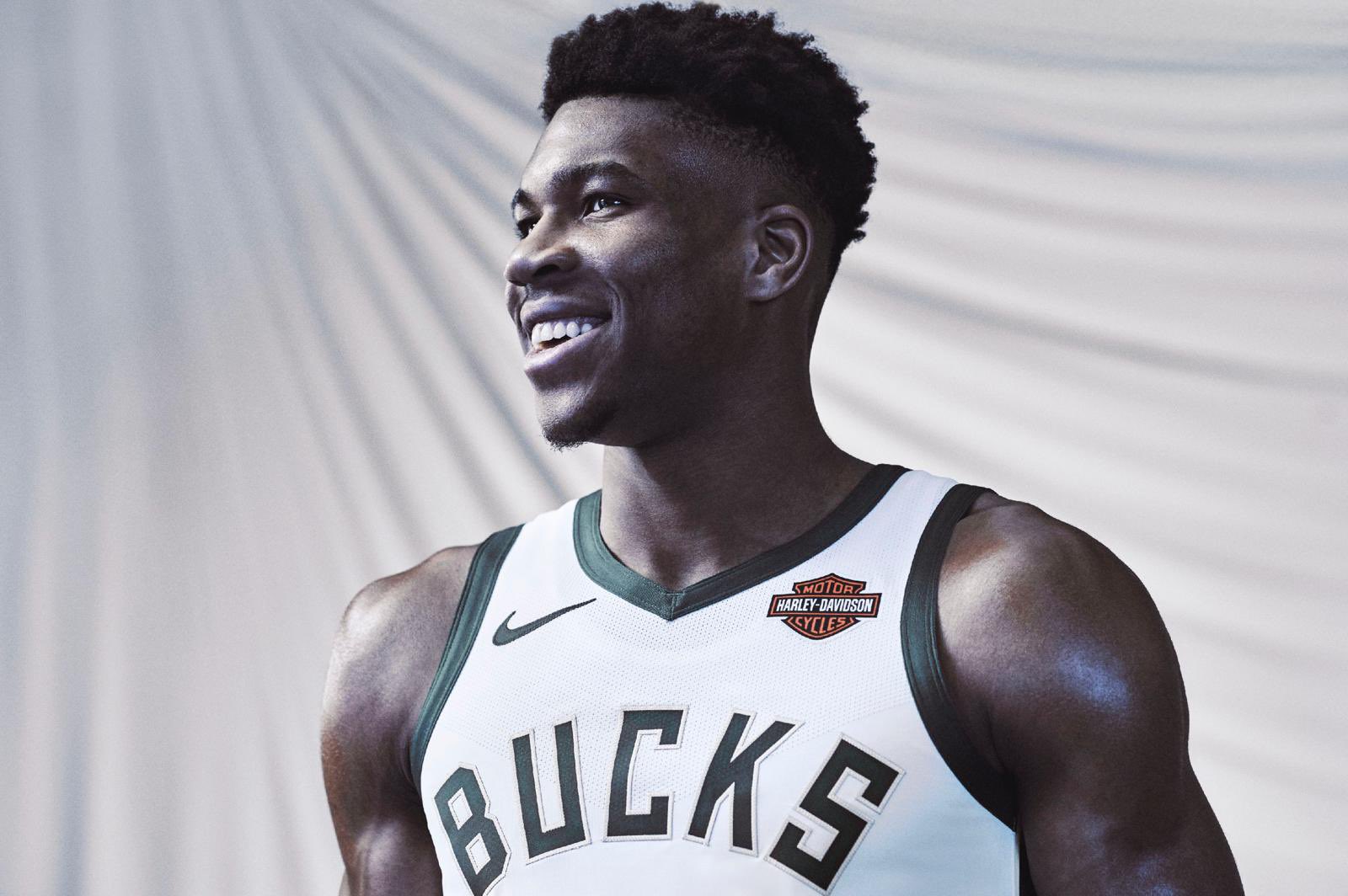
Giannis Antetokounmpo’s multi-year contract extension, currently anchoring the Milwaukee Bucks' payroll in 2026, is a three-year deal valued at approximately $186 million. This agreement, which began its earning cycle in the 2025-2026 season, ensures the two-time MVP remains the cornerstone of the franchise while navigating the stringent financial constraints of the NBA's latest Collective Bargaining Agreement.
The Financial Blueprint: Breakdown of the $186 Million Extension
As we navigate the 2026 NBA calendar, the financial specifics of Giannis Antetokounmpo’s extension have become the primary focus for cap analysts and fans alike. This deal was structured as an extension to his previous five-year supermax, effectively tethering the "Greek Freak" to Milwaukee through at least the 2026-2027 season, with a player option for the following year.
The contract was made possible by the 2023 Collective Bargaining Agreement (CBA) updates, which increased the limit for extension raises from 120% to 140% of the previous salary. Without this specific policy shift, Antetokounmpo likely would have waited for free agency to maximize his earnings. By signing when he did, he secured immediate long-term security while still leaving the door open for one more massive career contract in his early 30s.
Annual Salary Projections and Realized Earnings
In 2026, the specific year-by-year breakdown reflects the standard 8% annual raises permitted for players re-signing with their current team. Based on the salary cap climbs observed over the last two seasons, the structure follows this trajectory:
| Season | Contract Status | Estimated Salary | Salary Cap Percentage |
|---|---|---|---|
| 2024-2025 | Final Year of Previous Supermax | $48,787,676 | ~34.5% |
| 2025-2026 | Year 1 of Extension | $58,500,000 | ~35.0% |
| 2026-2027 | Year 2 of Extension | $63,180,000 | ~34.8% |
| 2027-2028 | Year 3 (Player Option) | $67,860,000 | ~34.2% |
The total value of $186 million is an estimate that fluctuates slightly based on the exact cap setting for the 2025-2026 season, but it represents the maximum allowable amount under the 140% rule. For the Bucks, this means dedicating more than a third of their total cap space to a single player, a move necessitated by Giannis’s status as a generational talent.
Strategic Timing: Why the Extension Mattered in 2023 and 2024
To understand the 2026 impact, one must look back at the climate in which the deal was signed. In the summer of 2023, Antetokounmpo publicly stated that he would only sign an extension if he felt the organization was as committed to winning championships as he was. This pressure led directly to the blockbuster trade for Damian Lillard.
The timing of the signature—October 2023—was a masterclass in leverage. By signing before the start of that season, Giannis removed the "distraction" of his future while simultaneously rewarding the front office for the Lillard acquisition. Financially, it also protected him against potential injuries or a dip in the global cap growth. Furthermore, signing the extension allowed the Bucks to avoid the "Second Apron" complications that would have arisen had he hit unrestricted free agency in a year where the team's total payroll was already ballooning.
Team Impact: Navigating the NBA’s "Second Apron"
In 2026, the primary challenge for the Milwaukee Bucks is not Giannis’s talent, but the financial gravity his contract exerts on the rest of the roster. The NBA’s current CBA introduced the "Second Apron," a punitive luxury tax tier that severely limits a team's ability to build its bench.
Because Giannis, Damian Lillard, and Khris Middleton have occupied such significant portions of the cap, the Bucks have had to become experts in finding value in veteran minimum contracts and late-round draft picks.
Constraints Imposed by the Salary Structure
- Trade Restrictions: Being over the second apron prevents the Bucks from aggregating salaries in trades or using trade exceptions from previous years.
- Buyout Market: The team is currently prohibited from signing players on the mid-season buyout market who previously earned more than the mid-level exception.
- Draft Pick Freezing: If the Bucks remain in the second apron for several consecutive years, their first-round draft picks seven years out can be moved to the end of the first round, regardless of their record.
The "Giannis Effect" on the team's impact is therefore dual-natured. On the court, he provides a perennial championship window. Off the court, his salary structure requires the front office to operate with surgical precision, as there is virtually zero margin for error in roster construction.
Salary Structure and the Evolution of the NBA Cap
The value of Giannis's contract is inextricably linked to the NBA’s revenue growth. With the new national media rights deals having kicked in, the salary cap has seen consistent 10% annual increases—the maximum allowed under the current "smoothing" agreement between the league and the NBPA.
This cap smoothing is vital for the Bucks. Without it, the cap might have spiked and then leveled off, potentially making Giannis’s fixed 8% raises even more burdensome. Instead, because the cap is rising at a rate similar to his raises, his "cap hit" as a percentage of the total pool has remained relatively stable at around 35%. This stability has allowed the Bucks to keep their core together longer than many analysts predicted back in 2024.
Comparing the Value: Giannis vs. the "New Era" Contracts
As we look at the landscape in 2026, several younger stars have signed contracts that exceed Giannis’s in total value, primarily due to the rising cap. Players like Jaylen Brown and Jayson Tatum signed deals north of $300 million over five years. However, on a per-year basis, Giannis remains at the top of the food chain.
The distinction lies in the Maximum Salary Tier. Because Giannis has over 10 years of service, he is eligible for the 35% max tier. Younger stars often start at the 25% or 30% tier. When comparing the "impact per dollar," Giannis continues to be viewed by executives as a bargain, even at $60+ million a year, because his defensive versatility and offensive gravity are nearly impossible to replicate with two or three lesser-paid players.
The Future Outlook: The 2027 Player Option
A critical component of the contract structure is the player option for the 2027-2028 season. Valued at roughly $67.8 million, this option gives Giannis immense flexibility.
By the time he has to decide on this option (June 2027), he will be 32 years old. Depending on the Bucks' competitiveness and his own physical health, he could:
- Opt-in: Secure the nearly $68 million for one year if the market for older players has cooled.
- Opt-out and Re-sign: Sign a new four or five-year deal with the Bucks to finish his career in Milwaukee, potentially at even higher annual figures.
- Opt-out and Depart: Seek a new challenge, though the financial penalties for leaving the team that holds his Bird Rights remain significant.
Frequently Asked Questions
Does Giannis Antetokounmpo have a trade kicker in his contract?
Yes, Giannis’s contract includes a 15% trade kicker. This means if the Bucks were to trade him to another team, his salary would increase by 15% (up to the maximum allowable cap hit). This acts as a significant "poison pill," making it financially difficult for other teams to match salaries in a potential trade and giving Giannis functional control over his destination.
How does the "Over-38 Rule" affect his future earnings?
The Over-38 Rule limits teams from offering long-term contracts that extend past a player's 38th birthday, as the league assumes those later years are high-risk. Since Giannis is currently 31 in 2026, this rule does not impact his current $186 million extension, but it will be a factor when he negotiates his next major contract around 2027 or 2028.
Is Giannis's contract fully guaranteed?
Yes, the $186 million extension is fully guaranteed for skill, injury, and cap room. Unlike NFL contracts, high-level NBA max extensions are almost universally guaranteed, providing the player with total security regardless of performance fluctuations or health issues.
How does his salary compare to the Milwaukee Bucks' total luxury tax bill?
In 2026, the Bucks are expected to pay a luxury tax penalty that may exceed $50 million, depending on their final roster depth. Giannis’s $58.5 million salary essentially "costs" the team over $100 million when accounting for the repetitive tax penalties associated with being a frequent taxpayer.
Could the Bucks have paid him more?
Technically, no. The $186 million figure represented the maximum he was eligible for at the time of signing under the 140% extension rule. Had he waited for free agency, he could have signed a five-year deal worth more in total value, but the annual starting salary would have been similar.
Strategic Recommendation for the Bucks Front Office
Given the current salary structure of Giannis Antetokounmpo, the Milwaukee Bucks must prioritize asset sustainability. With Giannis occupying 35% of the cap and other veterans taking up significant portions, the team should avoid trading any remaining first-round picks for "rental" players. Instead, the focus must remain on the development of young talent on rookie-scale contracts, which provide the only viable path to roster depth under the Second Apron restrictions. Maintaining a positive relationship with Antetokounmpo regarding roster decisions is paramount, as his 2027 player option remains the most significant looming deadline for the franchise’s long-term viability.