As of 2026, George Lynch’s net worth is estimated to be approximately $4 million. This valuation reflects a career spanning over five decades, encompassing multi-platinum album sales with Dokken, a successful solo career with Lynch Mob, high-end equipment endorsements with ESP and Seymour Duncan, and his boutique instrument brand, Mr. Scary Guitars.
The Financial Foundation: The Dokken Era and Platinum Success
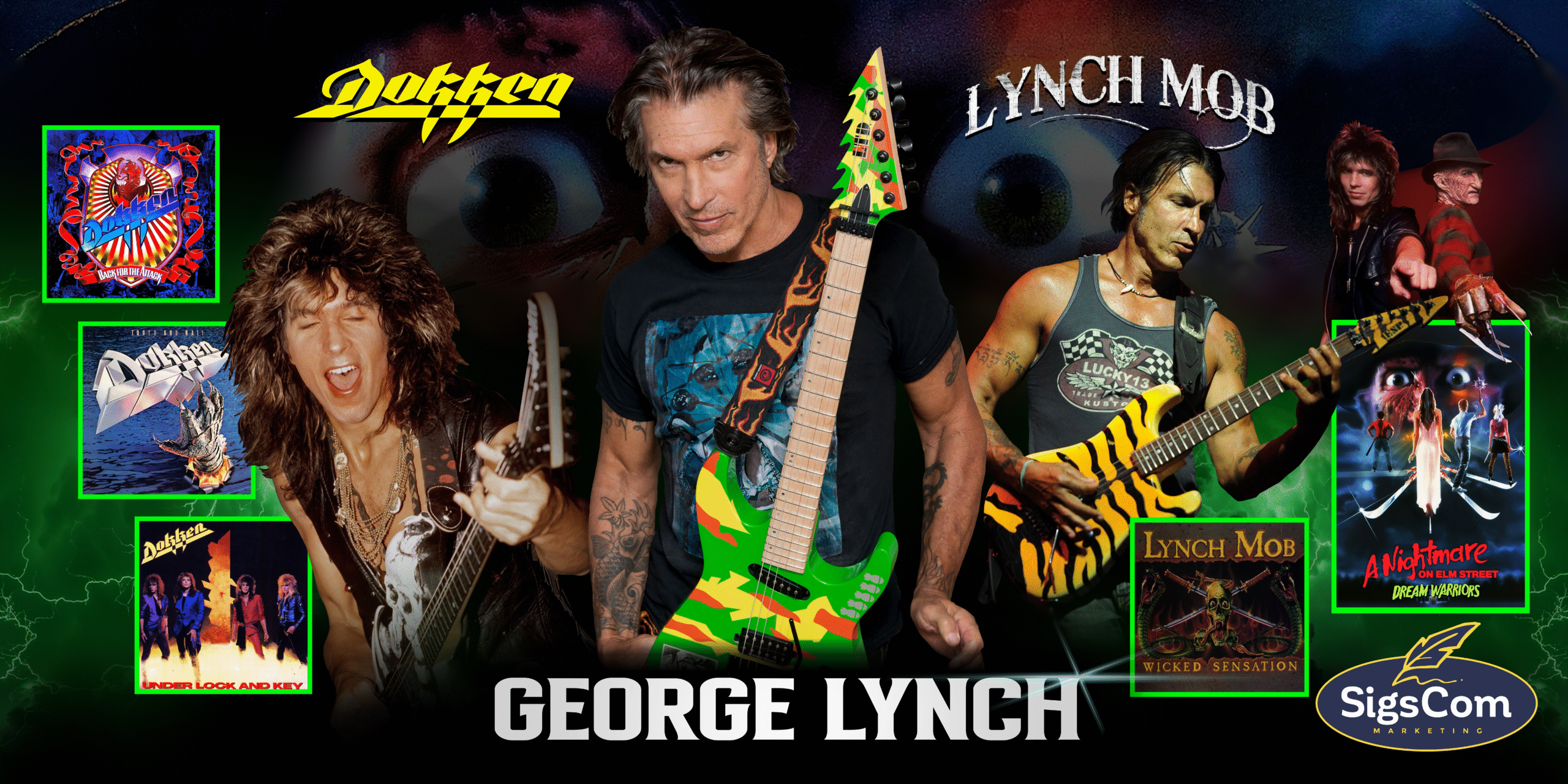
To understand George Lynch’s net worth in 2026, one must look back at the peak of the "hair metal" and hard rock era of the 1980s. Lynch was the sonic architect behind Dokken, a band that became one of the most commercially successful acts of the decade. Between 1983 and 1988, Dokken released a string of albums—Tooth and Nail, Under Lock and Key, and Back for the Attack—all of which achieved RIAA Platinum status.
During this period, revenue was driven primarily by physical record sales and massive stadium tours. Unlike modern streaming models, 1980s royalty structures for platinum-selling artists were significantly more lucrative for the primary songwriters and performers. Lynch, as a key songwriter for hits like "Alone Again," "In My Dreams," and "Mr. Scary," secured a steady stream of publishing royalties that continue to provide a financial baseline in 2026. While the internal friction between Lynch and vocalist Don Dokken is well-documented, the financial synergy of their partnership remains the most significant contributor to his lifetime earnings.
Lynch Mob and Post-Dokken Artistic Diversification
Following the initial dissolution of Dokken in 1989, Lynch formed Lynch Mob. The debut album, Wicked Sensation (1990), was a critical and commercial success, further solidifying his brand as a guitar hero independent of his former band. Throughout the 1990s and 2000s, Lynch demonstrated a relentless work ethic, releasing a consistent stream of albums that catered to a dedicated global fan base.
In the current landscape of 2026, Lynch's financial portfolio is supported by his "supergroup" projects. Collaborations such as KXM (with dUg Pinnick and Ray Luzier), The End Machine, and Sweet & Lynch (with Michael Sweet) utilize a modern production model: smaller, specialized labels like Frontiers Records provide recording budgets and distribution, allowing Lynch to maintain high output with lower overhead. These projects ensure that Lynch remains relevant in the touring circuit and the digital marketplace, where classic shred guitar retains a high-value niche audience.
Signature Gear and the Endorsement Economy
A substantial portion of George Lynch's wealth is derived not from ticket sales, but from the musical instrument industry. Lynch has maintained one of the longest-running and most successful endorsement deals in the history of rock music with ESP Guitars.
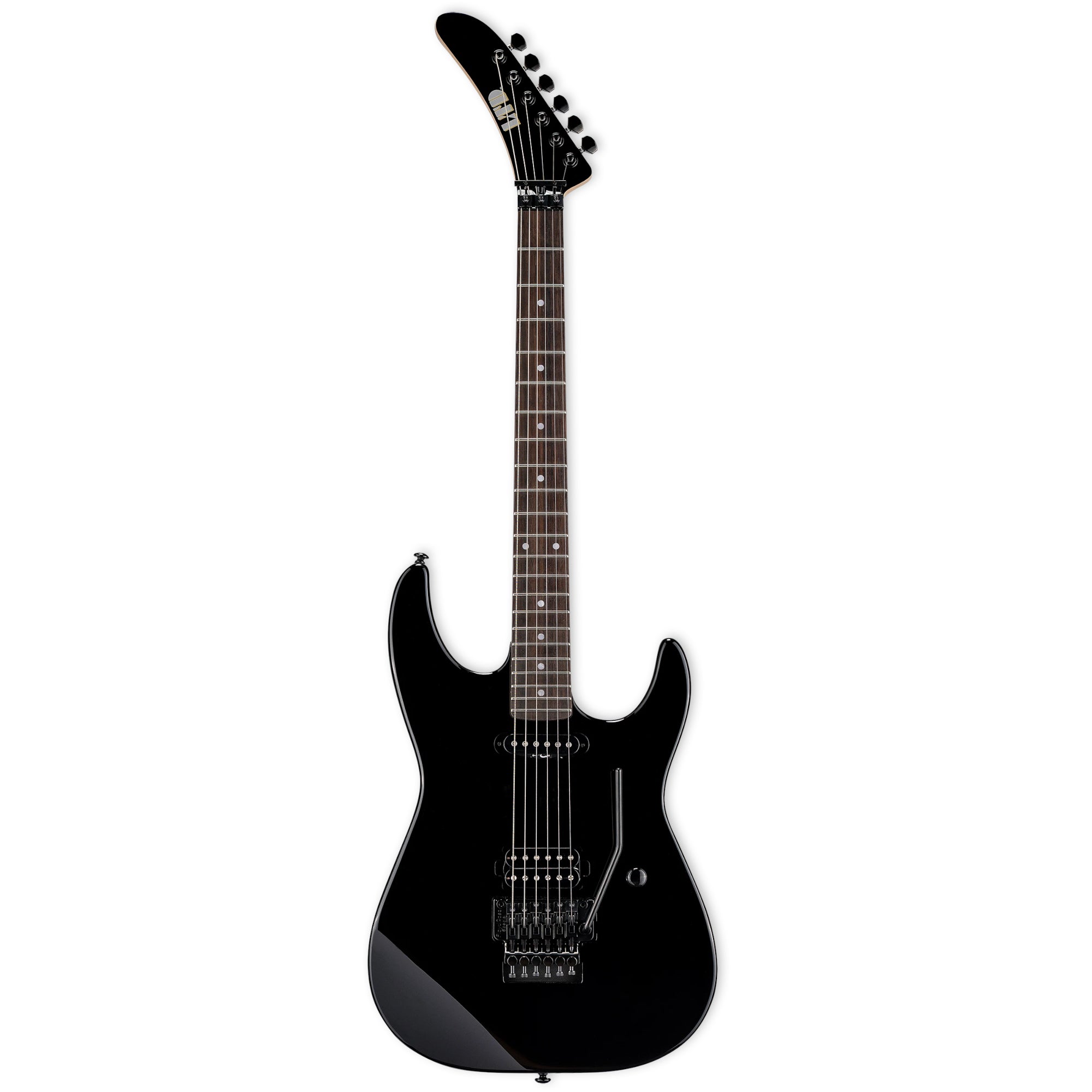
The "Kamikaze" and "Tiger" signature models have been in production for decades, with new iterations and limited-run "relic" versions frequently released to the market. In 2026, these instruments remain highly collectible. Professional-tier ESP George Lynch signature guitars typically retail between $4,000 and $7,000, and Lynch receives a percentage of every unit sold.
Beyond guitars, Lynch has collaborated with other major manufacturers:
- Seymour Duncan: His signature "Hunter" and "Screamin' Demon" pickups are staples in the aftermarket parts industry.
- Morley Pedals: Signature wah-wah pedals (the Dragon series) provide additional royalty streams.
- Randall and Soldano: Previous amp collaborations contributed to his historical earnings, establishing him as a "tone chaser" whose name carries significant weight in consumer purchasing decisions.
Mr. Scary Guitars: Entrepreneurship and Custom Craftsmanship
In the latter stages of his career, Lynch pivoted toward high-end entrepreneurship with Mr. Scary Guitars. This venture involves Lynch personally designing, carving, and sometimes assembling bespoke, one-of-a-kind instruments. These are not mass-produced factory items; they are functional pieces of art that often sell for $5,000 to $12,000 or more.
By controlling the entire production chain—from design to direct-to-consumer sales—Lynch captures a much higher profit margin than he does through traditional endorsement royalties. This business model is particularly effective in 2026, where the market for high-end, luthier-built instruments has grown among affluent Gen X and Millennial guitar enthusiasts who value the "hand-touched" authenticity of a legendary player.
Comparative Revenue Streams
The following table breaks down the estimated primary sources of George Lynch’s income as of 2026.
| Revenue Category | Primary Source | Estimated Impact on Net Worth | Financial Stability Level |
|---|---|---|---|
| Legacy Royalties | Dokken (1980s back catalog) | High (Primary) | High (Passive Income) |
| Endorsements | ESP Guitars, Seymour Duncan | High | Consistent |
| Direct Sales | Mr. Scary Guitars (Custom Builds) | Moderate | High Margin |
| Touring/Clinics | Solo dates, Lynch Mob, Festivals | Moderate | Variable |
| New Media | Streaming, Session Work, Masterclasses | Low to Moderate | Growing |
Real Estate and Asset Management
While George Lynch is known for his creative eccentricities, his financial management appears grounded in tangible assets. Lynch has historically maintained property in Southern California and Arizona. In the 2026 real estate market, these holdings represent a significant portion of his net equity.
Furthermore, Lynch’s involvement in the "guitar clinic" circuit provides a unique form of low-overhead income. These events, often sponsored by his endorsement partners, allow him to generate revenue through appearance fees and merchandise sales without the massive logistical costs associated with a full band tour. This "lean" approach to the modern music industry has allowed him to preserve the wealth generated during the platinum era of the 1980s.
The Impact of Digital Streaming and Modern Royalties
In 2026, the transition from physical media to streaming has altered the royalty landscape for all legacy artists. While the per-stream payout is low, Dokken’s hits like "Alone Again" and "Dream Warriors" have amassed hundreds of millions of plays across various platforms. For Lynch, this represents a reliable, if smaller, recurring revenue stream.
Additionally, Lynch has embraced digital education. By offering masterclasses and participating in online guitar academies, he monetizes his technical expertise. These digital products have no manufacturing costs and can be sold indefinitely, contributing to a modern financial strategy that balances 20th-century royalties with 21st-century digital assets.
FAQ
How did the split from Dokken affect George Lynch’s net worth?
The initial split in 1989 was a double-edged sword. While it ended his involvement with a multi-platinum touring entity, it allowed him to form Lynch Mob, where he held a larger share of the publishing and branding rights. Over the long term, the frequent reunions with Dokken for "one-off" shows or Japanese tours (like Loud Park) have provided massive infusions of cash, often cited as being significantly higher than his solo performance fees.
Does George Lynch own the rights to his music?
Lynch typically owns the mechanical rights to his solo and Lynch Mob work. For the Dokken catalog, the rights are often split between the primary songwriters (Lynch, Pilson, Brown, and Dokken) and the label (Warner Music Group). In 2026, the publishing rights for 80s rock remain valuable as they are frequently licensed for films, television shows (such as Stranger Things or Cobra Kai), and video games.
How much do Mr. Scary Guitars cost?
Custom builds from Mr. Scary Guitars generally start at $5,000 and can exceed $15,000 depending on the materials used (such as exotic woods or custom hardware) and the level of hand-carving involved. Because these are sold directly to collectors, they represent a high-value niche in his financial portfolio.
Is George Lynch still active in 2026?
Yes, George Lynch remains one of the most prolific guitarists in the industry. In 2026, he continues to record with various projects and maintains a presence at major trade shows like NAMM, where his signature products are showcased. This constant activity ensures that his brand value remains high among gear consumers.
What is the primary source of his wealth today?
While his 80s royalties provided the initial capital, his 2026 net worth is heavily sustained by his partnership with ESP Guitars and his custom guitar building. These "tangible product" revenue streams are more resilient than the fluctuating income from modern music streaming.
Strategic Financial Outlook for the Future
For those tracking the financial trajectory of legacy rock artists, George Lynch serves as a model for "brand longevity." He has successfully transitioned from being a "hired gun" or band member to a brand himself. His name is synonymous with high-performance guitar playing, which allows him to command premium prices for both his performances and his products.
To maintain or grow this net worth, the recommended next action for Lynch—and a lesson for other artists—is the continued expansion of the boutique artisan model. By focusing on high-margin, low-volume custom instruments (Mr. Scary Guitars), he bypasses the diminishing returns of the traditional recording industry. Fans in 2026 are increasingly looking for "exclusive" and "authentic" connections to their idols, and Lynch's hands-on approach to his business satisfies this demand while securing his financial future.