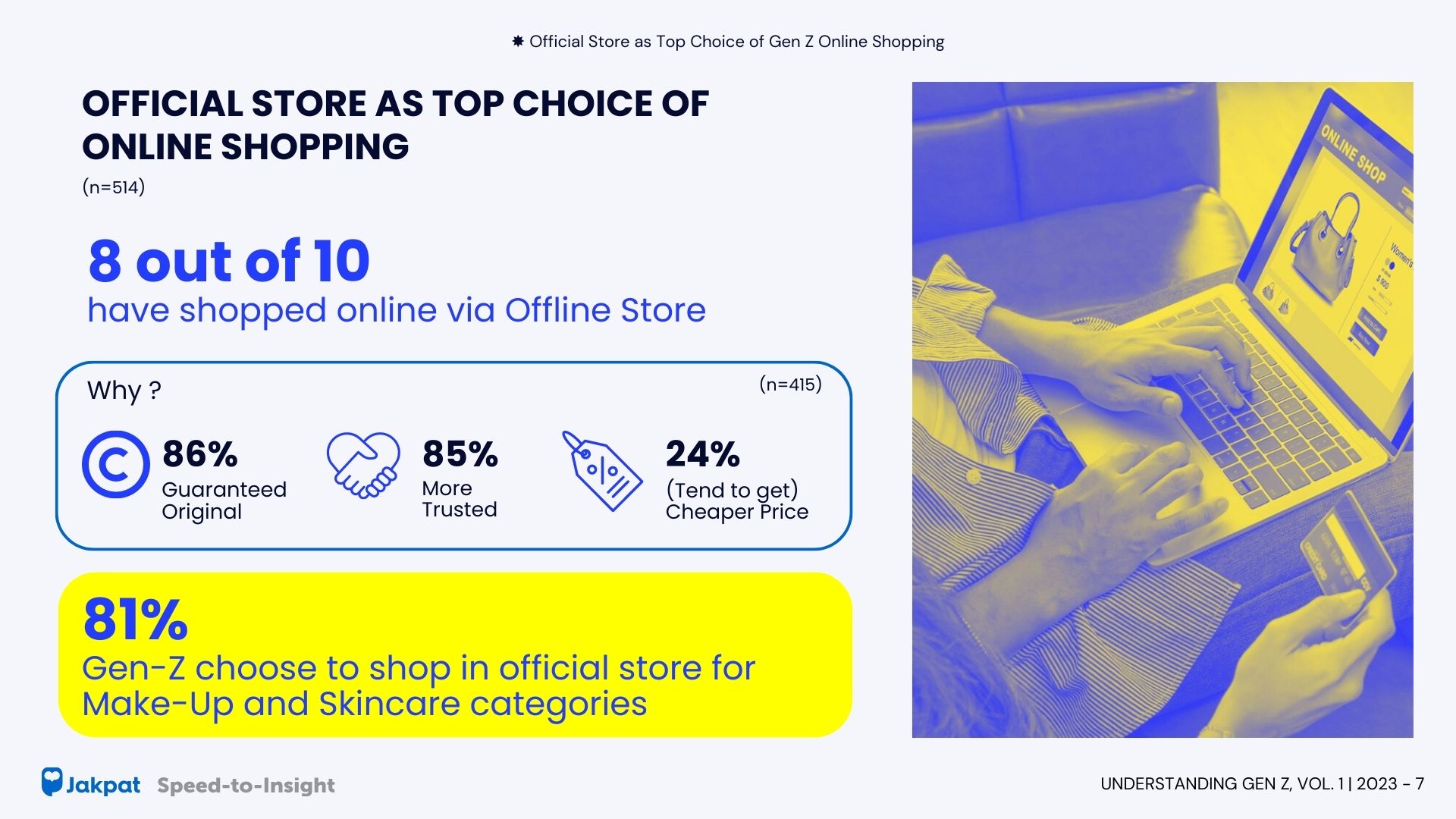
Current 2026 data reveals a complex "longevity-wealth paradox" for Generation Z. While medical breakthroughs in personalized genomics and biotechnology suggest a potential lifespan reaching the late 80s or 90s, systemic financial pressures, including high housing-to-income ratios and the automation of entry-level roles, create a precarious economic foundation for this cohort’s extended retirement years.
The Longevity Paradox: Projected Life Expectancy in 2026
As of 2026, the actuarial outlook for Generation Z (those born between 1997 and 2012) is a study in divergence. Unlike previous generations that saw steady, linear increases in life expectancy, Gen Z is the first generation to face a "bifurcated" health outcome. On one hand, the integration of AI-driven diagnostics and the widespread adoption of GLP-1 weight-management medications have significantly reduced the projected impact of metabolic diseases. On the other hand, "deaths of despair"—related to substance abuse and mental health crises—remain a persistent drag on the average life expectancy for this demographic.
Data from the Social Security Administration and recent 2025 longitudinal studies suggest that a Gen Z individual reaching age 25 in 2026 can expect to live, on average, to approximately 82.4 years for males and 86.7 years for females. However, these figures are heavily influenced by socioeconomic status. Those in the top income decile are projected to see life expectancies pushing 92, thanks to early access to longevity therapeutics and regenerative medicine. This 10-year "longevity gap" is becoming a primary focus for public health policy, as the financial ability to afford life-extending technology becomes a new form of wealth inequality.
Furthermore, environmental factors are playing an increasingly large role in actuarial calculations. Gen Z is the first generation whose life expectancy models must account for "climate-induced health stressors," such as prolonged heat exposure and shifting air quality indices. While previous generations focused on infectious and chronic diseases, Gen Z’s longevity data is now being adjusted for the cumulative physiological toll of environmental instability.
The 2026 Financial Landscape: A Split-Screen Economy
The financial outlook for Gen Z in 2026 is defined by the "K-shaped" reality of wealth accumulation. While the broader economy has stabilized following the inflationary shocks of the early 2020s, the structural barriers to traditional wealth-building remain high. For the oldest Gen Zers, now turning 29, the dream of homeownership is increasingly replaced by "fractional equity" or long-term rental stability.
The newest data from the Federal Reserve indicates that while Gen Z has been more aggressive than Millennials in entering the stock market—leveraging fractional shares and automated micro-investing apps—their total net worth is significantly lagging behind previous generations at the same age. The primary culprit is the "cost of essentials" index. Even with wage growth, the percentage of income required for housing, healthcare, and education in 2026 remains at record highs, leaving less "discretionary capital" for the power of compounding interest to work its magic.
However, a countervailing force is emerging: the beginning of the "Great Wealth Transfer." Estimates suggest that over $68 trillion is in the process of moving from Boomers to younger generations. For the portion of Gen Z positioned to inherit, the financial outlook is exceptionally bright. For those without familial safety nets, the outlook is one of "permanent gig-economy resilience," where career longevity is dependent on constant upskilling in the face of AI-driven job displacement.
The "Soft Saving" Phenomenon and Long-Term Risks
One of the most striking trends in 2026 financial data is the rise of "Soft Saving." Unlike the "F.I.R.E." (Financial Independence, Retire Early) movement that gained traction a decade ago, many Gen Zers are opting to save less for a traditional retirement in exchange for a better "present-day" quality of life. This shift is driven by a lack of confidence in the future stability of social safety nets and the belief that they will have to work longer anyway due to increased life expectancy.
While "soft saving" supports mental well-being in the short term, it creates a massive actuarial risk for the 2060s and 2070s. Financial analysts warn that Gen Z may face a "retirement cliff" where their personal savings are insufficient to cover the high costs of healthcare in their 80s and 90s. The assumption that "work will always be available" ignores the physical and cognitive declines that occur in late senescence, even with modern medicine.
In 2026, financial planners are increasingly advocating for "Longevity Annuities"—insurance products that only begin paying out once an individual reaches age 80—as a necessary hedge against the risk of outliving one's assets in an era of extended lifespans.
Comparing Generational Benchmarks at Age 25
To understand the unique position of Gen Z, it is helpful to look at how their metrics compare to previous generations when they were at the same stage of life. The following table utilizes inflation-adjusted data to show the shifting landscape of health and finance.
| Metric (at age 25) | Baby Boomers (c. 1970-1980) | Millennials (c. 2006-2016) | Gen Z (2026 Data) |
|---|---|---|---|
| Projected Life Expectancy | 71.2 Years | 78.9 Years | 84.5 Years (Avg) |
| Debt-to-Income Ratio | 15% | 45% | 62% |
| Homeownership Rate | 38% | 24% | 18% |
| Avg. Savings Rate | 12% | 6% | 4% (Soft Saving Trend) |
| Primary Career Path | Single Employer/Industry | Gig Economy/Job Hopping | AI-Hybrid/Portfolio Career |
| Healthcare Access | Employer-Based | Marketplace/Subsidized | Digital-First/Direct-to-Consumer |
The Impact of AI on Career and Wealth Stability
By 2026, the integration of generative AI into the white-collar workforce has fundamentally altered the financial trajectory of Gen Z. Entry-level roles in law, accounting, coding, and marketing—the traditional "stepping stones" to high net worth—have been largely automated or consolidated. This has led to a "skills-gap premium," where the few Gen Zers who can effectively manage AI systems command massive salaries, while others are pushed into service-sector roles that lack the same scale for wealth accumulation.
This structural shift in the labor market means that the "financial outlook" for Gen Z is no longer a monolith. It is increasingly divided between "Technical Architects" and "Human-Centric Service Providers." The newest data suggests that the latter group, while more resilient to automation, faces a lower ceiling for lifetime earnings, further complicating their ability to save for an 80+ year life.
To combat this, we are seeing the rise of "micro-entrepreneurship." Gen Z is using AI tools to launch small, highly automated businesses at a younger age than any previous generation. In 2026, approximately 22% of Gen Z's total income is derived from "side-hustle" platforms or independent digital ventures, rather than traditional W-2 employment.
Mental Health: The Financial and Biological Wildcard
Perhaps the most significant variable in the latest data is the correlation between mental health and financial outcomes. Gen Z reports higher levels of "financial anxiety" than any other living generation. This stress is not merely psychological; it has physiological consequences that affect life expectancy. High cortisol levels, chronic sleep deprivation from the "always-on" digital economy, and social isolation are identified in 2026 medical journals as major risk factors for early-onset cardiovascular issues.
Conversely, the "health-wealth" loop is becoming more pronounced. Gen Z individuals who can afford "wellness-tech" (biometric wearables, personalized nutrition plans, and mental health coaching) are showing biological ages significantly lower than their chronological ages. This creates a feedback loop: those with financial stability can afford the tools to live longer and work more effectively, further widening the gap between the "haves" and "have-nots" of this generation.
Strategic Recommendations for Gen Z in 2026
Given the data regarding extended lifespans and economic volatility, financial and health experts suggest a pivot in how Gen Z manages their "human capital." The old "learn-work-retire" model is officially obsolete in 2026.
1. Prioritize "Health-Span" Over "Life-Span"
Living to 90 is only a financial asset if those years are productive. Investing in preventive health—specifically resistance training and metabolic health—is now considered a primary financial strategy. Reducing future healthcare costs is the most effective way to protect a modest retirement fund.
2. Adopt a Multi-Stage Career Model
Expect to work in 10-year cycles with 1-year "re-skilling" gaps. The financial outlook for those who remain stagnant is poor. By 2026, the most successful Gen Zers are those who treat their education as a recurring subscription rather than a one-time purchase.
3. Hedging Against Inflation with Hard Assets
Since traditional homeownership is delayed, Gen Z should look toward alternative "hard assets." This includes fractional real estate, commodities, or even high-value collectibles. Diversifying away from purely digital or fiat-based assets is essential in a volatile 2026 global economy.
4. Optimize for the "Inheritance Gap"
For those not expecting an inheritance, aggressive early-career saving (even small amounts) is vital to combat the lack of a familial safety net. For those who are, tax-efficient planning should begin now, as governments in 2026 are increasingly looking at "wealth taxes" to fund the aging Boomer population's Social Security.
Frequently Asked Questions
Is Gen Z really expected to live longer than Millennials?
Yes, on average, newest data shows a projected increase of 3–5 years in life expectancy for Gen Z compared to Millennials. This is largely attributed to the "Genomic Revolution" of the early 2020s and better management of chronic conditions through AI-integrated healthcare, though this is tempered by rising mental health challenges.
Why is the Gen Z homeownership rate so low in 2026?
The low rate is a result of a "supply-side structural deficit" combined with high interest rates that characterized the early 2020s. While prices have stabilized by 2026, the "entry price" for a starter home remains roughly 6 to 8 times the average Gen Z annual salary, compared to the 3-to-1 ratio enjoyed by Boomers.
What is the biggest threat to Gen Z’s financial outlook?
The primary threat is "longevity risk"—the danger of outliving your money. Because Gen Z is likely to live into their late 80s or 90s, the traditional 4% withdrawal rule for retirement savings is being questioned. Many will need their portfolios to last 30+ years in retirement, which requires a much higher level of capital than currently being saved.
How does AI affect Gen Z's lifetime earnings?
AI acts as both a disruptor and an accelerator. For those in creative and technical fields, AI tools allow for 10x productivity, leading to higher earnings. However, for those in repetitive administrative or basic analytical roles, AI has suppressed wage growth by creating a "labor surplus" in those sectors.
Are "deaths of despair" still impacting Gen Z data in 2026?
Unfortunately, yes. While technological and medical advancements are pushing the "ceiling" of life expectancy higher, "deaths of despair" (opioids, alcohol, and suicide) keep the "floor" low. This creates a high statistical variance in the data, meaning that while the average life expectancy looks good, the median is under pressure.
Securing Your Future in an Era of Longevity
The newest data confirms that for Gen Z, the future is not a predetermined path but a series of "strategic pivots." To navigate the 2026 landscape, individuals must move beyond traditional financial advice and embrace a holistic view of "wealth" that includes biological health, AI-fluency, and social capital. The most successful members of this generation will be those who recognize that a longer life requires a more durable financial foundation—one built on adaptability rather than just accumulation. The time to transition from "soft saving" to "strategic investing" is now, before the cumulative effects of the 2026 economy further widen the generational wealth gap.