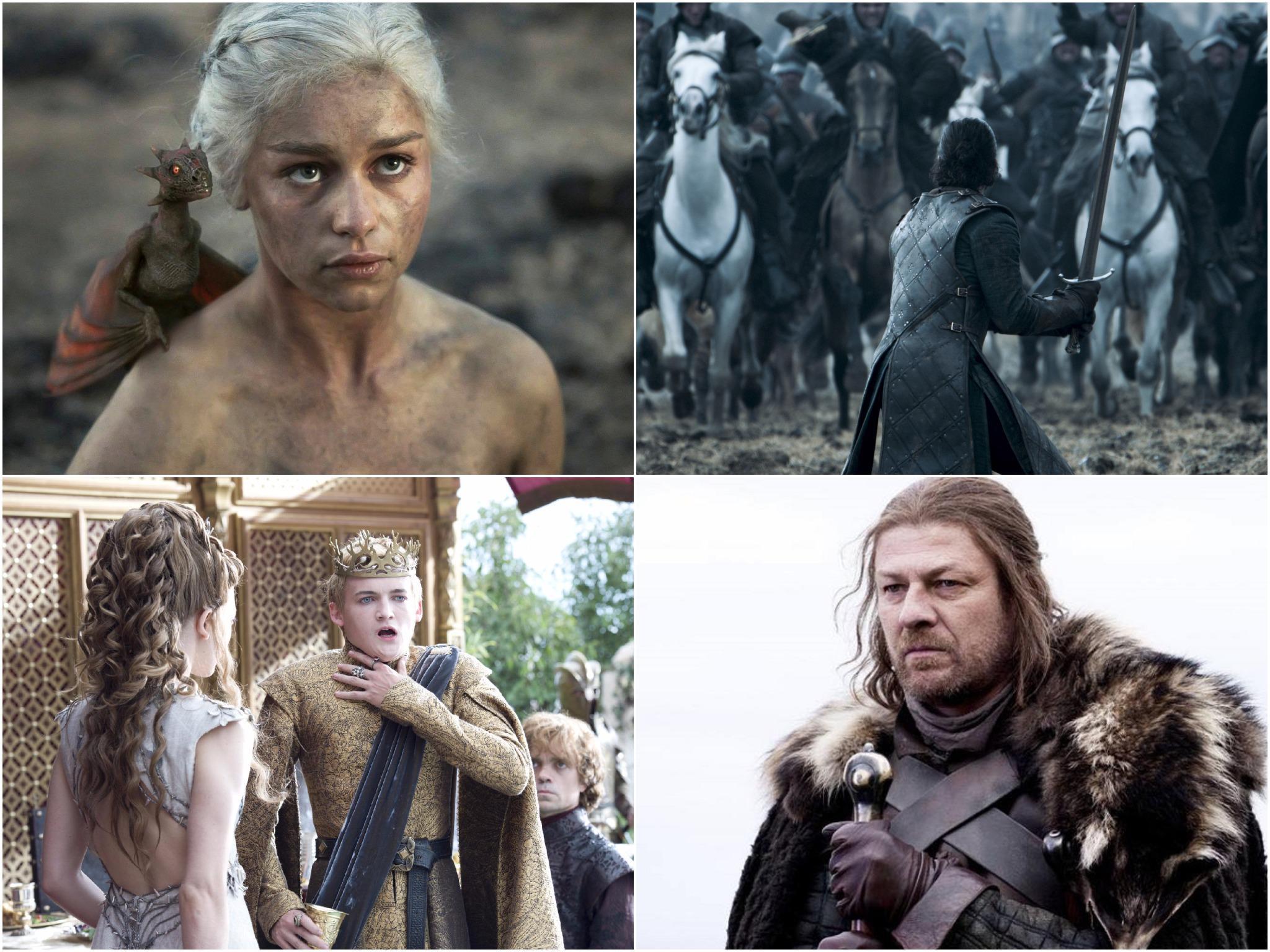
A Game of Thrones is the 1996 epic fantasy novel written by George R.R. Martin and the foundational volume of the A Song of Ice and Fire series. Set across the fictional continents of Westeros and Essos, the narrative tracks noble family struggles for power, an ancient menace awakening in the far north, and an exiled royal heir seeking to reclaim her throne.
- A SONG OF ICE AND FIRE
- A GAME OF THRONES (Novel, 1996)
- KING'S LANDING: Political Intrigue
- THE NORTH & WALL: Supernatural Menace
- ESSOS / EAST: Exile & Dragon Rise
- A GAME OF THRONES (Novel, 1996)
The Narrative Structure of A Game of Thrones
George R.R. Martin structured A Game of Thrones using a rotating third-person limited point-of-view (POV) perspective. Rather than employing an omniscient narrator, each chapter is tightly anchored to the senses, thoughts, and personal biases of a single character. This narrative device forces readers to construct their understanding of the world through subjective, often conflicting viewpoints, creating dramatic irony and political complexity.
In the inaugural novel, the story is told through the eyes of eight primary viewpoint characters across 73 chapters:
- Eddard "Ned" Stark: Lord of Winterfell and Warden of the North, whose strict adherence to honor pulls him into the treacherous politics of the capital city, King's Landing.
- Catelyn Stark: Lady of Winterfell, born of House Tully, driven by fiercely protective maternal instincts as political instability threatens her family.
- Sansa Stark: The elder Stark daughter, whose romanticized ideals of knighthood and courtly nobility collide with the brutal realities of royal politics.
- Arya Stark: The younger Stark daughter, an independent child who rejects feudal gender roles and seeks training in combat and survival.
- Bran Stark: The seven-year-old Stark son whose life changes irrevocably after a tragic fall, leading him toward ancient, forgotten northern mysteries.
- Jon Snow: Ned Stark's illegitimate son, who seeks purpose and honor by joining the ancient, decaying order of the Night's Watch at the northern Wall.
- Tyrion Lannister: The younger brother of the Queen, an intellect-driven dwarf whose tactical mind compensates for the physical prejudice he endures within high society.
- Daenerys Targaryen: The exiled teenage princess of the deposed Targaryen dynasty, navigating an arranged marriage on the eastern continent of Essos to build a military coalition.
By grounding complex geopolitical events in personal experiences, Martin avoids high-fantasy exposition dumps. Readers learn the geography, history, and social hierarchies of Westeros naturally as characters encounter administrative duties, military maneuvers, or domestic crises.
Core Narrative Arcs and Geographic Settings
The narrative of A Game of Thrones branches into three main plot strands that run simultaneously across distinct geographical settings. Although geographically isolated from one another in the opening novel, these storylines are structurally linked by the political instability following the death of King Robert Baratheon's previous advisor, Lord Jon Arryn.
- KING ROBERT BARATHEON (Appoints Ned Stark Hand)
- KING'S LANDING ARC: Investigating Arryn's death; Succession feud
- NIGHT'S WATCH ARC: Jon Snow joins Wall; Others (Wights) rise
- ESSOS / TARGARYEN ARC: Daenerys marries Khal Drogo; Dragon rebirth
1. The Political Struggle in King's Landing
The primary engine of the plot begins when King Robert Baratheon travels north to Winterfell to request that his lifelong friend, Ned Stark, serve as Hand of the King (the principal royal advisor). Ned reluctantly accepts, intending to investigate the mysterious circumstances surrounding the death of the previous Hand, Jon Arryn.
Upon arriving in the capital, Ned encounters a web of corruption, secret debts, and conspiracy orchestrated by rival factions—most notably Queen Cersei Lannister and her family. Ned uncovers that King Robert's legal heirs are secretly the product of incest between Cersei and her twin brother, Ser Jaime Lannister. Ned's insistence on legal protocol and moral rectitude leads to his betrayal, imprisonment, and execution under the order of the newly crowned child-king, Joffrey Baratheon. This execution shatter's the kingdom's stability, igniting the military conflict known as the War of the Five Kings.
2. The Wall and the Northern Frontier
Simultaneously, Ned's bastard son Jon Snow travels far to the north to join the Night's Watch, an ancient military order dedicated to guarding the Wall—a massive, 700-foot-high barrier made of ice and stone. The Watch protects the realm from northern wildlings (the Free Folk) and legendary supernatural threats long believed to be extinct.
Jon faces harsh conditions, social divisions between noble-born and common recruits, and internal corruption. As winter approaches, the Watch encounters reanimated corpses (wights) and mysterious icy beings known as the Others (or White Walkers in the television adaptation). This storyline introduces an existential threat to humanity that renders the political squabbling in the south secondary.
3. The Exile of the Targaryens in Essos
Across the Narrow Sea on the continent of Essos, the surviving children of the deposed King Aerys II Targaryen—Viserys and his younger sister Daenerys—live in poverty and exile. Viserys trades Daenerys in marriage to Khal Drogo, a powerful warlord of the nomadic Dothraki, in exchange for a cavalry army to invade Westeros.
Initially victimized, Daenerys adapts to the Dothraki culture, gains self-confidence, and earns the respect of her husband and tribe. Following the deaths of both Viserys and Drogo, Daenerys steps into a funeral pyre with three petrified dragon eggs. She emerges unharmed from the flames with three newly hatched dragons—the first seen in the world for over a century—setting the stage for her return as a major claimant to the Iron Throne.
Key Great Houses of Westeros
The political framework of A Game of Thrones centers on noble families known as the Great Houses, each ruling a distinct region of Westeros under the authority of the Iron Throne. The table below details the core houses introduced in the initial novel, their traditional seats, cultural mottos, and primary objectives during the story's opening phase.
| House Name | Sigil | Official Motto ("Words") | Regional Seat | Key Characters (Book 1) | Primary Objective / Conflict |
|---|---|---|---|---|---|
| House Stark | A gray direwolf on an ice-white field | "Winter is Coming" | Winterfell (The North) | Ned, Catelyn, Robb, Sansa, Arya, Bran, Jon Snow | Maintain northern security; investigate King's Landing conspiracies. |
| House Lannister | A golden lion on a crimson field | "Hear Me Roar!" (Common: "A Lannister always pays his debts") | Casterly Rock (The Westerlands) | Tywin, Cersei, Jaime, Tyrion | Secure control over the Iron Throne and advance family dynasty. |
| House Baratheon | A crowned black stag on a gold field | "Ours is the Fury" | Storm's End / King's Landing | King Robert, Stannis, Renly | Hold the royal crown; manage kingdom debt and internal rebellions. |
| House Targaryen | A three-headed red dragon on a black field | "Fire and Blood" | Dragonstone (Formerly); Exiled to Essos | Daenerys, Viserys | Reclaim the Iron Throne lost during Robert's Rebellion. |
| House Tully | A leaping silver trout on blue and red waves | "Family, Duty, Honor" | Riverrun (The Riverlands) | Catelyn Stark, Lysa Arryn, Edmure Tully | Protect their vulnerable central territories from military retaliation. |
| House Arryn | A white falcon and crescent moon on a sky-blue field | "As High as Honor" | The Eyrie (The Vale) | Lysa, Robert (Sweetrobin) | Isolate the Vale from royal conflict following Jon Arryn's death. |
Literary Themes and Trope Deconstructions
A Game of Thrones earned critical praise within fantasy literature largely due to its deconstruction of traditional high-fantasy conventions popularized by 20th-century authors. George R.R. Martin replaced idealized medievalism with a gritty realism rooted in historic European conflicts, primarily the 15th-century English Wars of the Roses.
- TRADITIONAL HIGH FANTASY
- Clear Good vs. Evil
- Invulnerable Heroes
- Romanticized Chivalry
- Absolute Royal Right
- A GAME OF THRONES (MARTIN)
- Gray Moral Ambiguity
- Shocking Mortality
- Feudal System Realism
- Power derived from Force
Moral Ambiguity and Human Conflict
Unlike stories built around an absolute distinction between light and dark forces, Martin constructs characters driven by competing personal self-interests, love, fear, and political necessity. Protagonists make compromised or deeply flawed decisions, while antagonists frequently operate from understandable self-preservation motives. Martin famously summarized his philosophical focus by quoting William Faulkner, stating that the only thing worth writing about is "the human heart in conflict with itself."
The Subversion of Heroic Idealism
A central theme of the novel is the danger of romanticizing honor, chivalry, and power. Ned Stark represents the classic fantasy protagonist: honorable, brave, and noble. However, within the realistic political landscape of King's Landing, his unyielding honor becomes a fatal flaw. His refusal to compromise his values or leverage political hostages allows his ruthless adversaries to outmaneuver him.
Similarly, Sansa Stark begins the novel enamored with heroic tales of knights and courtly romance, only to suffer physical abuse and political captivity at the hands of those who perform nobility publicly while violating it privately.
Feudal Logistics and Consequences
Martin brings unprecedented attention to the economic, historical, and logistical realities of feudal governance:
- Warfare is not depicted as romantic adventure; it destroys crops, displaces peasants, and bankrupts the royal treasury.
- Power is defined not by divine right or magical artifacts, but by military force, land ownership, grain reserves, and financial solvency.
- Actions carry permanent physical and political consequences: major characters suffer irreversible injuries, fall into political captivity, or die unexpectedly when outmaneuvered.
Publication History, Series Context, and Adaptations
Published in August 1996 by Bantam Spectra in the United States and Voyager Books in the United Kingdom, A Game of Thrones was not an immediate bestseller on the scale of its later cultural footprint. However, strong word-of-mouth recommendations among science fiction and fantasy readers, paired with positive critical reviews, established a dedicated audience. The novel won the 1997 Locus Award and was nominated for both the Nebula Award and the World Fantasy Award.
- 1996: "A Game of Thrones" Novel Released
- 1998: "A Clash of Kings"
- 2000: "A Storm of Swords"
- 2005: "A Feast for Crows"
- 2011: "A Dance with Dragons"
- 2011–2019: HBO Television Series ("Game of Thrones")
- Expanded Media: Tabletop Games, Graphic Novels, Prequels ("Fire & Blood")
A Song of Ice and Fire Book Series Order
A Game of Thrones serves as the first volume in a planned seven-book saga. The main series sequence consists of:
- A Game of Thrones (1996)
- A Clash of Kings (1998)
- A Storm of Swords (2000)
- A Feast for Crows (2005)
- A Dance with Dragons (2011)
- The Winds of Winter (Forthcoming)
- A Dream of Spring (Forthcoming)
Media Adaptations
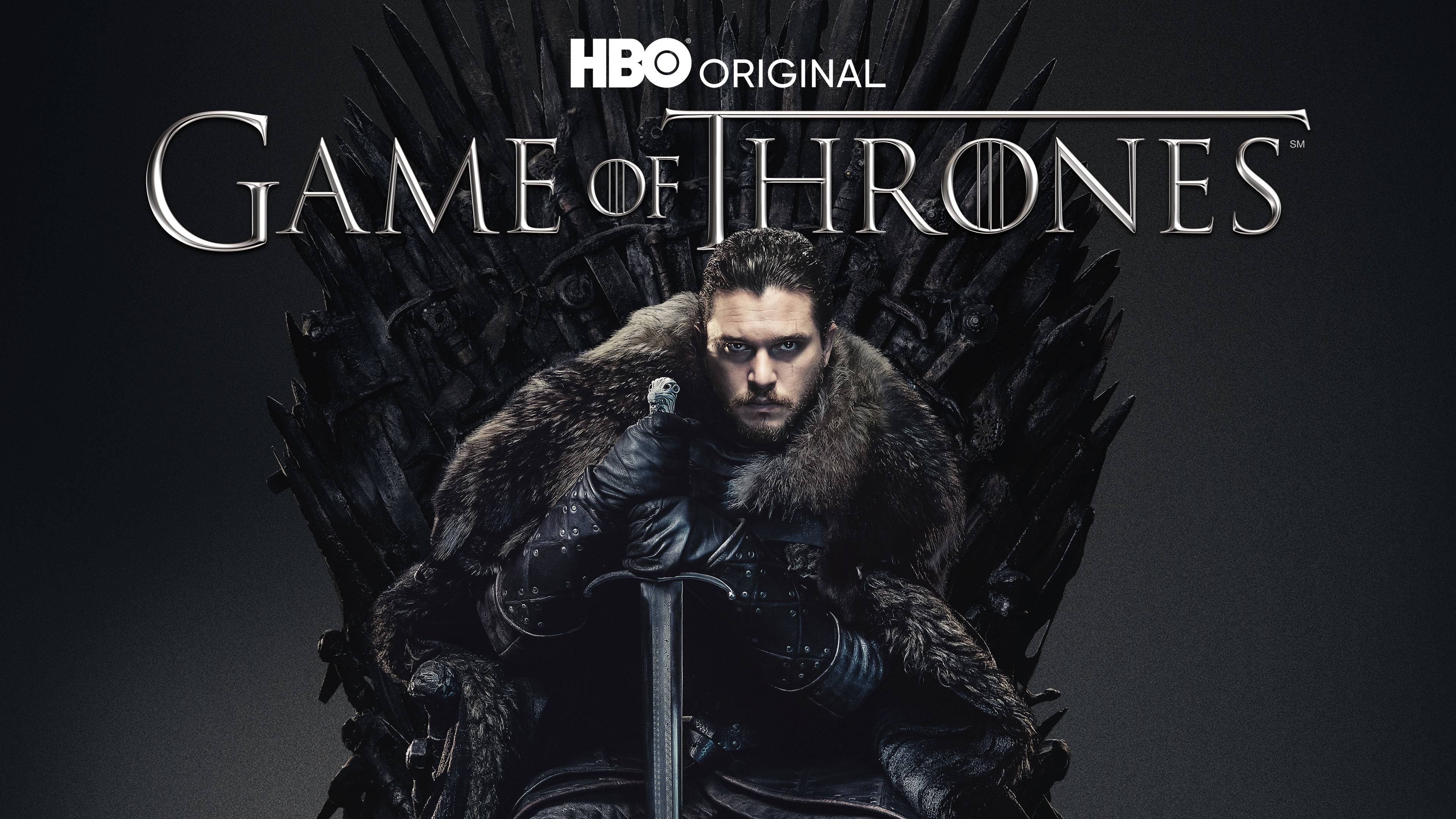
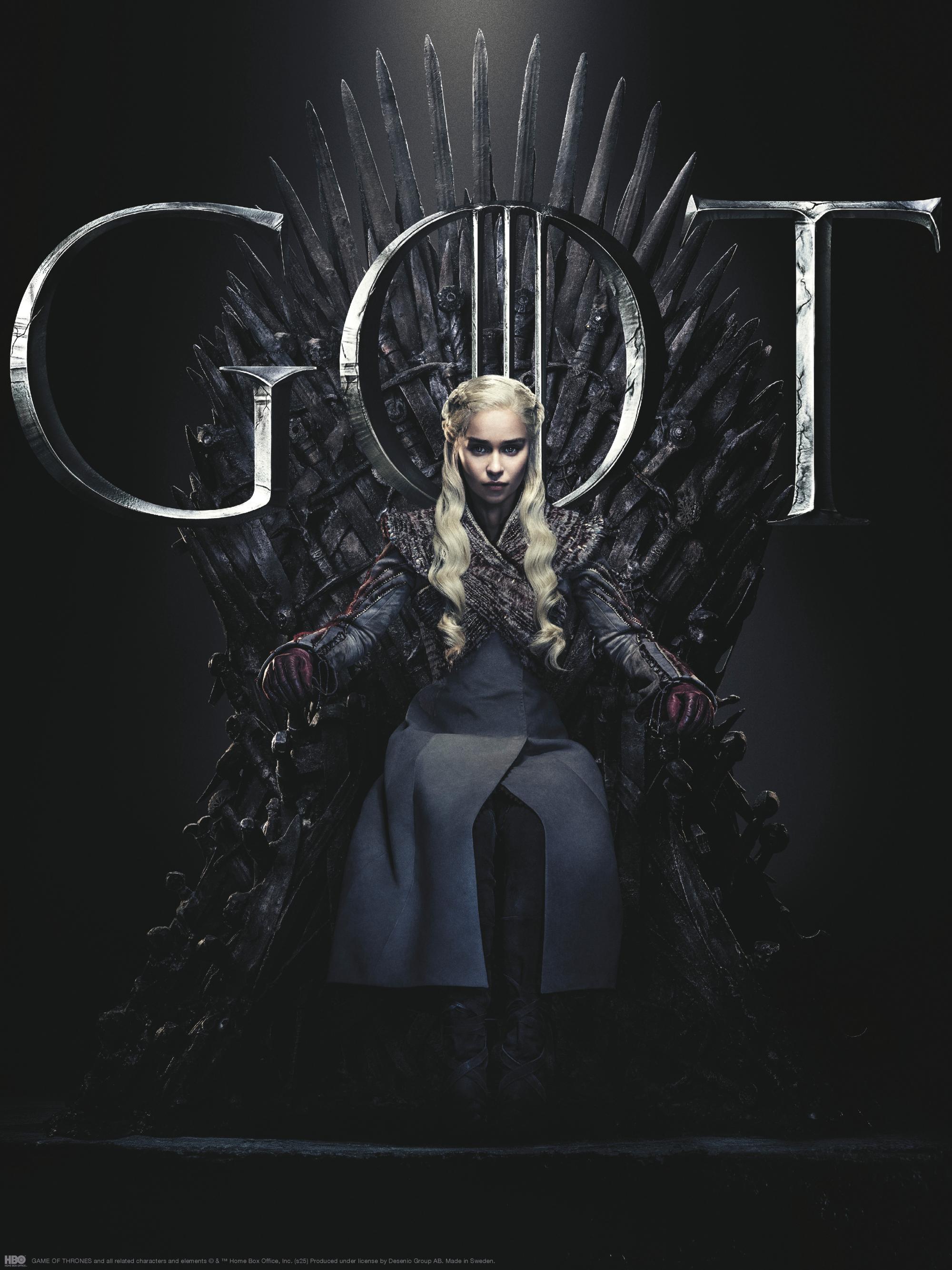
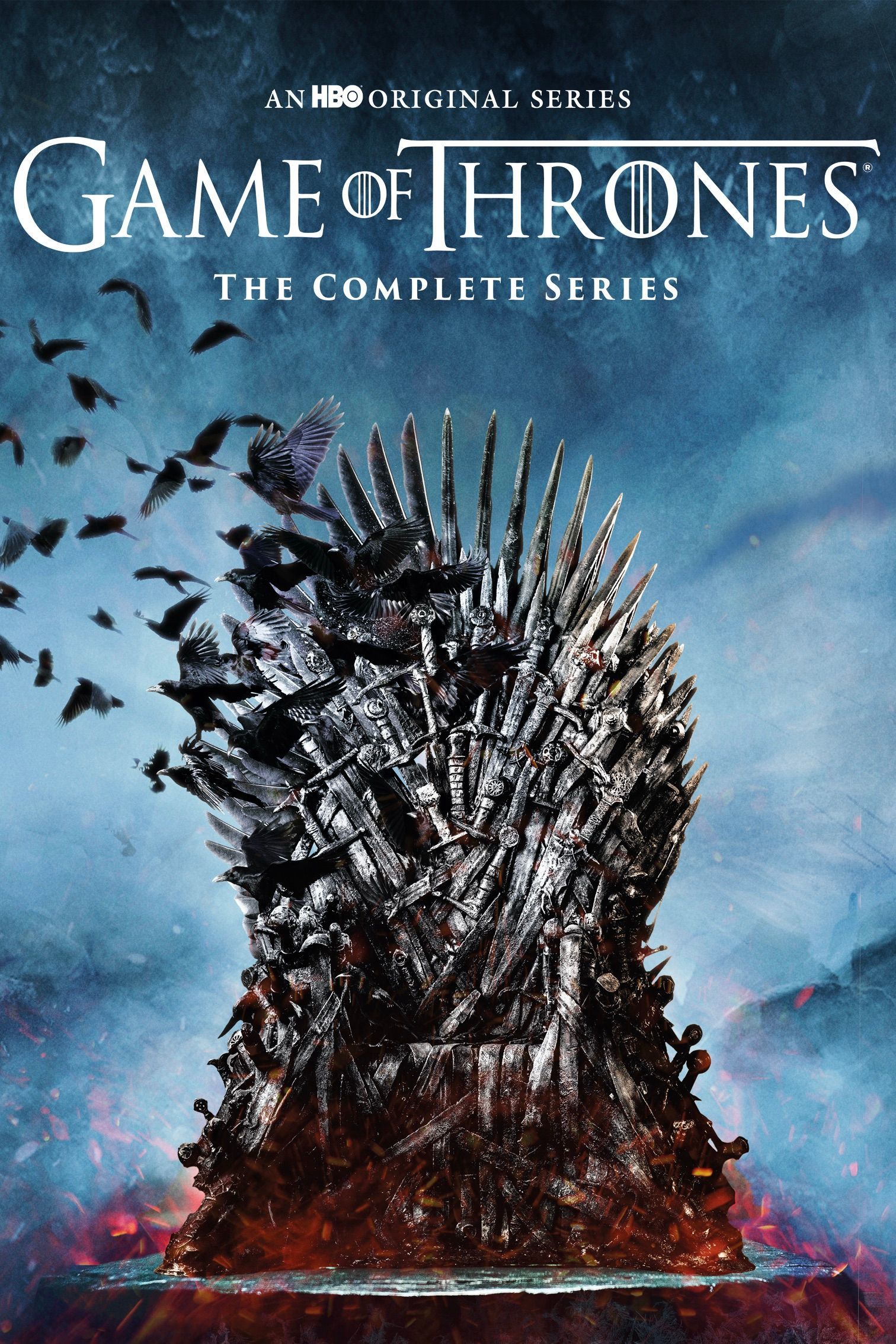
The immense success of the novel sequence led to HBO acquiring the television adaptation rights. Titled Game of Thrones (omitting the initial article "A" to represent the series as a whole), the television adaptation premiered in April 2011. Created by David Benioff and D.B. Weiss, Season 1 adapted the events of the first novel with high fidelity. The show ran for eight seasons through 2019, growing into a global television phenomenon that won 59 Primetime Emmy Awards.
Beyond television, the novel has been adapted into:
- Graphic Novels: A multi-volume comic book adaptation scripted by Daniel Abraham with art by Tommy Patterson.
- Tabletop & Strategy Games: Official board games, collectible card games, and tabletop roleplaying games developed by publishers such as Fantasy Flight Games.
- Prequel Works: Related books set in the same world, including A Knight of the Seven Kingdoms (collecting the Tales of Dunk and Egg novellas) and the fictional history book Fire & Blood, which serves as the source material for the HBO adaptation House of the Dragon.
Recommended Entry Points for New Readers
Navigating the extensive body of work surrounding George R.R. Martin's fantasy universe can present challenges for newcomers. Understanding where to begin depends on your primary reading interest:
- START HERE
- MAIN NARRATIVE PATH (Published Order)
- A Game of Thrones
- A Clash of Kings
- A Storm of Swords
- A Feast for Crows
- A Dance with Dragons
- HISTORICAL/PREQUEL PATH (Chronological Lore)
- Fire & Blood
- A Knight of the 7 Kingdoms
- A Game of Thrones
- (Main Sequence)
- MAIN NARRATIVE PATH (Published Order)
- The Pure Main Sequence Approach (Recommended): Begin directly with the 1996 novel A Game of Thrones and read through the five published core novels in publication order. This preserves all narrative reveals, dramatic tension, and character introductions as Martin intended.
- The Historical/Chronological Approach: Readers interested in the deep lore and centuries of Targaryen history can read Fire & Blood or A Knight of the Seven Kingdoms first. However, these companion books contain historical references that are best appreciated after reading the main series.
Common Mistakes to Avoid
- Skipping Book 1 after watching Season 1 of the TV Show: While Season 1 is a faithful adaptation, the novel contains extensive inner monologues, historical backstories, foreshadowing, and world-building details omitted from television.
- Confusing Prequels with Core Sequels: Works like Fire & Blood are written as fake-history textbooks rather than point-of-view novels. Make sure to distinguish between core narrative novels and secondary reference material.
Frequently Asked Questions
Is A Game of Thrones the first book in the series?
Yes. A Game of Thrones is the first novel in George R.R. Martin's epic fantasy series titled A Song of Ice and Fire. The television adaptation adapted the title of this first book for the entire TV show.
How closely does Season 1 of the HBO show follow the book?
Season 1 of HBO's Game of Thrones follows the plot of the first novel very closely, matching major character arcs, dialogue, and plot twists. However, the book includes deeper internal monologues, historic lore, and minor characters that were streamlined or altered for the television budget and runtime.
Can A Game of Thrones be read as a standalone novel?
While A Game of Thrones has a definitive climax for its primary character arcs, it is not a standalone novel. Major storylines—such as the War of the Five Kings, Jon Snow's defense of the Wall, and Daenerys Targaryen's campaign in Essos—continue directly into the second book, A Clash of Kings.
What real-world history inspired A Game of Thrones?
George R.R. Martin drew heavy inspiration from medieval European history. The core conflict between House Stark and House Lannister is loosely based on the English Wars of the Roses fought between the House of York and the House of Lancaster. The Wall is directly inspired by Hadrian's Wall in Scotland, built by the Roman Empire.
Who are the viewpoint characters in the first book?
There are eight main point-of-view (POV) characters in A Game of Thrones: Eddard Stark, Catelyn Stark, Sansa Stark, Arya Stark, Bran Stark, Jon Snow, Tyrion Lannister, and Daenerys Targaryen. Additionally, the book features a Prologue told from the perspective of Will, a ranger of the Night's Watch.
Next Steps for New Readers and Fans
If you are planning to read A Game of Thrones or deepen your engagement with the franchise, follow these actionable steps to maximize your reading experience:
- Acquire an Unabridged Text: Select either the standard paperback edition or the official digital e-book version of A Game of Thrones (published by Bantam Books). Avoid truncated or abridged media adaptations.
- Consult the Appendix and Maps: Use the maps printed in the front of the book and the genealogical house appendix in the back. Referring to these references frequently will help you track character movements across Westeros and remember family connections.
- Maintain Publication Order: Proceed directly from A Game of Thrones to A Clash of Kings before exploring companion material like Fire & Blood or The World of Ice & Fire. Reading in publication order ensures that narrative reveals and character developments unfold naturally.