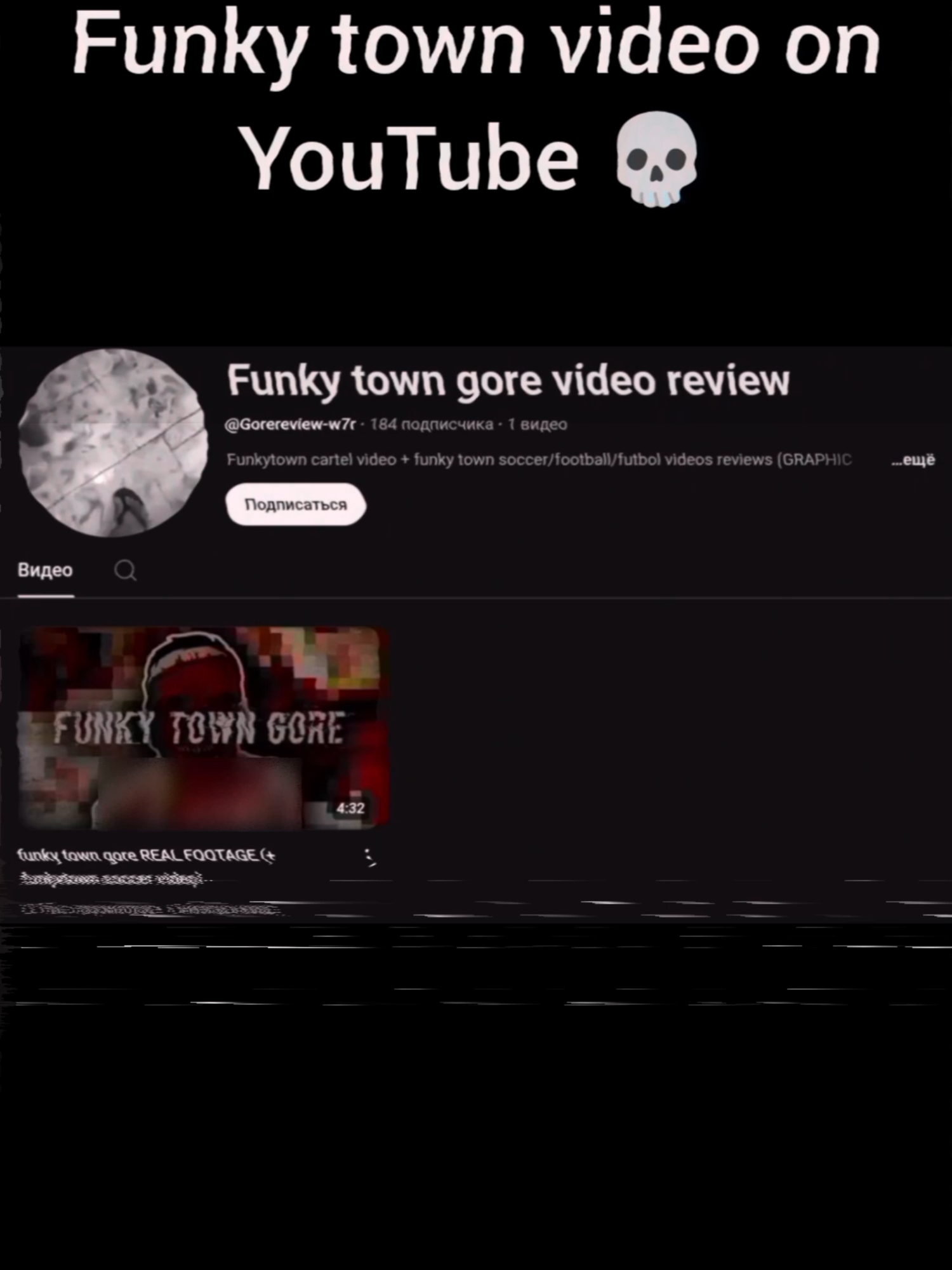
Disambiguation Note: This article examines the digital phenomenon, content moderation challenges, and cybersecurity implications surrounding the historical search term "funkytown mexico video." It does not host, link to, or promote any graphic media.
The search query "funkytown mexico video" remains one of the most infamous legacy terms in internet culture. Originating from early file-sharing forums and shock-site eras, the phrase points to a piece of extremely graphic cartel violence set to the 1979 disco track "Funkytown" by Lipps Inc. In 2026, understanding why this phrase persists in search trends requires a careful look at digital forensics, platform governance, secondary trauma, and the psychological impact of exposure to cyber-deviant material. Navigating this term safely demands an awareness of internet history, cybersecurity risks, and modern content filtering protocols designed to protect users from severe online harms.
The Origins and Digital Evolution of Shock Media Terminology
To understand how a specific video gains enduring search interest, one must examine the evolution of internet infrastructure and forum culture. During the mid-2000s and early 2010s, loose-moderation imageboards, gore aggregation sites, and peer-to-peer networks allowed illicit content to spread rapidly across international borders.
The associated media item gained notoriety due to the shocking juxtaposition of upbeat disco music against extreme violence perpetrated by organized crime groups in Mexico. Over the years, the physical file became a focal point for internet urban legends, creepypasta references, and morbid curiosity.
By 2026, platforms utilize advanced automated hashing technologies—such as PhotoDNA and video fingerprinting databases—to eradicate these files instantly upon upload. However, the text string itself persists in search engines due to historical forum chatter, Reddit retrospectives, and deep-web lore videos.
Understanding the mechanics of how search engines handle such queries reveals a constant battle between indexing historical phenomena and suppressing harmful material.
Cybersecurity Risks Associated with "Gore" and Shock Site Queries
Searching for prohibited or legacy shock media exposes users to significant digital security threats. Malicious actors frequently exploit morbid curiosity by creating deceptive landing pages, torrent links, and streaming sites optimized for high-traffic, controversial search terms.
- Drive-by Malware and Exploits: Unverified websites offering access to rare or banned internet videos often harbor zero-day exploits, trojans, and ransomware payloads designed to compromise consumer operating systems.
- Phishing and Credential Harvesting: Many pages mimicking archive forums or video repositories use forced login prompts to steal user credentials or financial information.
- Malvertising Networks: Advertising networks operating on shady shock-site domains frequently redirect users to aggressive adware or fraudulent tech-support scams.
Deploying robust endpoint protection, keeping browsers updated to 2026 security patches, and understanding safe search hygiene are essential defenses against these digital threats.
Content Moderation Standards and Algorithmic Filtering in 2026
Modern trust and safety teams operate under stringent international frameworks to suppress severe graphic violence. In 2026, artificial intelligence and multimodal content analysis models scan text, audio, and visual patterns in real-time, preventing the propagation of traumatic material.
| Moderation Layer | Primary Technology | Enforcement Mechanism in 2026 |
|---|---|---|
| Perceptual Hashing | Cryptographic Video Fingerprints | Instantly blocks known illegal files across cloud storage and social networks. |
| Natural Language Processing | Large Language Models (LLMs) | Detects search queries and forum posts attempting to circumvent bans using slang or misspellings. |
| Behavioral Analysis | Heuristic Monitoring | Identifies coordinated attempts to resurrect shock sites or share mirror links. |
| Human Oversight | Global Trust & Safety Units | Reviews edge cases, cultural context, and educational discourse exceptions. |
These multilayered defenses ensure that search engines redirect users toward educational, psychological, or historical resources rather than the raw media itself.
Psychological Impact and the Danger of Morbid Curiosity
The psychological consequences of viewing extreme graphic violence are well-documented by clinical psychologists and trauma researchers. Exposure to unedited gore can trigger acute stress reactions, secondary post-traumatic stress disorder (PTSD), and intrusive thoughts.
Clinical Insight: Viewing simulated or real extreme violence bypasses standard cognitive filters, depositing disturbing imagery into long-term memory banks where it can cause persistent anxiety and sleep disturbances.
Minors and young adults browsing unmoderated corners of the web are particularly vulnerable. Digital literacy programs in 2026 emphasize the importance of digital hygiene—teaching users how to recognize unsafe search queries, avoid curiosity traps, and protect their mental well-being from toxic online content.
Frequently Asked Questions
What is the "funkytown mexico video"?
The "funkytown mexico video" is a notorious piece of historical shock media depicting extreme cartel violence set to a popular 1979 song, which gained infamy on early internet forums. The original media is widely banned and aggressively scrubbed by modern content moderators.
Is the video still accessible online?
No, legitimate mainstream platforms, search engines, and cloud storage providers actively block and remove the file using automated fingerprinting and hashing technologies. Most links claiming to host the video lead to malware, phishing scams, or dead ends.
Why does the search term still trend?
The term persists due to internet lore, retrospective video essays on YouTube and TikTok, and morbid curiosity driven by urban legends discussed on forums like Reddit.
What are the risks of searching for this term?
Searching for unverified shock media significantly increases the risk of downloading malware, encountering adware, and exposing oneself to distressing, psychologically harmful imagery.
How do modern platforms block this content?
Platforms utilize multimodal AI models, perceptual hashing tools like PhotoDNA, and strict trust and safety policies to detect and eliminate graphic material before it can be indexed or viewed.
Safe Navigation and Digital Responsibility Moving Forward
Engaging safely with internet history requires an understanding of what lies behind sensationalized search queries. Rather than pursuing unverified files associated with historical shock sites, users are encouraged to explore legitimate documentary resources, cybersecurity awareness programs, and digital forensics analyses that examine how internet culture manages dangerous content. Protecting personal devices from malware and safeguarding mental health from unnecessary trauma remain paramount priorities for every internet user.