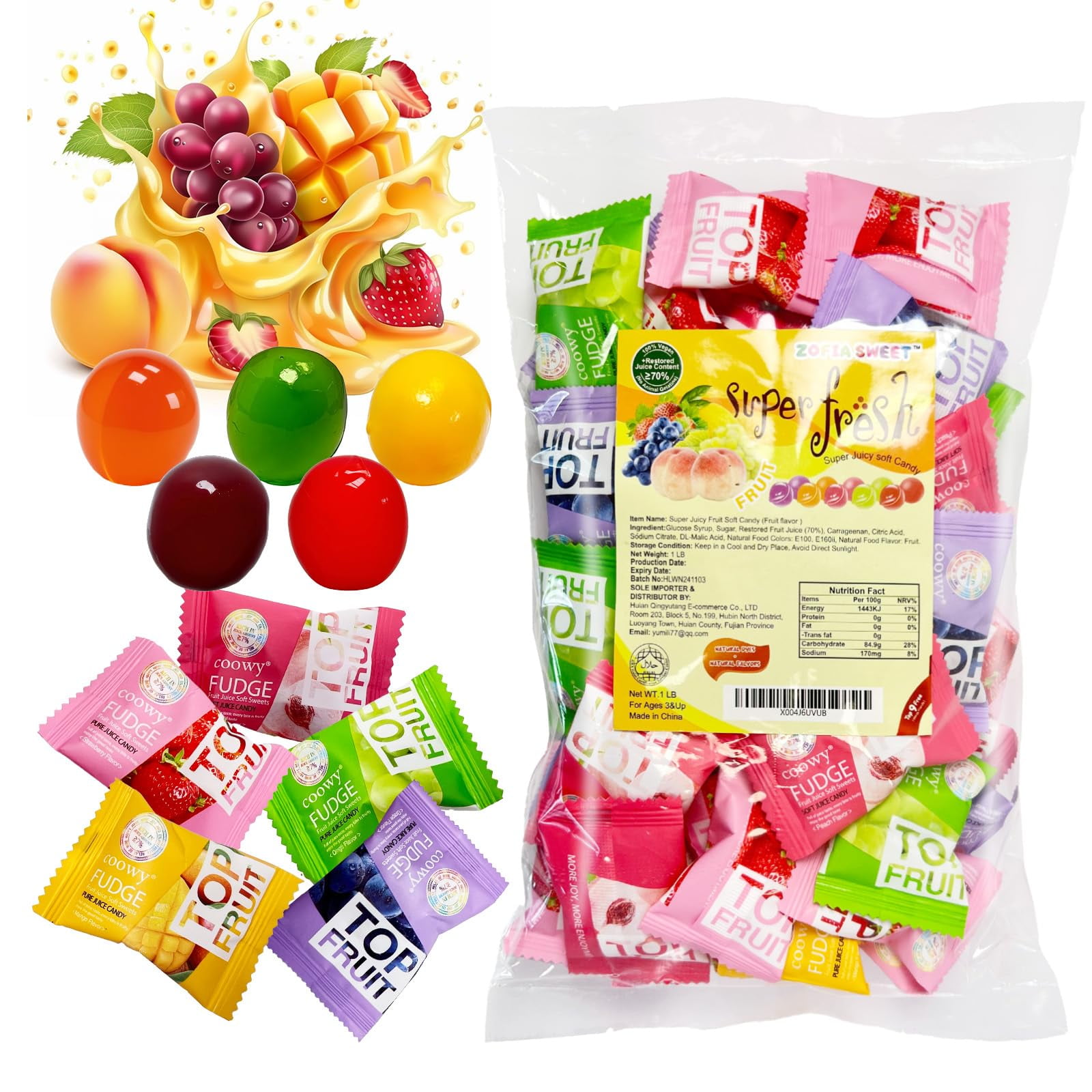
Fruit gummies are chewy, fruit-flavored confections primarily composed of sugar, glucose syrup, and gelling agents like gelatin or pectin. Often enriched with fruit juice concentrates and citric acid, these snacks are defined by their elastic texture and vibrant flavors. In 2026, the category includes diverse vegan, low-sugar, and functional varieties.
The Evolution and Varieties of the Fruit Gummy
While often appearing in search queries as "fuit gummy" due to common typographical errors, the fruit gummy has evolved from a simple starch-based confection into a multi-billion dollar global industry. Historically, the lineage of the gummy snack can be traced back to the early 20th century, but the modern iteration focuses heavily on "real fruit" content and "clean label" ingredients.
In 2026, the variety available to consumers is vast. We categorize these snacks primarily by their gelling agent and their nutritional intent. Traditional gummies use animal-derived gelatin, providing a signature "bounce" and melt-in-the-mouth quality. However, the rise of plant-based diets has propelled pectin-based and agar-agar-based gummies into the mainstream. These alternatives offer a different "bite"—often cleaner and less elastic—but are essential for vegan and kosher or halal consumers.
Beyond texture, the market is segmented by flavor profiles. While classics like cherry, orange, and lemon remain staples, the 2026 market sees a surge in botanical and exotic infusions. Consumers now frequently encounter combinations such as yuzu and ginger, hibiscus and pomegranate, or dragon fruit and lime. This shift reflects a more sophisticated palate and a desire for snacks that feel more like a culinary experience than a simple sugar hit.
Understanding the Core Ingredients and Gelling Agents
The physical properties of a fruit gummy—its clarity, chewiness, and shelf stability—are dictated by its chemical composition. Understanding these ingredients is crucial for both consumers looking for specific dietary requirements and enthusiasts interested in food science.
Gelling Agents: The Structural Foundation
The most critical component of any gummy is the hydrocolloid, or gelling agent.
- Gelatin: Derived from animal collagen, gelatin is a protein that forms a thermo-reversible gel. This means it melts at body temperature, contributing to the "flavor release" that many find superior. Gelatin is rated by "Bloom strength," which measures the firmness of the gel; most gummies use a high Bloom (200–250) to ensure they hold their shape at room temperature.
- Pectin: Sourced from citrus peels or apple pomace, pectin is a polysaccharide. Unlike gelatin, it requires a specific balance of sugar and acid (pH) to set. Pectin gummies have a shorter, more brittle texture and a higher melting point, making them ideal for shipping in warmer climates.
- Agar-Agar: Derived from seaweed, agar is a powerful gelling agent used in many Asian-style fruit jellies. It provides a very firm, almost crunchy texture compared to the elastic feel of gelatin.
Sweeteners and Bulking Agents
Sugar does more than provide sweetness; it acts as a humectant (retaining moisture) and a preservative. In 2026, many manufacturers have transitioned to "allulose" or "monk fruit" to reduce glycemic impact without sacrificing the structural integrity of the gummy. Traditional recipes still rely on a blend of sucrose (table sugar) and glucose syrup (corn or wheat-derived). The glucose syrup prevents the sucrose from crystallizing, ensuring the gummy remains transparent and smooth rather than grainy.
Acids and Flavorings
Citric acid, malic acid, and tartaric acid are the unsung heroes of the fruit gummy. They provide the "tang" that mimics real fruit and help regulate the pH for gelling. In terms of flavoring, there is a distinct move away from artificial esters toward fruit juice concentrates and natural extracts. This alignment with "Clean Label" standards is a primary driver of purchasing decisions in the current year.
The Step-by-Step Gummy Manufacturing Process
The production of fruit gummies at scale is a feat of precision engineering, primarily utilizing a system known as the Mogul Process. This process allows for the mass production of consistent shapes and textures.
- Slurry Preparation: The process begins in large industrial cookers where sugars, water, and gelling agents are heated. The temperature must be carefully controlled—if the mixture is too hot, the gelatin may degrade; if too cool, it won't flow properly.
- Flavoring and Coloring: Once the base slurry (often called the "mass") reaches the correct Brix level (sugar concentration), flavors, acids, and colors are injected. This happens late in the process to prevent the volatile flavor compounds from evaporating.
- Starch Molding: The "Mogul" machine fills wooden or plastic trays with food-grade cornstarch. A mold board with the desired shapes (bears, rings, fruit slices) is pressed into the starch, creating indentations.
- Depositing: Precise nozzles deposit the liquid gummy mass into the starch indentations. The starch serves two purposes: it holds the shape of the liquid and absorbs excess moisture from the surface of the gummy.
- Curing (Drying): The trays are moved to a temperature and humidity-controlled room for 24 to 72 hours. During this time, the gummies set and reach their final moisture content (typically around 15–18%).
- De-molding and Polishing: The gummies are tumbled to remove excess starch. They are then coated in a "polishing agent," usually a blend of carnauba wax and vegetable oil, to give them a glossy finish and prevent them from sticking together in the bag.
Comparison of Common Gelling Agents in 2026
The choice of gelling agent affects everything from the target demographic to the product's carbon footprint. The following table compares the three most common agents used in the industry today.
| Feature | Gelatin (Animal-Based) | Pectin (Fruit-Based) | Agar-Agar (Seaweed-Based) |
|---|---|---|---|
| Texture | Chewy, elastic, bouncy | Soft, jelly-like, "short" bite | Firm, brittle, non-elastic |
| Melting Point | Low (~35°C / 95°F) | High (~90°C / 194°F) | Very High (~85°C / 185°F) |
| Dietary Status | Not Vegan/Vegetarian | Vegan/Vegetarian Friendly | Vegan/Vegetarian Friendly |
| Clarity | High (Transparent) | Moderate (Slightly opaque) | Moderate to High |
| Setting Time | Slow (Requires cooling) | Rapid (Sets as it cools) | Fast (Sets at room temp) |
| Primary Source | Porcine or Bovine skin/bone | Citrus peels, apples | Red Algae |
Nutritional Analysis: Balancing Flavor and Health
As we navigate 2026, the nutritional profile of the fruit gummy is under intense scrutiny. While traditionally viewed as "empty calories," the segment of functional fruit gummies has grown exponentially. These are products where the gummy format is used as a delivery system for vitamins, minerals, and probiotics.
Sugar Content and Alternatives
A standard 40g serving of traditional fruit gummies can contain up to 20-25g of sugar. To combat this, brands are using prebiotic fibers like chicory root (inulin) or polydextrose. These fibers provide the necessary bulk and texture of sugar with a fraction of the calories and a lower insulin response. However, consumers should be wary of sugar alcohols (like maltitol or sorbitol), which can cause gastrointestinal distress if consumed in large quantities.
Fortification
Many fruit gummies are now fortified with Vitamin C, Zinc, or Elderberry extract. Because the gummy manufacturing process involves heat, manufacturers must use "overages"—adding more of the vitamin than listed on the label—to account for degradation during cooking. This ensures that by the time the consumer eats the product, the vitamin levels match the nutritional facts panel.
Artificial vs. Natural Ingredients
The FDA and international food safety bodies have strictly regulated food dyes and flavorings. In 2026, most premium fruit gummies utilize "coloring foods"—concentrates from spirulina, black carrot, turmeric, and beetroot—rather than synthetic dyes like Red 40 or Yellow 5. This shift is driven by consumer demand for transparency and a perceived link between synthetic dyes and behavioral issues in children.
Market Trends and Innovations in 2026
The gummy industry is not stagnant. Several key trends are defining the landscape this year:
- Sustainability in Sourcing: Consumers are increasingly asking where their gelatin comes from. This has led to the rise of "certified grass-fed" or "sustainably sourced" gelatin. Additionally, compostable packaging made from cellulose or seaweed-based films is becoming a standard for eco-conscious brands.
- 3D Printed Gummies: High-end confectioners are now using 3D food printers to create intricate, personalized gummy shapes for events and personalized nutrition. This allows for specific nutrient dosing tailored to an individual's blood work or dietary needs.
- Starch-Free Depositing: To improve hygiene and efficiency, some newer factories are moving away from the Mogul process (which uses messy cornstarch) to silicone or metal molds with advanced non-stick coatings. This results in a cleaner product with zero starch residue.
- Texture Hybrids: We are seeing the rise of "dual-texture" gummies—liquid-filled centers, foam-bottomed jellies (marshmallow-gummy hybrids), and multi-layered pectin/gelatin stacks that offer different resistance levels in a single bite.
Best Practices for Storing Fruit-Based Confections
To maintain the quality of fruit gummies, environmental control is paramount. Because they are hydrocolloids, they are sensitive to both moisture and temperature.
- Temperature Control: Gelatin-based gummies will begin to soften at 30°C (86°F) and may clump together. Ideal storage is in a cool, dry place between 15°C and 20°C.
- Humidity Management: High humidity will cause gummies to absorb water from the air, becoming sticky and losing their shape. This process is known as "sweating." Conversely, very dry environments can cause the moisture inside the gummy to evaporate, leading to a hard, "stale" texture.
- Air Exposure: Oxidation can dull the vibrant colors of natural fruit extracts. Always keep gummies in an airtight container or a resealable bag once opened.
- Avoid Light: Direct sunlight can break down the molecular bonds in both the gelling agent and the natural colors, leading to a bleached appearance and a rubbery texture.
FAQ
Are fruit gummies vegan?
Not all fruit gummies are vegan. Traditional gummies use gelatin, which is an animal byproduct. To find vegan options, look for products that specify the use of pectin, agar-agar, or carrageenan as the gelling agent. Always check the label for "Beeswax" or "Shellac" (used for glazing), as these are also animal-derived.
How long do fruit gummies stay fresh?
When stored in an airtight container in a cool, dry place, most fruit gummies have a shelf life of 12 to 18 months. Over time, they may become harder as moisture evaporates, but they remain safe to eat unless they develop an off-smell or visible mold (which is rare due to the high sugar content).
Why do some gummies have a white powder on them?
This is usually cornstarch left over from the manufacturing process (the Mogul process). In some cases, it may be a dusting of citric acid and sugar (sour sanding) intended to provide a tart flavor profile and prevent the gummies from sticking together.
Can I make fruit gummies at home?
Yes, fruit gummies are relatively easy to make using fruit juice, a sweetener, and unflavored gelatin or pectin. The key is to bloom the gelatin in cold liquid first before heating it gently to dissolve. Homemade gummies typically lack the preservatives and specific moisture control of industrial versions, so they should be stored in the refrigerator and consumed within two weeks.
What is the "Bloom" of a gummy?
Bloom refers to the strength and stiffness of gelatin. A higher Bloom number indicates a stronger gel. Most commercial fruit gummies use a Bloom strength between 200 and 250 to achieve that characteristic chewy texture that can withstand being handled and packaged.
Final Recommendation for Confectionery Selection
When selecting fruit gummies in 2026, prioritize products that list fruit purees or concentrates as the first or second ingredient rather than just "sugar" or "glucose syrup." This generally indicates a higher quality product with a more complex flavor profile. For those with dietary restrictions, pectin-based gummies offer a sophisticated, plant-based alternative that is increasingly indistinguishable from traditional gelatin versions in terms of flavor. If you are looking for health benefits, ensure the "functional" ingredients are backed by third-party testing to guarantee that the active compounds survived the high-heat manufacturing process.