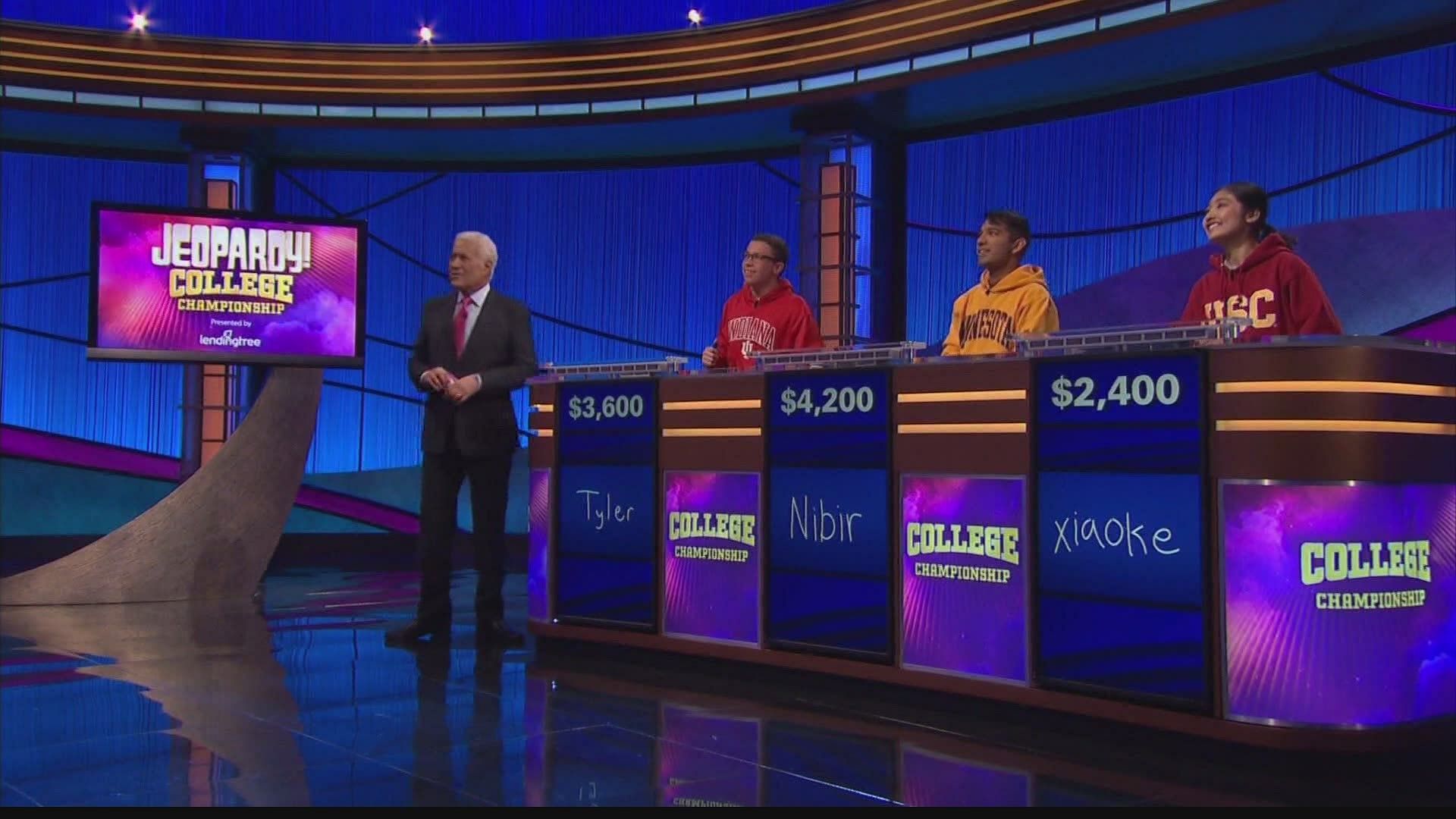
Note: This comprehensive guide focuses exclusively on the iconic television game show Jeopardy! and the definitive strategies, rules, and historical contexts surrounding its ultimate round, Final Jeopardy!.
For decades, the climax of television's premier quiz show has captivated millions. The phrase "final answer on jeopardy" invokes the tense silence of the studio, the iconic think music, and the high-stakes wagering that separates casual contestants from legendary champions. As the landscape of competitive trivia evolves through 2026, understanding the precise rules, psychological underpinnings, and strategic frameworks of Final Jeopardy! remains essential for both aspiring contestants and die-hard viewers who want to master the art of the wager.
Anatomy of the Final Clue: Mechanics and Official Rules
To understand the definitive final answer on Jeopardy!, one must first examine the structural rules established by Merv Griffin and refined across decades of syndication. Unlike the Jeopardy! and Double Jeopardy! rounds, where contestants buzz in electronically, Final Jeopardy! is a level playing field of pure written recollection and mathematical game theory.
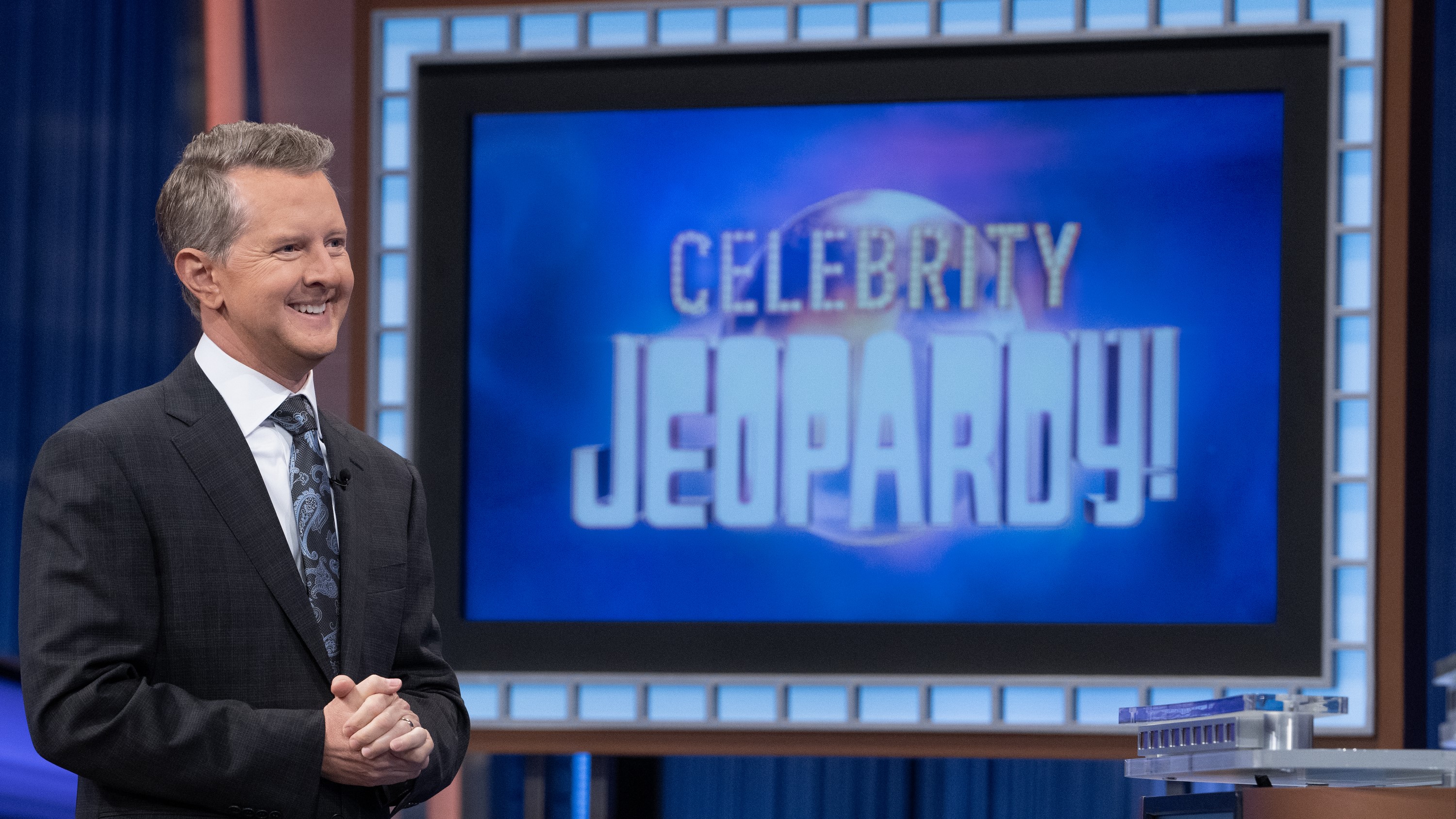
When host Ken Jennings reads the single clue, contestants have exactly 30 seconds while the iconic instrumental theme plays to write down both their response in the form of a question and their wager.
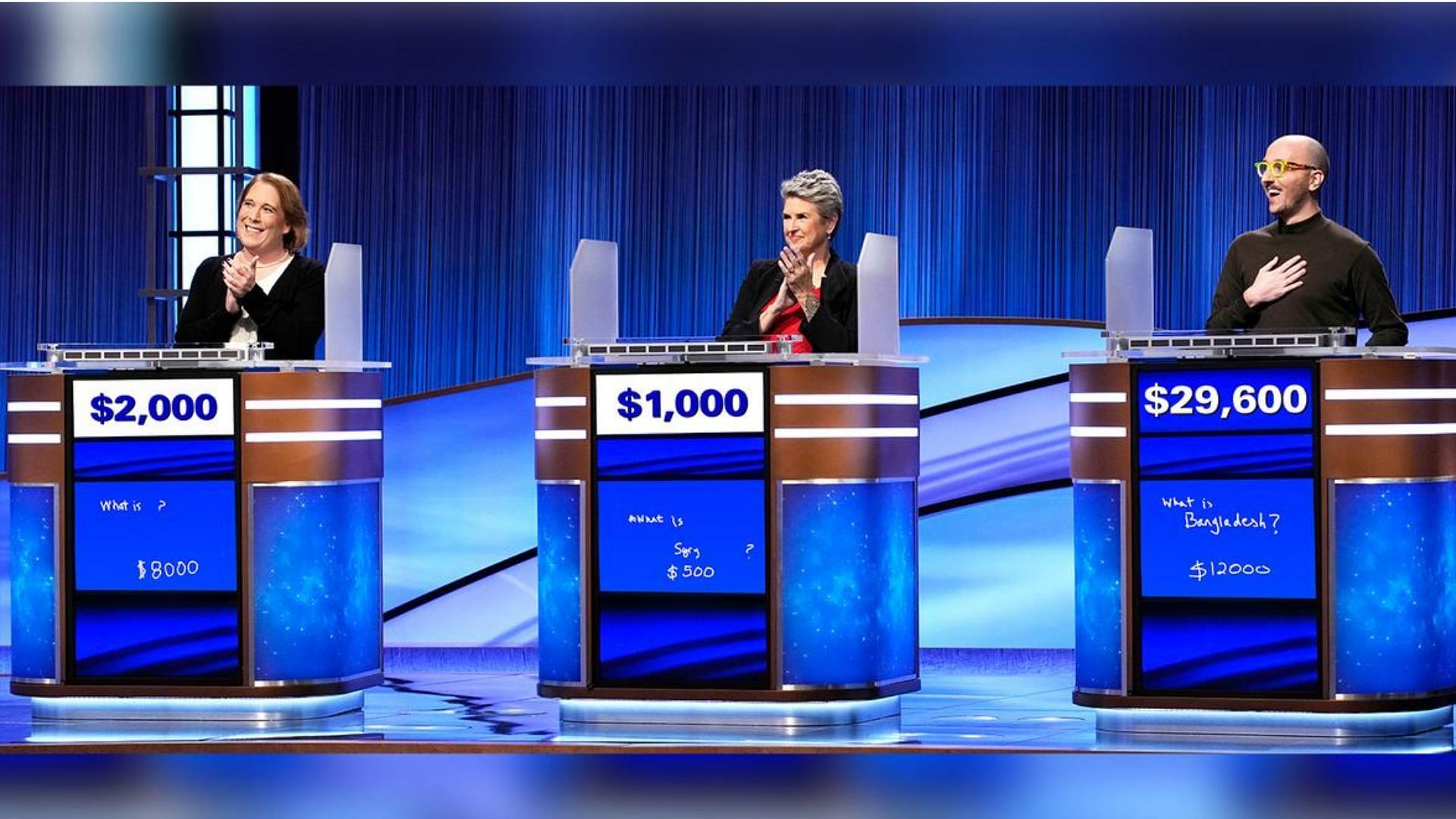
- The Written Response: The contestant must formulate their answer using a stylus on an electronic light pen tablet. Legibility is paramount; judges in the adjudication room review handwriting immediately if there is any ambiguity.
- The Form of a Question: The response must be phrased as a question (e.g., "What is..." or "Who was..."). Failing to do this results in an immediate invalidation of the response, even if the underlying fact is correct.
- Wagering Boundaries: A contestant with zero or negative dollars at the end of Double Jeopardy! is traditionally eliminated and cannot participate in Final Jeopardy!. For those remaining, wagers can range from zero dollars up to their current cumulative score.
Advanced Wagering Strategies for the Ultimate Round
The most critical component of the final segment is not merely knowing the trivia, but mastering game theory. A contestant may possess the correct final answer on Jeopardy!, but if their wager is mathematically flawed, they will lose the match. Strategic wagering dictates the outcome of elite tournaments just as much as encyclopedic knowledge.
| Scenario | Contestant Position | Optimal Wagering Strategy | Primary Risk |
|---|---|---|---|
| The Runaway Leader | In 1st place with more than double the 2nd place score. | Bet zero or a small nominal amount (e.g., $1) ensuring victory even if incorrect. | Overbetting and accidentally dropping below second place. |
| The Traditional 2nd Place | Trailing the leader, but within striking distance (less than double). | Calculate the leader's maximum possible safe bet (double their own score plus one) and bet to cover. | Getting the answer wrong while the leader also misses or bets low. |
| The Third-Place Longshot | Significantly behind both opponents. | Make a "Zero Sum" or "Cover" wager anticipating both opponents missing, or bet everything hoping for a triple stumper. | Complete financial wipeout on a missed clue. |
Common Pitfalls and Adjudication Standards
Every season brings instances where a contestant's final answer on Jeopardy! sparks intense debate among fans and judges. The standards of correctness are rigorous, enforced by a dedicated standards and practices department alongside veteran producers and researchers.
Spelling and Phrasing Tolerances
Judges generally allow for minor phonetic misspellings as long as the pronunciation is not altered. For example, writing "Magellan" as "Magellon" might be accepted, whereas missing a syllable or writing an entirely different historical figure (such as confusing Ferdinand Magellan with Vasco da Gama) results in an automatic ruling of incorrect.
The Exactness Rule
If a clue asks for a specific title, work, or scientific term, extra extraneous words can invalidate an otherwise correct response. Conversely, omitting a crucial modifier—such as leaving out a specific country name when asked for a localized landmark—will trigger the dreaded red light of incorrectness.
Historical Milestones and Modern Evolution
The cultural footprint of the final round has generated some of the most memorable moments in television history. From legendary multi-game champions like Ken Jennings and Brad Rutter to high-tech exhibitions featuring artificial intelligence systems like IBM's Watson, the ultimate round has continually adapted.
In the current era of 2026, the integration of advanced archival databases and strict digital verification ensures that clues remain airtight. Contestants train for months using simulated light pens and probability calculators, recognizing that mastering the trivia is only half the battle. The true test lies in maintaining composure while the clock ticks down and the iconic theme music signals the final moments of play.
Frequently Asked Questions
What happens if a contestant runs out of time while writing their final answer?
The electronic pen tablet stops recording input the exact second the 30-second music concludes, and whatever is written on the screen at that cutoff moment is locked in as their official submission. If the sentence is incomplete or lacks the required "Who is" or "What is" prefix, it is immediately marked incorrect.
Can a contestant bet a negative amount in Final Jeopardy!?
No, wagering is strictly limited to zero dollars up to the total cumulative cash score the contestant has amassed leading into the round. Players with zero or negative scores at the end of Double Jeopardy! are eliminated and do not participate in the final round.
How are spelling errors judged on the show?
Judges accept phonetic spellings as long as they do not change the pronunciation or suggest a completely different person, place, or thing. The ultimate standard is whether the contestant clearly demonstrates knowledge of the correct fact.
Why must responses be phrased as a question?
This formatting rule is the core gimmick established at the show's inception in 1964, where contestants are given the answer and must supply the corresponding question to maintain the unique reverse-quiz format.
Are tie games possible after Final Jeopardy!?
Yes, if two or more contestants finish with identical scores after wagering, a tie-breaker clue is administered immediately following the broadcast recording to determine who returns as the champion.
Master the Ultimate Challenge
Conquering the final phase of North America's favorite quiz show requires a blend of broad intellectual curiosity, rapid-fire cognitive retrieval, and cold, calculated risk assessment. Whether you are preparing for an audition or simply testing your wits from your living room, mastering the mechanics of the wager ensures you understand the true depth behind the final answer on Jeopardy!