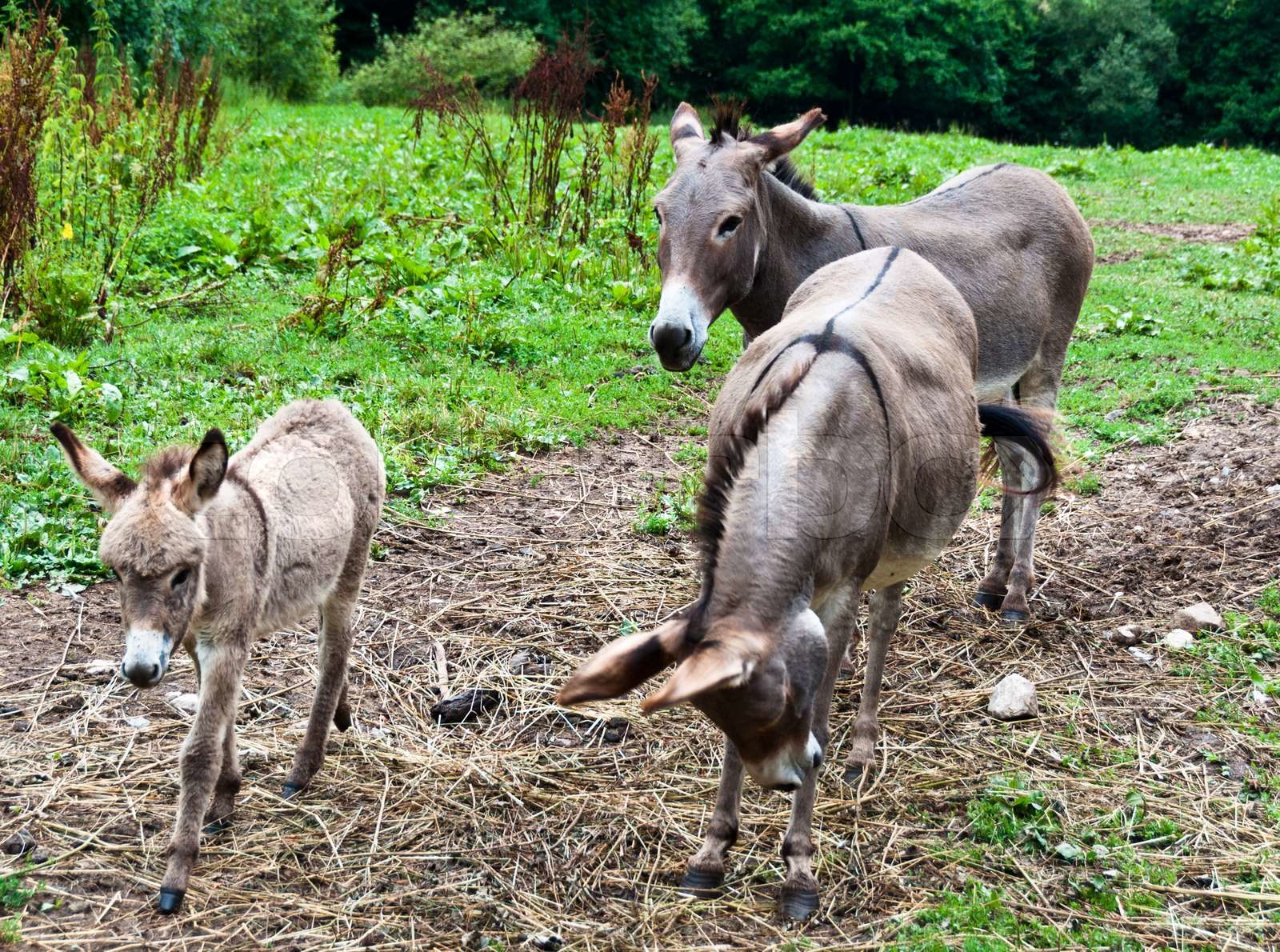
When a female horse, known as a mare, is bred with a male donkey, known as a jack, the resulting hybrid is called a mule. This specific pairing is one of the most classic examples of interspecies breeding in the animal kingdom. As equine genetics and veterinary medicine continue to advance through 2026, understanding the biological, physiological, and behavioral characteristics of mules remains essential for breeders, livestock owners, and equine enthusiasts. While horses and donkeys belong to the same family (Equidae) and genus (Equus), they possess a different number of chromosomes. This fundamental genetic distinction shapes everything from the mule's physical conformation to its legendary hybrid vigor and permanent sterility.
Genetic Framework and Chromosomal Realities of Equine Hybrids
The foundation of understanding a mule lies within its genetic architecture. Horses possess 64 chromosomes (32 pairs), while donkeys possess 62 chromosomes (31 pairs). When a mare and a jack reproduce, the resulting mule inherits 63 chromosomes. This odd number of chromosomes is the primary biological driver behind the near-universal sterility of mules. During meiosis—the process of cell division that creates sperm and egg cells—paired homologous chromosomes must line up symmetrically. Because the mule has 63 unpaired or mismatched chromosomes, gametogenesis breaks down, preventing the production of viable germ cells.
Genomic Stability and Hybrid Vigor: The unique combination of equine andasinine DNA produces a phenomenon known in modern veterinary science as heterosis, or hybrid vigor. Mules often display enhanced disease resistance, exceptional metabolic efficiency, endurance, and longevity compared to either parent species, making them uniquely adapted to rugged working environments.
Despite their genetic similarities, horses and donkeys diverged millions of years ago, resulting in distinct anatomical blueprints. The mule inherits structural traits from both sides of its lineage, creating a phenotype that blends the speed and agility of the horse with the sure-footedness and stoicism of the donkey.
Physical Conformation and Physiological Characteristics
Evaluating a mule requires an understanding of how horse and donkey traits manifest in the hybrid body. While they vary widely depending on the breed and size of the mare, standard physical markers distinguish mules from both horses and donkeys.
- Head and Ears: Mules feature longer ears inherited from the donkey, which act as natural cooling radiators in hot climates, alongside a refined head profile that often shows a straight or slightly convex bridge of the nose.
- Hooves and Limbs: The hooves of a mule are typically narrower, more upright, and possess a tougher horn wall than those of a horse. This adaptation provides superior traction on rocky and uneven terrain.
- Coat and Vocalization: While coats range across all equine colors, mules frequently display dun factors, dorsal stripes, and muted leg barring. Instead of a standard horse whinny, mules produce a characteristic vocalization that starts as a horse-like neigh and ends in a donkey-like bray.
| Trait Category | Horse (Mare) | Donkey (Jack) | Mule (Hybrid Offspring) |
|---|---|---|---|
| Chromosome Count | 64 (32 pairs) | 62 (31 pairs) | 63 (Unpaired / Sterile) |
| Ear Length | Short to moderate | Long and mobile | Intermediate to long |
| Hoof Structure | Broad, flat, lower angle | Upright, steep, narrow | Dense, upright, highly durable |
| Vocalization | Whinny / Neigh | Bray | Hybrid (Whinny transitioning to bray) |
| Temperament | Flight response dominant | Stoic, self-preservation | Cautious, intelligent, deliberate |
Behavioral Traits, Intelligence, and Training Dynamics
Beyond physical attributes, the behavioral profile of a mule sets it apart within the equine world. A common misconception paints mules as stubborn; however, modern equine behaviorists recognize this trait as a manifestation of heightened self-preservation instincts. While a horse relies heavily on a rapid flight response when startled, a mule evaluates the situation before reacting. This pause can look like stubbornness to handlers unfamiliar with equine psychology, but it actually reflects superior cognitive processing and caution.
Training a mule requires patience, consistency, and a deep understanding of positive reinforcement. Because mules remember negative experiences vividly, harsh handling or punitive training methods can permanently damage trust. Successful handlers utilize systematic desensitization and clear boundary-setting. Their high level of intelligence means they bore easily with repetitive drills, requiring varied and engaging training routines to maintain focus and willingness.
Comparative Analysis: Mule Versus Hinny
A frequent point of confusion in equine genetics involves the distinction between a mule and a hinny. While both are hybrid equids, their parentage is reversed. Understanding the differences clarifies why the cross between a female horse and a male donkey remains far more common and successful in agricultural and recreational settings.
- Parentage Contrast: A mule is the offspring of a female horse (mare) and a male donkey (jack). A hinny is the offspring of a male horse (stallion) and a female donkey (jenny).
- Size and Conformation: Mules typically grow larger and resemble the horse parent more closely because the mare's womb provides a larger gestational environment. Hinnies tend to be smaller, retaining more features of the donkey parent.
- Breeding Frequency: Mules are significantly easier to produce because mares have larger body cavities and uterine capacities than jennies, resulting in higher conception rates and fewer developmental complications during gestation.
Practical Care, Nutritional Management, and Veterinary Health
Managing the health and wellness of a mule involves specific considerations that diverge slightly from standard horse care. Their evolutionary history as desert-adapted animals means their digestive systems are exceptionally efficient at extracting nutrients from sparse forage.
- Dietary Management: Overfeeding is a primary health risk for mules. They require high-fiber, low-sugar forage (such as mature grass hay) and rarely need concentrated grains unless they are performing heavy, sustained labor. Excessive calories rapidly lead to obesity, insulin resistance, and laminitis.
- Hoof Maintenance: The dense, upright hoof of a mule requires specialized trimming to maintain proper balance. Farriers must take care not to let the heels grow too high, which places undue stress on the deep digital flexor tendons.
- Parasite Control and Vaccination: Mules require standard equine vaccination protocols for tetanus, West Nile virus, eastern and western equine encephalomyelitis, and rabies, combined with targeted fecal egg count monitoring to manage internal parasites effectively.
Frequently Asked Questions
What is the offspring of a female horse and a male donkey called?
The offspring of a female horse and a male donkey is called a mule. This hybrid combines traits from both parental species, resulting in unique physical and cognitive characteristics.
Why are almost all mules sterile?
Mules are sterile because they inherit 63 chromosomes—an odd number—from their parents (64 from the horse, 62 from the donkey). This chromosomal imbalance prevents proper pairing during meiosis, stopping the formation of viable sperm or egg cells.
Are mules more stubborn than horses?
Mules are not inherently more stubborn; rather, they possess a stronger sense of self-preservation. When faced with danger or uncertainty, a mule evaluates the situation and pauses to assess risk instead of fleeing blindly like a horse.
What is the difference between a mule and a hinny?
A mule is produced by breeding a female horse with a male donkey, whereas a hinny is produced by breeding a male horse with a female donkey. Mules are generally larger and more common due to the mare's larger gestational capacity.
How does the nutritional requirement of a mule differ from a horse?
Mules have lower metabolic caloric needs than horses and easily become overweight. They thrive on mature, high-fiber forage and rarely require high-carbohydrate grain rations.
Conclusion and Strategic Recommendations
Breeding, raising, or working with the offspring of a female horse and a male donkey requires specialized knowledge of their unique biology, temperament, and care requirements. Whether utilized for packing in rugged mountain terrain, competing in driving events, or serving as loyal companion animals, mules offer unmatched durability and intelligence when managed by knowledgeable handlers. Prospective owners must prioritize proper forage-based nutrition, patient, trust-based training methods, and specialized farrier care to ensure long-term health and optimal performance.