Navigating Fairfax land records is an essential process for property buyers, real estate agents, title examiners, and legal professionals operating in Northern Virginia. As of 2026, the Fairfax County Circuit Court Land Records Division manages millions of historical and contemporary documents, ranging from deeds and deeds of trust to plats, mechanics' liens, and financing statements. Whether you are conducting a comprehensive title search, verifying property ownership history, or filing legal instruments, understanding the digital portals, physical search terminals, and indexing standards is vital for accurate property research in Fairfax County.
Understanding the Fairfax County Land Records Infrastructure
The Fairfax County Circuit Court, located at the Fairfax County Courthouse at 4110 Chain Bridge Road, Fairfax, VA 22030, serves as the central repository for all real property transactions within the county and the independent cities of Fairfax and Falls Church. Land records are indexed chronologically and geographically, following the Virginia Land Records Cover Sheet standards.
Modern real estate due diligence relies heavily on digital infrastructure. The Fairfax County Circuit Court Clerk's Office provides online access through secure subscription and public portals, allowing users to inspect land records remotely. However, understanding the underlying legal descriptions—such as Lot, Block, Subdivision, Deed Book and Page numbers, or Instrument Numbers—remains mandatory for precise document retrieval.
Digital Access Options for Land Records Research
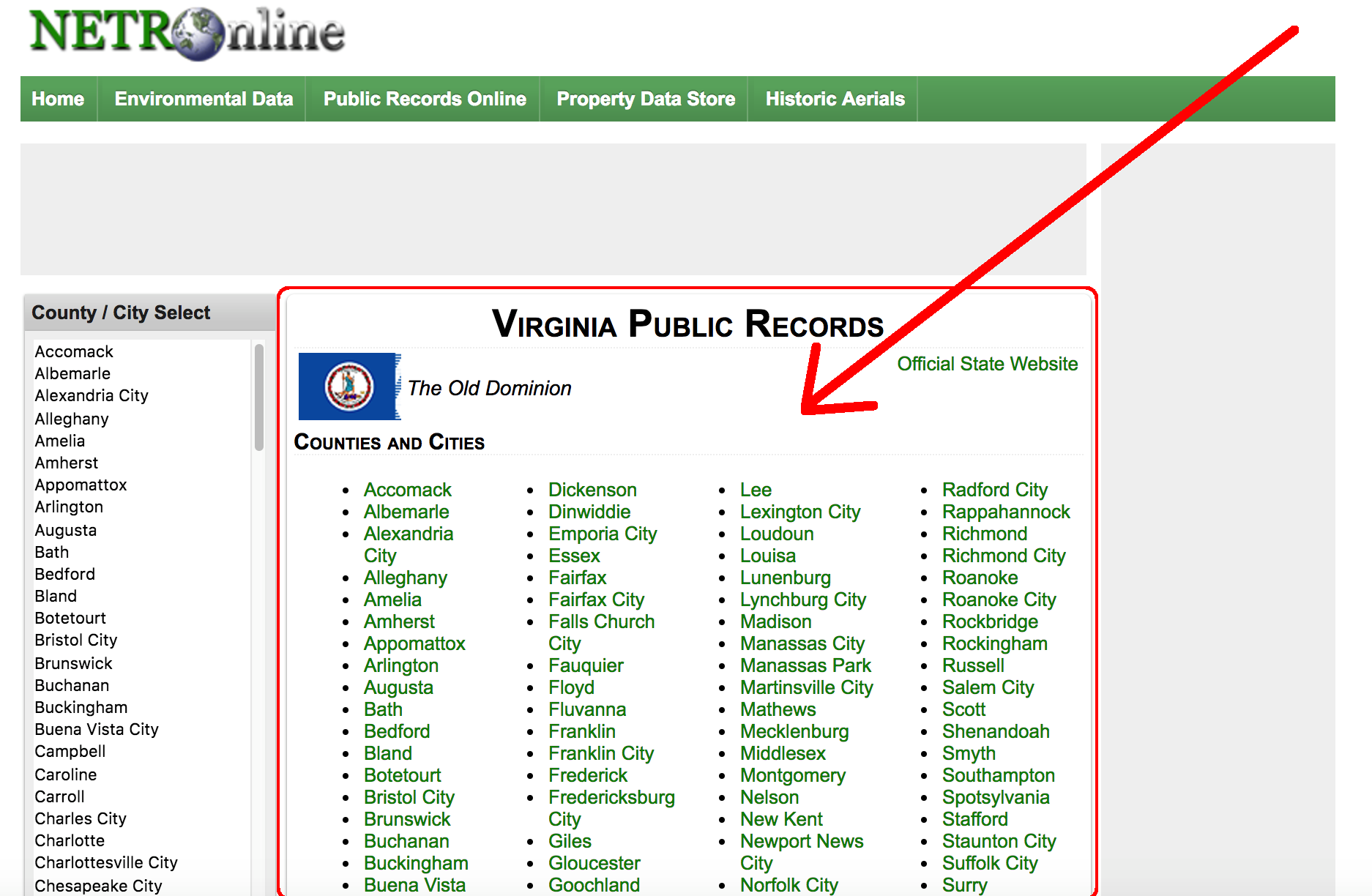
Remote access has transformed how title abstractors and homeowners interact with Fairfax land records. In 2026, users can access records through two primary pathways: the public web search portal for basic indexing data and the secure subscription service for high-resolution document imaging and bulk downloads.
- Public Online Access Portals: Ideal for occasional searches, allowing users to query grantor/grantee names, recording dates, and instrument types without specialized software.
- Secure Subscription Services: Designed for title companies and legal firms, offering continuous, high-speed access to full-text document images, certified copies, and advanced search filters.
- In-Person Public Terminals: Located in the Courthouse record room, featuring dedicated workstations, high-speed document scanners, and assistance staff for complex historical inquiries.
Step-by-Step Procedure for Conducting a Title Search in Fairfax
Performing an accurate title search requires a systematic methodology to trace the chain of title and uncover any potential encumbrances, easements, or liens attached to a parcel of real estate in Fairfax County.
- Identify the Subject Property: Obtain the current Parcel Identification Number (GPIN) from the Fairfax County Department of Tax Administration and cross-reference it with the current deed to find the active Instrument Number or Deed Book and Page reference.
- Access the Land Records System: Log into the Fairfax County Circuit Court land records portal or visit the courthouse public research terminals.
- Perform a Grantee/Grantor Search: Enter the current owner's name as the Grantee to trace how they acquired the property, then search backward chronologically to establish an unbroken chain of ownership for a minimum of 40 to 60 years.
- Examine Encumbrances and Liens: Review all active deeds of trust, judgments, mechanics' liens, homeowners association (HOA) covenants, and utility easements recorded against the property or previous owners.
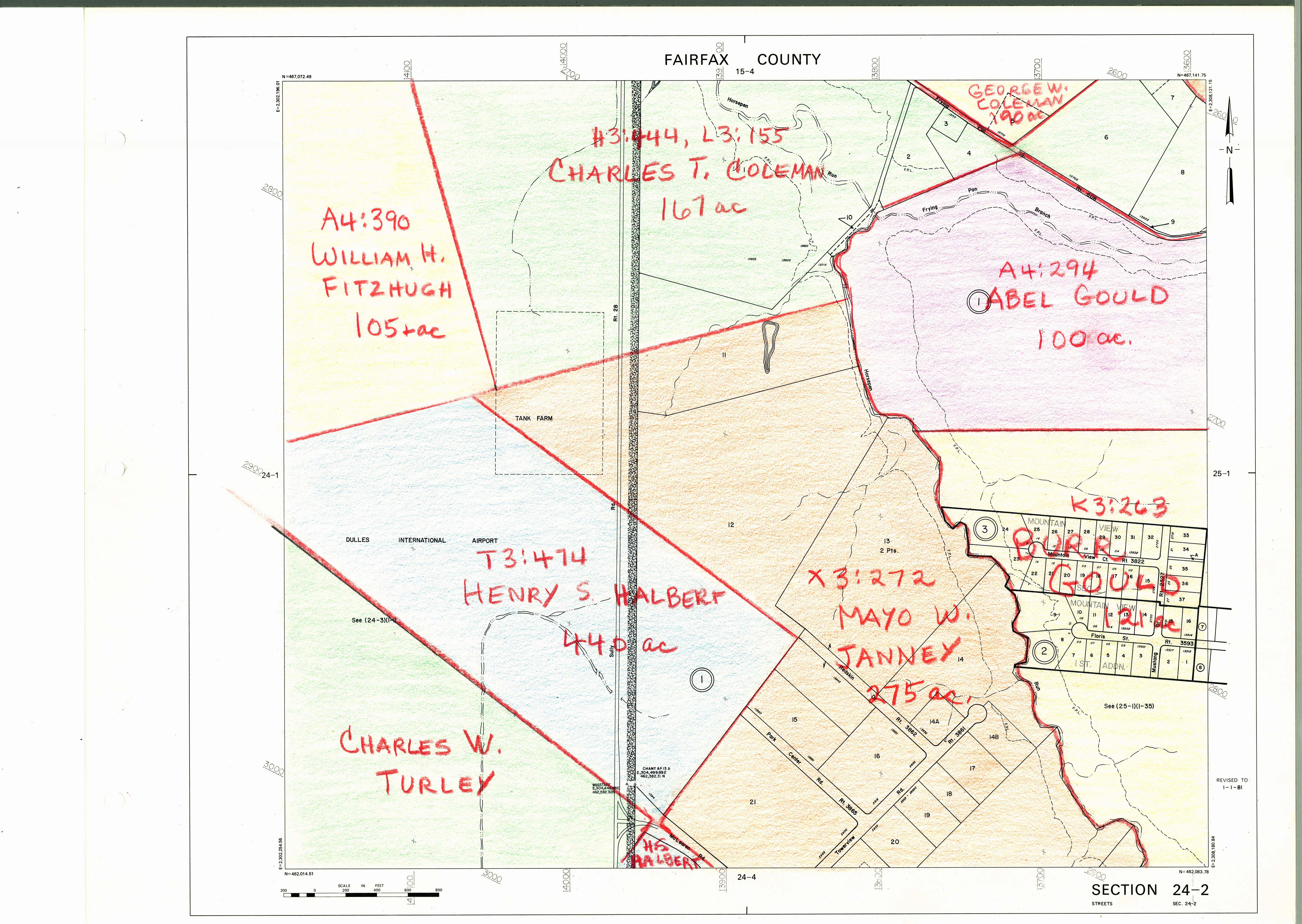
- Verify Plat and Subdivision Maps: Search the Fairfax County plat records to verify lot boundaries, easements, and right-of-way dedications associated with the recorded subdivision.
- Download and Save Certified Instruments: Export or print certified copies of all relevant documents for your permanent file or closing package.
Comparative Overview of Search Methods and Access Levels
Choosing the correct method for accessing Fairfax land records depends on the user's technical requirements, frequency of use, and need for certified documents.
| Access Method | Primary User Base | Cost Structure | Document Quality & Availability |
|---|---|---|---|
| Courthouse Public Terminals | General Public, Local Investors | Free on-site viewing; per-page fee for printing | High-resolution images, full access to historical and modern archives. |
| Standard Public Web Portal | Homeowners, Casual Researchers | Free browsing of indexes; per-page download fees | Standard digital images, basic indexing data from 1977 to present. |
| Subscription Remote Access | Title Examiners, Attorneys, Real Estate Pros | Monthly subscription fees plus per-image viewing costs | Full uncompressed document images, advanced search macros, bulk export options. |
Official Records Security Notice Data Integrity: All land records maintained by the Fairfax County Circuit Court are official legal instruments protected under Virginia law. Unauthorized alteration, falsification, or fraudulent filing of land records is a felony offense prosecuted under state statutes.
Key Document Types Found in Fairfax Land Records
When examining records in Fairfax County, researchers will encounter several standardized document types, each serving a distinct legal and financial function in real estate transactions.
- Deeds (Warranty, Quitclaim, Special Warranty): Legal instruments used to transfer ownership interest in real property from one party to another.
- Deeds of Trust: Security instruments used in Virginia instead of mortgages, pledging the real property as collateral for a promissory note.
- Certificates of Satisfaction: Recorded documents that legally release a deed of trust once the underlying mortgage debt has been completely paid off.
- Subdivision Plats and Condominium Instruments: Detailed survey maps establishing lot lines, easements, common elements, and architectural boundaries.
- Financing Statements (UCC): Notices filed under the Uniform Commercial Code regarding personal property attached to real estate, such as commercial fixtures or solar panels.
Expert Strategies and Troubleshooting Common Search Roadblocks
Navigating decades of land records can occasionally present indexing anomalies or historical ambiguities. Applying professional search strategies ensures thoroughness and prevents title defects.
- Name Variation Handling: Always account for spelling variations, maiden names, middle initials, and common abbreviations (e.g., searching both "William" and "Bill" or accounting for corporate name changes).
- Historical Book and Page Conversions: Older records prior to the computerization of the land records database utilize Book and Page numbers rather than modern Instrument Numbers. Use the Court's conversion tables when transitioning from mid-20th-century archives to digital indices.
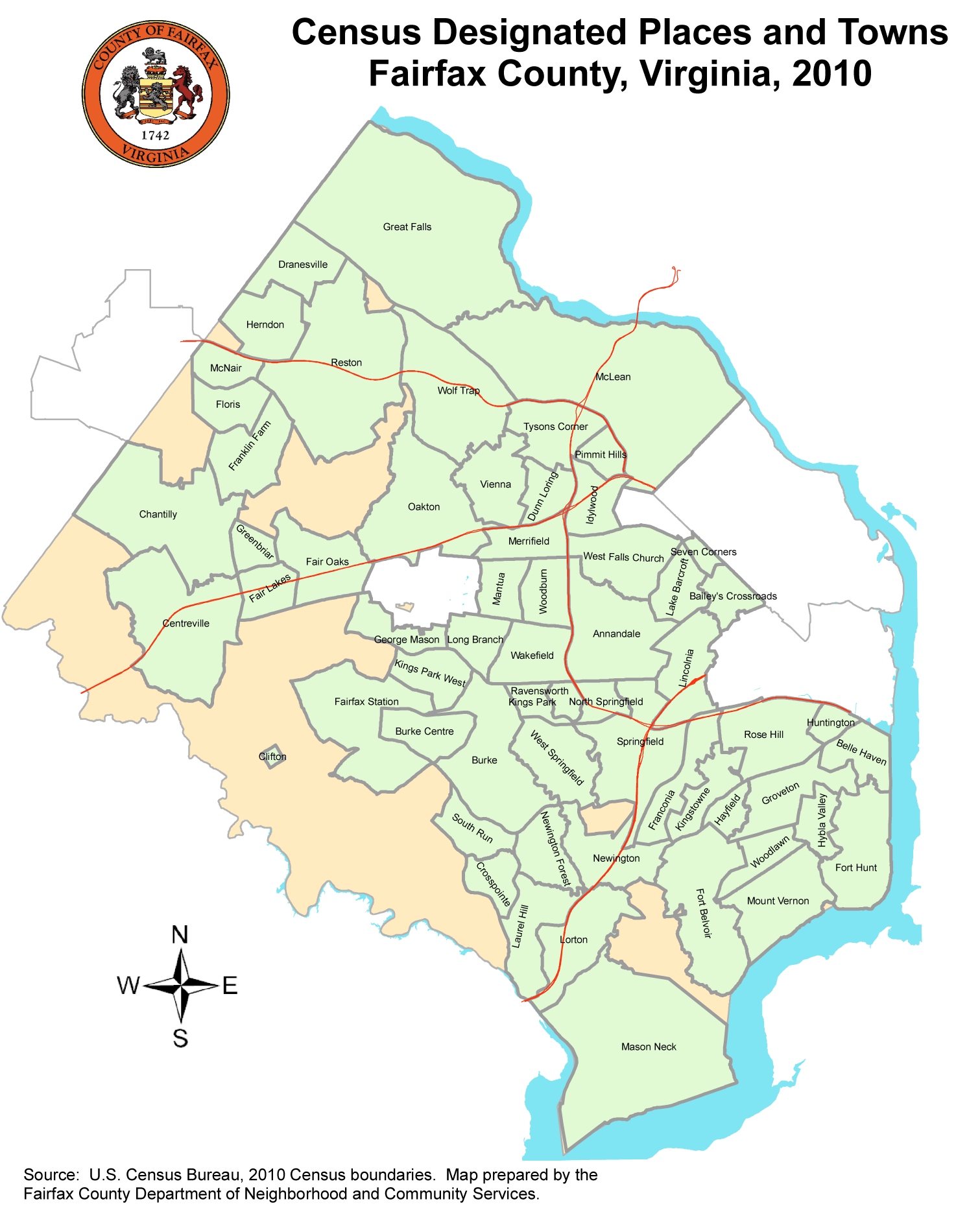
- Subdivision Name Changes: Verify historical annexations and name changes for subdivisions, particularly in rapidly developed areas like Reston, Tysons, and Centreville, to ensure all relevant encumbrances are captured.
Frequently Asked Questions About Fairfax Land Records
Can I access Fairfax land records for free online?
Yes, basic indexing information and viewing portals are accessible online through the Fairfax County Circuit Court website, though downloading certified or high-resolution unwatermarked images may incur statutory copying fees.
How far back do digital land records go in Fairfax County?
Fully indexed digital land records typically extend back to 1977, while older historical deed books, wills, and court orders require manual searching through digitized microfilm or physical books at the courthouse.
What is the difference between an Instrument Number and a Deed Book/Page?
An Instrument Number is a unique tracking number assigned to documents recorded electronically or modernly (consisting of the year and a sequential number), whereas Deed Book and Page numbers represent the traditional physical archiving system used before computerization.
Are marriage certificates and birth records stored in land records?
No, vital statistics such as birth, death, and marriage certificates are managed by the Fairfax County Circuit Court's Civil Division or the Virginia Department of Health, separate from real property land records.
How do I record a new deed in Fairfax County?
New deeds must be prepared in accordance with Virginia legal standards, accompanied by a completed Clerk's Office Cover Sheet and payment for state and local recordation taxes, and submitted either electronically through an authorized e-recording vendor or physically at the courthouse.
Streamline Your Property Research Today
To initiate your property search, verify an existing chain of title, or submit legal instruments for recording, visit the official Fairfax County Circuit Court Land Records online portal or plan a visit to the Courthouse record room in Fairfax, Virginia. Ensure compliance with all local recording statutes and fee schedules to complete your real estate transactions efficiently.