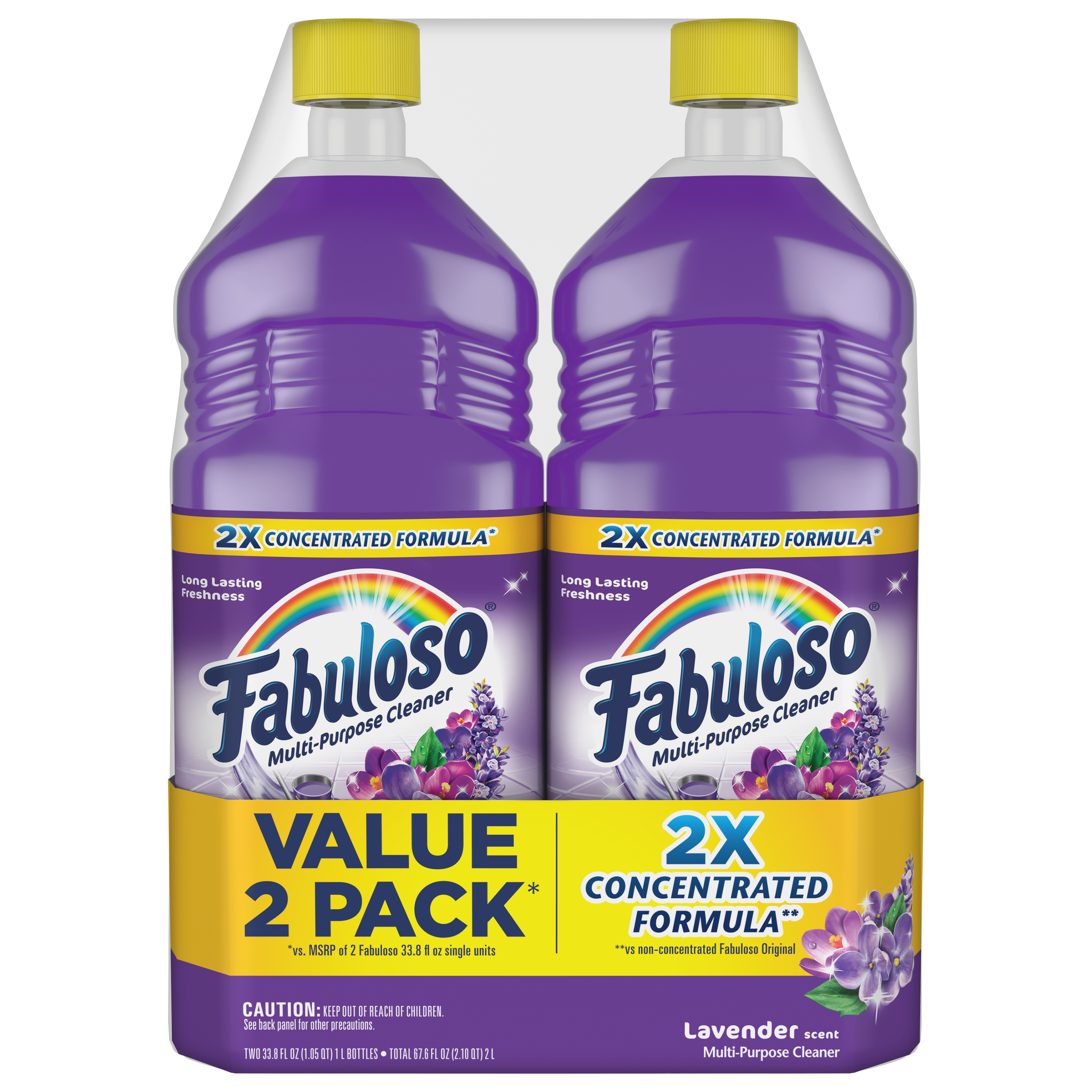
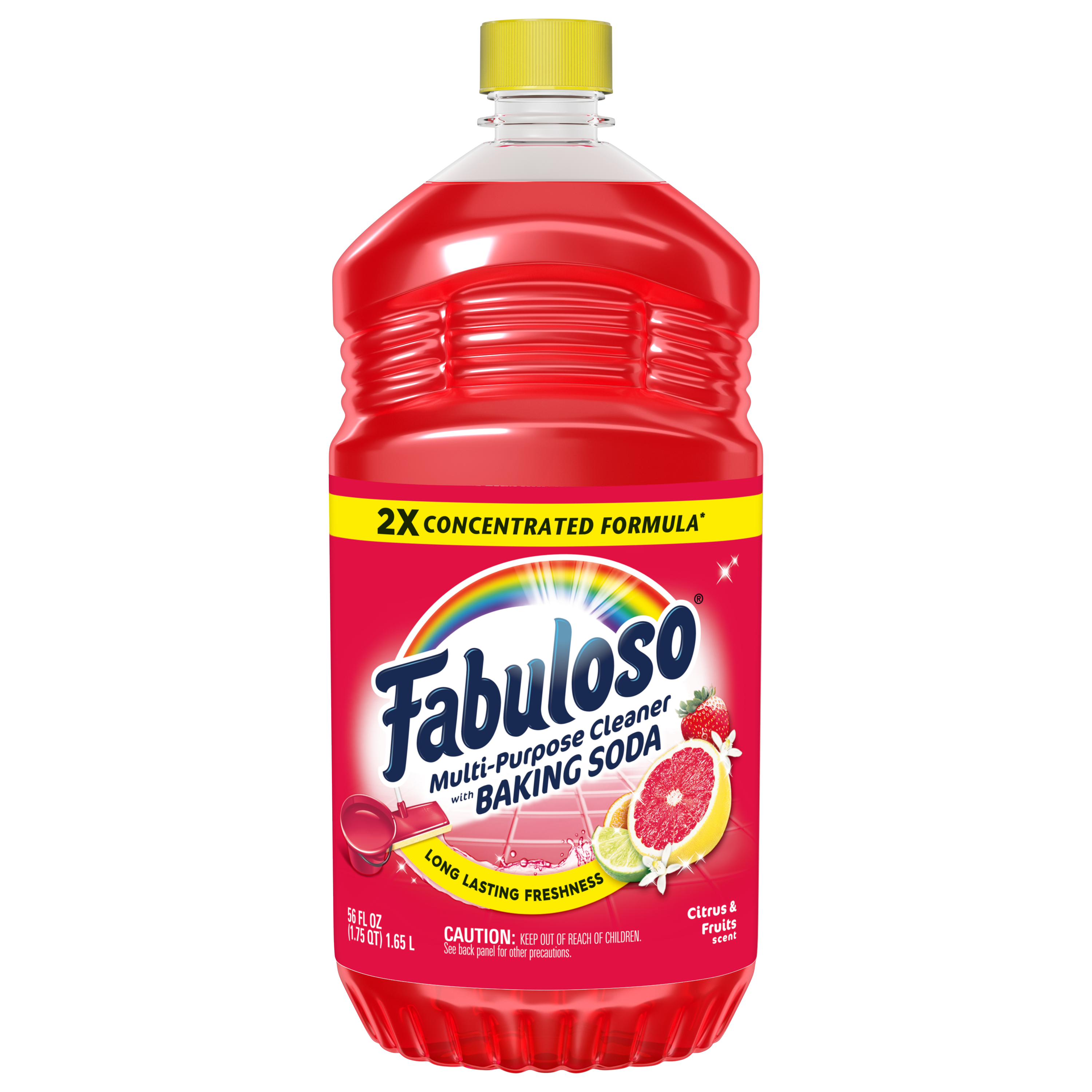
The Fabuloso recall, initially announced in February 2023 by Colgate-Palmolive, involved approximately 4.9 million units of multi-purpose cleaners due to potential bacterial contamination with Pseudomonas species. Consumers should immediately stop using affected products, verify the manufacturing lot codes, and follow official disposal and refund protocols to mitigate health risks, particularly for immunocompromised individuals.
Understanding the Scope of the Fabuloso Recall
The recall of Fabuloso multi-purpose cleaners stands as one of the most significant household product safety events in recent years. While the initial announcement occurred in early 2023, its implications for consumer safety and manufacturing standards continue to be a reference point for the industry in 2026. The recall was voluntary and conducted in cooperation with the U.S. Consumer Product Safety Commission (CPSC) and Health Canada.
Approximately 3.9 million bottles were sold in the United States, with an additional 1 million bottles distributed in Canada. The products were sold through major retailers, including Amazon, Walmart, Home Depot, Sam's Club, and Dollar General, between December 2022 and January 2023. The broad distribution network meant that the affected products reached a massive demographic, ranging from residential households to commercial cleaning services.
The recall specifically targeted products manufactured within a narrow window—from December 14, 2022, through January 23, 2023. This precision was possible because of the batch-tracking systems employed by Colgate-Palmolive, which allowed the manufacturer to isolate specific production runs where a preservative was not added in the intended amount.
The Technical Root Cause: Bacterial Contamination
The primary driver behind the Fabuloso recall was the risk of exposure to Pseudomonas bacteria, specifically Pseudomonas aeruginosa and Pseudomonas fluorescens. These are common organisms found widely in soil and water. Under normal manufacturing conditions, household cleaners contain preservatives designed to inhibit the growth of such microbes, ensuring the product remains shelf-stable and safe for use.
In the case of the recalled Fabuloso batches, a manufacturing error resulted in an insufficient quantity of these preservatives. Without an adequate antimicrobial barrier, the bacteria were able to proliferate within the liquid solution. While Pseudomonas typically does not pose a severe threat to healthy individuals, it is considered an "opportunistic pathogen." This means it can cause serious infections in people with weakened immune systems, those who use external medical devices, or individuals with underlying lung conditions.
The bacteria can enter the body through inhalation, through the eyes, or through breaks in the skin. Because multi-purpose cleaners are often aerosolized in spray bottles or used in large quantities for floor mopping, the potential for exposure is high.
How to Identify Recalled Fabuloso Products
To determine if a bottle of Fabuloso is part of the recall, consumers must check two specific pieces of information: the scent/variety of the product and the lot code. The lot code is a multi-digit number typically printed on the back of the bottle, either directly above the label or near the neck of the container.
The manufacturing dates for the affected products are between December 14, 2022, and January 23, 2023. If the first eight digits of your lot code fall within the sequences identified by the manufacturer, the product is unsafe for use.
Affected Products and UPC Codes
The following table outlines the primary varieties included in the recall. Note that this list focuses on the most widely distributed versions; consumers should always verify their specific lot code against official records.
| Product Name | Scent | Size | UPC Code (Examples) |
|---|---|---|---|
| Fabuloso Original | Lavender | 22 fl. oz. | 035000651151 |
| Fabuloso Multi-Purpose | Refreshing Lemon | 33.8 fl. oz. | 035000651212 |
| Fabuloso Multi-Purpose | Passion of Fruits | 56 fl. oz. | 035000650925 |
| Fabuloso Professional | Lavender | 1 Gallon | 035000430220 |
| Fabuloso Multi-Purpose | Ocean | 128 fl. oz. | 035000974052 |
| Fabuloso Multi-Purpose | Bleach Alternative (Spring Fresh) | 56 fl. oz. | 035000974397 |
Note: This table is not exhaustive. Various "2-pack" and "3-pack" configurations were also included.
Health Risks and Safety Implications
The presence of Pseudomonas in a cleaning product is a significant safety concern. For the general population, contact might result in minor skin irritation or no symptoms at all. However, for vulnerable groups, the risks are substantial.
- Immunocompromised Individuals: Those undergoing chemotherapy, living with HIV/AIDS, or taking immunosuppressant drugs are at the highest risk for systemic infections.
- Respiratory Vulnerability: Individuals with cystic fibrosis or chronic obstructive pulmonary disease (COPD) are susceptible to Pseudomonas pneumonia if they inhale droplets of the contaminated cleaner.
- Wound Infections: If the cleaner comes into contact with open cuts, surgical sites, or burns, it can lead to localized infections that are notoriously difficult to treat due to the bacteria's natural resistance to many antibiotics.
- Eye and Ear Infections: Splashes during cleaning can lead to bacterial keratitis (eye infection) or otitis externa (ear infection).
In 2026, healthcare providers still use the Fabuloso recall as a case study for "at-home" environmental exposures. If you believe you were exposed to a recalled product and are experiencing fever, redness at a wound site, or respiratory distress, you should consult a medical professional immediately.
Step-by-Step Guide to Getting a Refund
Even years after the initial announcement, the procedure for handling recalled consumer goods remains structured to ensure user safety and financial restitution. If you discover a recalled bottle in your storage, do not return it to the retailer. Retailers are generally instructed not to handle recalled hazardous materials once the initial return window has passed.
1. Verification
Locate the lot code on the bottle. If the code matches the recalled sequences (typically beginning with digits that correspond to the December 2022 – January 2023 timeframe), proceed to the next step.
2. Documentation
Take a clear photograph of the back of the bottle, ensuring the lot code and the UPC (barcode) are clearly visible. This photograph serves as your "proof of purchase" or proof of possession. In many recall scenarios, this photo is required to process a refund without needing to mail back a contaminated liquid.
3. Contact the Manufacturer
Visit the official Fabuloso recall website or contact Colgate-Palmolive consumer affairs. While the dedicated recall portal was the primary method in 2023, the manufacturer's standard customer service channels in 2026 continue to handle legacy recall inquiries.
4. Refund Methods
Depending on the manufacturer’s current policy, refunds are typically issued via check or a digital payment platform. You should receive the full purchase price plus applicable taxes.
Safe Disposal and Household Cleanup
Disposing of 4.9 million bottles of cleaning solution requires careful attention to environmental and safety standards. You should not pour large quantities of recalled Fabuloso down the drain if you have a septic system, as the bacterial load could potentially disrupt the delicate microbial balance of the tank.
- Disposal: The CPSC recommendation for this specific recall is to dispose of the product in its original container in the household trash. Ensure the cap is tightened securely to prevent leakage during transport to a landfill.
- Surface Decontamination: If you have already used the recalled product on surfaces in your home, there is no need to panic. The bacteria typically require a moist environment to survive. Once the surface is dry, the risk of infection drops significantly. However, as a precaution, you may wish to re-clean high-touch areas (counters, doorknobs) with a known-effective disinfectant that is not part of the recall.
- Empty Bottles: Do not reuse the empty bottles from the recalled batches for other liquids. Residual bacteria could contaminate the new contents.
Manufacturing Improvements Post-Recall
Following the recall, Colgate-Palmolive implemented several changes to their Quality Assurance (QA) protocols. The failure was identified as a "preservative dosing error," which highlighted a gap in the automated monitoring of raw material integration.
In the years following the event, the industry has seen a shift toward more robust real-time sensing technology in the bottling process. Manufacturers now frequently use automated verification systems that halt production lines if a specific chemical component—such as a preservative or antimicrobial agent—falls below a predetermined threshold. This "fail-safe" approach is designed to prevent similar large-scale recalls from occurring again.
Furthermore, the Fabuloso recall prompted a broader discussion on the transparency of lot coding. Consumers often find lot codes difficult to read or locate. As of 2026, there has been a push toward standardized, high-contrast placement of manufacturing data to empower consumers to perform safety checks more easily.
Frequently Asked Questions
Is Fabuloso safe to use now in 2026?
Yes, Fabuloso products currently on store shelves in 2026 are safe to use. The recall was limited to specific batches manufactured between December 2022 and January 2023. Colgate-Palmolive corrected the manufacturing error and implemented more rigorous quality controls to ensure that current bottles contain the appropriate levels of preservatives.
How can I tell if my bottle is old stock or new?
Check the lot code on the back of the bottle. New stock manufactured after February 2023 will have different lot code sequences. Additionally, look for updated label designs or "New and Improved" markings that often follow a major product update, though the lot code remains the only definitive way to verify the manufacturing date.
What should I do if I already used the recalled cleaner?
If you have already used the cleaner and no one in your household has become ill, no further action is required other than disposing of the remaining product. If someone in the household is immunocompromised or has a lung condition and begins to show signs of infection (fever, cough, or skin redness), contact a doctor and inform them of the potential Pseudomonas exposure.
Can I get a refund if I no longer have the receipt?
Yes, in most cases, the manufacturer does not require a paper receipt for the Fabuloso recall. The lot code on the bottle itself serves as proof that the product is one of the affected units. A photograph of the lot code is usually sufficient to process a refund claim through the manufacturer's consumer portal.
Why was only the Lavender scent mentioned so often?
While several scents were recalled, the Lavender variety is the most popular and highest-selling version of Fabuloso. Consequently, it represented the largest volume of the recalled units. However, it is vital to check other scents like Lemon, Ocean, and Passion of Fruits, as they were also affected by the preservative dosing error.
Final Action Plan for Consumers
If you find a bottle of Fabuloso in your home and are unsure of its safety, follow this immediate three-point plan:
- Stop Use Immediately: Do not open or spray the bottle until you have verified the lot code. Even if the product looks and smells normal, the bacteria are microscopic and invisible to the naked eye.
- Verify via Official Channels: Use the CPSC website or the Fabuloso recall landing page to cross-reference your lot code. If the code matches, do not attempt to "fix" the product by adding bleach or boiling it, as this can create dangerous chemical reactions or aerosols.
- Claim and Dispose: Capture the necessary documentation for your refund and dispose of the product according to local household waste guidelines. By taking these steps, you protect your household from preventable health risks and hold manufacturers accountable for product safety standards.