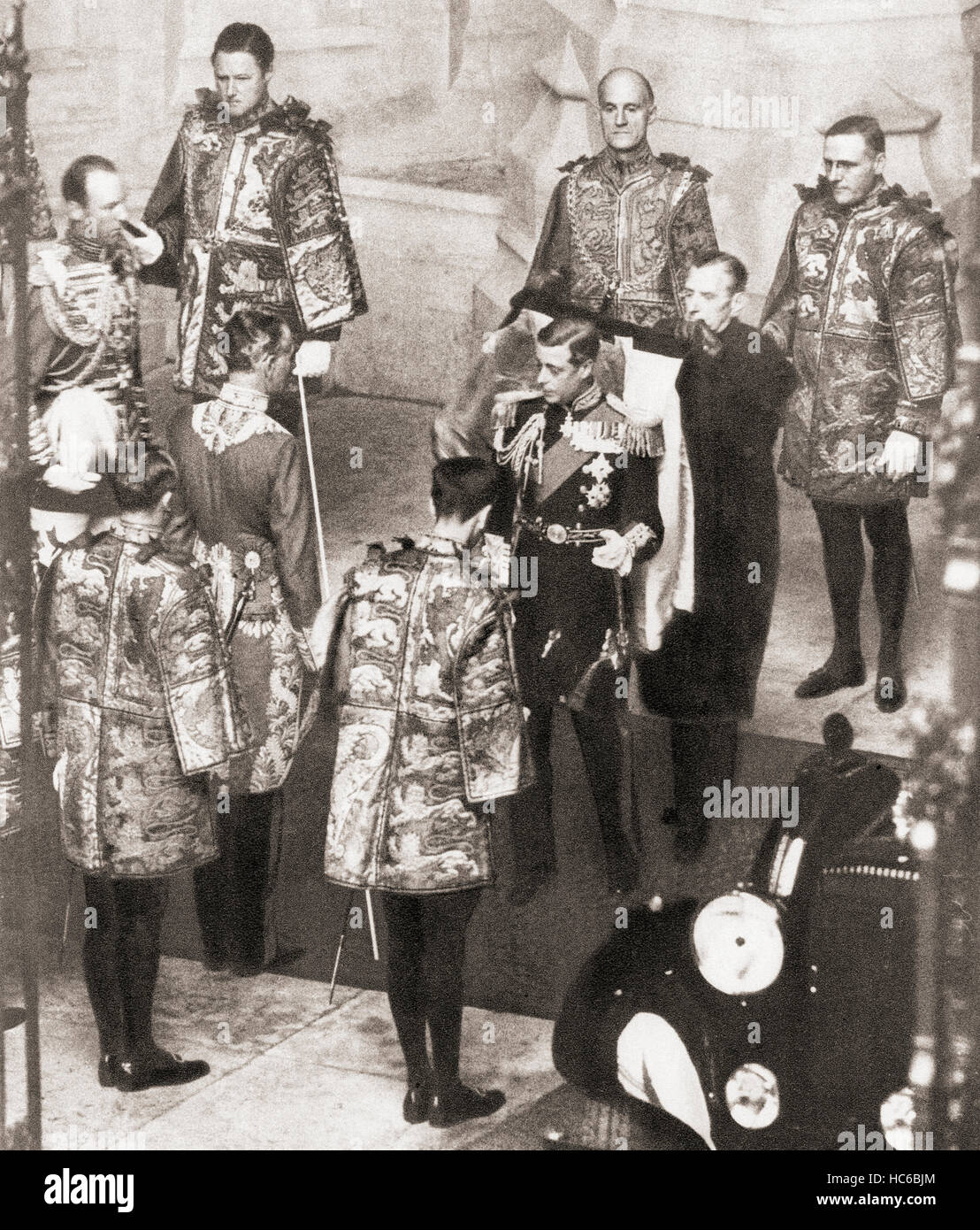
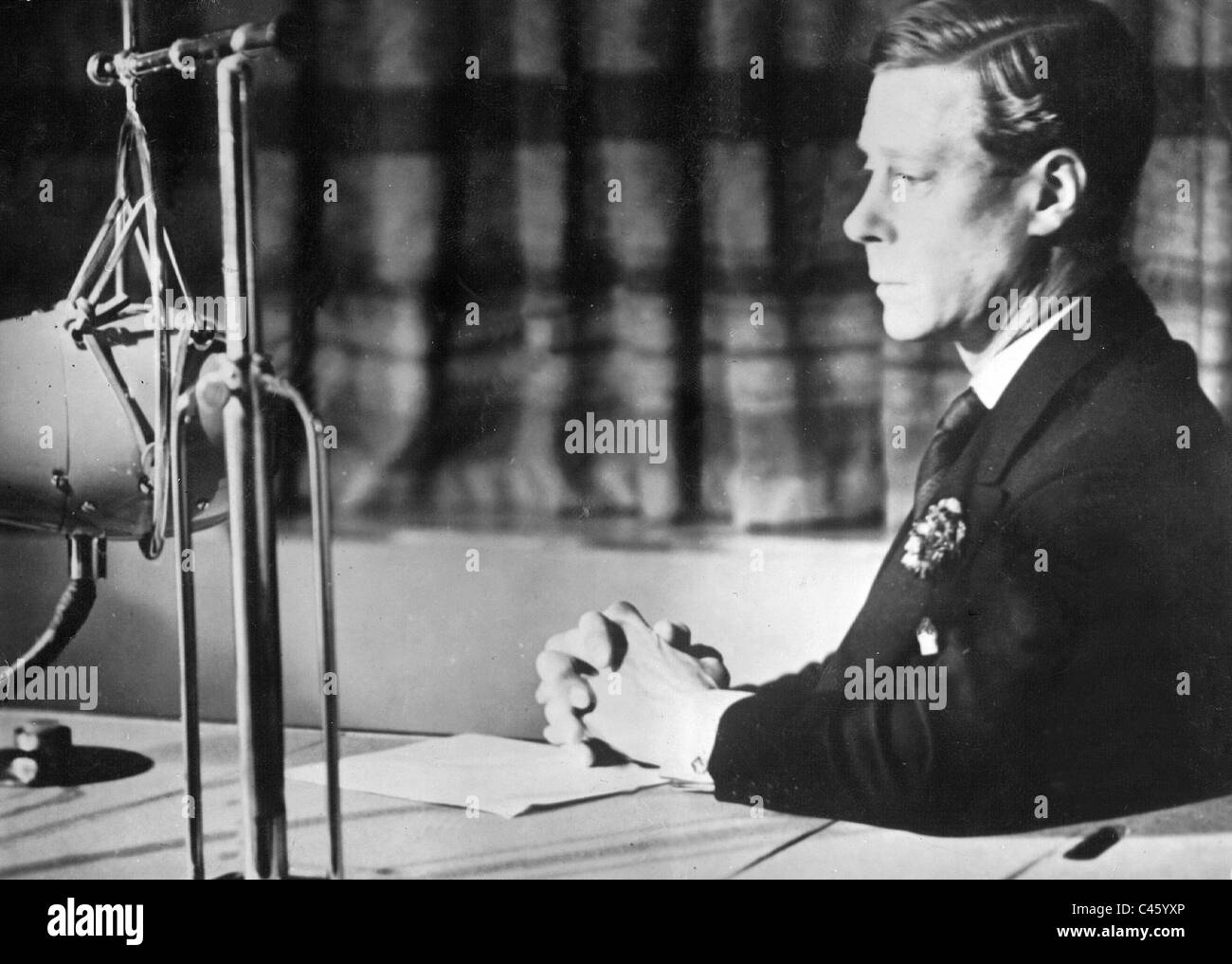
The abdication of King Edward VIII in December 1936 remains the most significant constitutional crisis in the modern history of the British monarchy. Driven by his desire to marry Wallis Simpson, a twice-divorced American socialite, the event fundamentally altered the line of succession and established a complex financial legacy that combined private royal wealth, controversial state allowances, and a record-breaking estate valuation following their deaths.
The Path to Crisis: Edward VIII and Wallis Simpson’s Relationship
Edward Albert Christian George Andrew Patrick David, known as David to his family, ascended the throne on January 20, 1936, following the death of his father, George V. As Prince of Wales, Edward had been a charismatic and popular figure, often perceived as a modernizing influence on a staid institution. However, his private life was already entangled with Wallis Simpson, whom he had met in 1931.
Wallis Simpson was, by the standards of the 1930s British establishment, an impossible candidate for a future queen. She was American, she had one former husband living (Ernest Simpson), and she was in the process of divorcing her second. Under the strictures of the Church of England—of which the King was the Supreme Governor—divorce was not recognized in a way that permitted a remarriage while a former spouse was still living.
The relationship was not merely a romantic scandal; it was a constitutional impasse. Prime Minister Stanley Baldwin and the governments of the Dominions (Canada, Australia, South Africa, and New Zealand) made it clear that the King’s proposed marriage to a divorcee was politically and socially unacceptable. Edward’s insistence on the union, and his rejection of a morganatic marriage (where Wallis would be wife but not Queen), led directly to the Instrument of Abdication.
The Mechanics of Abdication: December 1936
The abdication was not a single moment but a legal process finalized through His Majesty's Declaration of Abdication Act 1936. On December 10, Edward signed the instrument at Fort Belvedere in the presence of his three brothers: the Duke of York (who would become George VI), the Duke of Gloucester, and the Duke of Kent.
The primary motivation for the abdication was the irreconcilable conflict between Edward's personal desires and his "duty" as defined by the government and the Church. By choosing Wallis Simpson over the throne, Edward became the only British monarch to voluntarily renounce the crown since the Anglo-Saxon era.
Following the abdication, Edward was created Duke of Windsor by his brother, King George VI. While he retained the style of "His Royal Highness," a subsequent Letters Patent issued by the King specifically denied the style of "Royal Highness" to Wallis Simpson upon their marriage in June 1937. This slight remained a point of deep resentment for the Duke for the remainder of his life and significantly colored the couple’s relationship with the rest of the Royal Family.
The Financial Settlement: Negotiating Exile
One of the most complex and least understood aspects of the abdication is the financial legacy it created. Upon his accession, Edward VIII had expected to manage the vast resources of the Crown, including the revenues of the Duchy of Cornwall and the Duchy of Lancaster. Once he abdicated, he lost access to these primary revenue streams.
The Duke of Windsor entered negotiations with George VI from a position of perceived strength but actual vulnerability. Edward had accumulated significant personal savings during his years as Prince of Wales, largely through the Duchy of Cornwall's surplus. However, he also held a vital bargaining chip: the ownership of Sandringham House and Balmoral Castle. These were private estates of the monarch, passed down from Queen Victoria and Edward VII, rather than "Crown Lands" belonging to the state.
The Sandringham and Balmoral Buyout
Because Sandringham and Balmoral were private property, they did not automatically pass to George VI upon Edward's abdication. To ensure the new King could reside in the traditional family homes, a financial settlement was reached. George VI agreed to pay the Duke of Windsor approximately £300,000 (a massive sum in 1937) for the estates. This provided the Duke with the liquid capital necessary to sustain an aristocratic lifestyle in exile.
The Annual Allowance
In addition to the property buyout, a private agreement was made for an annual allowance. The Duke received roughly £25,000 per year from the King’s private funds. Crucially, this was not a "Civil List" payment funded by taxpayers, as the government refused to provide the Duke with a state salary. This financial dependency on the reigning monarch created a "golden cage" dynamic, where the Duke's income was subject to his continued residence abroad and his avoidance of political interference in UK affairs.
Financial Comparison: Reigning Monarch vs. Duke in Exile
The following table outlines the estimated financial disparity and the shift in assets during the 1936 transition.
| Asset/Income Source | Status as King (Edward VIII) | Status as Duke of Windsor (Post-1936) |
|---|---|---|
| Duchy of Cornwall Revenue | ~£100,000+ per annum | Zero (Reverted to the Crown/Prince of Wales) |
| Civil List (State Salary) | ~£410,000 per annum | Zero (Denied by Parliament) |
| Private Estates | Owner of Balmoral & Sandringham | Sold to George VI for ~£300,000 |
| Annual Private Allowance | N/A | ~£25,000 (Paid by George VI) |
| Personal Investment Portfolio | Significant (Estimated £1M+) | Retained and expanded in exile |
| Taxation Status | Exempt | Negotiated exemptions in France/USA |
The "Windsor Style" and the Jewelry Legacy
In exile, the Duke and Duchess of Windsor became icons of high society, living primarily in France. Their financial legacy is perhaps most visible in the "Windsor Style"—an extravagant display of fashion and jewelry that served as a surrogate for the royal status Wallis was denied.
The Duke spent a significant portion of his fortune commissioning bespoke pieces from houses like Cartier and Van Cleef & Arpels. These were not merely accessories; they were historical markers of their relationship. Many pieces were inscribed with dates and personal messages, such as the "Heart" brooch and the "Flamingo" clip.
Upon the Duchess's death in 1986, her jewelry collection was auctioned by Sotheby’s in Geneva (1987). The auction was a watershed moment in the high-end jewelry market, realizing over $50 million—far exceeding initial estimates. The proceeds were bequeathed to the Pasteur Institute for medical research, as per the Duchess’s final wishes. This act of philanthropy, funded by the Duke's accumulated royal wealth, remains one of the few positive legacies associated with the couple's later years.
Political Controversies and Financial Scrutiny
The Duke’s financial legacy cannot be separated from the political controversy surrounding his 1937 visit to Nazi Germany. Historical documents suggest that the Duke’s desire for a return to a position of power—and perhaps the restoration of his full royal income—may have influenced his willingness to meet with Adolf Hitler.
During World War II, the Duke was appointed Governor of the Bahamas. While this was a diplomatic posting intended to keep him away from Europe, it also provided him with a government-paid salary and residence, temporarily relieving the financial burden on the King’s private purse. However, his tenure was marked by accusations of financial mismanagement and a failure to address the socio-economic crises of the islands.
Historical Assessment in 2026
From the vantage point of 2026, the abdication of Edward VIII is viewed as the catalyst that allowed the British monarchy to survive the 20th century. By clearing the way for George VI and later Elizabeth II, the abdication replaced a volatile, self-interested monarch with a lineage defined by duty and service.
The financial legacy of the Windsors serves as a case study in "royal severance." It highlights the precarious nature of royal wealth when detached from the functions of the state. While the Duke and Duchess lived in luxury, their lack of a formal role meant their wealth was often viewed with suspicion or disdain by the British public, who were enduring post-war austerity while the Windsors socialized in Paris and New York.
Common Questions About the Abdication and Finances
Did Wallis Simpson ever receive money from the British government?
No. Wallis Simpson never received a state allowance or Civil List payment. Her lifestyle was funded entirely by the Duke’s private wealth, the property settlement from George VI, and the Duke’s investment portfolio.
Who inherited the Duke of Windsor’s money after his death?
When the Duke died in 1972, the bulk of his estate passed to the Duchess of Windsor. This included his liquid assets and his extensive jewelry collection. Following her death in 1986, much of the remaining estate was liquidated to benefit the Pasteur Institute in France.
Was the Duke of Windsor "cut off" financially by the Royal Family?
He was not entirely cut off, but his income was significantly reduced. He lost the massive revenues of the Duchies of Cornwall and Lancaster. However, George VI provided a private annual allowance of £25,000, which was a substantial sum, though the Duke frequently complained it was insufficient for his needs.
Why did the Duke sell Sandringham and Balmoral to his brother?
Sandringham and Balmoral were the personal property of the King, not the state. When Edward abdicated, he still legally owned them. Because it was unthinkable for the reigning monarch (George VI) not to own the traditional royal homes, a private sale was negotiated to transfer the titles back to the crown.
Did the Duchess of Windsor's jewelry come from the Crown Jewels?
No. The jewelry that made up the Duchess's famous collection was almost entirely purchased privately by the Duke or gifted to her. While some stones may have been family heirlooms passed to the Duke, the "Crown Jewels" themselves remained in London and were never in the Duchess's possession.
Practical Guidance: Researching Royal Financial Records
For historians or those interested in the technical details of the 1936 financial settlement, several primary sources offer deeper insight.
- The National Archives (UK): Files under the "PREM" (Prime Minister's Office) and "T" (Treasury) series contain redacted but revealing correspondence regarding the Duke’s allowance and tax status.
- The Royal Archives (Windsor): While access is restricted, official biographies authorized by the Palace (such as those by Philip Ziegler) provide the most accurate figures regarding the private payments between the brothers.
- Sotheby's Auction Catalogues (1987): These documents provide the most comprehensive inventory of the physical assets (jewelry and art) that constituted the Windsor legacy.
The story of Edward VIII and Wallis Simpson is ultimately a transition from a legacy of power to a legacy of "celebrity." Their financial arrangements set a precedent for how the British monarchy handles "working" vs. "non-working" royals—a template that continues to influence royal logistics and public perception even in 2026.