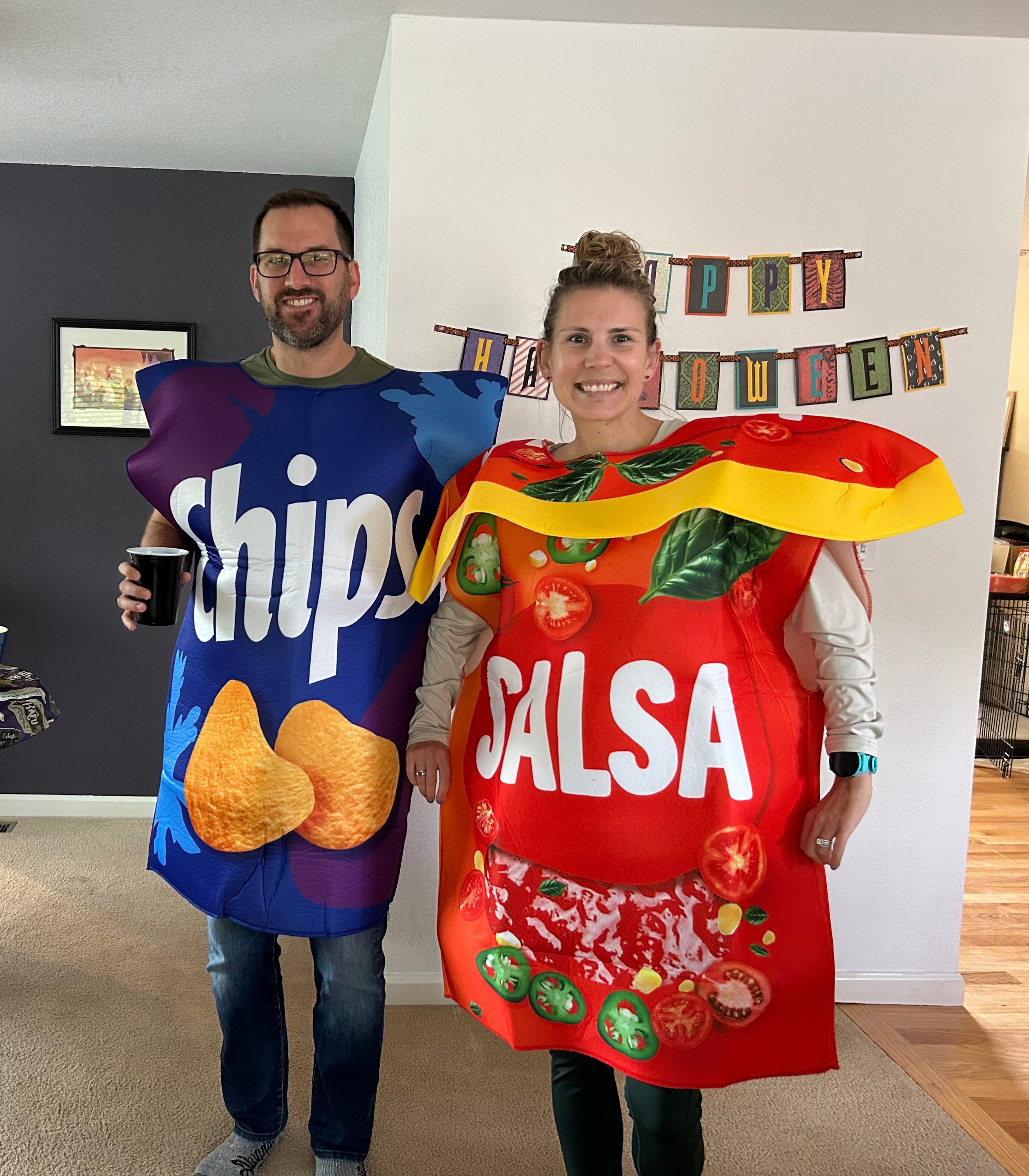
Easy food costumes are simple, recognizable outfits created from everyday materials like cardboard, felt, and balloons, or purchased as ready-to-wear tunics. These costumes prioritize iconic shapes and bold colors to represent specific dishes, offering a budget-friendly and inclusive way to participate in festivities with minimal assembly time or sewing expertise.
The Evolution and Appeal of Food-Themed Costumes
Food-themed costumes have transitioned from niche novelty items to some of the most popular choices for Halloween, office parties, and school events in 2026. The primary appeal lies in their universal recognizability. Unlike pop culture references that may fade or remain obscure to certain age groups, a giant slice of pizza or a bunch of grapes is instantly understood by everyone. This clarity makes food costumes an excellent choice for "low-stakes" social environments where the goal is to be festive without requiring a complex backstory.
In 2026, the trend has shifted toward "punny" foods and hyper-realistic DIY designs. With the rise of sustainable living, many people are looking for ways to create high-impact costumes using upcycled household waste, such as shipping boxes and scrap fabric. Furthermore, food costumes are inherently gender-neutral and body-positive, fitting a wide range of shapes and sizes because they often rely on oversized silhouettes rather than tailored garments. This inclusivity has cemented their status as a staple in the costuming world.
Essential Supplies for DIY Food Costumes
Before embarking on a DIY project, it is crucial to gather the right prerequisites. The quality of your "easy" food costume depends heavily on the adhesives and structural materials you select. Because these costumes often involve large surface areas, lightweight materials are preferred to ensure the wearer can move and breathe comfortably throughout the night.
Structural Materials and Adhesives
Cardboard remains the gold standard for structure. For a professional look in 2026, many crafters are opting for double-walled corrugated cardboard for larger items (like a giant cracker or a cereal box) and single-walled cardboard for items that require slight bending (like a taco shell).
To secure these materials, a high-temp hot glue gun is indispensable, but for fabric-to-cardboard bonds, industrial-strength spray adhesives are more effective at preventing peeling. If you are working with balloons—common for "berry" or "grape" costumes—using glue dots or heavy-duty double-sided tape is safer than hot glue, which can melt the latex or foil.
Fabrics and Finishes
Felt is the preferred fabric for food "toppings" because it does not fray when cut. Whether you are making pepperoni for a pizza or sprinkles for a donut, felt provides a matte, saturated color that looks excellent in photographs. For a more modern 2026 aesthetic, some DIYers are incorporating "smart" paints that have reflective properties, ensuring that trick-or-treaters remain visible at night while looking like a shiny glazed apple or a metallic candy wrapper.
Top 5 Easy DIY Food Costume Concepts
Creating a food costume does not require professional tailoring. The following ideas focus on the "sandwich board" method or the "attachment" method, both of which are highly accessible for beginners.
1. The Classic Pizza Slice
The pizza slice is arguably the most iconic easy food costume. It utilizes a simple triangular shape that is easy to cut from a large shipping box. To assemble, cut two large triangles of cardboard. Paint them a "crust" tan color or cover them with yellow felt to represent cheese.
The "toppings" are where you can customize the look. Use red felt circles for pepperoni, green strips for peppers, and black foam for olives. The two triangles are connected at the shoulders using wide elastic straps or heavy ribbon, allowing the costume to hang over the body like a vest. This design is particularly functional because it leaves the arms free and can be worn over warm clothing.
2. The Balloon Bunch of Grapes
For a costume that requires zero cutting or painting, the grape bunch is the ultimate solution. This involves pinning purple or green balloons to a matching t-shirt and leggings. To achieve the right look, start at the shoulders and pin the balloons closely together, tapering the "bunch" as you move down toward the waist or mid-thigh.
A key tip for 2026: use a small amount of water inside each balloon before inflating. This adds just enough weight to keep the "grapes" from bouncing erratically but remains light enough for comfort. Top the look with a green fascinator or a headband made of brown pipe cleaners to represent the stem and vine.
3. The Nigiri Sushi Roll
The sushi costume is a masterclass in minimalism. The base is a white outfit (representing the rice). A rectangular orange or pink pillow is strapped to the wearer's back using a wide black fabric "belt" (representing the nori seaweed).
To make the salmon or tuna look realistic, use white fabric paint to draw diagonal "fatty" lines across the pink or orange pillow. For added detail, you can create a "ginger and wasabi" headpiece by attaching a pink loofah and a green ball of yarn to a headband. This costume is exceptionally comfortable for seated events, as the "sushi" acts as a built-in cushion.
4. The Frosted Donut
The donut costume relies on a circular base, which can be made from a spray-painted inner tube or a circular piece of cardboard with a hole cut in the center. If using cardboard, you will need two circles. Paint the top circle with a bright "frosting" color like pink or chocolate brown.
For the sprinkles, use cut-up pieces of colorful pool noodles or jumbo drinking straws. Glue these randomly across the frosting. Similar to the pizza, this is worn using shoulder straps. The inner tube version provides a 3D effect that is more whimsical, while the cardboard version is easier to navigate through narrow doorways.
5. The Pineapple
The pineapple costume is a "vertical" design that is very flattering. The wearer wears a yellow dress or shirt, often with a cross-hatch pattern drawn on with a brown fabric marker to mimic the fruit's skin. The centerpiece of the costume is the "crown." This is made by cutting long, jagged leaf shapes from green cardstock or stiff felt and gluing them in layers around a headband. The result is a vibrant, tall costume that is both stylish and easy to assemble in under an hour.
Comparison of Costume Materials and Complexity
Choosing the right material depends on your budget, the duration of the event, and your mobility needs. The table below compares the most common methods for 2026.
| Costume Type | Primary Material | Difficulty (1-5) | Average Cost (USD) | Best For |
|---|---|---|---|---|
| Sandwich Board | Cardboard | 2 | $10 - $20 | Outdoor parades, high structure |
| Balloon-Based | Latex/Foil Balloons | 1 | $5 - $15 | Quick assembly, low budget |
| Fabric Tunic | Felt or Fleece | 3 | $25 - $40 | Long-term comfort, durability |
| Inflatable | Nylon/Plastic | 1 | $45 - $70 | Maximum visual impact, easy storage |
| Accessory-Only | Paper/Headbands | 1 | Under $5 | Office environments, low effort |
Technical Considerations for Comfort and Safety
While "easy" is the goal, neglecting technical aspects like heat dissipation and mobility can ruin the experience. Food costumes, especially those involving cardboard or heavy foam, can trap heat. If you are attending an indoor party in 2026, ensure your base layers are moisture-wicking fabrics.
Mobility and Architecture
When designing a wide costume (like a giant cookie or a taco), measure the width of the average doorway (approximately 30 to 36 inches). A costume that is too wide will force the wearer to walk sideways all night. For "sandwich board" styles, ensure the straps are padded. Plain ribbon can dig into the neck and shoulders after an hour of wear; using wide elastic or repurposed backpack straps distributes the weight more effectively.
Safety and Visibility
If the costume is for a child, avoid using any materials that could pose a tripping hazard. Balloon-based costumes should be checked for latex allergies among the group. Furthermore, ensure that any face-paint or headpieces do not obstruct peripheral vision. According to the Consumer Product Safety Commission (CPSC), costume safety is a leading concern for holiday-related injuries; therefore, all DIY materials should be labeled as flame-retardant where possible.
Sustainable and Upcycled Food Costumes in 2026
The 2026 costuming landscape is heavily influenced by the "Zero-Waste" movement. Instead of buying new materials, many are looking to their recycling bins. An empty egg carton can be painted green to become the "bumps" on an avocado. Old bubble wrap can be dyed yellow to look like corn on the cob.
Using biodegradable glitter and natural dyes for fabric is also becoming standard. When the event is over, many of these "easy" food costumes can be disassembled: the cardboard can be recycled, and the felt toppings can be saved for future craft projects. This circular approach to costuming reduces the environmental impact of holiday celebrations, which traditionally generate significant plastic waste.
Tips for Group Food Costumes
Food costumes are naturally suited for pairs and groups. Some popular combinations for 2026 include:
- Salt and Pepper: Simple black and white t-shirts with "S" and "P" made of silver duct tape, topped with colander hats.
- PB&J: Two people wearing brown and purple shirts with "bread" shaped cardboard outlines.
- The Fruit Salad: A large group where each person chooses a different fruit (strawberry, banana, kiwi).
- Condiment Crew: A group wearing solid red (ketchup), yellow (mustard), and green (relish) with pointed "cap" hats.
FAQ
How do I sit down in a cardboard food costume?
Sitting in a rigid cardboard costume is difficult. To solve this, design your "sandwich board" with "hinges" at the waist. Score the cardboard horizontally on the inside (do not cut all the way through) so it can bend when you sit. Alternatively, choose a fabric-based costume like the sushi roll or a simple printed t-shirt if you know you will be seated for most of the event.
Can I make a food costume last-minute with no supplies?
Yes. The "Smart Cookie" or "One Tough Cookie" costumes are the easiest. Tape some cut-out brown circles (chips) to a tan shirt. Carry a graduation cap (Smart Cookie) or boxing gloves (Tough Cookie). This requires almost no construction and uses items you likely already have at home.
Are balloon costumes durable enough for a whole party?
Balloon costumes are susceptible to popping, especially in crowded areas or near sharp objects. To increase durability, under-inflate the balloons slightly so they have more "give." It is also wise to carry a small "repair kit" consisting of a few pre-inflated spare balloons and double-sided tape.
What is the best way to attach "toppings" to fabric?
For a temporary costume, safety pins or double-sided garment tape work best and won't ruin your base clothes. For a permanent costume, use fabric glue or a low-temp hot glue gun. Be careful with hot glue on synthetic fabrics like polyester, as it can melt the fibers.
Recommended Next Action: Choosing Your Strategy
When deciding on an easy food costume for your next event in 2026, evaluate your environment first. If you will be walking long distances (like trick-or-treating), prioritize a lightweight balloon or fabric design. If you are participating in a costume contest where visual "wow-factor" is key, the structural integrity of a painted cardboard "sandwich board" will serve you better. Always perform a "sit-and-walk" test at home at least 24 hours before your event to ensure you can move freely and that all adhesives are fully cured.