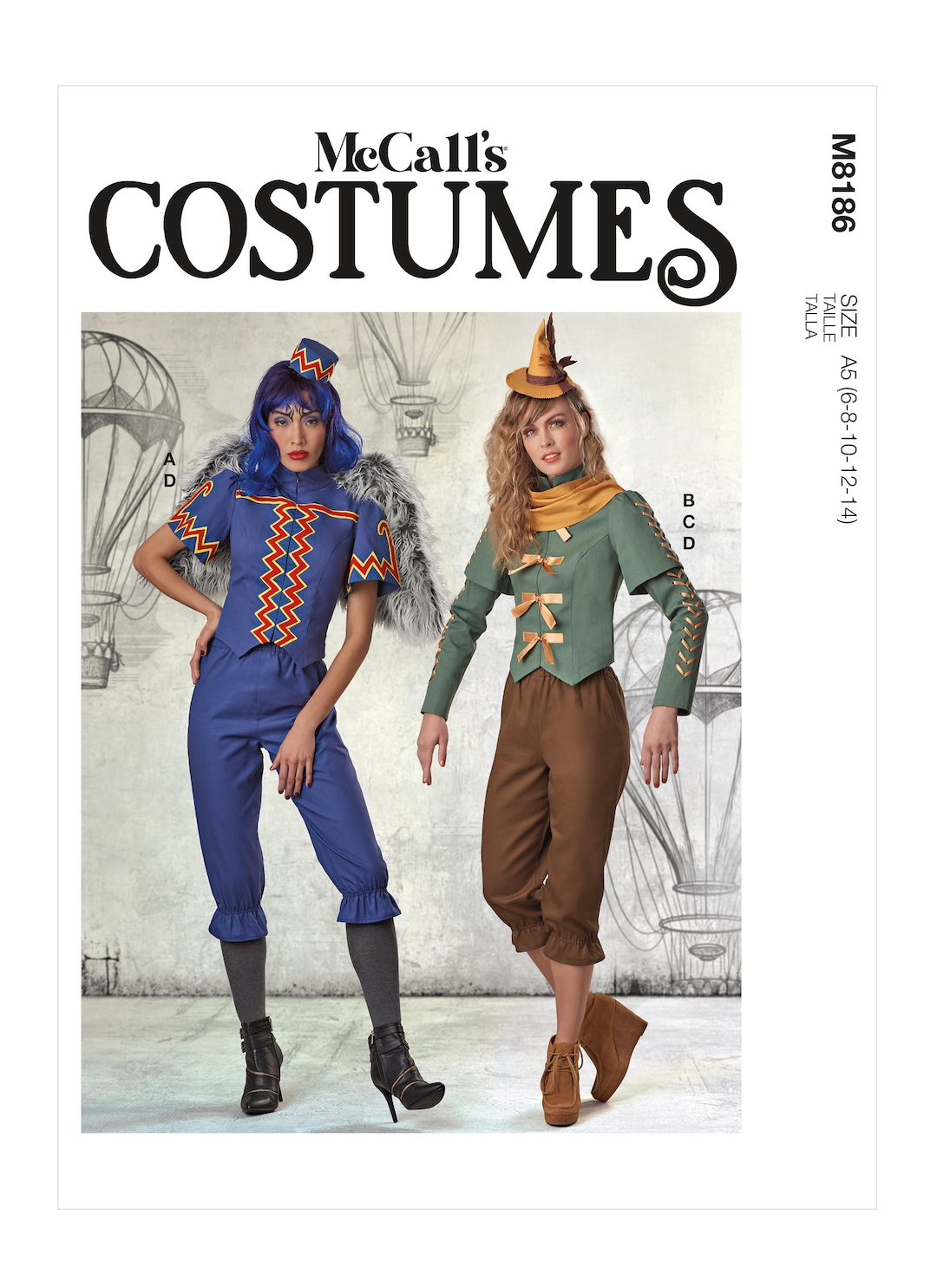
Easy fantasy costumes are outfits that utilize everyday clothing staples, simple accessories, and minimal-sew techniques to evoke a high-fantasy aesthetic. By focusing on recognizable archetypes like rangers, mages, or rogues and layering basic textures like linen and leather, anyone can assemble a convincing costume without expensive professional gear or advanced tailoring skills.
The Foundational Principles of Low-Effort High-Fantasy
Creating an impactful fantasy costume doesn't require a Hollywood budget or weeks of leatherworking. In 2026, the trend in costuming has shifted toward "sustainable cosplay" and "thrift-flipping," where the goal is to find the extraordinary within the ordinary. The secret to an easy fantasy look lies in three core principles: layering, texture, and silhouette.
The Importance of Layering and Texture
In fantasy settings, clothing is rarely a single piece. Characters often wear multiple layers to signal their status, profession, or the harshness of their environment. To achieve this easily, avoid flat, synthetic fabrics that look like "costume in a bag" kits. Instead, look for natural textures like cotton, linen, wool, and faux leather.
Layering a simple vest over a tunic, or a shawl over a dress, adds depth that tricks the eye into seeing a complex ensemble. For example, a basic white button-down shirt can be transformed by removing the buttons and lacing the front with leather cord. Adding a rough-textured wool scarf over the shoulders immediately suggests a traveler who has spent nights by a campfire.
Managing the Silhouette
The silhouette is the outline your body makes against a background. In fantasy, silhouettes are often exaggerated. A wizard has a tall, pointed silhouette; a rogue is sleek and hooded; a warrior is broad-shouldered. By using belts to cinch a loose tunic or oversized hoods to obscure the face, you define your character’s identity before a single detail is even noticed.
Transforming Your Wardrobe: The "Closet Cosplay" Technique
The most efficient way to build an easy fantasy costume is to audit your own closet or visit a local thrift store. Many modern garments share the same basic shapes as historical or fantasy attire. By looking past the modern context of a garment, you can see its "fantasy bones."
Identifying Fantasy-Adjacent Staples
Before buying anything new, look for the following items which serve as the perfect foundation for various fantasy archetypes:
- Vests and Waistcoats: Leather, suede, or knit vests are essential for rangers and tavern-goers.
- Boots: Flat, brown, or black leather boots are universal across almost every fantasy setting. Avoid heels or overly modern buckles if possible.
- Belts: Wide leather belts are excellent for "cinching" modern shirts into tunics.
- Earth-Toned Leggings or Slacks: Simple brown, black, or tan trousers can pass for "period-appropriate" pants when tucked into boots.
- Maxi Skirts: A long, flowing skirt in a solid color is the primary building block for a mage, priestess, or noblewoman.
By combining these items, you can create a "base layer" that is comfortable for all-day wear at a Renaissance fair or a 2026 Halloween event.
Detailed Guides for Five Popular Fantasy Archetypes
To make the selection process easier, it is best to choose a specific archetype. This provides a roadmap for which accessories and colors you should prioritize.
1. The Rugged Ranger or Traveler
The Ranger is perhaps the easiest costume to assemble. The focus is on utility and weatherproofing. Start with a base of brown or forest green trousers and a neutral tunic.
- The Hero Item: A hooded cloak or a large rectangular piece of fabric pinned at the shoulder.
- The Details: Add a "cross-body" bag (messenger bag) and several belts. One belt holds your pants up; the other is worn diagonally across the chest to represent a sword or quiver strap.
- Pro Tip: Use a bit of brown eyeshadow or "costume dirt" on the hem of your cloak to give it a "traveled" look.
2. The Mysterious Mage or Sorcerer
Mages rely on draping fabrics to suggest ancient wisdom and magical power. This look is less about structure and more about volume.
- The Hero Item: A long robe or an oversized cardigan worn open.
- The Details: Carry a "staff" (a sturdy, interesting branch found in nature) or a leather-bound journal. Drape a series of inexpensive crystal necklaces or "potions" (small glass bottles filled with dyed water) from your belt.
- Color Palette: Deep purples, midnight blues, or stark blacks and whites.
3. The Cunning Rogue or Thief
The rogue needs to look mobile and discreet. This is the most modern-friendly fantasy look, often utilizing darker colors.
- The Hero Item: A dark hoodie. To make it "fantasy," tuck the drawstrings inside and wear a leather vest over the top.
- The Details: Fingerless gloves and a face mask or bandana. Use pouches—lots of them. Small pouches attached to a belt suggest a character prepared for any lock-picking or pickpocketing opportunity.
- Footwear: Soft-soled boots or dark sneakers (if they are discreet) to represent "sneaking" shoes.
4. The Ethereal Elf
Elves are characterized by elegance and nature-inspired elements. The clothing should be light and flowing.
- The Hero Item: Pointed ear tips (the only specialty item you might need to buy).
- The Details: Use a thin silver chain or a floral crown as a circlet. Keep the clothing colors light—silver, pale green, or white. A long, sheer scarf can be draped over the arms to act as "sleeves."
- Materials: Silk-like fabrics or lightweight linens work best.
5. The Noble or Merchant
If you prefer a cleaner, more "civilized" look, the merchant or noble is ideal. This archetype focuses on "wealth" via accessories.
- The Hero Item: A faux-fur collar or a velvet blazer.
- The Details: Large "gold" rings, a heavy medallion, and a pouch of "coins" (painted washers or plastic tokens).
- Styling: Ensure your hair is neatly groomed and your clothes are pressed, as nobles do not have the "rugged" look of a ranger.
Material Comparison and Budget Planning
When assembling your costume in 2026, it is helpful to understand the trade-offs between different materials. While genuine leather and hand-woven linen are the gold standard for authenticity, they are often expensive and difficult to maintain.
| Material Component | Budget Option | Premium Option | Impact on "Look" |
|---|---|---|---|
| Base Tunic | Oversized thrifted linen shirt | Authentic hand-sewn medieval gambeson | High - Sets the era and tone. |
| Outer Layer | Rectangular fleece/wool blanket | Tailored wool circle cloak | Medium - Great for silhouette. |
| Footwear | Modern boots with leather "greaves" (covers) | Hand-stitched leather turnshoes | High - Grounding the costume. |
| Accessories | Plastic/EVA foam props | Metal/Leather functional replicas | Low to Medium - Adds character. |
| Armor Pieces | Painted cardboard or foam | Steel or hardened leather | High - Moves you from "commoner" to "warrior." |
Accessory Selection: Enhancing the Aesthetic
Accessories are the "force multipliers" of an easy fantasy costume. A person in a brown shirt and pants is just a person; a person in a brown shirt and pants with a compass, a scroll, and a tankard is a "Pathfinder."
- The "Rule of Three": To make a simple outfit look like a costume, add at least three distinct fantasy accessories. For example: a belt pouch, a prop dagger (made of foam or plastic), and a unique piece of jewelry.
- Weathering and Aging: Brand-new clothes rarely look "fantasy-ready." To make your costume look authentic, you must "weather" it. Wash your garments several times to soften the fabric. Use sandpaper to lightly scuff the edges of "leather" items.
- Functional Props: Choose props that serve a purpose. A water bottle hidden inside a leather wineskin or a "spellbook" that is actually a hollow box for your phone and wallet adds utility to your costume.
Practical Considerations: Comfort and Utility
As we approach the convention and festival season of 2026, remember that a costume is only "easy" if it is wearable. Fantasy events often involve a lot of walking, standing, and varying temperatures.
Climate Control
If your event is outdoors, plan your layers accordingly. A ranger's cloak is perfect for cold evenings but can be stifling in the summer heat. If you are dressing for a hot environment, choose lightweight linens and avoid heavy faux fur. Conversely, if it is cold, ensure your "base layer" includes modern thermal underwear—it will be hidden beneath your fantasy tunics anyway.
Mobility and Safety
Ensure your costume allows for a full range of motion. Test your outfit by sitting down, reaching for your back, and walking up stairs. If you are carrying prop weapons, ensure they are made of "con-safe" materials like foam or light plastic. Most events in 2026 have strict "no-metal" policies for weapons to ensure the safety of all participants.
Frequently Asked Questions
Do I need to know how to sew to make a fantasy costume?
No, sewing is not a requirement for an easy fantasy costume. You can use fabric glue, "stitch-witchery" (iron-on hem tape), or even safety pins hidden under layers to modify clothing. Many great costumes are assembled simply by "styling" existing garments rather than constructing them from scratch.
What is the most versatile item for a fantasy costume?
A large, rectangular piece of earth-toned fabric is the most versatile item. It can function as a cloak, a hood, a sash, or even a makeshift bag. Combined with a simple brooch or a large safety pin, it can instantly change the silhouette of any outfit.
How can I make a costume look "high-quality" on a budget?
Focus on the "points of contact"—the areas people notice first. These are the face, the hands, and the feet. High-quality ear tips for an elf or a well-made leather belt can elevate an otherwise cheap outfit. Additionally, avoid shiny, "costumey" fabrics like cheap satin or thin polyester, which look artificial under most lighting.
Can I wear modern glasses with a fantasy costume?
While glasses are modern, they are a necessity for many. You do not need to switch to contacts if you aren't comfortable. To make glasses blend in, consider "period-style" frames (round, wire-rimmed) or simply embrace them as part of your "scholar" or "alchemist" character.
Where can I find affordable fantasy accessories in 2026?
Thrift stores remain the best source for belts, boots, and unique jewelry. For more specific items like foam swords or elf ears, online marketplaces and specialized "maker" communities offer affordable 3D-printed or mass-produced options that are far superior to the plastic toys of previous decades.
Next Steps for Your Costume Journey
Once you have selected your archetype and gathered your base layers, the best next step is a "dry run." Put on the full ensemble and wear it around your home for an hour. This will help you identify if a belt is too tight, if a cloak is a tripping hazard, or if your "potion bottles" clatter together too loudly.
Refinement is the final stage of the "easy" costume process. Adding a single braided leather cord or swapping out modern buttons for wooden toggles can be done in minutes but adds a level of intentionality that distinguishes a costume from a mere outfit. As you head into your 2026 events, remember that the goal is to inhabit a character and have fun; the most successful costume is the one that makes you feel like you've stepped out of a storybook and into reality.