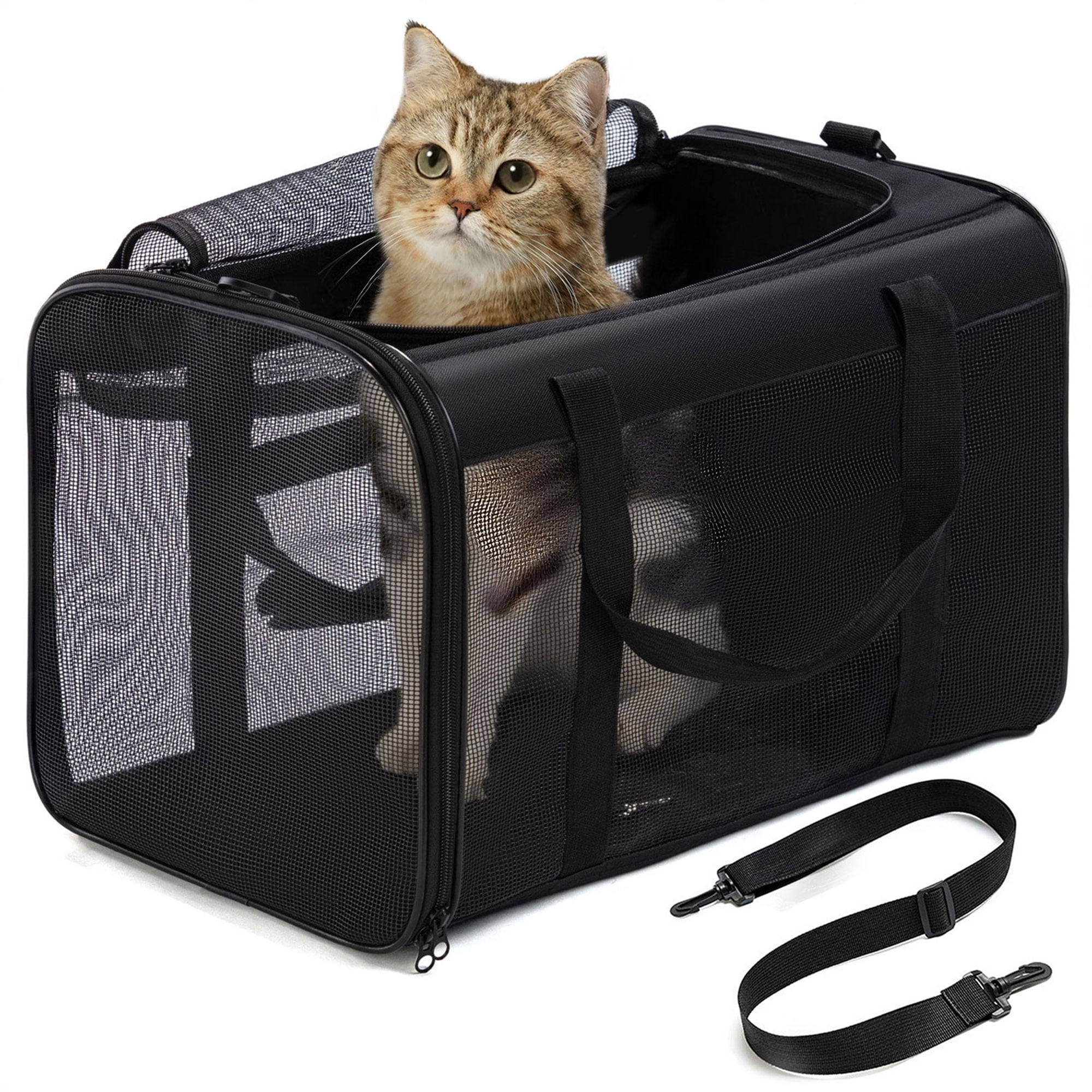
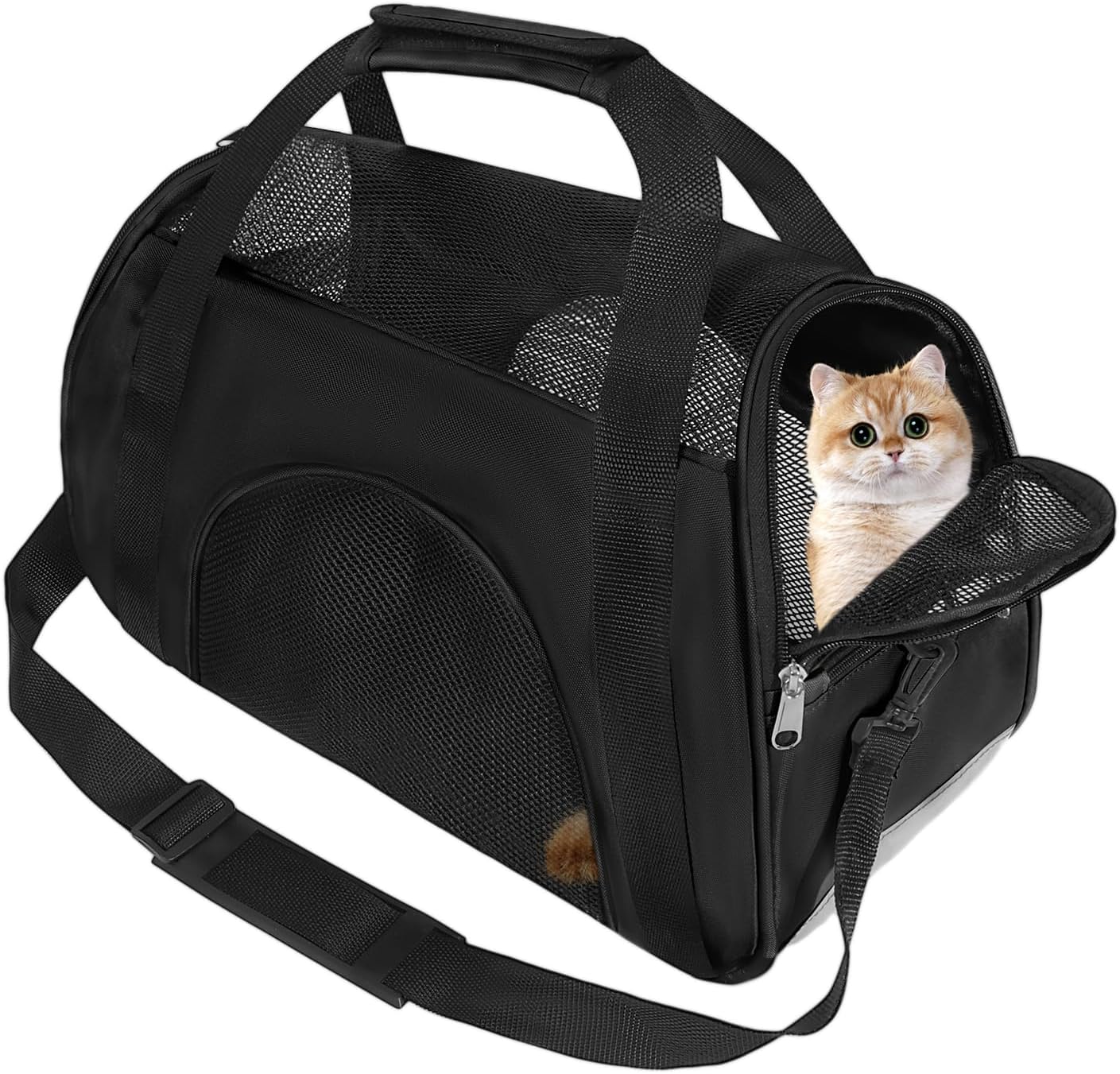
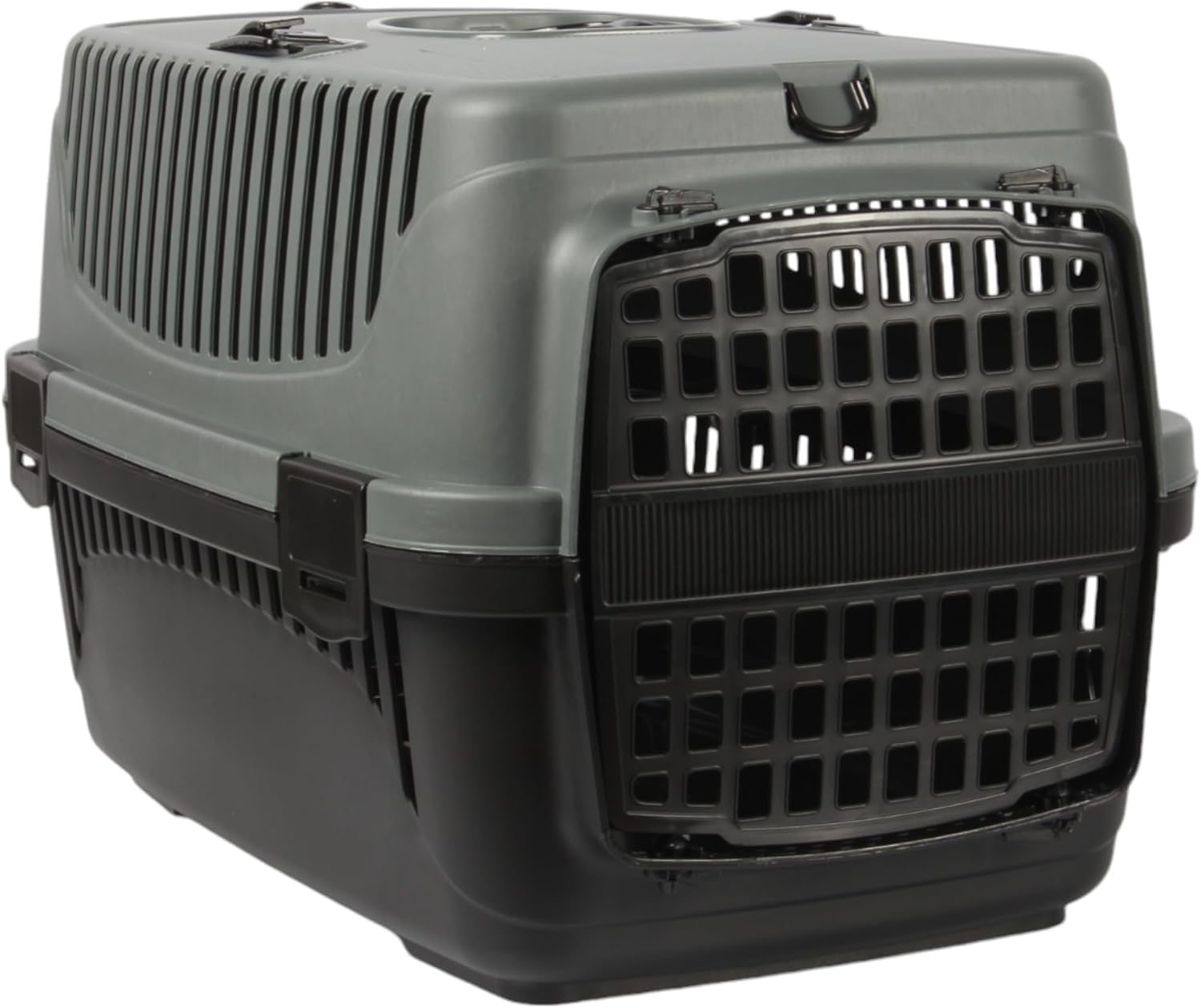
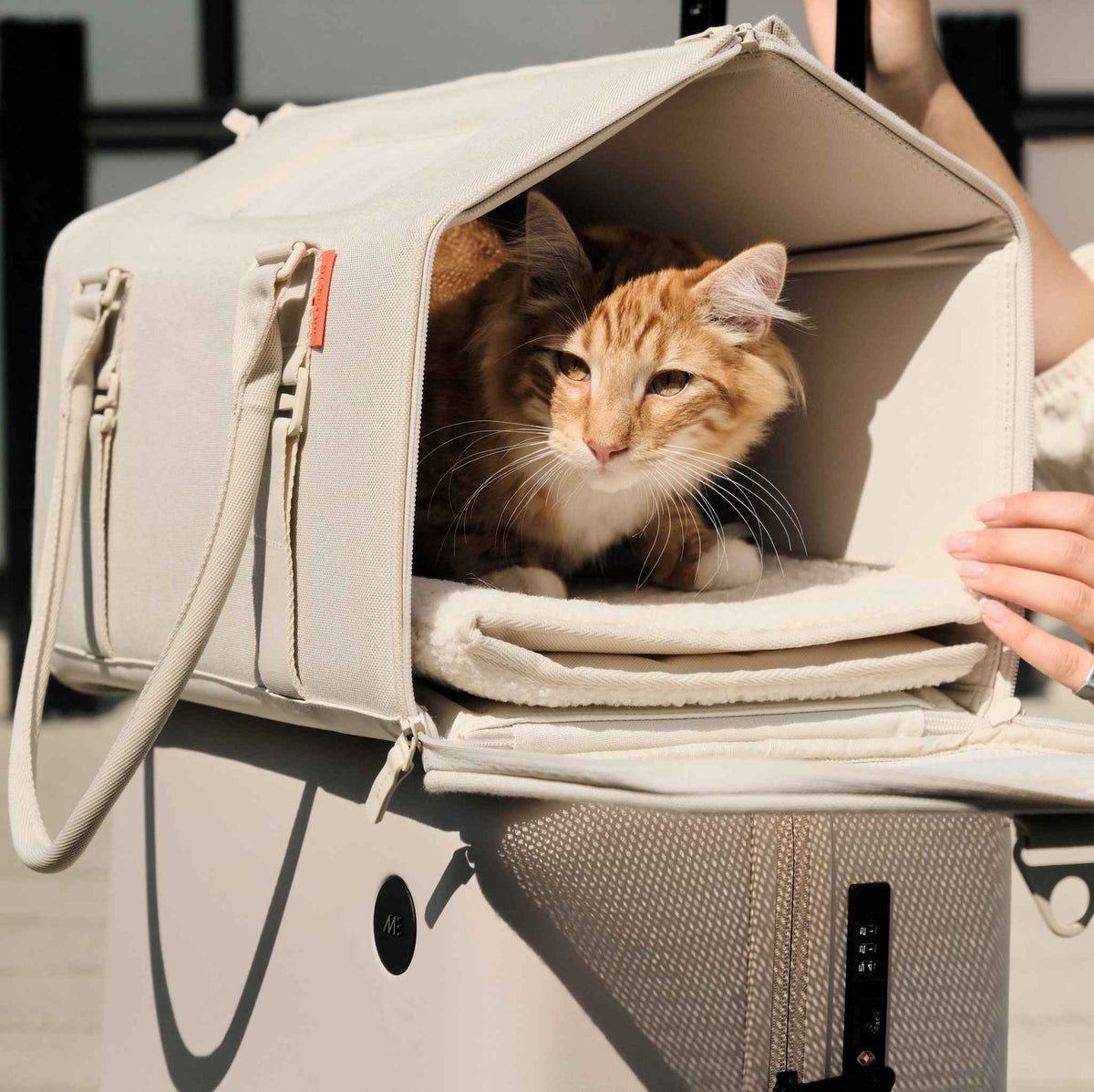
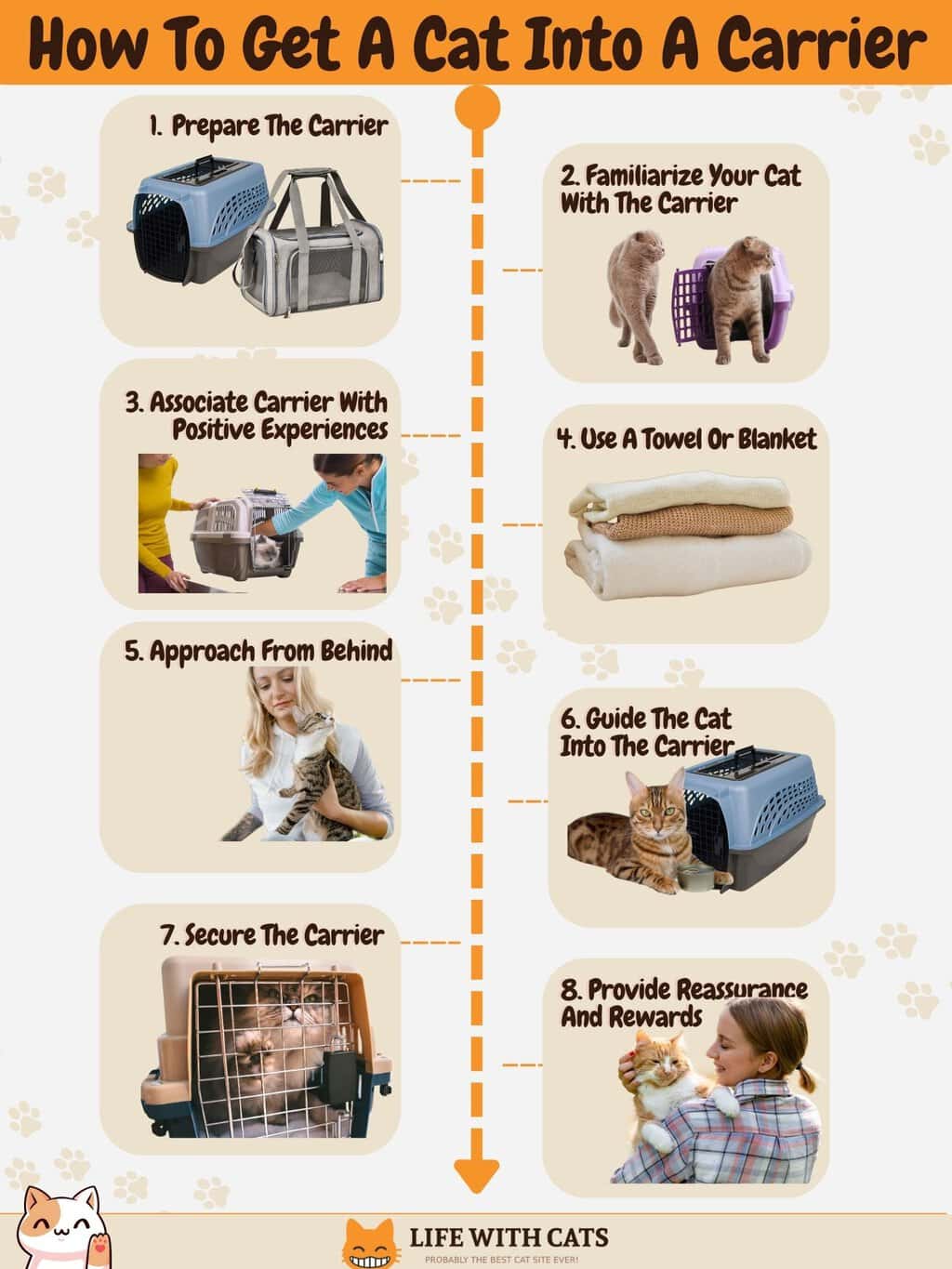
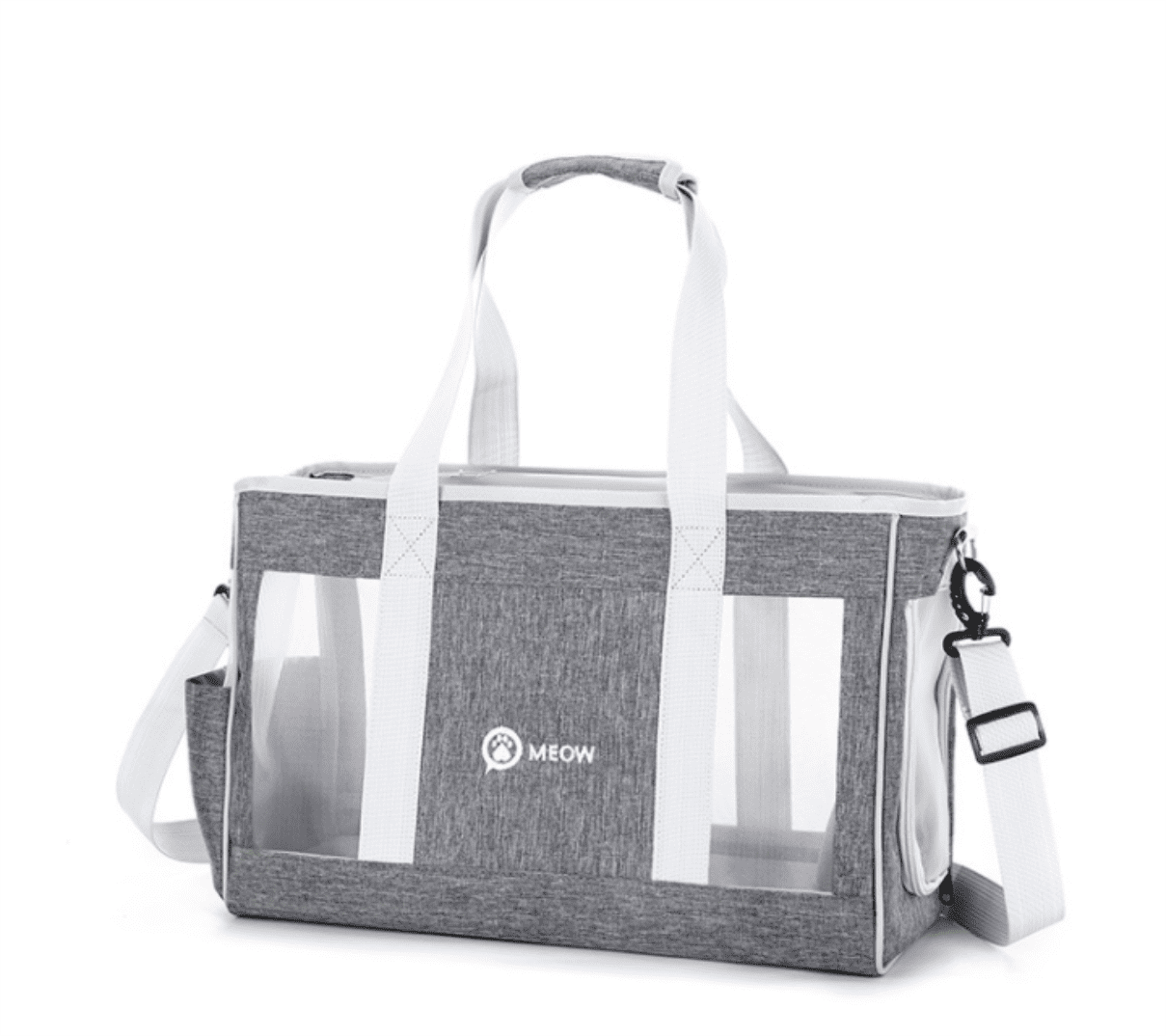
A durable, sturdy cat carrier combines impact-resistant materials—such as high-density polypropylene plastic, heavy-duty 600D+ ballistic nylon, or aluminum—with reinforced structural hardware, dual-access entry points, and secure latching mechanisms. Selecting the right carrier requires evaluating structural load capacity, ventilation grid strength, crash-test safety ratings, and your cat's specific behavior and travel requirements.
Structural Integrity and Material Engineering
The durability of a cat carrier depends primarily on its underlying material composition and structural architecture. Cat carriers generally fall into three structural categories: hard-shell plastic, heavy-duty soft-sided fabric, and rigid metal or hybrid crates. Each material responds differently to physical stress, environmental wear, and animal behavior.
- Cat Carrier Material Types
- Hard-Shell Plastic
- High-Density Poly
- Impact Resistant
- Easy Sanitation
- Soft-Sided Fabric
- 600D-1680D Nylon
- Internal Frame
- Flexible / Light
- Metal / Aluminum
- Welded Aluminum
- Maximum Containment
- Heavy Duty Travel
- Hard-Shell Plastic
High-Density Polypropylene Plastic
Hard-shell carriers constructed from high-density polypropylene (PP) or Acrylonitrile Butadiene Styrene (ABS) offer high rigidity and puncture resistance. These materials withstand exterior impacts during transit, such as accidental drops or shifting cargo.
Hard plastic prevents an agitated cat from biting or scratching through the walls. When choosing a hard-shell carrier, check the wall thickness. Thin, pliable plastic flexes under load, which can cause seam misalignments and latch failures.
Heavy-Duty Fabric and Internal Frames
Soft-sided carriers rely on woven synthetic fabrics—typically polyester or ballistic nylon rated between 600D (Denier) and 1680D. Higher denier counts indicate thicker, more abrasion-resistant threads.
A soft carrier’s structural integrity depends on its internal frame. Look for frames made of sprung steel wire, fiberglass rods, or integrated honeycomb plastic panels. Without a rigid frame, fabric carriers collapse under weight, compressing the interior space and stressing the zippers.
Aluminum and Heavy-Duty Metal Crates
For maximum security, aluminum alloy crates or heavy-gauge steel wire kennels provide unmatched containment strength. Aluminum crates resist rust, sustain extreme impact loads, and prevent strong cats from forcing openings. While heavier and less portable, metal structures are ideal for long-distance transit, car travel, or cats with severe escape tendencies.
Essential Hardware, Fasteners, and Safety Mechanisms
A carrier's frame is only as reliable as its hardware. Structural failure usually occurs at connection points: latches, hinges, zippers, and strap anchors.
| Structural Joint | Critical Evaluation Criteria |
|---|---|
| Shell Fasteners | Steel nut-and-bolt sets preferred over plastic clips |
| Entry Closures | Squeeze-latch dual-pin doors; locking metal zippers |
| Anchorage Points | Reinforced box-stitching; direct shell-molded loops |
| Ventilation Mesh | Coated wire or rubberized mesh vs. basic plastic |
Shell Fasteners and Joinery
Hard-shell carriers usually consist of top and bottom halves joined by fasteners. Budget models use plastic side-snaps, which can degrade from UV exposure, freeze-thaw cycles, or mechanical fatigue, potentially snapping open under stress.
For high durability, choose carriers that join the shell halves using steel nuts and bolts inserted through pre-drilled flanges. Threaded metal fasteners keep the shell sealed even under heavy impact or structural distortion.
Door Latches and Zipper Construction
- Hard Carrier Doors: Look for doors made of welded steel wire rather than plastic. The locking mechanism should feature a dual-pin squeeze latch that engages the top and bottom of the frame simultaneously. This prevents cats from pushing the top or bottom corner of the door outward.
- Soft Carrier Zippers: Zippers should be rated size #8 or #10 heavy-duty self-repairing nylon coil or metal tooth zippers. Ensure the carrier includes self-locking zipper sliders or integrated carabiner clips that lock opposing pull-tabs together, preventing cats from pushing zippers open from the inside.
Ventilation Mesh Integrity
Soft carriers rely on mesh panels for airflow and visibility. Standard window screen mesh tears easily under sharp claws. Durable carriers use coated rubberized mesh, PVC-coated polyester mesh, or high-tensile claw-resistant nylon mesh. Verify that mesh panels are double-stitched into structural webbing seams rather than single-stitched into face fabric.
Seatbelt Anchor Loops and Crash Testing
In a moving vehicle, an unsecured carrier can become a projectile during sudden braking or collisions. Look for carriers with dedicated seatbelt pass-through loops engineered into the main frame.
Independent crash testing, such as standards evaluated by the Center for Pet Safety (CPS), verifies whether a carrier maintains structural integrity and keeps the pet contained during simulated vehicle impacts.
Sizing, Weight Capacity, and Comfort Architecture
Selecting the right carrier size requires balancing physical support with pet comfort. An improperly sized carrier compromises both structural integrity and animal welfare.
- Carrier Sizing Dimensions
- Height Capacity
- Cat Standing Height
- Minimum 2 Inches Clearance
- Length Capacity
- Tip of Nose to Base of Tail
- Minimum 2-4 Inches Clearance
- Height Capacity
Measuring for Weight and Dimensions
Do not rely on your cat's weight alone when selecting a carrier. Measure your cat's physical dimensions:
- Length: Measure from the tip of the nose to the base of the tail. The carrier interior should be at least 2 to 4 inches longer than this measurement.
- Height: Measure from the floor to the top of the ears or head while standing. The carrier ceiling should clear the cat's standing height by at least 2 inches.
The carrier must allow the cat to stand, turn around naturally, and lie down comfortably. However, an excessively large carrier offers poor protection during transport, as the cat may slide around during movement.
Structural Load Ratings
Every carrier has a maximum weight capacity specified by the manufacturer. Operating near the weight limit causes soft-sided frames to bow and plastic handles to flex. Choose a carrier rated for at least 1.5 times your cat's weight to ensure a high safety margin for dynamic forces during transport.
Carrier Types: Structural Comparison
The following matrix compares structural formats across key performance criteria:
| Carrier Type | Primary Materials | Durability Rating | Crash Safety Profile | Maintenance & Hygiene | Best Application |
|---|---|---|---|---|---|
| Traditional Hard-Shell | High-density Polypropylene, Steel Wire | High | Moderate to High (with bolt fasteners) | Exceptional (seamless wipe/wash) | General transport, vet visits, nervous cats |
| Reinforced Soft-Sided | 600D–1680D Ballistic Nylon, Steel Frame | Moderate | High (if CPS-certified) | Moderate (spot cleaning, removable liner) | Airline under-seat travel, light transit |
| Heavy-Duty Aluminum | Welded Aluminum Sheet/Tubing | Extreme | High | High (wipe down, rust resistant) | Long-distance cargo, high-stress containments |
| Top-Loading Hybrid | Plastic Shell, Fabric Mesh, Steel Hardware | Moderate to High | Moderate | High | Vet visits, cats resistant to front loading |
Special Scenarios: Escape-Prone Cats, Air Travel, and Vet Visits
Different travel conditions require specific carrier features to maintain safety and reduce stress.
- Specialized Travel Needs
- High-Stress Cats
- Steel Nut & Bolt
- Metal Squeeze-Pin
- Blind Wall Shell
- Air Travel (IATA)
- IATA Compliance
- Live Animal Regs
- Securable Doors
- Veterinary Visits
- Top-Loading Door
- Fully Removable
- Upper Half Shell
- High-Stress Cats
Containing Escape-Prone Cats
Cats under stress can exercise surprising mechanical force on zip closures, soft mesh, and plastic snaps. For high-stress or escape-prone cats:
- Avoid carriers with flexible rubber mesh or simple velcro closures.
- Use hard-shell plastic carriers reinforced with metal bolts along the center flange.
- Ensure door latches require two simultaneous actions to release (such as squeezing dual spring pins).
- Add external secondary locking carabiners to zipper pulls on soft carriers.
Airline Compliance Standards
For air travel, structural requirements depend on whether the cat travels in the cabin or as cargo.
In-Cabin Travel: Soft-sided carriers must compress slightly to fit under seat enclosures while maintaining structural ventilation. Check your airline's specific dimensions before traveling.
Cargo Travel: Cargo containers must meet the International Air Transport Association (IATA) Live Animals Regulations (LAR). According to IATA Container Requirement 1, carriers must be constructed of solid plastic, wood, or metal, with door hinges and latch pins extending at least 1.6 cm (5/8 in) beyond the horizontal header and footer retaining tabs. Buckle or snap latches are strictly prohibited unless retrofitted with steel bolts through the shell.
IATA Container Requirement 1
- Latch Extension Standards
- Door Hinge & Latch Pins Must Extend ≥ 1.6 cm (5/8 in) Past Retaining Header/Footer Tabs
- Shell Fastening Rules
- Side Snaps/Buckles Prohibited Unless Reinforced with Steel Through-Bolts and Lock Nuts
- Latch Extension Standards
Optimizing for Veterinary Visits
Veterinary exams are smoother when the carrier allows easy access without forcing the cat out. Top-loading options feature an upper hatch that lets handlers lift the cat out gently. Alternatively, hard-shell carriers with quick-release side latches or perimeter bolts allow the top half to be removed entirely, letting the cat remain in the bottom tray during the exam.
Maintenance, Inspection, and Long-Term Structural Care
Proper maintenance preserves structural strength and extends your carrier's usable lifespan.
Cleaning Protocols and Hygiene
Cats often eliminate or vomit during high-stress travel, making cleanability an important safety factor.
- Hard-Shell Plastic: Clean using non-abrasive enzymatic cleaners or dilute bleach solutions (1 part bleach to 32 parts water), followed by a thorough water rinse. Avoid petroleum-based solvents, which can degrade polypropylene plastics over time.
- Soft-Sided Fabrics: Remove internal rigid bases before cleaning. Hand wash or spot clean using mild enzymatic detergents. Machine washing can warp structural internal wiring and degrade waterproof coatings. Allow the carrier to air dry completely to prevent mold growth on fabric seams.
Routine Structural Inspection Checklist
Inspect your carrier before every trip:
- Fastener Check: Tighten all nuts and bolts on hard-shell models. Replace rusted or stripped hardware immediately.
- Latch Verification: Test spring-loaded door latches to ensure pins extend fully into the frame retaining holes.
- Seam and Mesh Audit: Pull firmly on all soft carrier seams and window meshes. Look for frayed stitching, tear propagation, or coating separation.
- Handle and Strap Integrity: Inspect shoulder strap attachment rings and top handles for stressed plastic or tearing box stitches.
Frequently Asked Questions
What makes a cat carrier structurally durable?
Structural durability comes from high-impact materials (like thick polypropylene, aluminum, or 600D+ ballistic nylon), reinforced joinery (such as metal nuts and bolts instead of plastic snaps), heavy-duty steel wire doors with spring-loaded dual-pin latches, and claw-resistant mesh.
Are soft-sided carriers strong enough for high-stress or aggressive cats?
Soft-sided carriers are generally not recommended for agitated or high-stress cats. Strong cats can scratch through standard mesh, bite through zippers, or compress the flexible frame. A hard-shell carrier with steel bolt fasteners provides much better security for escape-prone animals.
How do I know if a carrier is crash-test certified?
Look for certification from independent testing organizations such as the Center for Pet Safety (CPS). Certified carriers undergo dynamic crash testing to confirm they maintain structural integrity and keep pets securely contained during vehicle collisions.
Can I take a hard-shell carrier on an airplane?
Yes, but usage depends on where the cat stays. Hard-shell carriers are required for cargo transit under IATA Live Animals Regulations, provided they are secured with metal bolts. For in-cabin travel, hard carriers rarely fit under the seat ahead of you; soft-sided carriers with flexible tops are generally preferred for cabin use.
When should I replace a used cat carrier?
Replace a carrier immediately if you spot structural cracks in the plastic shell, bent metal door pins, rusted fasteners, frayed shoulder strap stitching, torn mesh panels, or zippers that split open under load.
Practical Action Plan: Choosing the Right Carrier
Before buying a carrier, follow this evaluation process:
| Step | Action |
|---|---|
| Step 1 | Measure your cat's length and height; calculate minimum size |
| Step 2 | Determine primary transport mode (car, air cabin, cargo, vet) |
| Step 3 | Select structural format (Hard plastic vs. Ballistic fabric) |
| Step 4 | Verify hardware (Metal bolts, squeeze pins, locking zippers) |
| Step 5 | Perform load-bearing test and safety inspection before use |
- Measure First: Measure your cat's length and standing height, then add 2 to 4 inches to establish the minimum interior dimensions needed.
- Match Material to Transit Mode:
- Choose hard-shell plastic with bolt fasteners for car travel, veterinary visits, or nervous cats.
- Choose high-denier soft-sided models with flexible steel frames for in-cabin air travel.
- Choose IATA-compliant metal/plastic carriers for cargo transport.
- Inspect Hardware Quality: Avoid carriers reliant entirely on plastic snap clips or light-duty single zippers. Look for steel hardware, dual-pin door latches, lockable zipper pulls, and reinforced seatbelt attachment points.
- Verify Safety and Comfort: Test all latches, hinges, and straps under load before placing your cat inside. Add a removable, washable pad to protect the base and improve comfort.
By focusing on verified material strength, secure structural hardware, and proper dimensions, you ensure your cat carrier delivers long-term durability and safety on every journey.