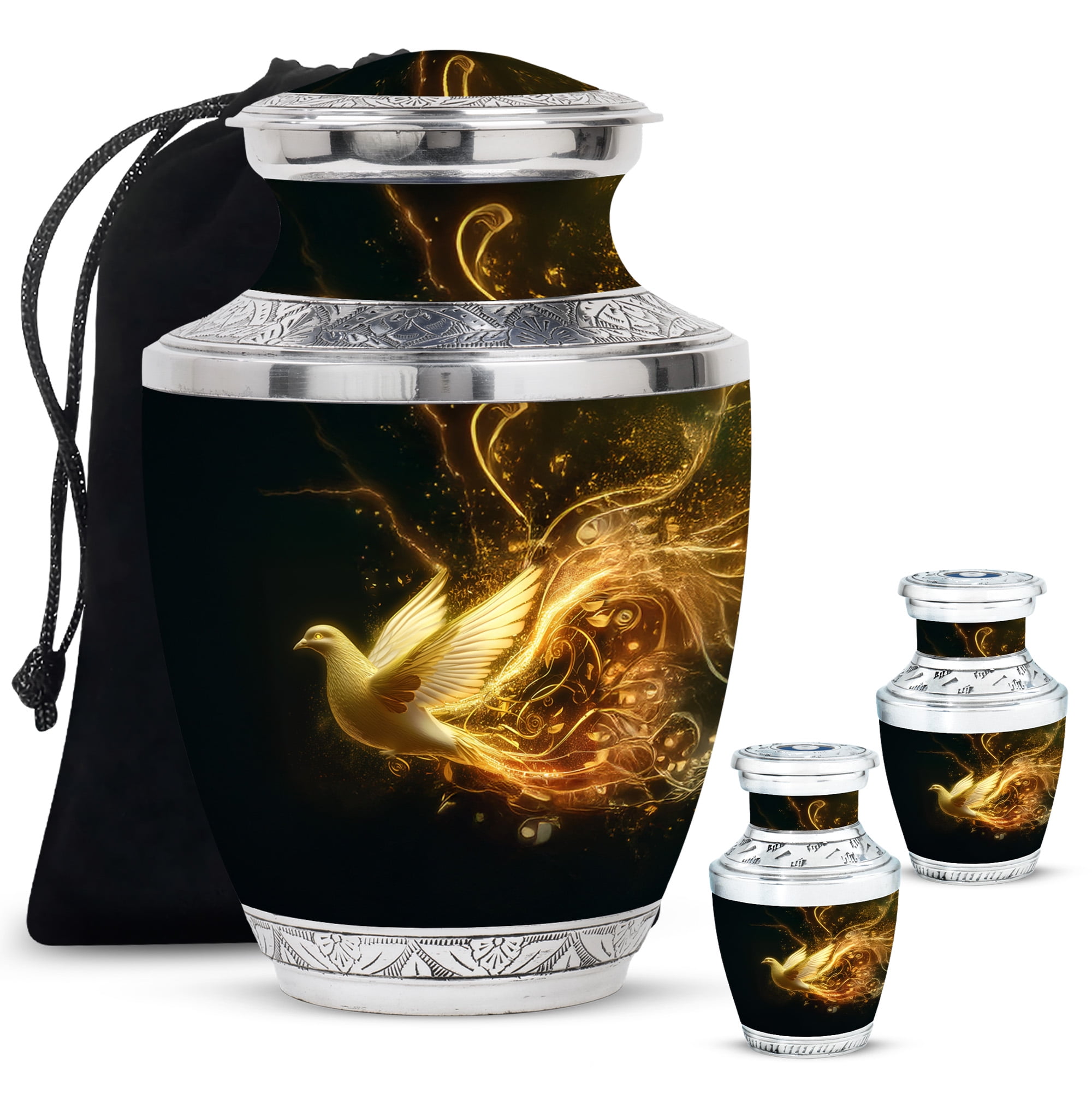
While "dove cremation" can refer to the specialized aftercare for avian companions, it most frequently denotes the services provided by Dove Cremation & Funeral Care, a leading death care provider in the Kansas region. This guide addresses professional human funeral services in Kansas for 2026, while also providing technical specifications for pet dove cremation for avian owners.
The death care industry in 2026 has transitioned toward more transparent, technology-integrated, and personalized service models. In Kansas, particularly within the Shawnee and Geary County corridors, Dove Cremation & Funeral Care has established itself as the primary alternative to high-cost traditional funeral homes. By focusing on "cremation with dignity," the organization caters to a growing demographic that prioritizes simplicity, environmental consciousness, and financial prudence without sacrificing the sanctity of the memorial process.
The Evolution of Cremation Services in 2026
As of 2026, the cremation rate in the United States has surpassed 64%, driven by a shift in cultural attitudes and the economic realities of estate planning. Dove Cremation & Funeral Care has adapted to this shift by implementing the "Cremation with Confidence" guarantee, a rigorous set of operating procedures designed to ensure the highest level of integrity.
The technical infrastructure of modern crematories now involves advanced filtration systems to meet 2026 EPA standards for mercury and carbon emissions. Furthermore, the integration of biometric tracking ensures that the identity of the deceased is verified at every stage—from the initial transfer into the provider's care to the final return of the cremated remains to the family.
Professional Service Locations and Regional Influence
Dove Cremation & Funeral Care operates as a specialized branch of the Newcomer Funeral Service Group, leveraging over a century of industry expertise. Their primary operations are strategically located to serve the Topeka and Junction City metropolitan areas.
Topeka Southwest Chapel Located on SW 37th Street, this facility serves as the central hub for Shawnee County. In 2026, the facility has been upgraded to include high-definition streaming capabilities for families who require remote attendance for memorial services.
Junction City Chapel Situated on North Washington Street, this location provides essential services to the Geary County community and the families associated with Fort Riley. They specialize in coordinating military honors and interfacing with the Department of Veterans Affairs.
Technical Specifications: The Cremation Process
Understanding the technical aspects of cremation helps families make informed decisions. In 2026, the standard flame-based cremation process follows a precise protocol:
- Authorization and Identification: Legal verification under Kansas State Board of Mortuary Arts (KSBMA) guidelines. A unique stainless steel ID tag is assigned and remains with the body throughout the process.
- Preparation: The body is placed in a cremation container made of combustible, environmentally safe materials.
- The Retort Process: The chamber (retort) is heated to temperatures between 1,400°F and 1,800°F. This stage typically lasts 2 to 3 hours depending on the size and weight of the individual.
- Cooling and Processing: After the thermal process, the remains are cooled. Any surgical implants (titanium or stainless steel) are removed via magnetic and manual separation.
- Cremulation: The remaining bone fragments are processed into a fine, uniform consistency, often referred to as "ashes" or cremated remains.
- Disposition: The remains are placed in an urn or a temporary container for the family to collect or for scattering/interment.
2026 Cost Analysis and Service Comparison
Financial transparency is a hallmark of the Dove Cremation model. Below is a comparative analysis of estimated costs for death care services in the Kansas market for the 2026 fiscal year.
| Service Category | Estimated 2026 Cost (Dove) | Traditional Industry Average | Key Inclusions |
|---|---|---|---|
| Direct Cremation | $1,295 - $1,850 | $2,500 - $4,000 | Transportation, cremation process, basic urn, filing of death certificate. |
| Cremation + Memorial | $2,400 - $3,600 | $5,000 - $7,500 | Use of chapel, coordination of service, digital tribute, cremation fees. |
| Traditional Burial | $4,500 - $6,500 | $8,500 - $12,000 | Embalming, casket, viewing, hearse, graveside service (Excludes plot). |
| Veterans Package | $1,800 - $3,200 | $4,000 - $6,000 | Military honors coordination, flag folding, interment at a State/National Cemetery. |
Note: Prices are estimates based on 2026 inflationary adjustments and may vary based on specific urn selections and third-party fees (e.g., obituary notices, certified death certificates).
Specialized Avian (Pet Dove) Cremation Protocols
For those searching for the literal cremation of a pet dove, the requirements differ significantly from human services. In 2026, pet-specific crematories offer "Individual" or "Private" cremation for birds to ensure the return of the specific animal's remains.
- Weight Sensitivity: Because a dove typically weighs between 125g and 250g, specialized "small-batch" or "private" chambers are used to prevent the loss of remains due to the high-velocity airflow in larger retorts.
- Duration: The process for a small avian companion takes approximately 30 to 45 minutes at lower controlled temperatures.
- Recovery: Families can expect approximately one to two tablespoons of remains, which are often placed in specialized porcelain or wooden mini-urns.
Legal and Regulatory Framework in Kansas (2026)
All operations at Dove Cremation & Funeral Care are governed by the Kansas State Board of Mortuary Arts. In 2026, several key regulations protect consumers:
- The 48-Hour Rule: Kansas law generally requires a 48-hour waiting period after death before cremation can occur, unless waived by a coroner or health officer.
- Mandatory Identification: Providers must utilize a chain-of-custody tracking system that is audit-ready for state inspectors.
- Environmental Compliance: New 2026 standards require facilities to monitor and report "Opacity" (smoke density) levels to ensure clean-burn technology is functioning correctly.
- Non-Acceptance of Traditional Medicare: It is a critical distinction in the industry that funeral and cremation costs are not covered by Traditional/Original Medicare. Families must rely on Medicare Advantage (Part C) death benefits (if applicable), life insurance, or pre-paid funeral contracts.
Pre-Planning and Financial Security in 2026
Pre-arranging cremation services has become a standard financial planning tool in 2026. By "locking in" today's prices, families protect themselves against the 4.5% annual inflation rate currently affecting the death care industry.
Benefits of Pre-Planning with Dove Cremation
Price Guarantees Many 2026 contracts offer a "Guaranteed Choice" where the price of the service is fixed at the time of purchase, regardless of when the service is eventually needed.
Asset Protection For individuals entering long-term care or applying for Medicaid in Kansas, an irrevocable funeral trust through Dove Cremation allows the individual to set aside funds that are not counted toward Medicaid asset limits.
Emotional Relief Having a plan on file removes the burden of decision-making from grieving family members during a period of acute stress.
Comparing Flame Cremation vs. Alkaline Hydrolysis (Aquamation)
By 2026, many Kansas providers have begun discussing "Aquamation" or Alkaline Hydrolysis. While Dove Cremation primarily focuses on flame-based cremation due to current Kansas infrastructure, it is important to understand the differences:
- Eco-Footprint: Aquamation uses water and potassium hydroxide to accelerate natural decomposition, resulting in a 90% reduction in carbon footprint compared to flame cremation.
- Remains Consistency: The "ashes" from Aquamation are whiter and finer than those from flame cremation.
- Availability: As of 2026, flame cremation remains the most accessible and cost-effective option in the Topeka and Junction City areas, with Aquamation facilities typically requiring transport to larger metropolitan hubs like Kansas City.
Frequently Asked Questions (FAQ)
What is the average cost of a Dove cremation in 2026?
The cost for a direct cremation at Dove Cremation & Funeral Care in 2026 typically ranges from $1,295 to $1,850. This price includes the basic professional services of the staff, transportation within the service area, the cremation process itself, and a basic container for the remains.
How long does the cremation process take in Kansas?
By Kansas law and standard operational procedure in 2026, the entire process usually takes between 7 to 10 business days. This timeframe accounts for the mandatory 48-hour waiting period, the acquisition of the physician's signature on the death certificate, and the procurement of the cremation permit from the local coroner.
Can we have a funeral service if we choose cremation?
Yes, Dove Cremation specializes in "Cremation with Memorial," which allows families to hold a service either with the body present in a rental casket (before cremation) or with the urn present (after cremation). In 2026, these services often include personalized digital tributes and livestreaming for remote family members.
Does Medicare pay for cremation services at Dove?
No, Traditional Medicare (Part A and Part B) does not provide coverage for cremation or funeral expenses. However, some Medicare Advantage plans in 2026 may offer small "final expense" benefits, and the Social Security Administration still provides a one-time death payment of $255 to eligible surviving spouses or children.
Is a casket required for cremation in 2026?
No, a casket is not required for the cremation process. Kansas law requires an "alternative container," which is typically a pressurized cardboard or unfinished wood box that is cremated along with the deceased.
Final Steps in the Planning Process
Choosing a provider like Dove Cremation & Funeral Care involves balancing the need for professional excellence with budgetary constraints. In 2026, the best approach for families is to request a General Price List (GPL) and a tour of the facility to ensure the provider meets their standards for cleanliness and dignity. Whether you are planning for the loss of a human family member or a cherished pet dove, ensuring that the provider uses a "Cremation with Confidence" or similar verification system is the most critical step in the process.